 NL·0473
Herbarium of the Nature Library
- Name
- Grus japonensis
- Family
- Gruidae
- Native to
- Breeds in south-east Russia and north-east China; winters in Korea and eastern China; resident in Hokkaido, Japan
- Habitat
- Marsh, Reed beds, Wetland
On eBird ↗
Red-crowned Crane
Live sightings near you, the range map, bar charts of when it is seen, and Macaulay Library photos and recordings.
Red-crowned crane
Grus japonensis
Also calledTanchō (Japanese) · Dāndǐng hè (Chinese, 丹顶鹤) · Durumi (Korean) · Japanese crane (English)
One of the rarest cranes, famous for its paired courtship dances in the snow. It symbolises longevity and fidelity in East Asia.
The red-crowned crane, also called the Japanese crane and the Manchurian crane, is a large Northeast Asian crane among the rarest cranes in the world. In some parts of its range, it is known as a symbol of luck, longevity, and fidelity. Wikipedia
What it can do
- iPairs perform synchronised duets and leaping dances
- iiMigrates between Siberian marshes and Korean and Chinese wetlands
- iiiHokkaido population is non-migratory
- ivCan live 30+ years
In the field
Field marks
- aTall white crane with a red crown patch
- bBlack neck and face
- cBlack secondary flight feathers, looking like a black tail when standing
- dPure white primary feathers
- Voice
- Loud, trumpeting unison calls given by pairs
- Not to be confused with
- Siberian crane has a red face and black primaries. White-naped crane is grey-bodied.
- Where to see it
- Tsurui-Ito Tancho Crane Sanctuary and Akan International Crane Center, Hokkaido; Zhalong Nature Reserve, China
- When
- Hokkaido cranes are resident, with winter feeding gatherings Nov–Mar
Listen
Looking for field recordings…
Life & habits
- Diet
- Fish, crabs, insects, amphibians and rice
- Habitat
- Wetlands with tall reeds and shallow water
- Size
- ~1.5 m tall; wingspan up to 2.5 m
- Lifespan
- 30–40 years
Couples bond for life and greet each other with bowing, leaping and loud unison calls.
Where it lives
Recorded sightings
—
geo-referenced records in GBIF, from museums, herbaria and field observers.
Native range
Breeds in south-east Russia and north-east China; winters in Korea and eastern China; resident in Hokkaido, Japan
Drag the globe to turn it. Dots are where records exist, not a range map; darker means more records.
In the old herbals & bestiaries
No plate in the Source Library names this exact species, so these show its closest relatives as the old naturalists drew them: same genus, or the same kind of animal. Click a plate to read the page it came from, with translation.

The Tudor Pattern Book (Herbal-Bestiary)
Relative · Anonymous · 1525 · p.88

Ulyssis Aldrovandi ... Ornithologiae
Relative · Aldrovandi, Ulisse · 1610 · p.992

Jan Jonston — Naeukeurige beschryving van de natuur der viervoetige dieren (1660)
Relative · Jan Jonston · 1660 · p.245

The Tudor Pattern Book (Herbal-Bestiary)
Relative · Anonymous · 1525 · p.70

The Hieroglyphics
Relative · Horapollo · 1551 · p.239

Collected Illustrations of the Three Powers (Sancai Tuhui), Vol. 63
Relative · 王圻, 王思義 · 1609 · p.52

Hokusai Manga (北斎漫画), Vol. 1
Relative · Katsushika Hokusai · 1814 · p.18

Hokusai Manga (北斎漫画), Vol. 3
Relative · Katsushika Hokusai · 1815 · p.32

Bestiary
Relative · Anonymous · 1240 · p.143

Garden of Health (Hortus Sanitatis)
Relative · Jacob Meydenbach · 1491 · p.556
In the stacks
Searching the stacks…
Every page naming Grus japonensis in the Biodiversity Heritage Library →
Marginalia
In Japan folding 1,000 paper cranes (senbazuru) grants a wish, made famous by Sadako Sasaki after Hiroshima; it appears on Japan Airlines' logo. In China it is linked with immortals and longevity.
Curiosity
Hokkaido's population fell to about 20 birds in the 1920s; winter feeding by local farmers helped it recover to over 1,800.
Kinship
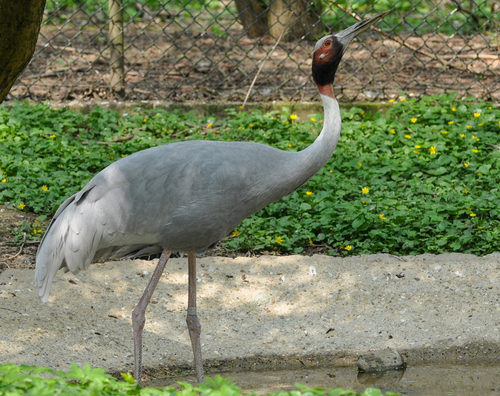
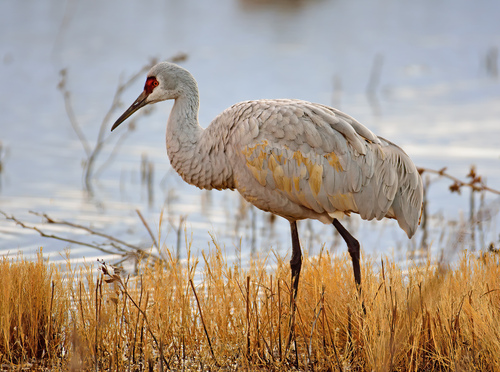
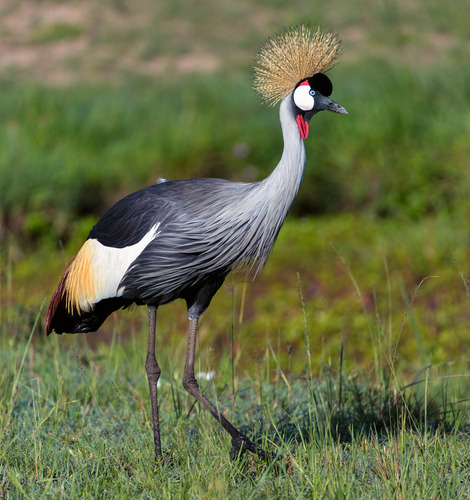
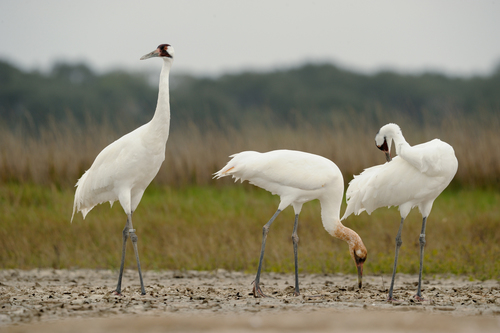
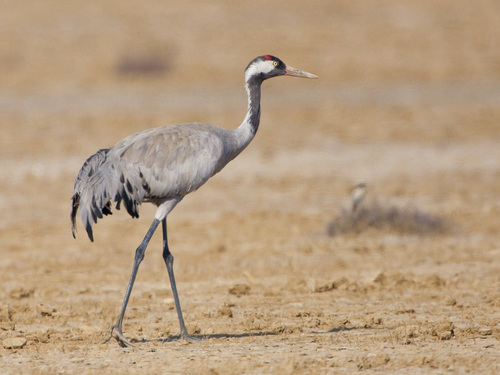
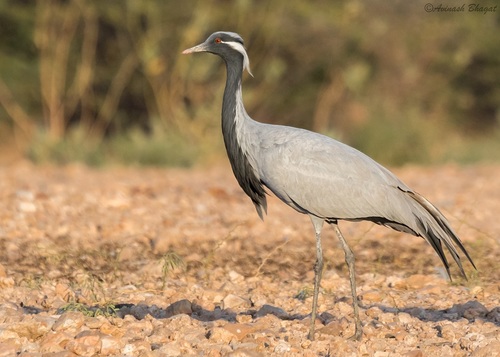
Photographs: iNaturalist contributors under the licences shown. Records: GBIF.org. Historical plates: Source Library (CC BY-SA 4.0; originals public domain). Summary text: Nature Library editors and Wikipedia (CC BY-SA). Medicinal and edibility notes are historical and educational, not advice. iNaturalist taxon 39.