 NL·0728
Herbarium of the Nature Library
- Name
- Lamprotornis superbus
- Family
- Sturnidae
- Native to
- East Africa: Ethiopia, Somalia, South Sudan, Uganda, Kenya and Tanzania
- Habitat
- Savanna, Dry thornbush, Open woodland
On eBird ↗
Superb Starling
Live sightings near you, the range map, bar charts of when it is seen, and Macaulay Library photos and recordings.
Superb starling
Lamprotornis superbus
Also calledChoucador superbe (French)
A glossy East African starling whose iridescent blue-green upperparts and orange belly are divided by a neat white band. Bold and sociable, it lives in cooperatively breeding groups and is a fixture of safari lodges.
The superb starling is a member of the starling family of birds. Wikipedia
What it can do
- iCooperative breeder in which helpers, often relatives, feed the chicks
- iiIridescence is structural, produced by arrays of melanin granules in the feathers
- iiiGroups in unpredictable dry climates rely more on helpers, a link studied as a driver of cooperative breeding
In the field
Field marks
- aMetallic blue-green upperparts and breast
- bNarrow white band across the breast
- cRich orange-chestnut belly
- dCreamy-white eye
- eWhite undertail coverts
- Voice
- A long, rambling warble of chattering and whistled phrases, often including mimicry; harsh 'chee-er' alarm.
- Not to be confused with
- Hildebrandt's starling lacks the white breast band and has a red-orange eye. Shelley's starling has a darker chestnut belly, no white breast band and an orange eye. Golden-breasted starling has golden-yellow underparts and a long tail.
- Where to see it
- Samburu, Tsavo, Amboseli and Maasai Mara (Kenya), Serengeti and Tarangire (Tanzania), Ethiopian Rift Valley
- When
- Resident year-round
Listen
Looking for field recordings…
Life & habits
- Diet
- Insects, especially termites and beetles, plus fruit and seeds
- Habitat
- Dry acacia savanna, thornbush, villages and lodge grounds
- Size
- About 18 cm; 55–70 g
Groups forage on the ground in loose parties and build bulky domed nests of grass in thorny acacias.
Where it lives
Recorded sightings
—
geo-referenced records in GBIF, from museums, herbaria and field observers.
Native range
East Africa: Ethiopia, Somalia, South Sudan, Uganda, Kenya and Tanzania
Drag the globe to turn it. Dots are where records exist, not a range map; darker means more records.
In the old herbals & bestiaries
No plate in the Source Library names this exact species, so these show its closest relatives as the old naturalists drew them: same genus, or the same kind of animal. Click a plate to read the page it came from, with translation.

Theater of Earthly Creatures
Relative · Anonymous · 1672 · p.258

Historiae Animalium Liber III: De Avium Natura
Relative · Conrad Gesner · 1555 · p.756

History of Animals, Book I: On Viviparous Quadrupeds
Relative · Conrad Gessner · 1554 · p.901

De Indiae utriusque re naturali et medica
Relative · Willem Piso · 1658 · p.469
In the stacks
Searching the stacks…
Every page naming Lamprotornis superbus in the Biodiversity Heritage Library →
Marginalia
It was described by Eduard Rüppell in 1845 from specimens collected in Ethiopia, and its tameness around camps and lodges has made it one of the most photographed birds in East Africa.
Curiosity
Long-term studies in Kenya found that superb starlings in good years and bad years shift between more and fewer helpers, a hedge against an unpredictable climate.
Kinship
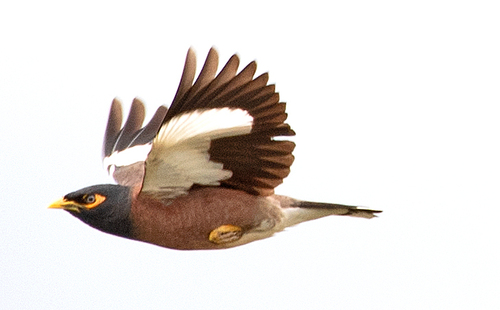

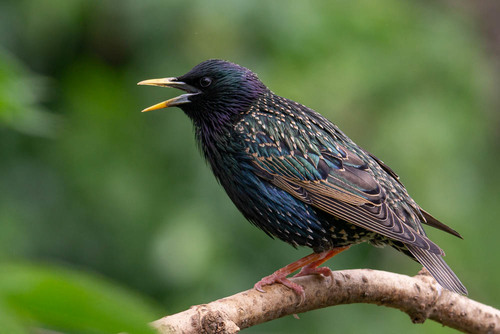
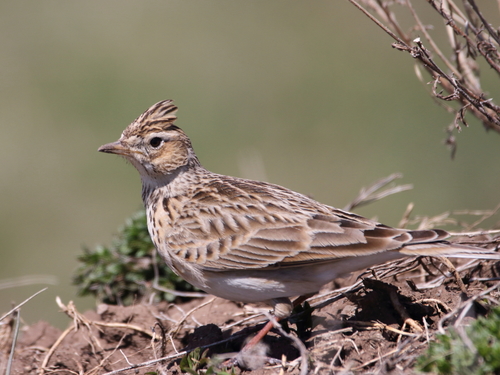
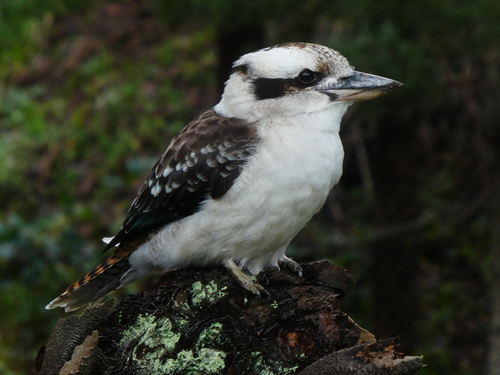
Photographs: iNaturalist contributors under the licences shown. Records: GBIF.org. Historical plates: Source Library (CC BY-SA 4.0; originals public domain). Summary text: Nature Library editors and Wikipedia (CC BY-SA). Medicinal and edibility notes are historical and educational, not advice. iNaturalist taxon 14939.