 NL·0081
Herbarium of the Nature Library
- Name
- Ocimum tenuiflorum
- Family
- Lamiaceae
- Native to
- Indian subcontinent to Southeast Asia and northern Australia
- Habitat
- Tropical dry forest, Disturbed ground, Gardens
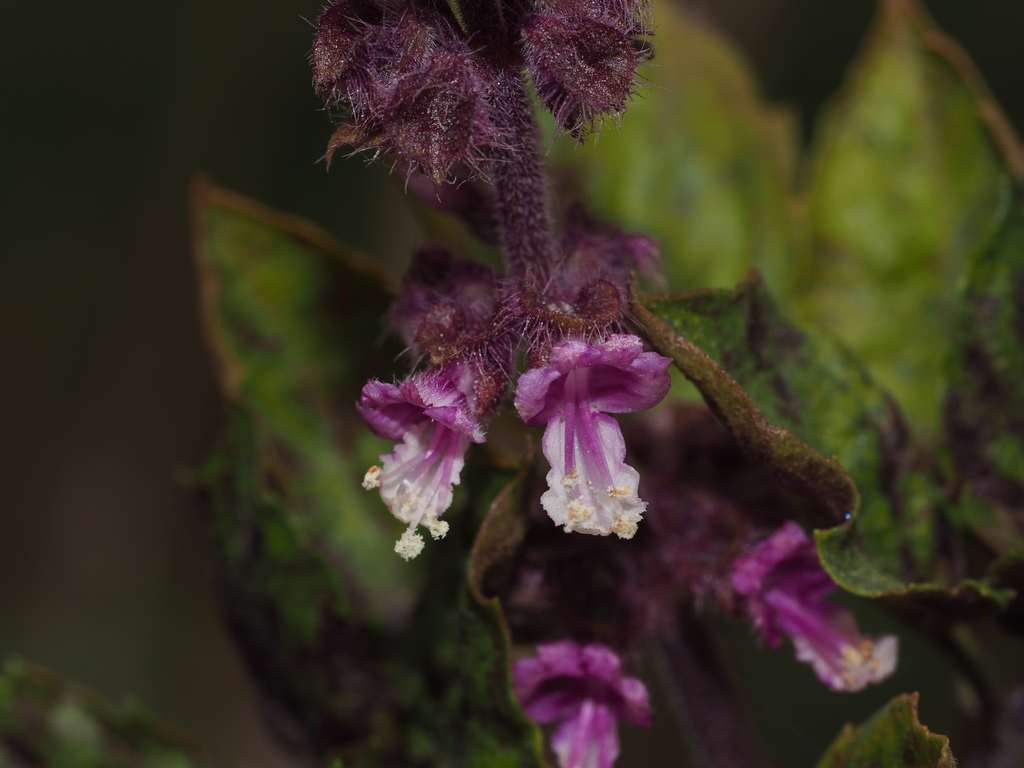
Holy basil (Tulsi)
Ocimum tenuiflorum
Also calledTulasi (Sanskrit) · Tulsi (Hindi) · Thulasi (Tamil/Malayalam) · Kraphao กะเพรา (Thai) · Shèng luólè 圣罗勒 (Chinese) · Rehan (Urdu, loosely)
A clove-scented basil that grows in a raised shrine (tulsi vrindavan) in the courtyard of countless Hindu homes, where it is worshipped as the goddess Tulsi. It is also the peppery basil of Thai street food.
Ocimum tenuiflorum, commonly known as tulasi, tulsi, or holy basil, is an aromatic perennial plant in the family Lamiaceae. It is widely cultivated throughout the Southeast Asian tropics. It is native to tropical and subtropical regions of Asia, Australia and the western Pacific. This plant has escaped from cultivation and has naturalized in many tropical regions of the Americas. It is an agricultural and environmental weed. Wikipedia
What it can do
- iLeaves are rich in eugenol, the clove-scented compound that deters many insects
- iiFlowers almost year-round in the tropics and feeds bees and other small pollinators
- iiiContains ursolic and rosmarinic acids, studied for anti-inflammatory activity
At the table
Eatenleaves · seeds (soaked)
Leaves are used fresh in Thai cooking (pad kraphao) and in teas. Medicinal amounts are best avoided in pregnancy.
In the medicine cabinet
| Tradition | Use |
|---|---|
| Ayurveda | Leaf tea and juice for cough, colds, fever and stress; used as a rasayana and to support breathing |
| Siddha | Thulasi leaves given for respiratory infections and as a general tonic |
| Southeast Asian folk medicine | Leaf infusions in Thailand for stomach ache, colic and colds |
| Modern phytotherapy | Small trials of extracts for stress, blood sugar and lipids |
Weight of evidence
Moderate. Some clinical trials with promising but limited or mixed results.
Active compounds
eugenol, methyl eugenol, β-caryophyllene, ursolic acid, rosmarinic acid, apigenin
Fruit & seed
Fruit
Nutlets (4 per flower)
Ripens: Most of the year in the tropics
Tiny dry nutlets held in the persistent calyx.

Seed
~1 mm
Small brown-black seeds that turn mucilaginous when wet
- Dispersal
- Gravity; self-sows in warm gardens
- Germination
- Needs warmth (above 20 °C) and light; 7–14 days
Photographs from Wikimedia Commons under open licences; hover for the photographer, click for the file.
How to grow it
Hardiness (USDA zones)
USDA 10–12 (summer annual elsewhere). Survives winters down to about -1 °C.
- Light
- Full sun
- Water
- Moderate
- Soil
- Fertile, well-drained
- Propagation
- Seed or softwood cuttings
- To harvest
- Leaves 6–8 weeks after sowing
- Climates
- Tropical, Subtropical, Temperate summer
- 1Sow on the surface of warm compost and keep moist
- 2Plant out after frost into full sun
- 3Pinch out tips to keep it bushy
- 4Harvest leaves often; let some flower for bees and seed
Can it grow where you are?
Where it lives
Recorded sightings
—
geo-referenced records in GBIF, from museums, herbaria and field observers.
Native range
Indian subcontinent to Southeast Asia and northern Australia
Drag the globe to turn it. Dots are where records exist, not a range map; darker means more records.
In the old herbals & bestiaries
Woodcuts and engravings matched from the Source Library’s scanned books by name. Plates marked “relative” show a close kin rather than this exact species. Click a plate to read the page it came from, with translation.

In the stacks
Searching the stacks…
Every page naming Ocimum tenuiflorum in the Biodiversity Heritage Library →
Marginalia
In the Puranas Tulsi is the consort of Vishnu, and the annual Tulsi Vivah festival ritually marries the plant to Vishnu as the shaligram stone or to Krishna. Vaishnava devotees wear prayer beads (kanthi mala) carved from tulsi stems.
Curiosity
Much medical literature still calls holy basil Ocimum sanctum. But Linnaeus had already named it O. tenuiflorum in 1753, fourteen years earlier, so that name takes priority.
Kinship


Photographs: iNaturalist contributors under the licences shown. Records: GBIF.org. Historical plates: Source Library (CC BY-SA 4.0; originals public domain). Summary text: Nature Library editors and Wikipedia (CC BY-SA). Medicinal and edibility notes are historical and educational, not advice. iNaturalist taxon 181060.