 NL·0126
Herbarium of the Nature Library
- Name
- Plantago major
- Family
- Plantaginaceae
- Native to
- Europe and northern & central Asia; now cosmopolitan
- Habitat
- Trampled ground, Lawns, Pasture, Disturbed ground
Broadleaf plantain
Plantago major
Also calledBreitwegerich (German) · Llantén mayor (Spanish) · Lisān al-ḥamal لسان الحمل (Arabic, 'lamb's tongue') · Bartang (Unani) · Chēqián 车前 (Chinese, Plantago spp.) · White man's footprint (English, from Indigenous American usage)
A flat-rosetted weed of paths and farmyards so tough it thrives where it is trodden on daily. European colonists spread it around the world on their boots, and it has been one of folk medicine's standard wound leaves for at least a thousand years.
Plantago major, the greater plantain, is a species of flowering plant in the plantain family Plantaginaceae. It is native to Eurasia and temperate Africa, and widely naturalised elsewhere. Wikipedia
What it can do
- iFlat rosette and tough, ribbed leaves survive heavy trampling
- iiSeeds turn sticky with mucilage when wet and hitch rides on feet, hooves and tyres
- iiiLeaves contain aucubin and acteoside, studied for anti-inflammatory and wound-healing effects
- ivA single plant can produce many thousands of long-lived seeds
At the table
Eatenyoung leaves · seeds
Young leaves can be eaten raw or cooked, but older leaves are stringy. Avoid plants from sprayed or polluted ground.
In the medicine cabinet
| Tradition | Use |
|---|---|
| European folk medicine | Chewed or crushed leaf on stings, bites, cuts and burns; tea for coughs and diarrhoea |
| Indigenous American | Adopted by many nations after European contact as a poultice for wounds, snakebite and boils |
| Unani | Bartang seeds and leaves as a cooling demulcent for dysentery and coughs |
| Traditional Chinese Medicine | Plantago herb and seed (cheqiancao, cheqianzi) to drain damp, for urinary difficulty and diarrhoea |
Weight of evidence
Traditional. Long historical use; little or no modern clinical evidence.
Active compounds
aucubin, catalpol, acteoside (verbascoside), plantamajoside, mucilage, allantoin
Fruit & seed


Fruit
Pyxis (capsule with a lid)
Ripens: Summer–autumn
Small capsule whose top pops off like a lid, on dense spikes.


Seed
~1–1.5 mm
Small, angular brown seeds that become sticky when wet
- Dispersal
- Sticky seeds carried on feet, animals and vehicles
- Germination
- Needs light; 1–3 weeks at 15–25 °C
Photographs from Wikimedia Commons under open licences; hover for the photographer, click for the file.
How to grow it
Hardiness (USDA zones)
USDA 3–10. Survives winters down to about -40 °C.
- Light
- Full sun to part shade
- Water
- Moderate
- Soil
- Any, including compacted soil
- Propagation
- Seed
- To harvest
- Leaves 6–8 weeks after sowing
- Climates
- Temperate, Continental, Subtropical
- 1Scatter seed on the surface in spring
- 2Leave in a lawn or path edge where it is wanted
- 3Pick young leaves for food or poultices
- 4Remove seed spikes if you want to stop it spreading
Can it grow where you are?
Where it lives
Recorded sightings
—
geo-referenced records in GBIF, from museums, herbaria and field observers.
Native range
Europe and northern & central Asia; now cosmopolitan
Drag the globe to turn it. Dots are where records exist, not a range map; darker means more records.
In Gerard's Herball, 1597

Second Booke · Chap. 92 · p. 338 · read the page →
Of Land Plantaine.
John Gerard, The Herball, or Generall Historie of Plantes, London, 1597. What England's best-known herbal said of broadleaf plantain, in its own spelling.
- The vertues
- Plantaine is good for vlcers that are of hard curation, for fluxes, issues, rewmes and rottennesse, and for the bloodie flixe. It staieth bleeding, it healeth vp hollow sores, and concauate vlcers as well olde as new. Of all the Plantaines the greatest is the best, and excelleth the rest in facultie and vertue. The iuice or decoction of Plantaine drunken, stoppeth the bloodie flixe and all other fluxes of the belly, stoppeth the pissing of blood, spitting of blood, with all other issues of blood in man or woman, and the desire to vomite. Plantaine leaues stamped and made into a Tansie, with the yelks of egges, staieth the inordinate fluxe of the termes, although it haue continued many yeeres. The roote of Plantaine with the seede boiled in white wine and drunke, openeth the conduites or passages of the liuer and kidneies, cure the iaundies, and vlcerations of the kidneies and bladder. The iuice dropped into the eies, doth coole the heate or inflammation thereof.
- The place
- The greater Plantaines do grow almost euery where. The lesser Plantaines are found on the sea coastes, and banks of great riuers, which are somtimes washed with brackish water.
- The time
- They are to be seene from Aprill vnto September.
- The temperature
- Plantaine, as Galen saith, is of a mixt temperature: for it hath in it a certaine waterie coldnesse with a little harshnesse, earthie, drie, and cold. Therefore they are cold and drie in the second degree. To be briefe, they are drie without biting, and cold without benumming.
- The names
- Plantaine is called in Latine Plantago, and in Greeke ἀρνόγλωσσος, and Arnoglossa, that is to say, Lambes toong. The Apothecaries keepe the Latine name: in Italian Piantagine, and Piantagine: in Spanish Lhantem: the Germaines Wegrich: in Low Dutch Weechbree: in English Plantaine and Weybred: in French Plantain.
Gerard wrote within Galenic humoral medicine, and his opinions, including about the peoples of the Americas and their crops, are those of 1590s London. His “vertues” are history, not advice. Transcription: Source Library (CC BY-SA 4.0). The whole chapter in the Herball Room.
In the old herbals & bestiaries
Woodcuts and engravings matched from the Source Library’s scanned books by name. Plates marked “relative” show a close kin rather than this exact species. Click a plate to read the page it came from, with translation.

Notable Commentaries on the History of Plants
Leonhart Fuchs · 1549 · p.69

History of Rare Plants
Carolus Clusius · 1601 · p.485

Natural Magic (Magia Naturalis)
Wolfgang Hildebrand · 1616 · p.680

The Dutch Herbarium or Herbal
Petrus Nylandt · 1670 · p.106

Herbarium Portatile, Oder Behendes Kräuter- und Gewächs-Buch: Darinn nicht allein 1363. so wol Einheimische als Außländndische Kräuter mit Lateinisch und Deutscher Benennung abgebildet, sondern auch die meisten, so in der Medicin gebräuchlich, kürtzlich erkläret werden
Panckow, Thomas · 1656 · p.289

Living Images of Plants
Otto Brunfels · 1532 · p.34

Notable Commentaries on the History of Plants
Leonhart Fuchs · 1549 · p.73

Maria Sibylla Merian — Der rupsen begin, voedzel en wonderbaare verandering (1712)
Maria Sibylla Merian · 1717 · p.115

Living Images of Plants
Otto Brunfels · 1532 · p.33

Notable Commentaries on the History of Plants
Leonhart Fuchs · 1542 · p.71
In the stacks
Searching the stacks…
Every page naming Plantago major in the Biodiversity Heritage Library →
Marginalia
The Old English Nine Herbs Charm calls it Wegbrade, 'way-broad', the 'mother of herbs' that withstands carts and riders. Longfellow's Song of Hiawatha (1855) records the Indigenous name 'White-Man's Foot'.
Curiosity
The name Plantago comes from the Latin planta, 'sole of the foot', after its flat leaves lying on the ground like footprints.
Kinship


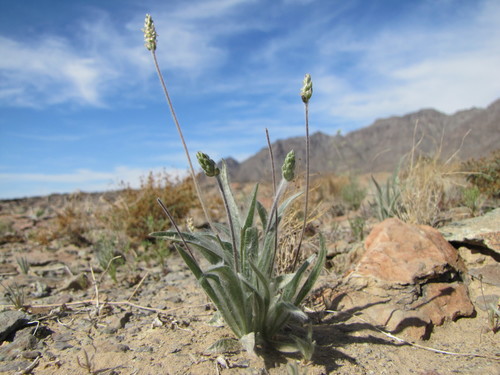

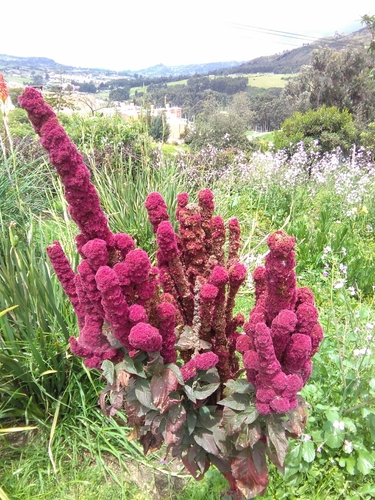
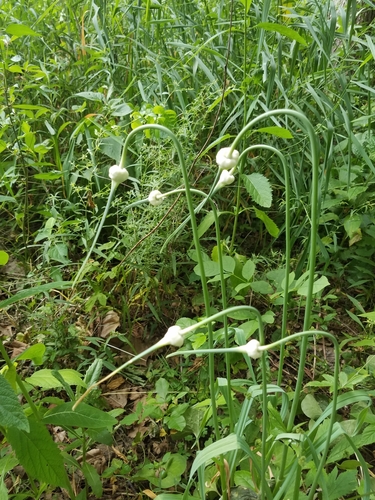
Photographs: iNaturalist contributors under the licences shown. Records: GBIF.org. Historical plates: Source Library (CC BY-SA 4.0; originals public domain). Summary text: Nature Library editors and Wikipedia (CC BY-SA). Medicinal and edibility notes are historical and educational, not advice. iNaturalist taxon 58961.