 NL·0769
Herbarium of the Nature Library
- Name
- Turdus philomelos
- Family
- Turdidae
- Native to
- Europe east to central Siberia, Turkey, the Caucasus and northern Iran; winters around the Mediterranean, North Africa and the Middle East; introduced to New Zealand and Australia
- Habitat
- Temperate forest, Woodland, Gardens and parks
On eBird ↗
Song Thrush
Live sightings near you, the range map, bar charts of when it is seen, and Macaulay Library photos and recordings.
Song thrush
Turdus philomelos
Also calledÖter ardıç kuşu (Turkish) · Singdrossel (German) · Grive musicienne (French) · Zorzal común (Spanish) · Throstle (English dialect)
A brown thrush with neat arrow-shaped spots, famous for singing each phrase two to four times over. It breaks snail shells on a favourite stone, leaving a scatter of broken shells around these 'anvils'.
The song thrush is a thrush that breeds across the West Palearctic. It has brown upperparts and black-spotted cream or buff underparts and has four recognised subspecies. Its distinctive song, which features repeated musical phrases, has frequently been referenced in poetry. Wikipedia
What it can do
- iSmashes snail shells on stone anvils, an unusual tool-like behaviour in a songbird
- iiRepeats song phrases deliberately, building repertoires of over 100 phrases
- iiiSometimes mimics other birds and man-made sounds within its song
- ivNorthern and eastern birds migrate at night to wintering grounds as far as Arabia and North Africa
In the field
Field marks
- aWarm brown upperparts with no markings
- bBuff-washed breast with neat dark arrowhead spots
- cOrange-buff underwing visible in flight
- dSmaller and shorter-tailed than mistle thrush
- Voice
- Loud, clear and inventive song in which each phrase is repeated 2–4 times ('cherry-dew, cherry-dew, cherry-dew'); call a short, thin 'tsip'.
- Not to be confused with
- Mistle thrush is larger and greyer with round spots, white tail corners and white underwings, and gives a dry rattle. Redwing has a bold cream eyebrow and red flanks.
- Where to see it
- Gardens and woods throughout Europe; huge numbers winter in Spanish and Moroccan olive groves.
- When
- Resident in western Europe; summer visitor in the north and east; winter visitor to the Mediterranean and Middle East Oct–Mar
Listen
Looking for field recordings…
Life & habits
- Diet
- Earthworms, snails, insects; berries and fallen fruit
- Habitat
- Woodland with undergrowth, hedgerows, parks and gardens; winters in olive groves and scrub
- Size
- 20–23.5 cm; 50–107 g
- Lifespan
- Typically 2–3 years
Grips a snail by the lip of its shell and beats it against a stone until it shatters.
Where it lives
Recorded sightings
—
geo-referenced records in GBIF, from museums, herbaria and field observers.
Native range
Europe east to central Siberia, Turkey, the Caucasus and northern Iran; winters around the Mediterranean, North Africa and the Middle East; introduced to New Zealand and Australia
Drag the globe to turn it. Dots are where records exist, not a range map; darker means more records.
In the old herbals & bestiaries
Woodcuts and engravings matched from the Source Library’s scanned books by name. Plates marked “relative” show a close kin rather than this exact species. Click a plate to read the page it came from, with translation.

The Natural History of Carolina Florida and Bahama Islands Vol. 2
Mark Catesby · 1743 · p.43

History of Animals, Book I: On Viviparous Quadrupeds
Conrad Gessner · 1554 · p.913

Historiae Animalium Liber III: De Avium Natura
Conrad Gesner · 1555 · p.762

Historiae Animalium Liber III: De Avium Natura
Conrad Gesner · 1555 · p.768

History of Animals, Book I: On Viviparous Quadrupeds
Conrad Gessner · 1554 · p.907

History of Animals, Book II: On Oviparous Quadrupeds
Conrad Gessner · 1586 · p.390

De Piscibus Libri V et De Cetis Liber Unus
Ulisse Aldrovandi · 1661 · p.35

Mark Catesby — Piscium, serpentum, insectorum (pt. 1) (1750)
Mark Catesby · 1750 · p.37

The Natural History of Carolina, Florida and the Bahama Islands, Vol. 1
Mark Catesby · 1777 · p.101

Books on Marine Fishes
Guillaume Rondelet · 1554 · p.195
In the stacks
Searching the stacks…
Every page naming Turdus philomelos in the Biodiversity Heritage Library →
Marginalia
Robert Browning wrote in 'Home-Thoughts, from Abroad' (1845): 'That's the wise thrush; he sings each song twice over', and Thomas Hardy's 'The Darkling Thrush' (1900) uses a winter thrush as a symbol of hope.
Curiosity
Thrushes are still trapped and eaten illegally in parts of the Mediterranean; the bird was a prized food in ancient Rome, where Varro described aviaries fattening thousands of them.
Kinship
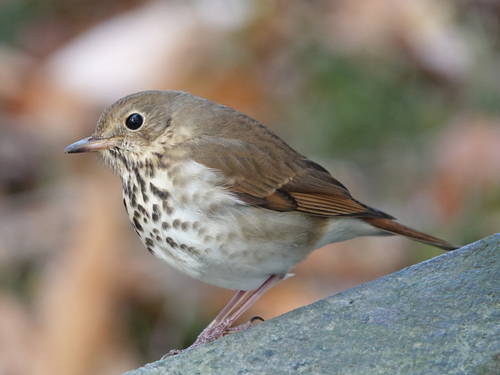
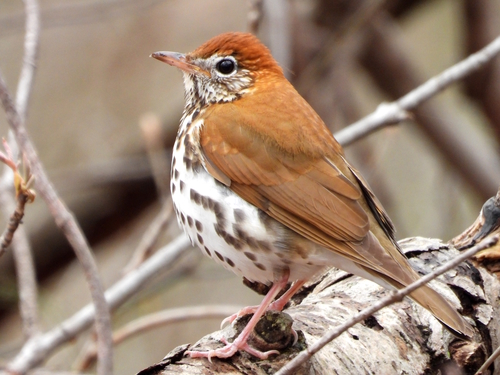
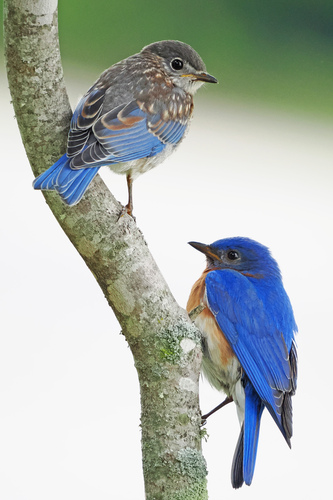
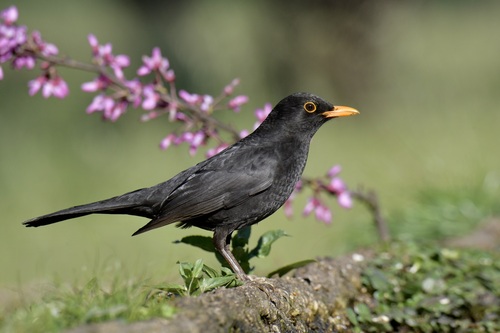
Fact-checked: 1 correction made to this sheet. Photographs: iNaturalist contributors under the licences shown. Records: GBIF.org. Historical plates: Source Library (CC BY-SA 4.0; originals public domain). Summary text: Nature Library editors and Wikipedia (CC BY-SA). Medicinal and edibility notes are historical and educational, not advice. iNaturalist taxon 12748.