- Animals
- ›Arthropods
- ›Hexapods
- ›Insects
- ›Winged and Once-winged Insects
- ›Butterflies and Moths
- ›Curved-horn Moths
- ›Twirler Moths
- ›Anomologinae
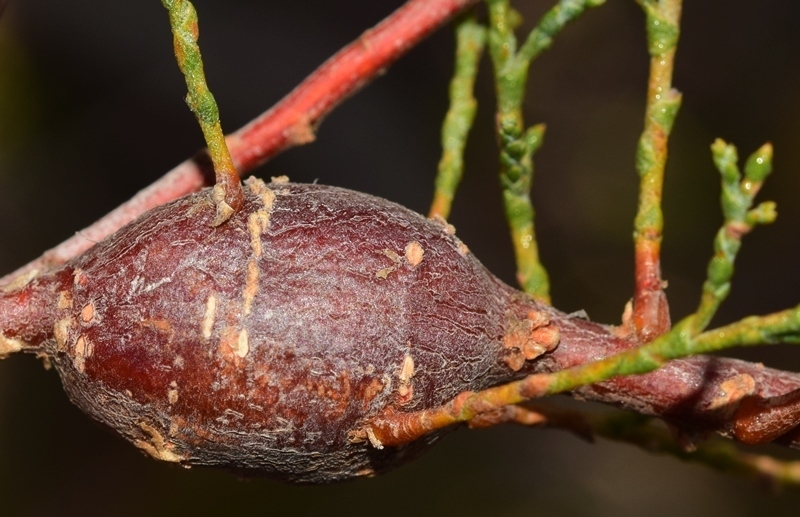
Parapodia
In invertebrates, the term parapodium (Gr. para, beyond or beside + podia, feet; pl.: parapodia) refers to lateral outgrowths or protrusions from the body. Parapodia are predominantly found in annelids, where they are paired, unjointed lateral outgrowths that bear the chaetae. In several groups of sea snails and sea slugs, 'parapodium' refers to lateral fleshy protrusions.
1 branches of this genus, most-observed first
See this branch on the Wheel of Life →
Where it lives
Recorded sightings
—
geo-referenced records in GBIF, from museums, herbaria and field observers.
Drag the globe to turn it. Dots are where records exist, not a range map; darker means more records.
In the stacks
Searching the stacks…
Every page naming Parapodia in the Biodiversity Heritage Library →
This page is assembled live from iNaturalist, GBIF, Wikipedia, the Source Library and the Internet Archive. It is not yet part of the hand-edited codex. iNaturalist taxon 1008766.