 NL·0403
Herbarium of the Nature Library
- Name
- Labeo rohita
- Family
- Cyprinidae
- Native to
- Rivers of northern and central India, Pakistan, Bangladesh, Nepal and Myanmar (Indus, Ganges, Brahmaputra and associated basins); widely introduced
- Habitat
- Large rivers, Floodplain lakes, Ponds and reservoirs
Rohu
Labeo rohita
Also calledRui রুই (Bengali) · Rohu रोहू (Hindi) · Rahu روہو (Urdu) · Dambhro (Sindhi) · Rohi (Odia)
The best known of the 'Indian major carps' and one of the most eaten freshwater fish in South Asia. Rohu, catla and mrigal stocked together in one pond is the classic composite fish farm of India, Bangladesh and Pakistan.
The rohu, rui, ruhi, rou or roho labeo is a species of fish of the carp family, found in rivers in South Asia. It is a large omnivore and extensively used in aquaculture. Wikipedia
What it can do
- iFeeds in the mid-water column, grazing algae and plant matter, so it shares ponds with surface-feeding catla and bottom-feeding mrigal
- iiBreeds on monsoon floodplains, laying huge numbers of drifting eggs
- iiiSpawns in hatcheries after hormone injection, the method that turned Indian carps into a mass-farmed crop
- ivTolerates warm, turbid, low-oxygen pond water
In the field
Field marks
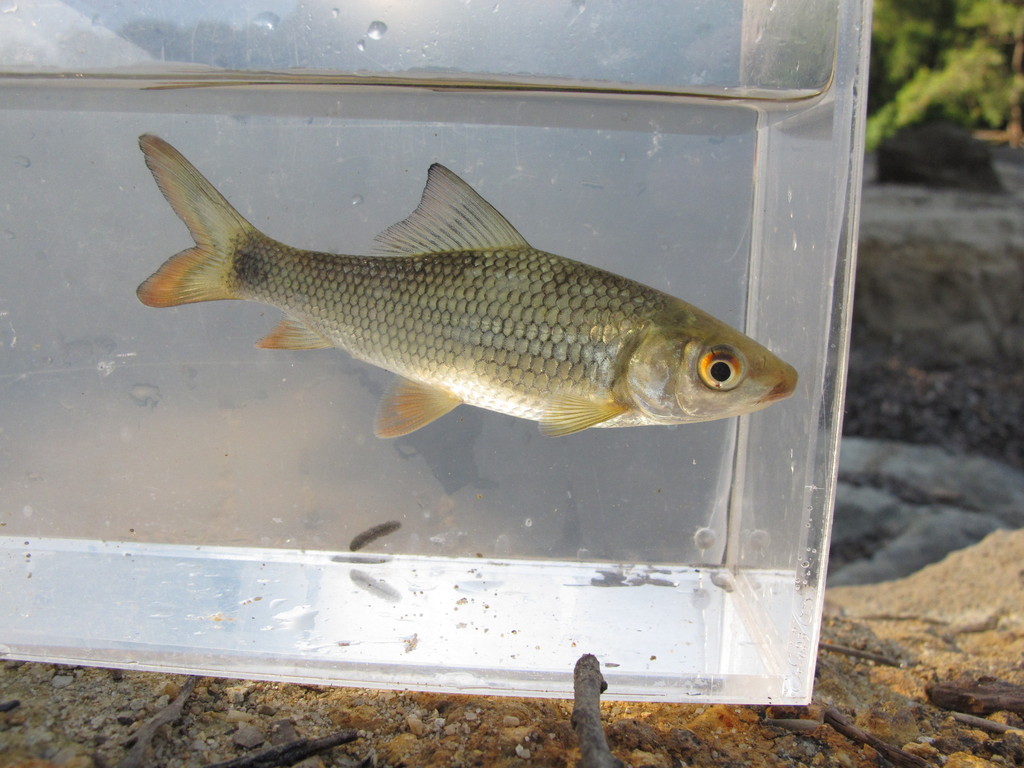
- aModerately deep, silvery body with a bluish back
- bEach scale with a reddish centre, so the flanks look finely red-chequered, especially in the breeding season
- cFins often reddish or orange-tinged
- dBlunt snout with thick fringed (fimbriated) lips and one small pair of barbels
- eMouth on the underside of the head
- Not to be confused with
- Catla has a much larger head, a wide upturned mouth and greyer colour. Mrigal is slimmer and silver with orange-tipped fins, and has thin unfringed lips. Kalbasu (Labeo calbasu) is dark grey to black.
- Where to see it
- Fish markets of Kolkata, Dhaka, Lahore and Karachi; the Ganges and Padma; carp ponds across West Bengal, Andhra Pradesh and Punjab
- When
- Resident year-round; spawning in the monsoon, roughly June–August
Life & habits
- Diet
- Herbivore: phytoplankton, algae and soft submerged plants
- Habitat
- Rivers, floodplain lakes, reservoirs and farm ponds
- Size
- Commonly 45–60 cm; recorded up to about 2 m and 45 kg
- Lifespan
- Up to about 10 years
Wild adults spawn in shallow, newly flooded margins after heavy monsoon rains, and the larvae grow up in floodplain waters.
Where it lives
Recorded sightings
—
geo-referenced records in GBIF, from museums, herbaria and field observers.
Native range
Rivers of northern and central India, Pakistan, Bangladesh, Nepal and Myanmar (Indus, Ganges, Brahmaputra and associated basins); widely introduced
Drag the globe to turn it. Dots are where records exist, not a range map; darker means more records.
In the stacks
Searching the stacks…
Every page naming Labeo rohita in the Biodiversity Heritage Library →
Marginalia
In Bengali wedding custom, a large rohu decorated with turmeric and vermilion is sent to the bride's family as part of the tattwa gifts. In 1957 Hiralal Chaudhuri bred Indian carps in captivity for the first time by pituitary injection, founding the region's modern fish farming.
Curiosity
India celebrates National Fish Farmers' Day on 10 July, the anniversary of Hiralal Chaudhuri's first induced breeding of Indian carps.
Kinship
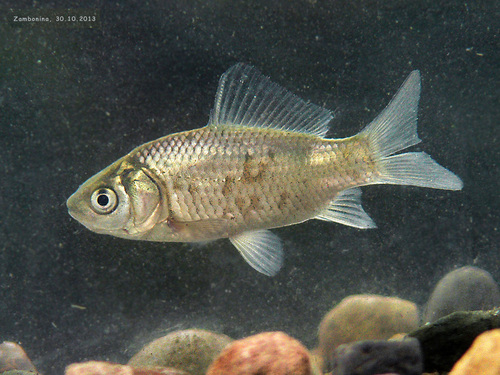

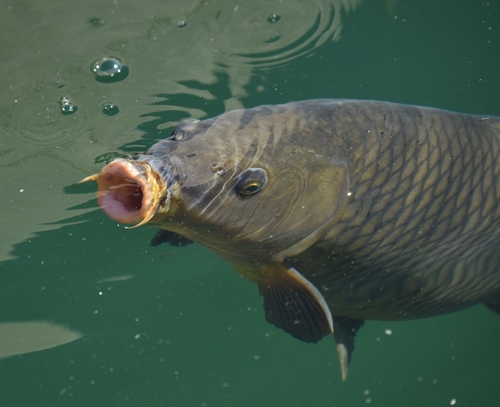
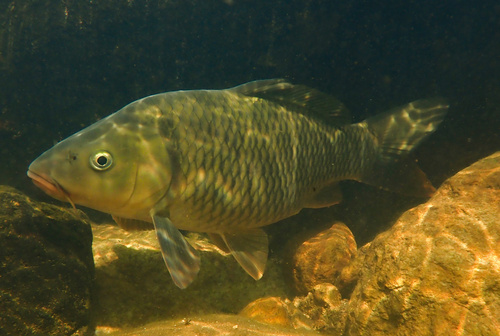


Photographs: iNaturalist contributors under the licences shown. Records: GBIF.org. Historical plates: Source Library (CC BY-SA 4.0; originals public domain). Summary text: Nature Library editors and Wikipedia (CC BY-SA). Medicinal and edibility notes are historical and educational, not advice. iNaturalist taxon 103812.