- Animals
- ›Arthropods
- ›Hexapods
- ›Insects
- ›Winged and Once-winged Insects
- ›Butterflies and Moths
- ›Owlet Moths and Allies
- ›Underwing, Tiger, Tussock, and Allied Moths
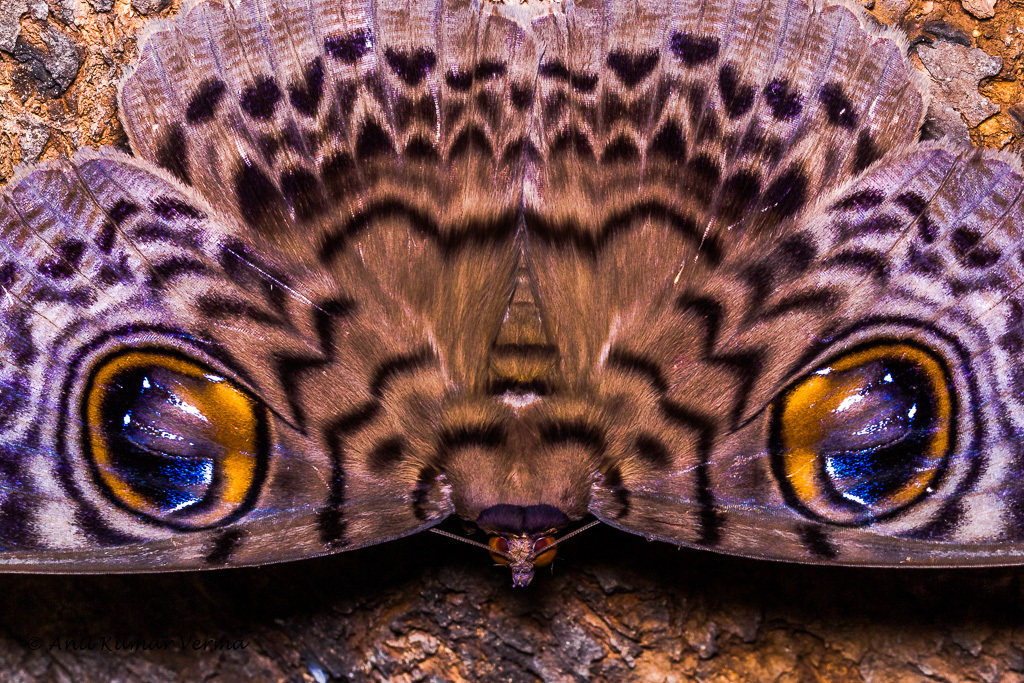
Erebinae
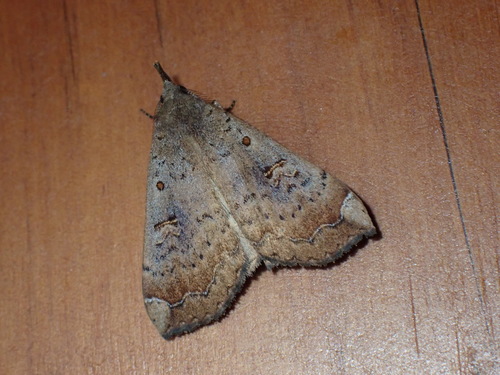
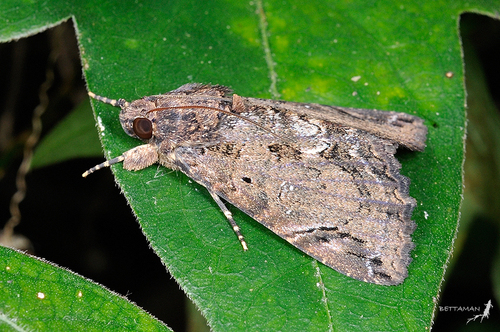
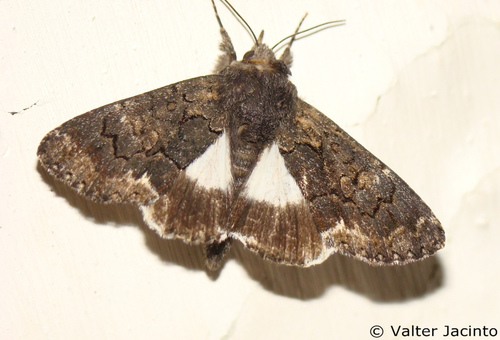
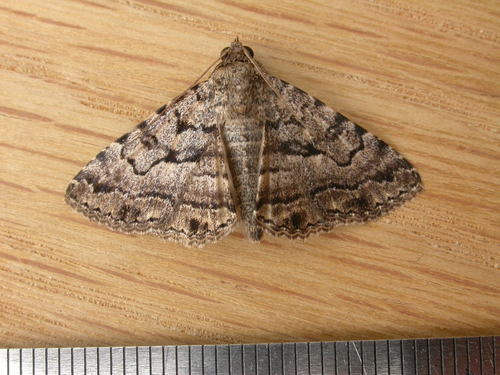
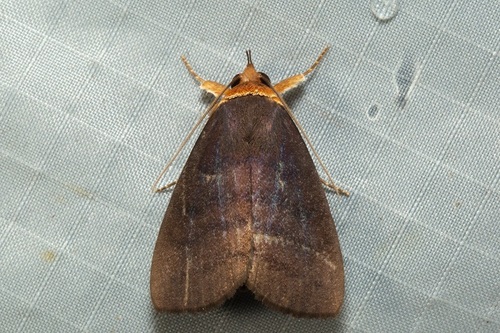
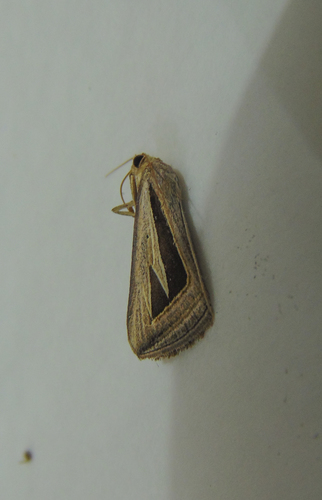
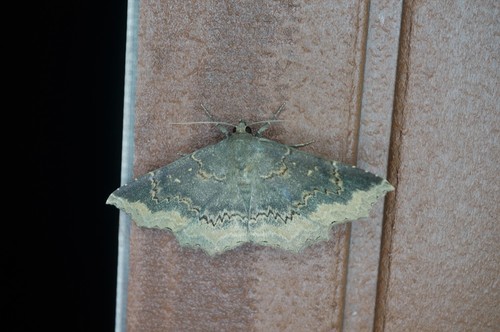
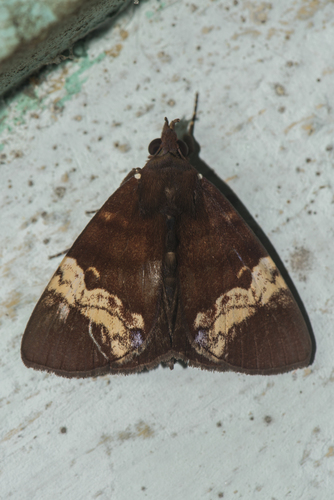
The Erebinae are a subfamily of moths in the family Erebidae erected by William Elford Leach in 1815. Erebine moths are found on all continents except Antarctica, but reach their greatest diversity in the tropics. While the exact number of species belonging to the Erebinae is not known, the subfamily is estimated to include around 10,000 species. Some well-known Erebinae include underwing moths (Catocala) and witch moths (Thermesiini). Many of the species in the subfamily have medium to large wingspans (7 to 10 cm, 3 to 4 inches), up to nearly 30 cm in the white witch moth (Thysania agrippina), which has the widest wingspan of all Lepidoptera. Erebine caterpillars feed on a broad range of plants; many species feed on grasses and legumes, and a few are pests of castor bean, sugarcane, rice, as well as pistachios and blackberries.
60 branches of this subfamily, most-observed first

Catocalini
tribeCatocalini

Euclidiini
tribeEuclidiini
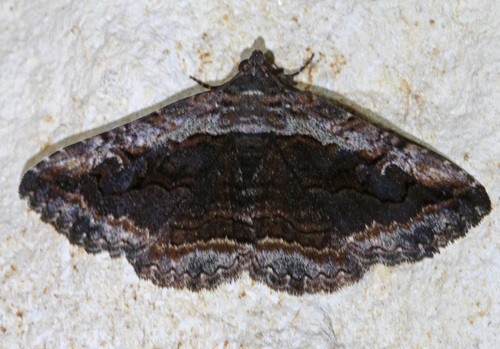
Omopterini
tribeOmopterini

Graphic Owlets
tribeMelipotini

Poaphilini
tribePoaphilini

Thermesiini
tribeThermesiini
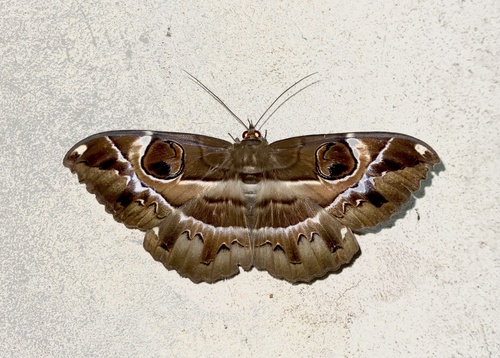
Erebini
tribeErebini
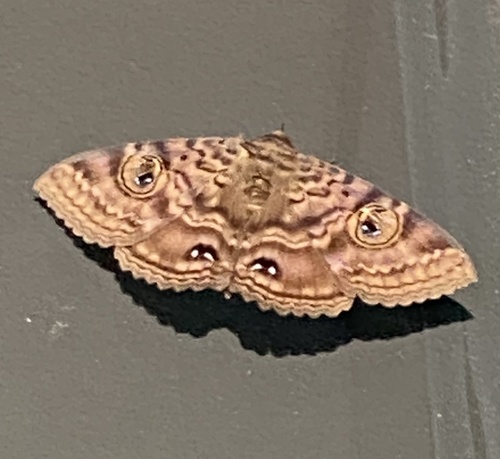
Hulodini
tribeHulodini
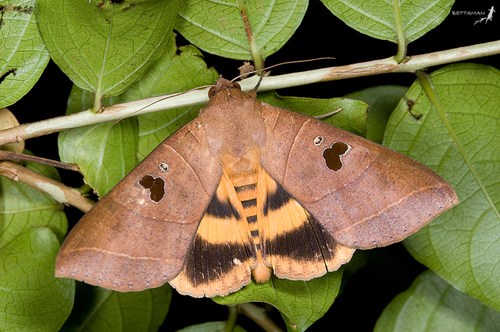
Ophiusini
tribeOphiusini
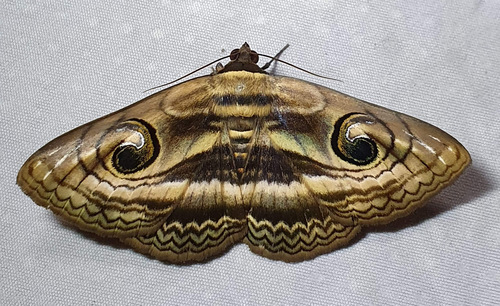
Hypopyrini
tribeHypopyrini

Acantholipini
tribeAcantholipini
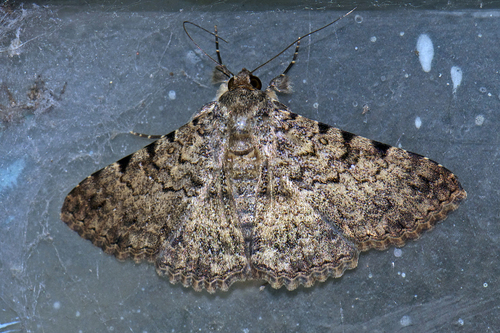
Pandesmini
tribePandesmini
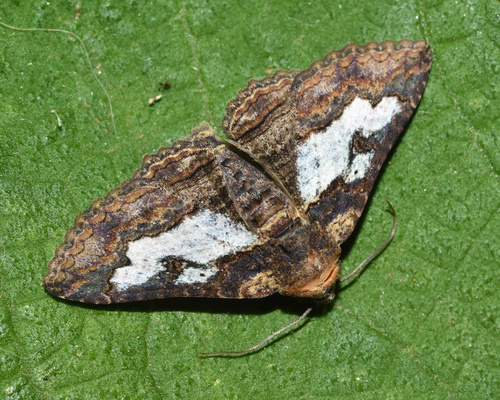
Pericymini
tribePericymini

Cocytiini
tribeCocytiini

Ischyja
genusIschyja
Rhapsa
genusRhapsa
Ercheiini
tribeErcheiini

Sypnini
tribeSypnini

Donuca
genusDonuca

Ommatophorini
tribeOmmatophorini
Catephiini
tribeCatephiini
Diatenes
genusDiatenes
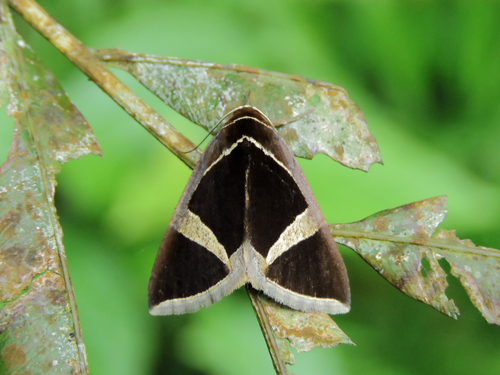
Fodina
genusFodina
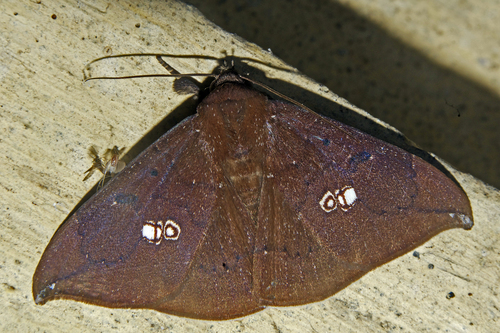
Platyja
genusPlatyja
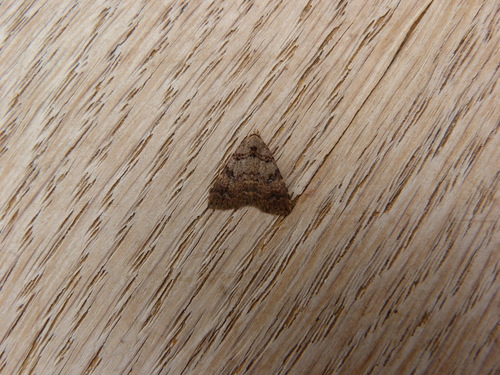
Alapadna
genusAlapadna
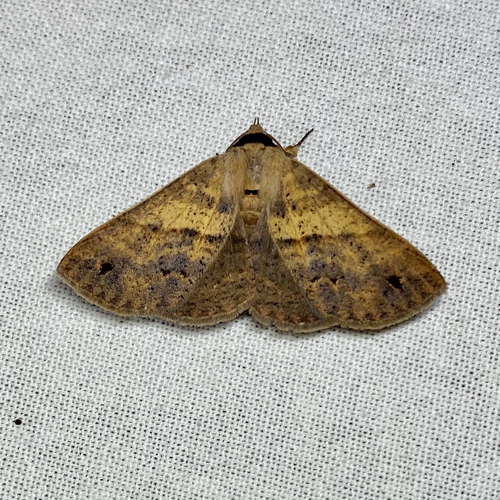
Ophyx
genusOphyx

Amphiongia
genusAmphiongia
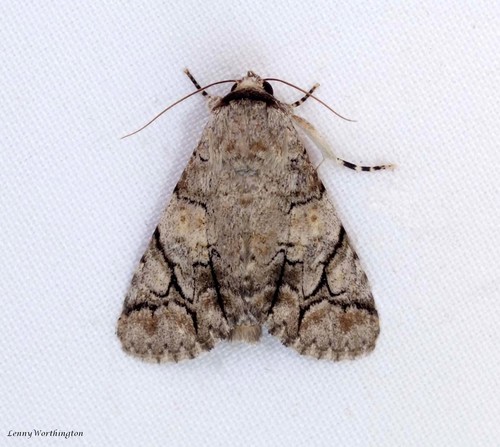
Bamra
genusBamra
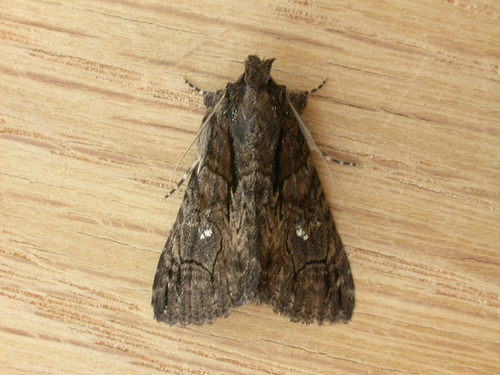
Crioa
genusCrioa
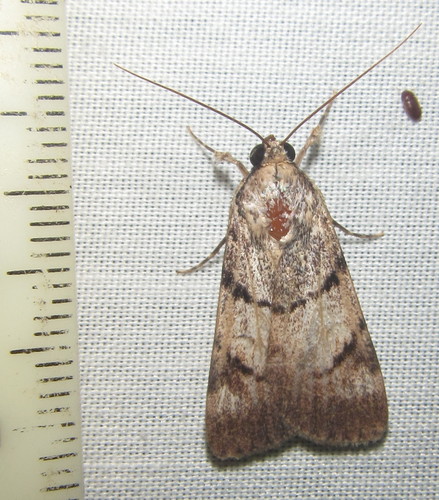
Audeini
tribeAudeini
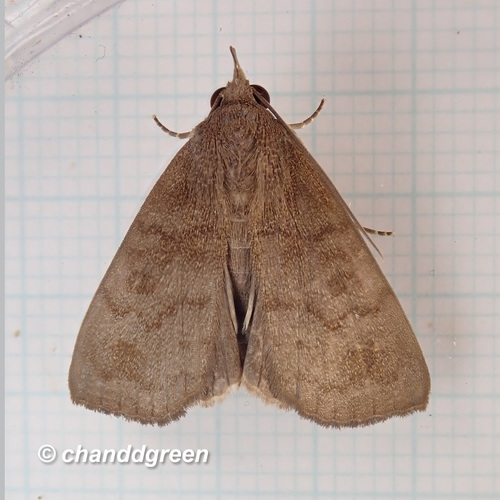
Avitta
genusAvitta
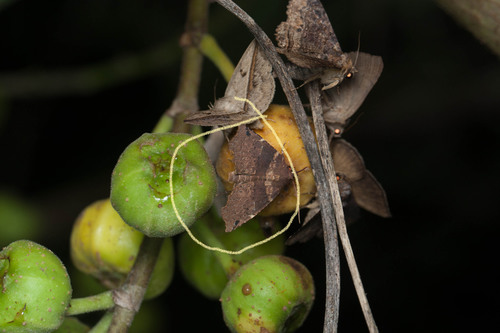
Falana
genusFalana
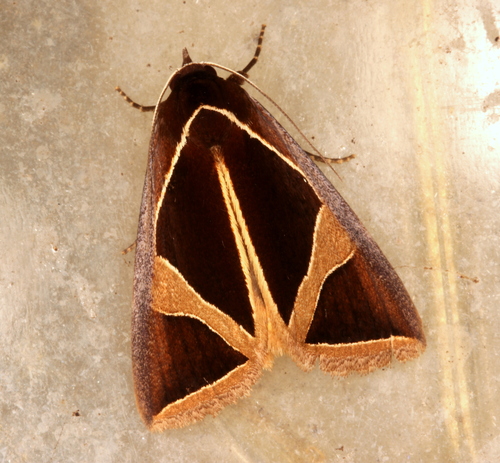
Agamana
genusAgamana
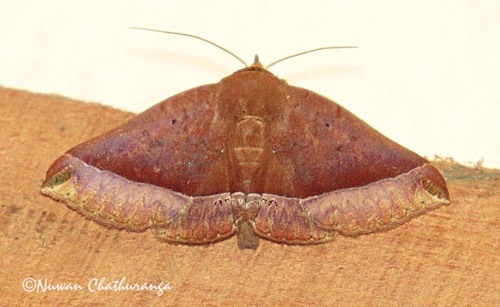
Delgamma
genusDelgamma

Tachosini
tribeTachosini
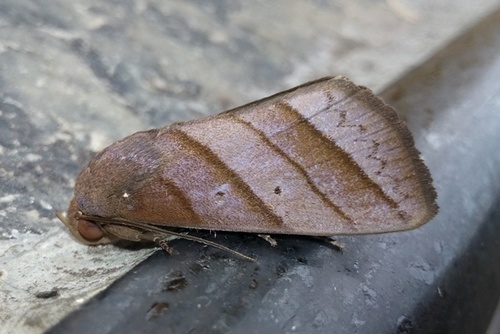
Asta
genusAsta

Calliodes
genusCalliodes

Glenopteris
genusGlenopteris

Xenogenes
genusXenogenes
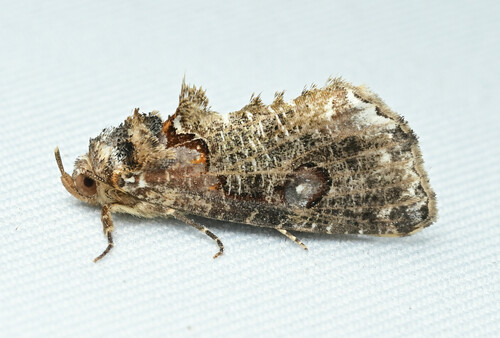
Pilipectus
genusPilipectus
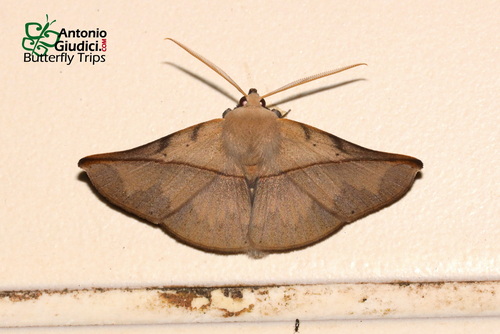
Heterospila
genusHeterospila

Pseudbarydia
genusPseudbarydia
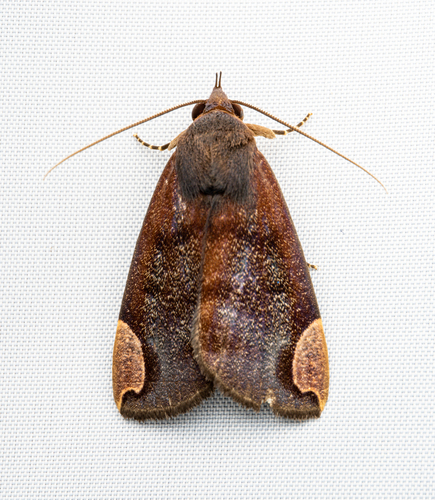
Chrysopera
genusChrysopera
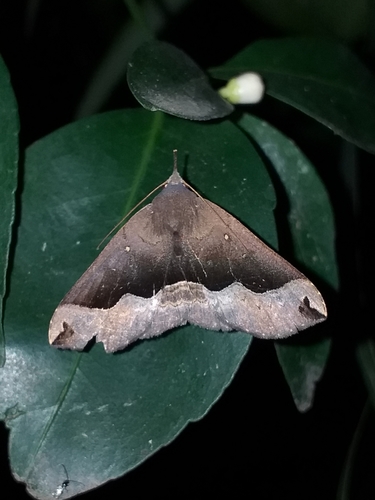
Ampelasia
genusAmpelasia
Pantura
genusPantura
Heteropygas
genusHeteropygas

Niguza
genusNiguza
Arytrurini
tribeArytrurini
Heoeugorna
genusHeoeugorna
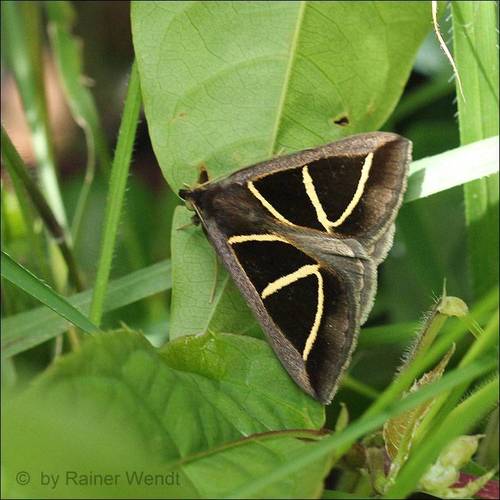
Parachalciope
genusParachalciope

Catephiodes
genusCatephiodes

Prionoptera
genusPrionoptera
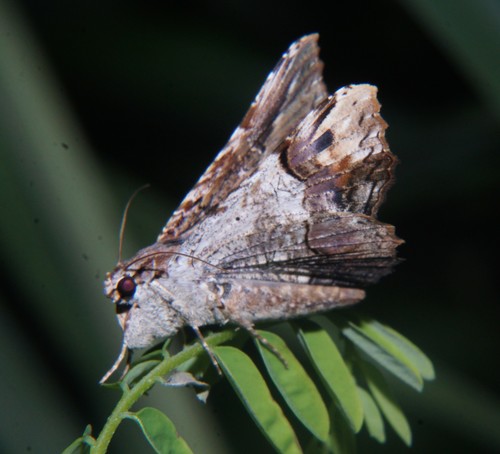
Cymosafia
genusCymosafia
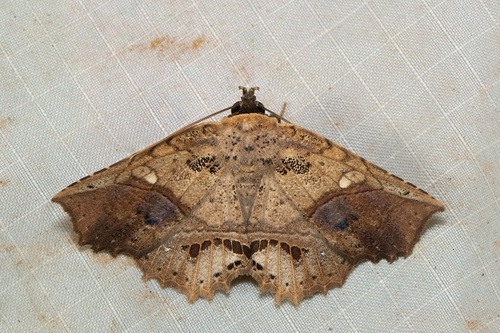
Cryptastria
genusCryptastria
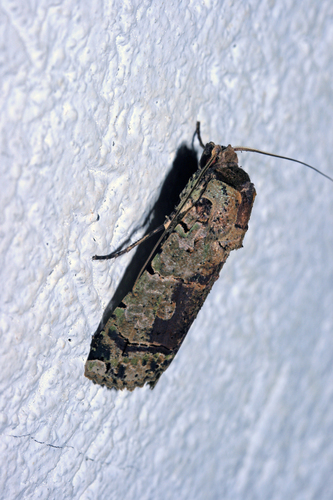
Casandria
genusCasandria
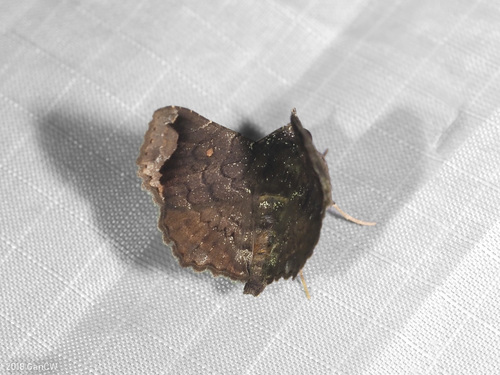
Amphigoniiini
tribeAmphigoniiini
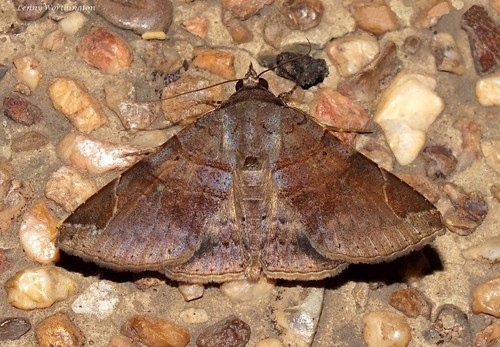
Dordura
genusDordura
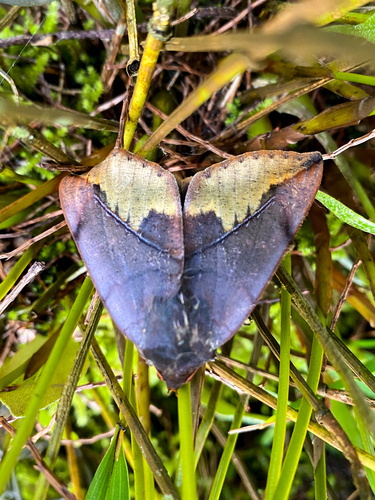
Hypanua
genusHypanua
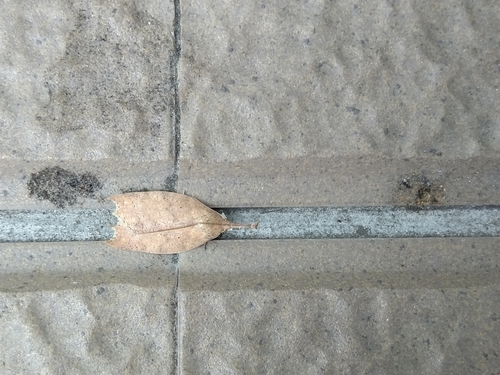
Latirostrum
genusLatirostrum
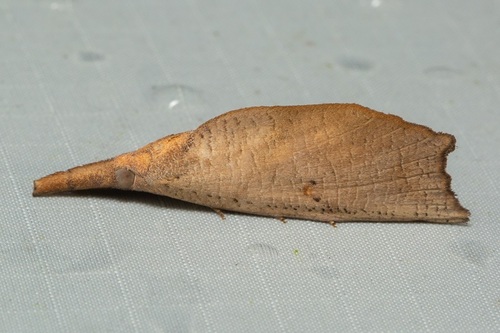
Corcobara
genusCorcobara
Where it lives
Recorded sightings
—
geo-referenced records in GBIF, from museums, herbaria and field observers.
Drag the globe to turn it. Dots are where records exist, not a range map; darker means more records.
In the stacks
Searching the stacks…
Every page naming Erebinae in the Biodiversity Heritage Library →
This page is assembled live from iNaturalist, GBIF, Wikipedia, the Source Library and the Internet Archive. It is not yet part of the hand-edited codex. iNaturalist taxon 122426.