 NL·0212
Herbarium of the Nature Library
- Name
- Paracanthurus hepatus
- Family
- Acanthuridae
- Native to
- Indo-Pacific from East Africa to Kiribati, Samoa, southern Japan and the Great Barrier Reef
- Habitat
- Coral reef
Blue tang
Paracanthurus hepatus
Also calledPalette surgeonfish · Regal tang · Nan'yō-hagi (Japanese) · Cirujano azul (Spanish) · Chirurgien bleu (French)
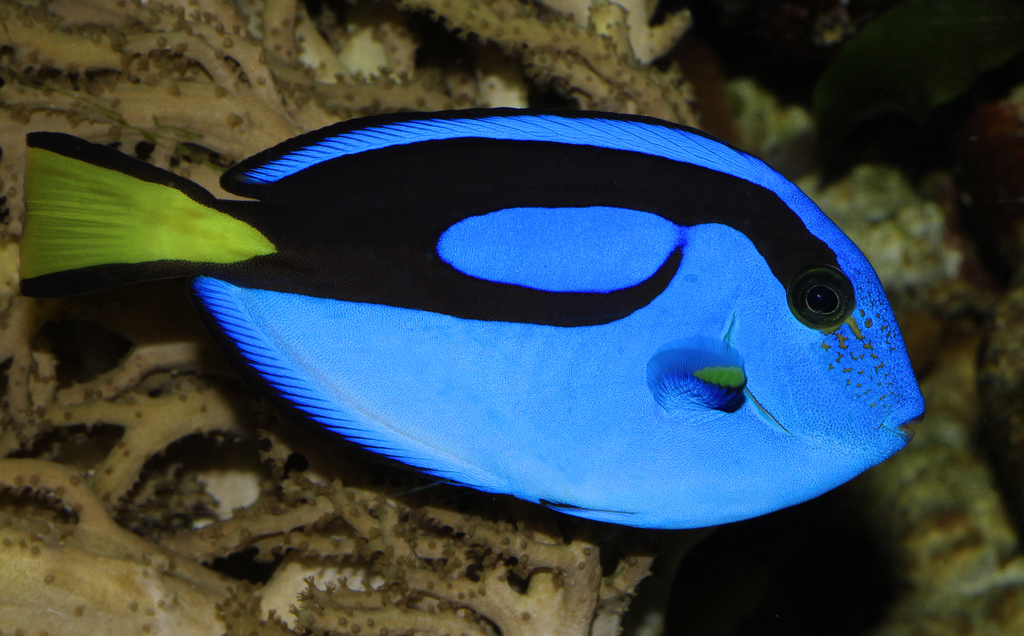
A royal-blue surgeonfish with a black 'palette' marking and lemon-yellow tail, famous as Dory in Finding Nemo. Like all surgeonfishes it carries a scalpel-sharp spine at the base of its tail.
Paracanthurus hepatus is a species of Indo-Pacific surgeonfish. A popular fish in marine aquaria, it is the only member of the genus Paracanthurus. Wikipedia
What it can do
- iA sharp, folding spine on each side of the tail base can slash predators or careless hands
- iiWedges itself into branching coral and erects its spines when threatened, making it hard to dislodge
- iiiSpawning is not yet routine in captivity; most aquarium fish are wild-caught, though captive breeding succeeded in 2016
In the field
Field marks
- aVivid royal-blue oval body
- bBlack band running from the eye to the tail that forms a loop resembling an artist's palette
- cBright yellow tail and yellow pectoral fins
- dTail spine on the caudal peduncle
- Not to be confused with
- No close lookalike; the Atlantic blue tang (Acanthurus coeruleus) is a different species, plain blue or yellow without the black palette marking.
- Where to see it
- Maldives, Palau, Fiji, Great Barrier Reef, Philippines
- When
- Year-round
Life & habits
- Diet
- Zooplankton; also algae
- Habitat
- Clear outer reef terraces with strong current, often around Pocillopora coral heads, 2–40 m
- Size
- Up to about 31 cm
- Lifespan
- Up to about 20 years
Groups hover in the water column feeding on plankton and dive together into branching coral when alarmed.
Where it lives
Recorded sightings
—
geo-referenced records in GBIF, from museums, herbaria and field observers.
Native range
Indo-Pacific from East Africa to Kiribati, Samoa, southern Japan and the Great Barrier Reef
Drag the globe to turn it. Dots are where records exist, not a range map; darker means more records.
In the old herbals & bestiaries
No plate in the Source Library names this exact species, so these show its closest relatives as the old naturalists drew them: same genus, or the same kind of animal. Click a plate to read the page it came from, with translation.


In the stacks
Searching the stacks…
Every page naming Paracanthurus hepatus in the Biodiversity Heritage Library →
Marginalia
The University of Florida's Tropical Aquaculture Laboratory announced the first successful captive rearing of Paracanthurus hepatus in 2016, shortly after Finding Dory raised aquarium demand.
Curiosity
Surgeonfish are named for the scalpel-like blades on the tail; in a blue tang they fold into a groove until the fish feels threatened.
Kinship
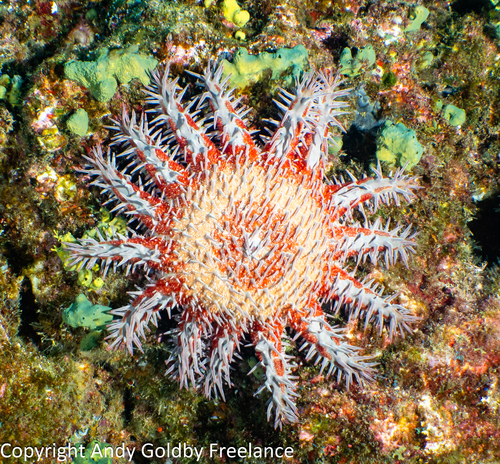
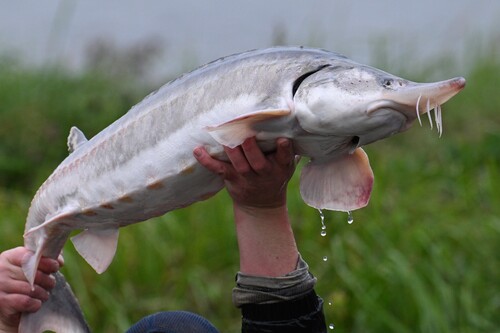
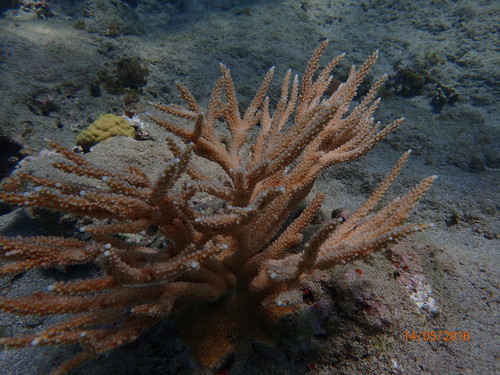
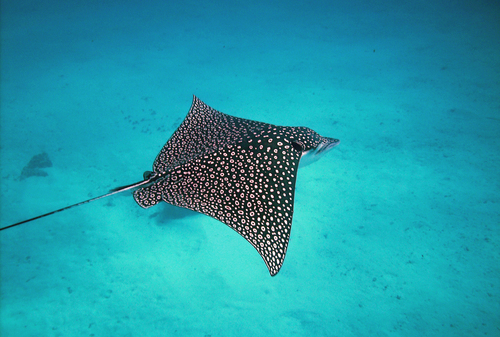
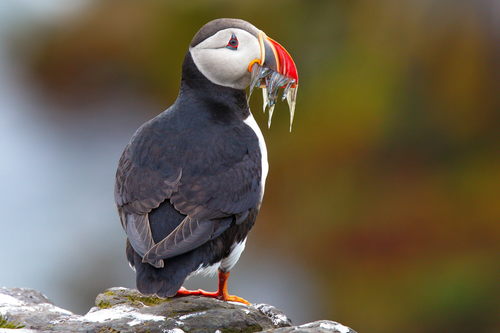
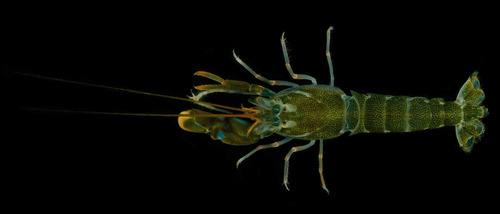
Photographs: iNaturalist contributors under the licences shown. Records: GBIF.org. Historical plates: Source Library (CC BY-SA 4.0; originals public domain). Summary text: Nature Library editors and Wikipedia (CC BY-SA). Medicinal and edibility notes are historical and educational, not advice. iNaturalist taxon 130879.