- Animals
- ›Arthropods
- ›Hexapods
- ›Insects
- ›Winged and Once-winged Insects
- ›Butterflies and Moths
- ›Geometrid and Swallowtail Moths
- ›Geometer Moths
- ›Ennominae
- ›Baptini
- ›Lomographa
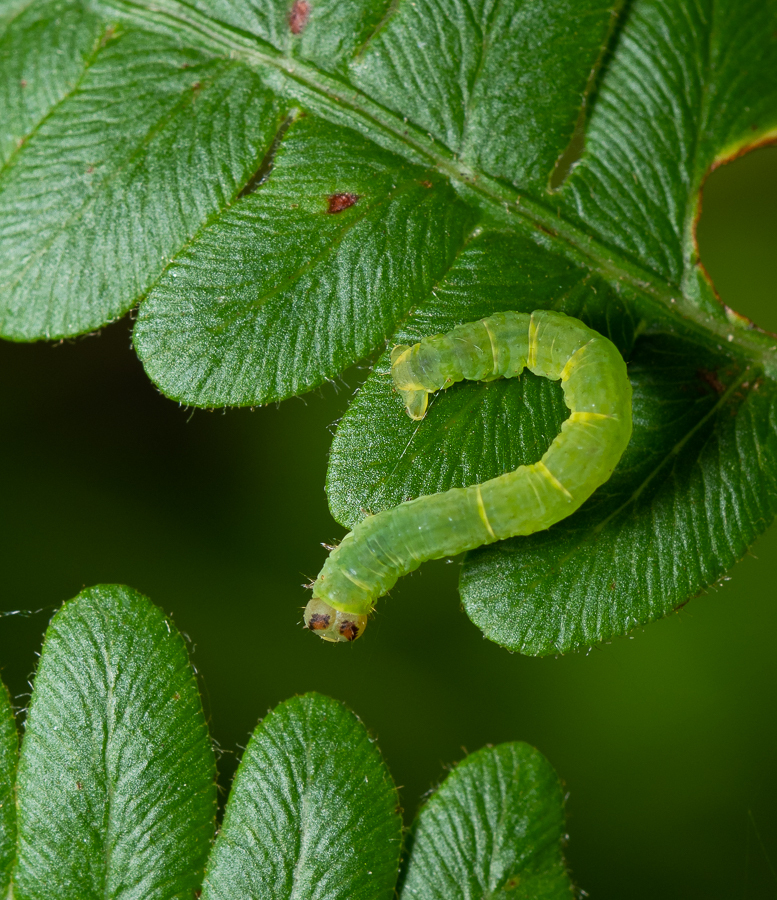
White Spring Moth
Lomographa vestaliata
Lomographa vestaliata, the White Spring Moth, is a moth in the family Geometridae. It is found in North America, where it has been recorded from Newfoundland west to south-eastern British Columbia and south to Florida and Texas. The habitat consists of xeric shrubby edges and woodlands.
From the article Lomographa vestaliata on Wikipedia (CC BY-SA), quoted section by section
Description
The white spring moth has a wingspan of 15–23 mm and rests with its wings open, exposing both its forewings and hindwings. Its head, body and all four wings are solid white, lack markings and appear shiny or translucent. The outer margins of all four wings are fringed.
Range & habitat
It is found in North America, where it has been recorded in Newfoundland west, south-eastern British Columbia, south Florida, Texas and Mexico. The species prefers dry climates and their habitat consists of xeric shrubby edges and woodlands.
Wikipedia: “Range and Habitat”
What it does
The larvae have been recorded feeding on Prunus, Cestrum,Crataegus, Sorbus, Malus, Physocarpus and Viburnum species.
== References ==
Wikipedia: “Ecology”
Listen
Looking for field recordings…
Where it lives
Recorded sightings
—
geo-referenced records in GBIF, from museums, herbaria and field observers.
Drag the globe to turn it. Dots are where records exist, not a range map; darker means more records.
In the stacks
Searching the stacks…
Every page naming Lomographa vestaliata in the Biodiversity Heritage Library →
This page is assembled live from iNaturalist, GBIF, Wikipedia, the Source Library and the Internet Archive. It is not yet part of the hand-edited codex. iNaturalist taxon 133966.