- Animals
- ›Arthropods
- ›Hexapods
- ›Insects
- ›Winged and Once-winged Insects
- ›Butterflies and Moths
- ›Curved-horn Moths
- ›Long-horned Moths
Philharmonia
The Philharmonia Orchestra is a British orchestra based in London. It was founded in 1945 by Walter Legge, a classical music record producer for EMI. Among the conductors who worked with the orchestra in its early years were Richard Strauss, Wilhelm Furtwängler and Arturo Toscanini; of the Philharmonia's younger conductors, the most important to its development was Herbert von Karajan who, though never formally chief conductor, was closely associated with the orchestra in the late 1940s and early 1950s. The Philharmonia became widely regarded as the finest of London's five symphony orchestras in its first two decades.
From the late 1950s to the early 1970s, the orchestra's chief conductor was Otto Klemperer, with whom the orchestra gave many concerts and made numerous recordings of the core orchestral repertoire. During Klemperer's tenure, Legge attempted to disband the orchestra in 1964, citing the difficulty of maintaining the orchestra's high standards. However, the players, backed by Klemperer, formed themselves into a self-governing ensemble as the New Philharmonia Orchestra. After thirteen years under this title, they negotiated the rights to revert to the original name.
2 branches of this genus, most-observed first
See this branch on the Wheel of Life →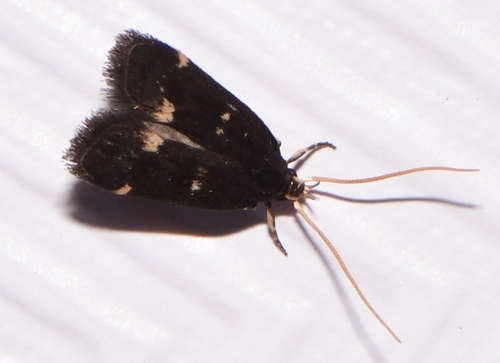
Where it lives
Recorded sightings
—
geo-referenced records in GBIF, from museums, herbaria and field observers.
Drag the globe to turn it. Dots are where records exist, not a range map; darker means more records.
In the stacks
Searching the stacks…
Every page naming Philharmonia in the Biodiversity Heritage Library →
This page is assembled live from iNaturalist, GBIF, Wikipedia, the Source Library and the Internet Archive. It is not yet part of the hand-edited codex. iNaturalist taxon 1346003.