- Animals
- ›Arthropods
- ›Hexapods
- ›Insects
- ›Winged and Once-winged Insects
- ›Butterflies and Moths
- ›Flannel, Slug Caterpillar, Leaf Skeletonizer, and Allied Moths
- ›Burnet Moths
- ›Forester Moths
- ›Procridini
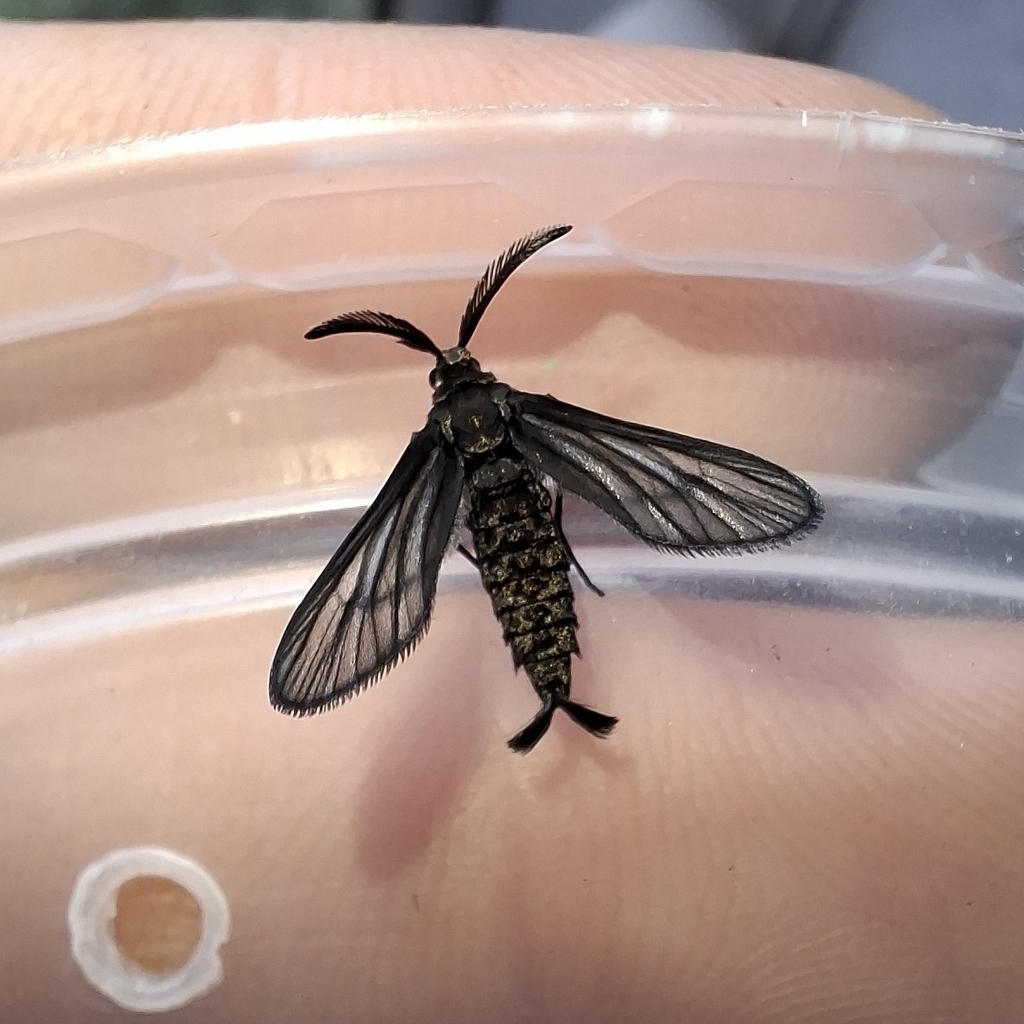
Pampa
The Pampas (; from Quechua pampa 'plain'), also known as the Pampas Plains, are fertile low grasslands in southern South America that cover more than 1,200,000 km2 (460,000 sq mi) and include the Argentine provinces of Buenos Aires, La Pampa, Santa Fe, Entre Ríos, and Córdoba; all of Uruguay; and Brazil's southernmost state, Rio Grande do Sul. The vast plains are a natural region, interrupted only by the low Ventana and Tandil hills, near Bahía Blanca and Tandil (Argentina), with a height of 1,300 m (4,265 ft) and 500 m (1,640 ft), respectively. This ecoregion has been changed by humans, especially since the release of animals like cattle, pigs, and especially sheep onto these plains.
The climate is temperate, with precipitation of 600 to 1,200 mm (23.6 to 47.2 in) that is more or less evenly distributed throughout the year, making the soils appropriate for agriculture. The area is also one of the distinct physiography provinces of the larger Paraná–Paraguay plain division.
24 branches of this genus, most-observed first
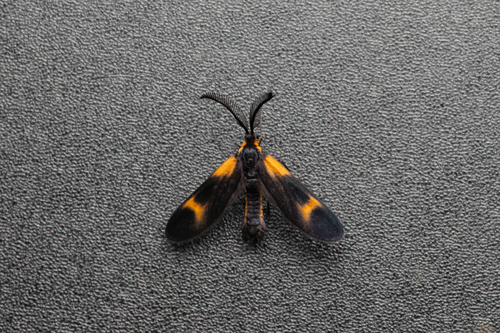
Pampa eminens
complexPampa eminens
Pampa mystica
speciesPampa mystica
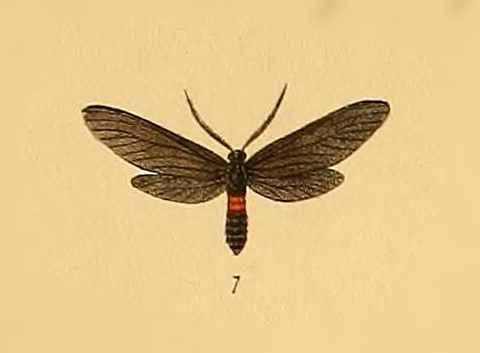
Pampa janeira
speciesPampa janeira
Pampa anisa
speciesPampa anisa
Pampa approximata
speciesPampa approximata
Pampa boliviensis
speciesPampa boliviensis
Pampa brevistrigata
speciesPampa brevistrigata
Pampa ricara
speciesPampa ricara
Pampa erythrogramma
speciesPampa erythrogramma
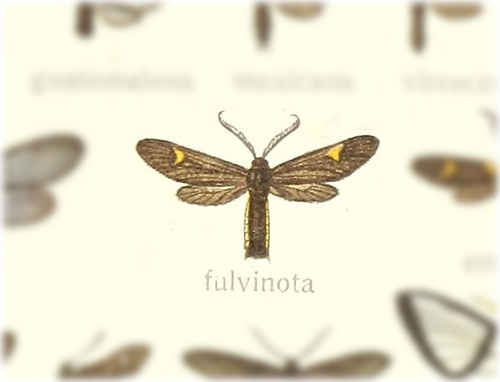
Pampa fulvinota
speciesPampa fulvinota
Pampa innocens
speciesPampa innocens
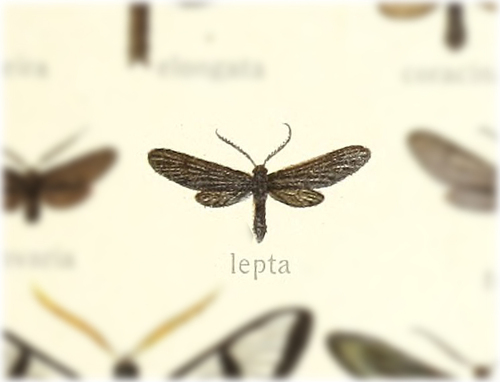
Pampa lepta
speciesPampa lepta
Pampa mephisto
speciesPampa mephisto
Pampa peritta
speciesPampa peritta
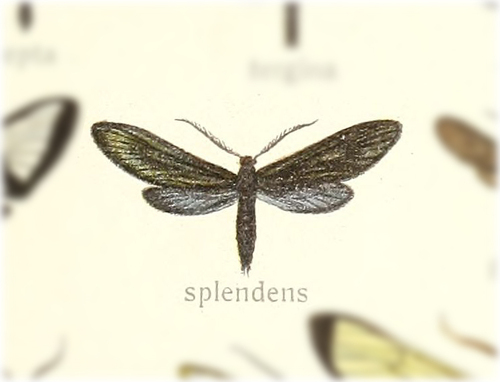
Pampa splendens
speciesPampa splendens
Pampa smaragdina
speciesPampa smaragdina
Pampa seitzi
speciesPampa seitzi
Pampa rubroventralis
speciesPampa rubroventralis
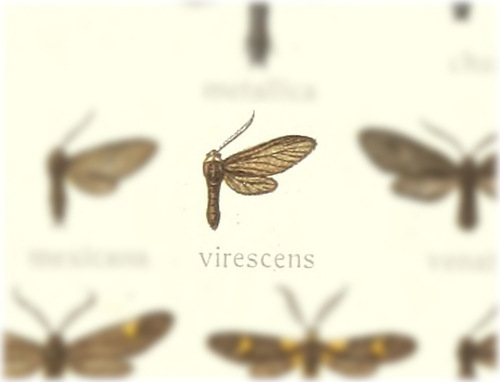
Pampa virescens
speciesPampa virescens
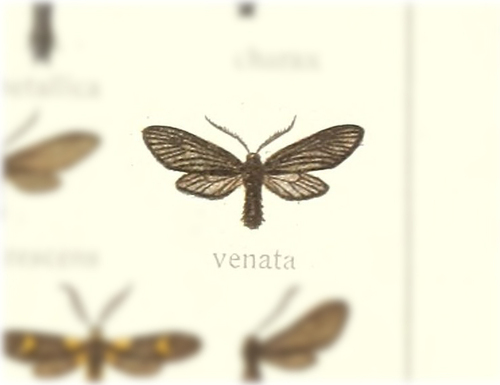
Pampa venata
speciesPampa venata
Pampa tersa
speciesPampa tersa
Pampa hermieri
speciesPampa hermieri
Pampa proeminens
speciesPampa proeminens
Pampa pseudovenata
speciesPampa pseudovenata
Where it lives
Recorded sightings
—
geo-referenced records in GBIF, from museums, herbaria and field observers.
Drag the globe to turn it. Dots are where records exist, not a range map; darker means more records.
In the stacks
Searching the stacks…
Every page naming Pampa in the Biodiversity Heritage Library →
This page is assembled live from iNaturalist, GBIF, Wikipedia, the Source Library and the Internet Archive. It is not yet part of the hand-edited codex. iNaturalist taxon 1378002.