- Animals
- ›Arthropods
- ›Hexapods
- ›Insects
- ›Winged and Once-winged Insects
- ›Butterflies and Moths
- ›Butterflies
- ›Gossamer-winged Butterflies
- ›Blues
- ›Typical Blues
- ›Castaliina
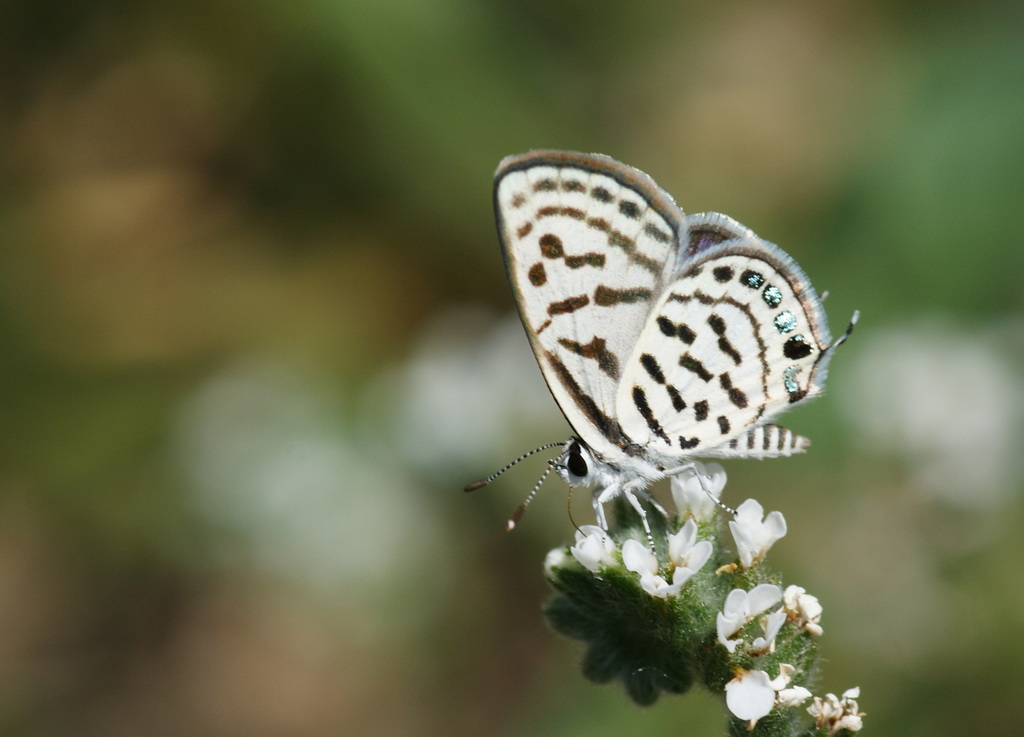
Blue Pierrots
Tarucus
Tarucus is a butterfly genus in the family Lycaenidae. They are commonly known as blue Pierrots or simply Pierrots. The latter name is often used for the closely related genus Castalius. The delimitation of Castalius versus Tarucus is not yet fully resolved, with some species, such as the dark Pierrot (T. ananda), having been moved between the two genera repeatedly. It may even be that they are eventually regarded as synonymous, and in that case the older name Castalius would supersede Tarucus by the Principle of Priority.
Several species formerly in Tarucus were moved to Leptotes, another closely related lineage (though not quite as close as Castalius).
19 branches of this genus, most-observed first
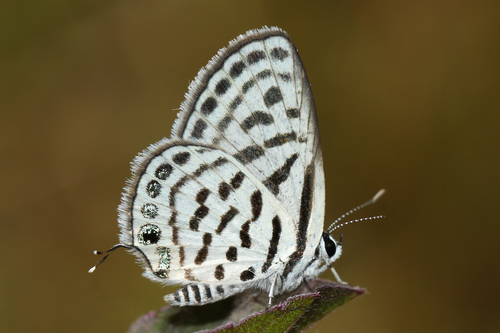
Little Tiger Blue
speciesTarucus balkanica
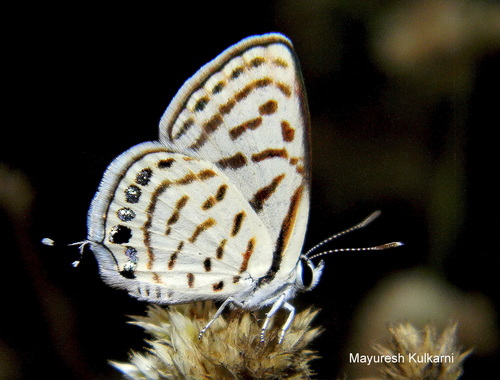
Striped Pierrot
speciesTarucus nara

Vivid Pierrot
speciesTarucus thespis

Dotted Blue
speciesTarucus sybaris
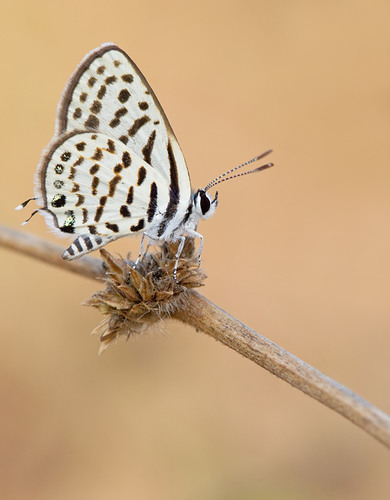
Common Tiger Blue
speciesTarucus theophrastus
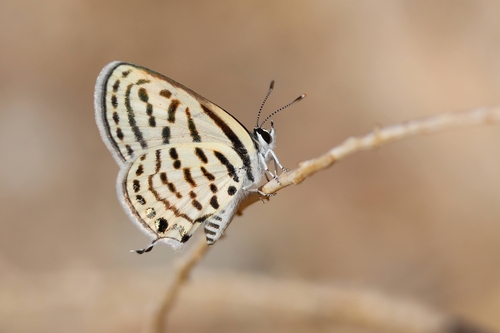
Mediterranean Pierrot
speciesTarucus rosacea
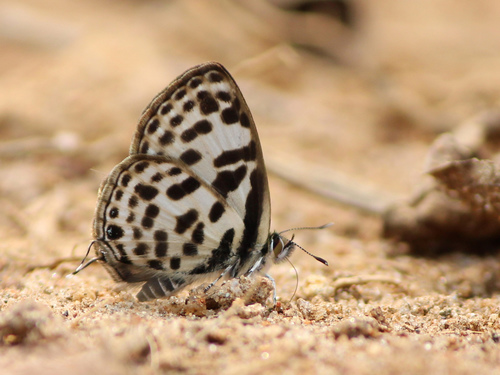
Dark Pierrot
speciesTarucus ananda

Spotted Pierrot
speciesTarucus callinara
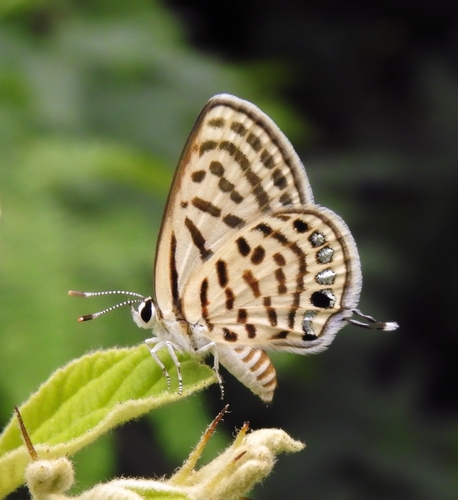
Indian Pierrot
speciesTarucus indica
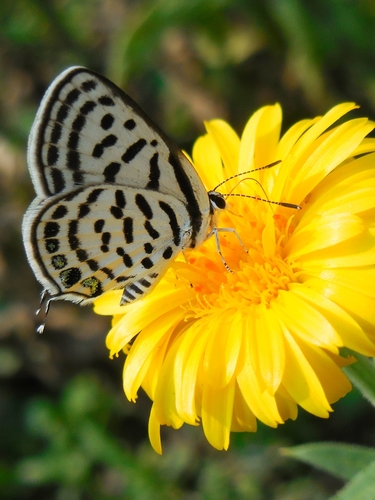
Veined Pierrot
speciesTarucus venosus
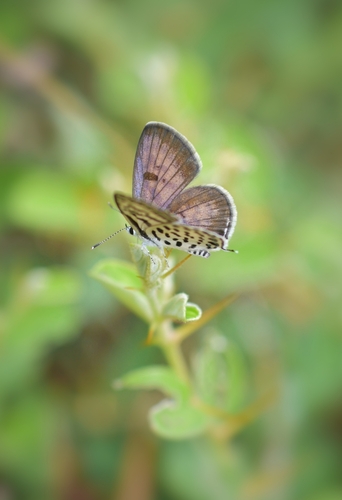
Dark Violet Pierrot
speciesTarucus hazara
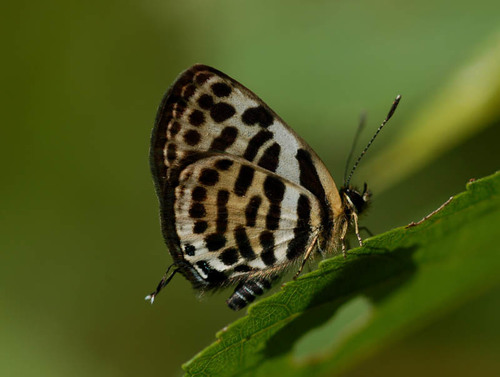
Separate Pierrot (Assam Pierrot)
speciesTarucus waterstradti
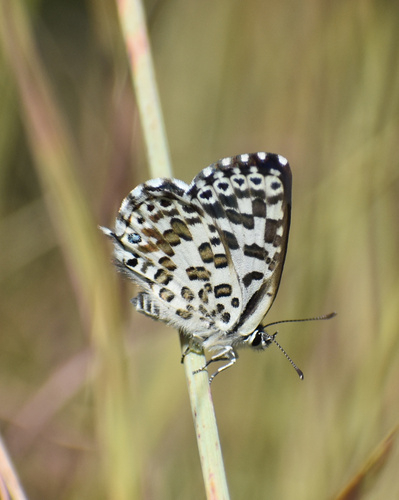
Bowker's blue
speciesTarucus bowkeri

Dark Pierrot
speciesTarucus grammicus
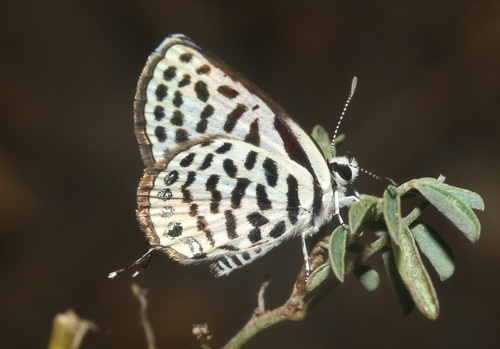
Tarucus quadratus
speciesTarucus quadratus
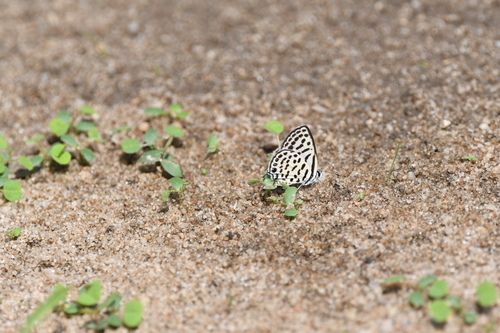
Tarucus ungemachi
speciesTarucus ungemachi
Tarucus kulala
speciesTarucus kulala
Tarucus legrasi
speciesTarucus legrasi
Tarucus kiki
speciesTarucus kiki
Where it lives
Recorded sightings
—
geo-referenced records in GBIF, from museums, herbaria and field observers.
Drag the globe to turn it. Dots are where records exist, not a range map; darker means more records.
In the stacks
Searching the stacks…
Every page naming Tarucus in the Biodiversity Heritage Library →
This page is assembled live from iNaturalist, GBIF, Wikipedia, the Source Library and the Internet Archive. It is not yet part of the hand-edited codex. iNaturalist taxon 149144.