- Plants
- ›Vascular Plants
- ›flowering plants
- ›Dicots
- ›pinks, cactuses, and allies
- ›cacti
- ›Opuntioideae
- ›Opuntieae
- ›Opuntia

Nopalea
Opuntia, commonly called the prickly pear cactus, is a genus of flowering plants in the cactus family Cactaceae, many known for their flavorful fruit and showy flowers. Between 8,000 and 9,000 years ago, the Opuntia prickly pear cactus was domesticated in central Mexico. Cacti are native to the Americas, and are well adapted to arid climates; however, they are still vulnerable to alterations in precipitation and temperature driven by climate change. The plant has been introduced to Australia, southern Europe, the Middle East, and parts of Africa.
Prickly pear alone is also used to refer to the fruit, but may also be used for the plant itself; in addition, other names given to the plant and its specific parts include tuna (fruit), sabra, sabbar, nopal (pads, plural nopales, from the Nahuatl word nōpalli), nostle (fruit) from the Nahuatl word nōchtli, and paddle cactus. The genus is named for the Ancient Greek city of Opus. The fruit and stems are edible. The most common culinary species is the "Barbary fig" (Opuntia ficus-indica).
11 branches of this group, most-observed first
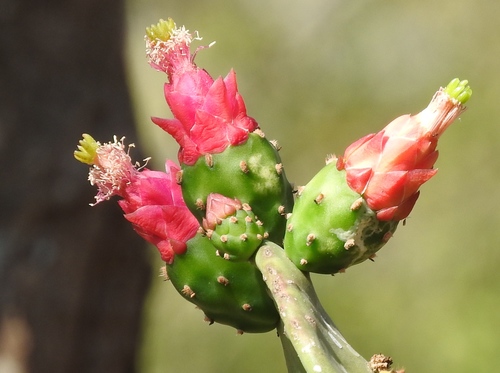
Cochineal Nopal Cactus
speciesOpuntia cochenillifera
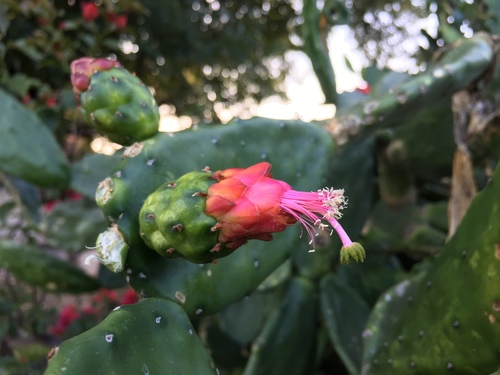
Hummingbird Nopal
speciesOpuntia karwinskiana
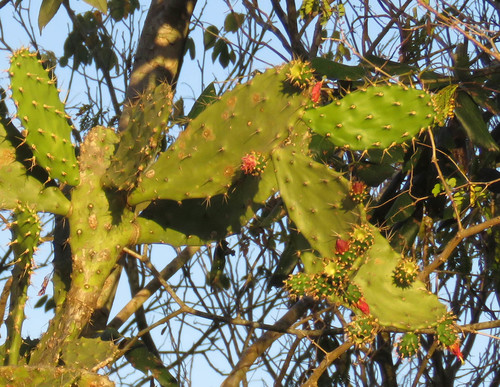
Opuntia inaperta
speciesOpuntia inaperta
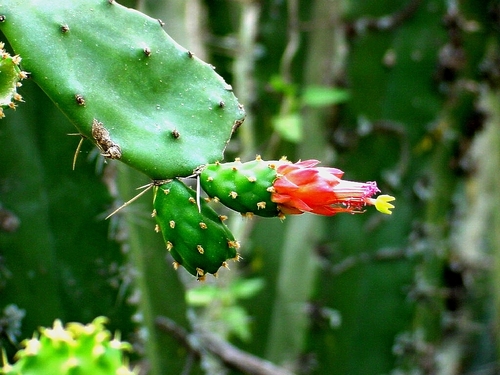
Opuntia dejecta
speciesOpuntia dejecta
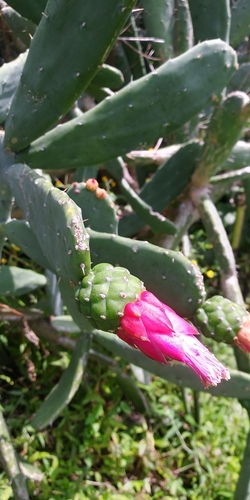
Opuntia auberi
speciesOpuntia auberi
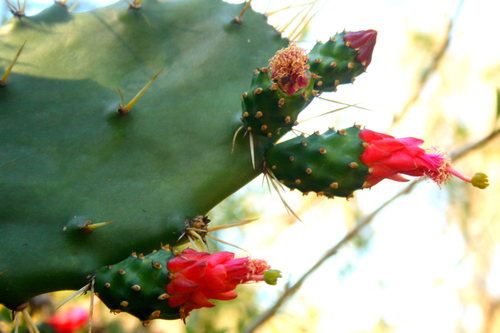
Opuntia guatemalensis
speciesOpuntia guatemalensis

Opuntia lutea
speciesOpuntia lutea
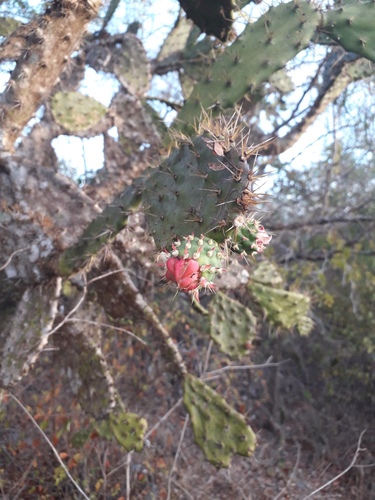
Opuntia gaumeri
speciesOpuntia gaumeri
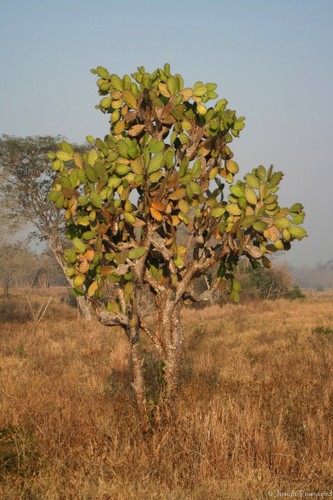
Opuntia hondurensis
speciesOpuntia hondurensis

Opuntia nuda
speciesOpuntia nuda
Opuntia escuintlensis
speciesOpuntia escuintlensis
Where it lives
Recorded sightings
—
geo-referenced records in GBIF, from museums, herbaria and field observers.
Drag the globe to turn it. Dots are where records exist, not a range map; darker means more records.
In the stacks
Searching the stacks…
Every page naming Nopalea in the Biodiversity Heritage Library →
This page is assembled live from iNaturalist, GBIF, Wikipedia, the Source Library and the Internet Archive. It is not yet part of the hand-edited codex. iNaturalist taxon 1491691.