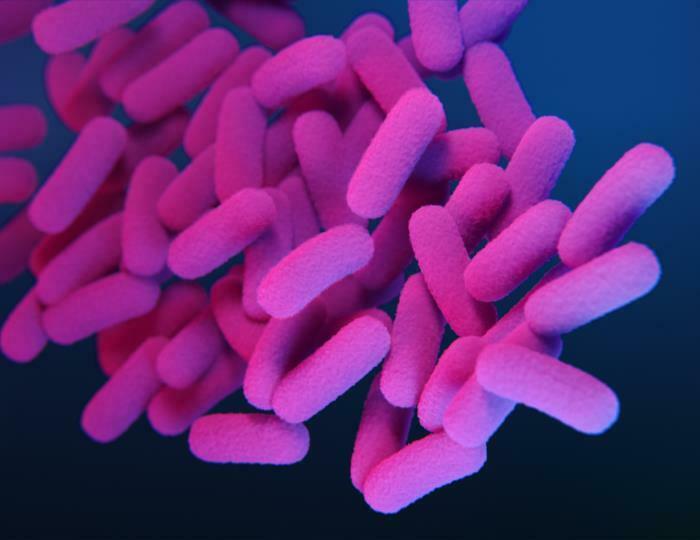
Pertussis Bacteria
Bordetella pertussis
Bordetella pertussis is a Gram-negative, aerobic, pathogenic, encapsulated coccobacillus bacterium of the genus Bordetella. It is the causative agent of pertussis or whooping cough. Despite widespread vaccination, B. pertussis continues to cause illness and death worldwide due to declining immunity and pathogen adaptation. Its virulence factors include pertussis toxin, adenylate cyclase toxin, filamentous haemagglutinin, pertactin, pili, and tracheal cytotoxin.
B. pertussis is an obligate human pathogen and is transmitted through airborne droplets. After exposure, it takes on average 5-10 days for symptoms to appear with the longest duration being 20 days. The bacterium attaches to the ciliated epithelial cells lining the respiratory tract using specialized surface proteins to remain in place. It then releases toxins that disrupt normal cellular functions and cause symptoms in its human host, the only known reservoir for B. pertussis.
Where it lives
Recorded sightings
—
geo-referenced records in GBIF, from museums, herbaria and field observers.
Drag the globe to turn it. Dots are where records exist, not a range map; darker means more records.
In the stacks
Searching the stacks…
Every page naming Bordetella pertussis in the Biodiversity Heritage Library →
This page is assembled live from iNaturalist, GBIF, Wikipedia, the Source Library and the Internet Archive. It is not yet part of the hand-edited codex. iNaturalist taxon 1498489.