- Plants
- ›Vascular Plants
- ›flowering plants
- ›Dicots
- ›Nances, Willows, and Allies
- ›St. John's wort family
- ›St. John's worts tribe
- ›Hypericum
- ›Hypericum
Erecta
This list of Latin and Greek words commonly used in systematic names is intended to help those unfamiliar with classical languages to understand and remember the scientific names of organisms. The binomial nomenclature used for animals and plants is largely derived from Latin and Greek words, as are some of the names used for higher taxa, such as orders and above. At the time when biologist Carl Linnaeus (1707–1778) published the books that are now accepted as the starting point of binomial nomenclature, Latin was used in Western Europe as the common language of science, and scientific names were in Latin or Greek: Linnaeus continued this practice.
While learning Latin is now less common, it is still used by classical scholars, and for certain purposes in botany, medicine and the Roman Catholic Church, and it can still be found in scientific names. It is helpful to be able to understand the source of scientific names. Although the Latin names do not always correspond to the current English common names, they are often related, and if their meanings are understood, they are easier to recall. The binomial name often reflects limited knowledge or hearsay about a species at the time it was named. For instance Pan troglodytes, the chimpanzee, and Troglodytes troglodytes, the wren, are not necessarily cave-dwellers.
24 branches of this group, most-observed first
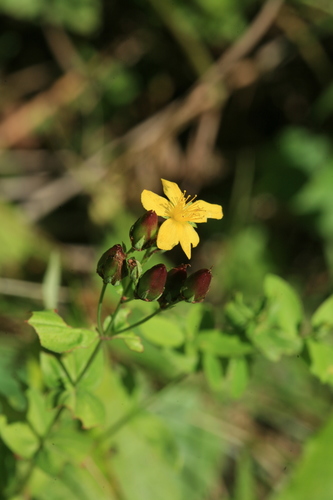
upright St. John's wort
speciesHypericum erectum

Hypericum taihezanense
speciesHypericum taihezanense
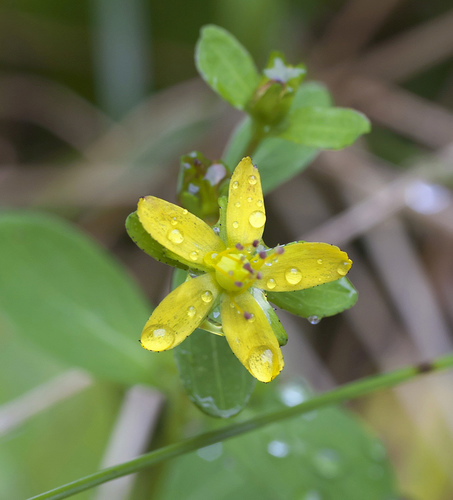
Hypericum pseudopetiolatum
speciesHypericum pseudopetiolatum
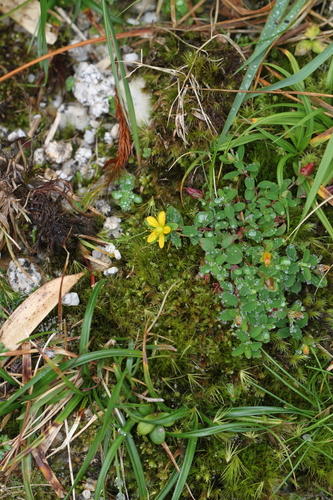
Hypericum kiusianum
speciesHypericum kiusianum
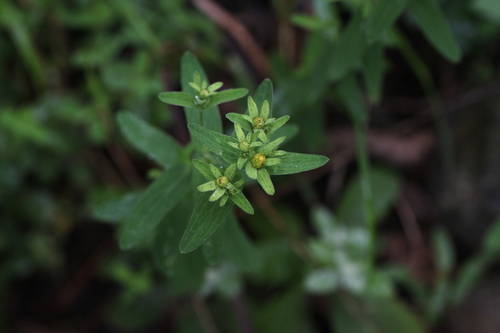
Hypericum hakonense
speciesHypericum hakonense
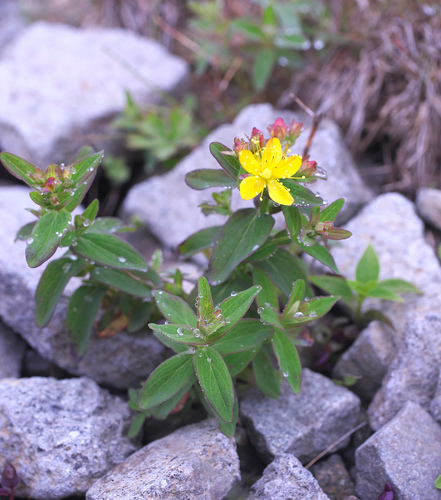
Hypericum nikkoense
speciesHypericum nikkoense
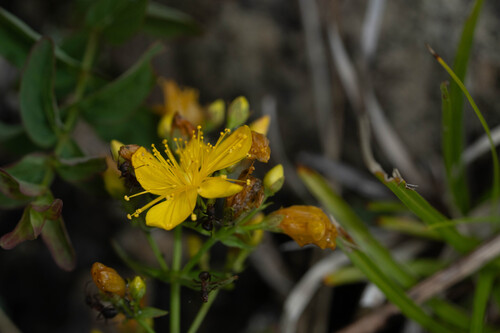
Hypericum watanabei
speciesHypericum watanabei
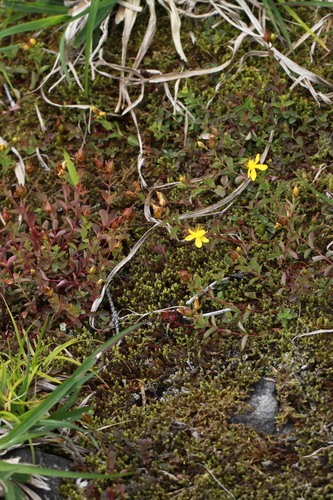
Hypericum yojiroanum
speciesHypericum yojiroanum
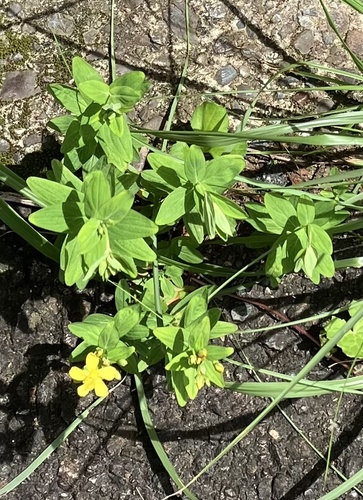
Hypericum hachijyoense
speciesHypericum hachijyoense
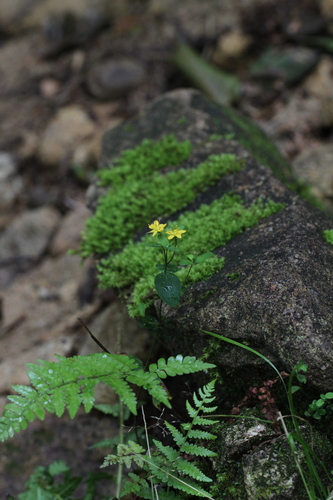
Hypericum gracillimum
speciesHypericum gracillimum
Hypericum × hyugamontanum
hybridHypericum × hyugamontanum
Hypericum nuporoense
speciesHypericum nuporoense
Hypericum ovalifolium
speciesHypericum ovalifolium
Hypericum pseudoerectum
speciesHypericum pseudoerectum
Hypericum vulcanicum
speciesHypericum vulcanicum
Hypericum yamamotoanum
speciesHypericum yamamotoanum
Hypericum yamamotoi
speciesHypericum yamamotoi
Hypericum furusei
speciesHypericum furusei
Hypericum kawaranum
speciesHypericum kawaranum
Hypericum kimurae
speciesHypericum kimurae
Hypericum kinashianum
speciesHypericum kinashianum
Hypericum kitamense
speciesHypericum kitamense
Hypericum kurodakeanum
speciesHypericum kurodakeanum
Hypericum asahinae
speciesHypericum asahinae
Where it lives
Recorded sightings
—
geo-referenced records in GBIF, from museums, herbaria and field observers.
Drag the globe to turn it. Dots are where records exist, not a range map; darker means more records.
In the old herbals & bestiaries

Living Images of Plants
Otto Brunfels · 1532 · p.95

Herbarius latinus (with Dutch synonyms)
1486 · p.299

The Great Herbary with all the figures of the herbs
1532 · p.307

Notable Commentaries on the History of Plants
Leonhart Fuchs · 1549 · p.292

The Flowering Garden: Autumn
Crispijn van de Passe · 1616 · p.30

The Flowering Garden: Autumn
Crispijn van de Passe · 1616 · p.32
In the stacks
Searching the stacks…
Every page naming Erecta in the Biodiversity Heritage Library →
This page is assembled live from iNaturalist, GBIF, Wikipedia, the Source Library and the Internet Archive. It is not yet part of the hand-edited codex. iNaturalist taxon 1503796.