- Fungi Including Lichens
- ›Basidiomycete Fungi
- ›Higher Basidiomycetes
- ›Mushrooms, Bracket Fungi, Puffballs, and Allies
- ›Agaricomycetidae
- ›Common Gilled Mushrooms and Allies
- ›Agaricineae
- ›Galeropsidaceae
- ›Panaeolus
Copelandia
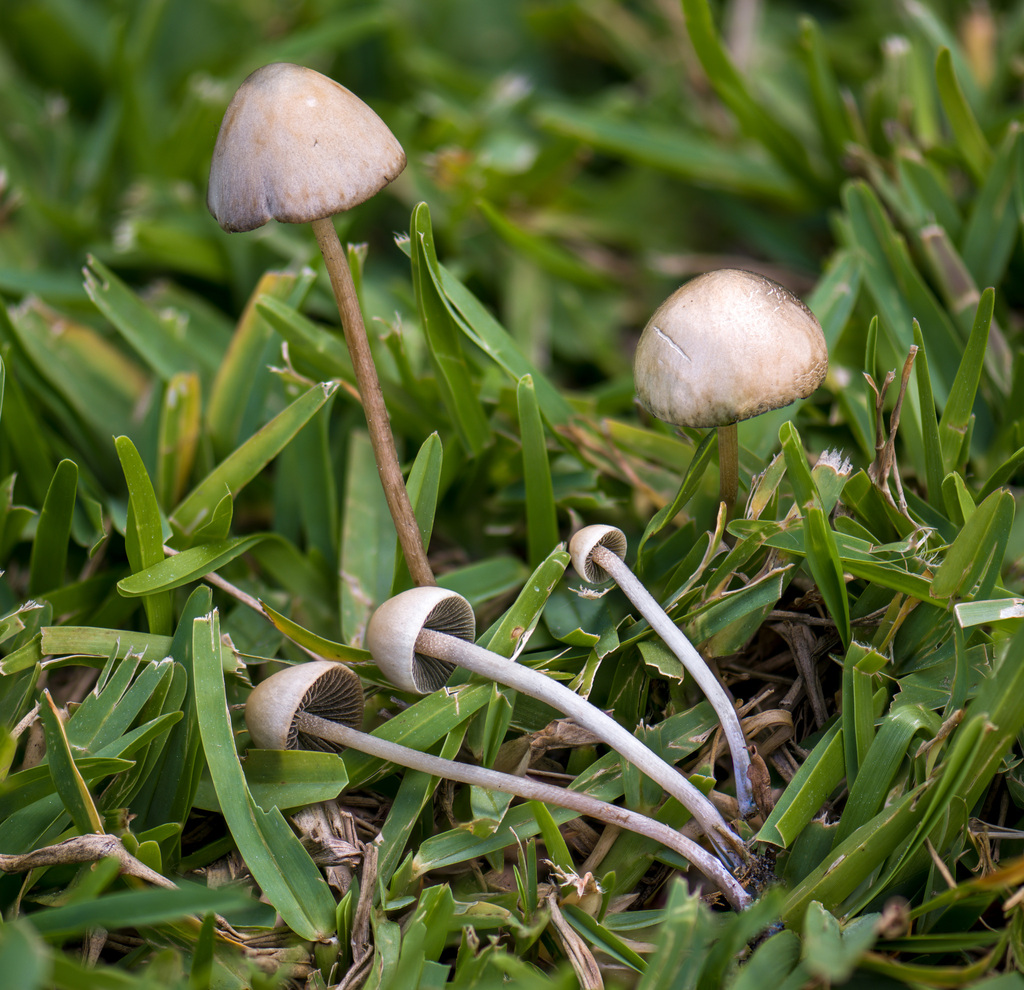
Copelandia is a now deprecated genus of mushrooms consisting of at least 12 species. Many American mycologists previously placed members of Panaeolus which stain blue into Copelandia, whilst European mycologists generally used the name Panaeolus instead. Now all mushrooms previously categorised under Copelandia are universally classified in Panaeolus. The genus Copelandia was created as a subgenus of Panaeolus by Abbé Giacomo Bresadola (1847–1929) in honor of Edwin Bingham Copeland (1873–1964), an American who gathered fungi in the Philippines and sent some collections to Bresadola.
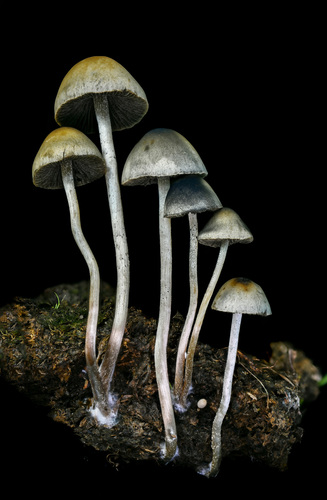
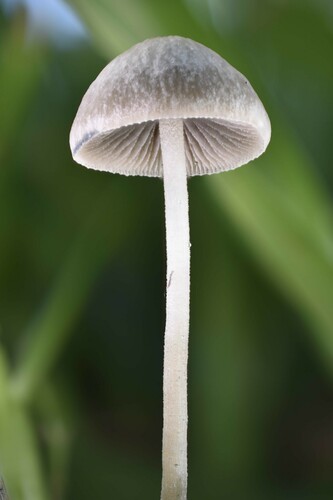
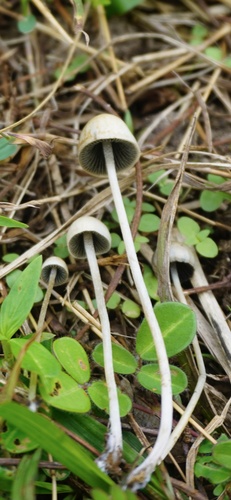
Copelandia species are white to gray or tan, usually with long, thin fragile stem and are delicate. They are found in the tropics and neotropics of both hemispheres, growing in grasslands, on dead moss, dead grass, sand dunes, decayed wood, and dung. Blue staining on the caps and stems can often be observed where the mushroom has been bruised due to psilocin content. The cap is never viscid and often develops a cracked appearance as it dries out. None of the mushrooms in Copelandia have a partial veil and the gills always have thick walled pseudocystidia, often with crystals at the ends. Chrysocystidia are never present.
8 branches of this group, most-observed first
Blue Meanies
speciesPanaeolus cyanescens

Panaeolus bisporus
speciesPanaeolus bisporus
Panaeolus chlorocystis
speciesPanaeolus chlorocystis

Panaeolus cambodginiensis
speciesPanaeolus cambodginiensis
Panaeolus tropicalis
speciesPanaeolus tropicalis
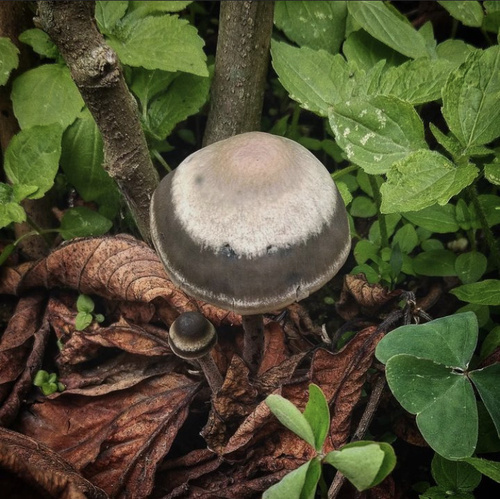
Panaeolus sp. 'IND01'
speciesPanaeolus sp. 'IND01'
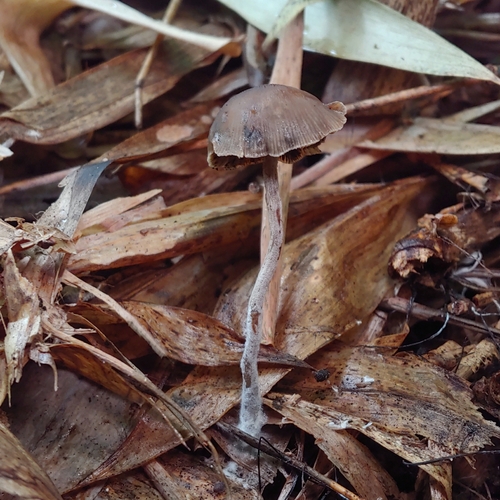
Panaeolus mexicanus
speciesPanaeolus mexicanus
Panaeolus axfordii
speciesPanaeolus axfordii
Where it lives
Recorded sightings
—
geo-referenced records in GBIF, from museums, herbaria and field observers.
Drag the globe to turn it. Dots are where records exist, not a range map; darker means more records.
In the stacks
Searching the stacks…
Every page naming Copelandia in the Biodiversity Heritage Library →
This page is assembled live from iNaturalist, GBIF, Wikipedia, the Source Library and the Internet Archive. It is not yet part of the hand-edited codex. iNaturalist taxon 1672045.