- Animals
- ›Arthropods
- ›Hexapods
- ›Insects
- ›Winged and Once-winged Insects
- ›Butterflies and Moths
- ›Owlet Moths and Allies
- ›Underwing, Tiger, Tussock, and Allied Moths
- ›Tussock Moths
- ›Orgyiini
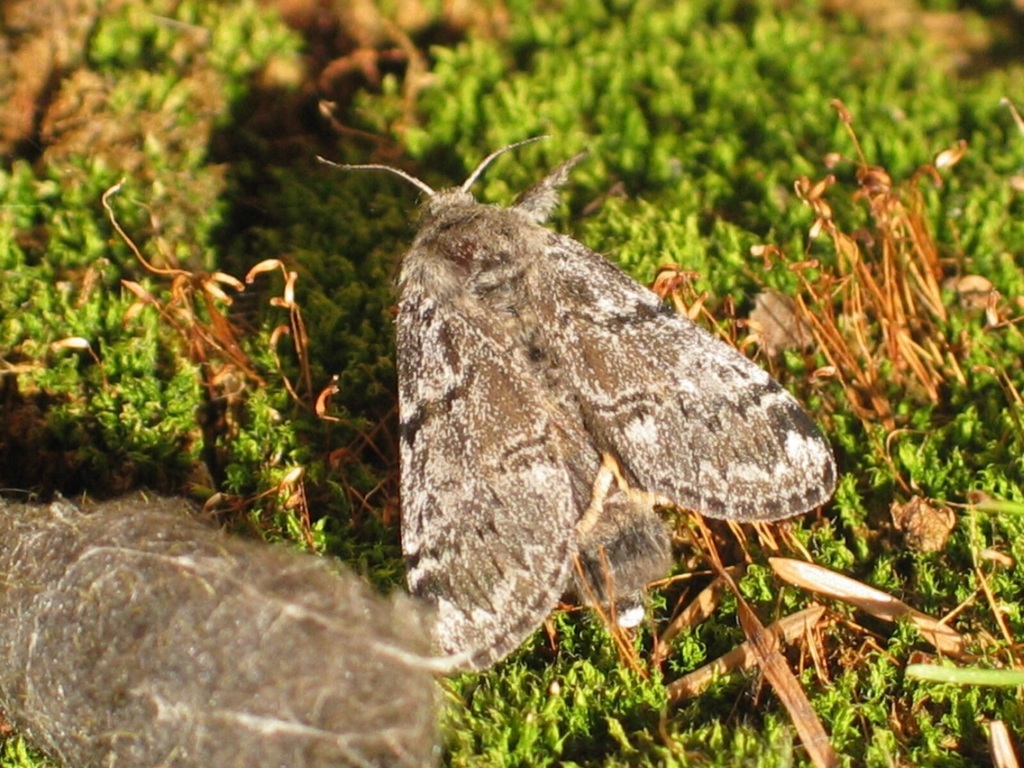
Gynaephora
Gynaephora is a genus of "tussock moths", also known as the Lymantriinae, within the family Erebidae. They are mainly found in the Holarctic in alpine, Arctic and Subarctic regions, and are best known for their unusually long larval development period. The life-cycle of Gynaephora groenlandica was once believed to take fourteen years, but subsequent studies reduced it to seven, still a very slow development rate that is extremely rare in the Lepidoptera. The caterpillars have five instars, with each instar lasting a year.
13 branches of this genus, most-observed first

Dark Tussock
speciesGynaephora fascelina
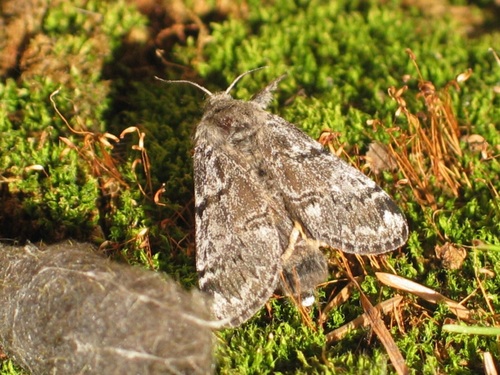
Ross' Tussock Moth
speciesGynaephora rossii
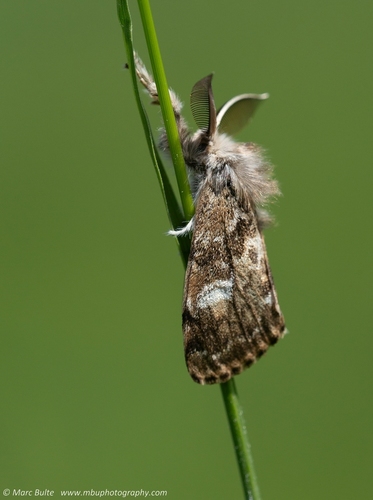
Larch Tussock Moth
speciesGynaephora selenitica
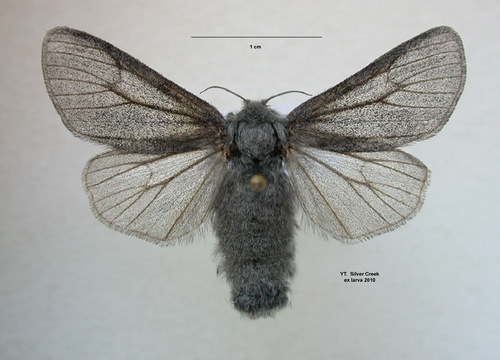
Arctic Woolly Bear Moth
speciesGynaephora groenlandica
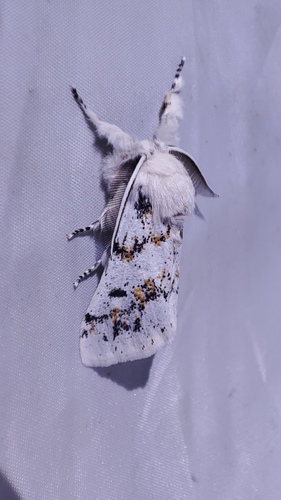
Gynaephora angelus
speciesGynaephora angelus
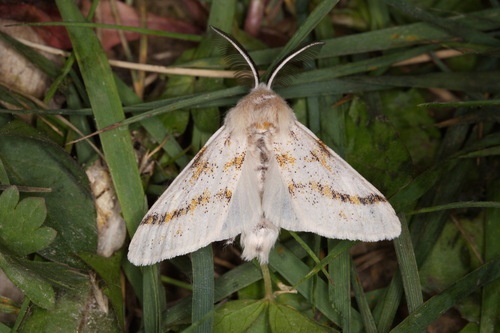
Gynaephora nivalis
speciesGynaephora nivalis
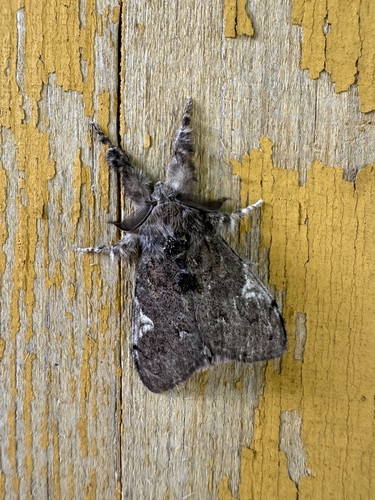
Gynaephora olga
speciesGynaephora olga
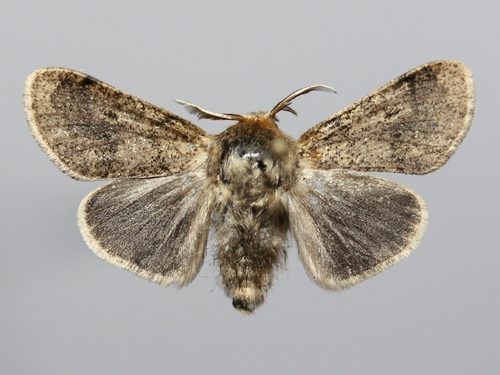
Gynaephora pumila
speciesGynaephora pumila
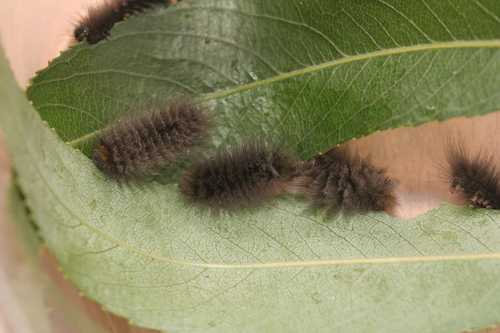
Gynaephora relictus
speciesGynaephora relictus
Gynaephora aureata
speciesGynaephora aureata
Gynaephora minor
speciesGynaephora minor
Gynaephora qinghaiensis
speciesGynaephora qinghaiensis
Gynaephora rouergensis
speciesGynaephora rouergensis
Where it lives
Recorded sightings
—
geo-referenced records in GBIF, from museums, herbaria and field observers.
Drag the globe to turn it. Dots are where records exist, not a range map; darker means more records.
In the stacks
Searching the stacks…
Every page naming Gynaephora in the Biodiversity Heritage Library →
This page is assembled live from iNaturalist, GBIF, Wikipedia, the Source Library and the Internet Archive. It is not yet part of the hand-edited codex. iNaturalist taxon 178036.