 NL·0399
Herbarium of the Nature Library
- Name
- Cirrhinus mrigala
- Family
- Cyprinidae
- Native to
- Rivers of northern India, Pakistan, Bangladesh and Nepal (Indus, Ganges and Brahmaputra basins); widely stocked in reservoirs and ponds
- Habitat
- Large rivers, Reservoirs, Ponds
Mrigal carp
Cirrhinus mrigala
Also calledMrigel মৃগেল (Bengali) · Nain नैन (Hindi) · Mori موری (Punjabi/Urdu)
The bottom-feeding member of the Indian major carp trio. It grazes the detritus and algae on the pond floor beneath rohu and catla.
Cirrhinus mrigala is a species of ray-finned fish in the genus Cirrhinus. It is found in northern India, Pakistan, Bangladesh and Nepal. This species and the Mrigal carp are both considered distinct. Wikipedia
What it can do
- iFeeds on decaying organic matter and algae on the bottom, recycling nutrients that other farmed carps cannot use
- iiTolerates a wide range of temperatures and low water quality
- iiiBreeds readily in hatcheries after hormone injection
In the field
Field marks
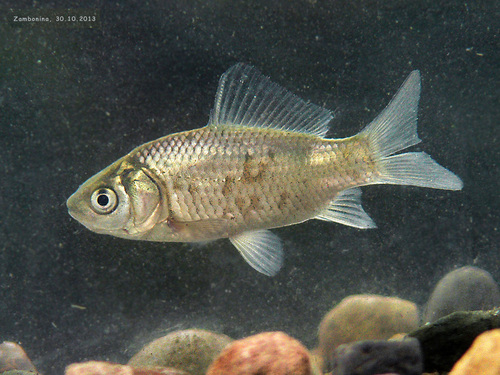
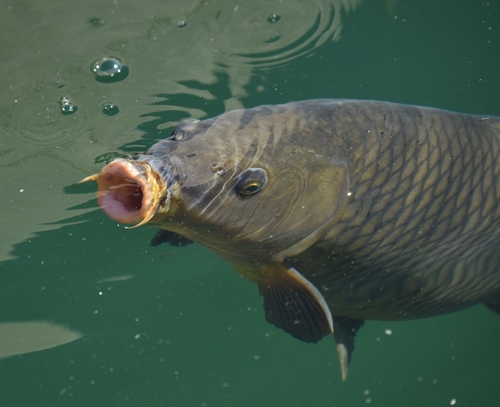
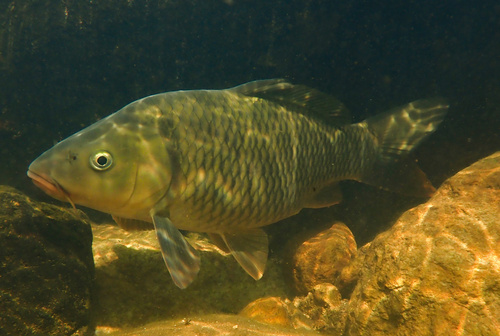
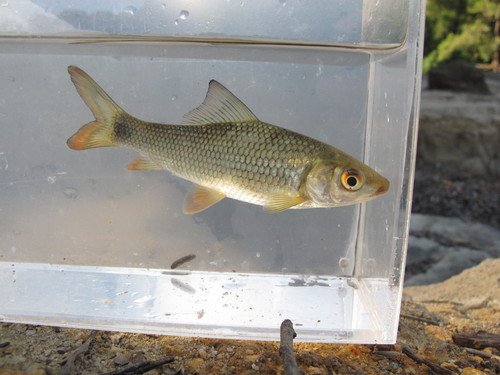
- aSlender, streamlined silvery body with a dark grey back
- bPectoral, pelvic and anal fins tipped orange-red, brighter in the breeding season
- cBlunt snout with thin, unfringed lips and one pair of short barbels
- dEyes golden
- Not to be confused with
- Rohu has a deeper body, reddish scale centres and thick fringed lips. The white carp (Cirrhinus cirrhosus) of peninsular India is very similar and is told apart by details of scales and fins.
- Where to see it
- Fish markets and ponds across West Bengal, Bangladesh and Punjab; reservoirs of the Gangetic plain
- When
- Resident; spawns June–August with the monsoon floods
Life & habits
- Diet
- Detritus, decaying plant matter, benthic algae and small invertebrates
- Habitat
- Lower layers of rivers, reservoirs and ponds
- Size
- Commonly 40–60 cm; up to about 1 m and 12 kg
- Lifespan
- Up to about 12 years
Moves in schools along the bottom sifting mud; wild fish spawn in flooded river margins during the monsoon.
Where it lives
Recorded sightings
—
geo-referenced records in GBIF, from museums, herbaria and field observers.
Native range
Rivers of northern India, Pakistan, Bangladesh and Nepal (Indus, Ganges and Brahmaputra basins); widely stocked in reservoirs and ponds
Drag the globe to turn it. Dots are where records exist, not a range map; darker means more records.
In the stacks
Searching the stacks…
Every page naming Cirrhinus mrigala in the Biodiversity Heritage Library →
Marginalia
Buchanan-Hamilton's 1822 account of Ganges fishes recorded mrigal under its local name. Rohu–catla–mrigal 'composite fish culture' was developed by Indian fisheries scientists from the 1960s and spread across South Asia.
Curiosity
Because each species feeds in a different layer, a pond stocked with catla, rohu and mrigal together gives a bigger harvest than the same pond stocked with only one of them.
Kinship


Photographs: iNaturalist contributors under the licences shown. Records: GBIF.org. Historical plates: Source Library (CC BY-SA 4.0; originals public domain). Summary text: Nature Library editors and Wikipedia (CC BY-SA). Medicinal and edibility notes are historical and educational, not advice. iNaturalist taxon 187240.