- Animals
- ›Arthropods
- ›Chelicerates
- ›Arachnids
- ›Mites and Ticks
- ›Parasitiformes
- ›Mesostigs
- ›Monogynaspida
- ›Gamasina
- ›Dermanyssiae
- ›Dermanyssoidea
- ›Laelapidae
- ›Varroinae
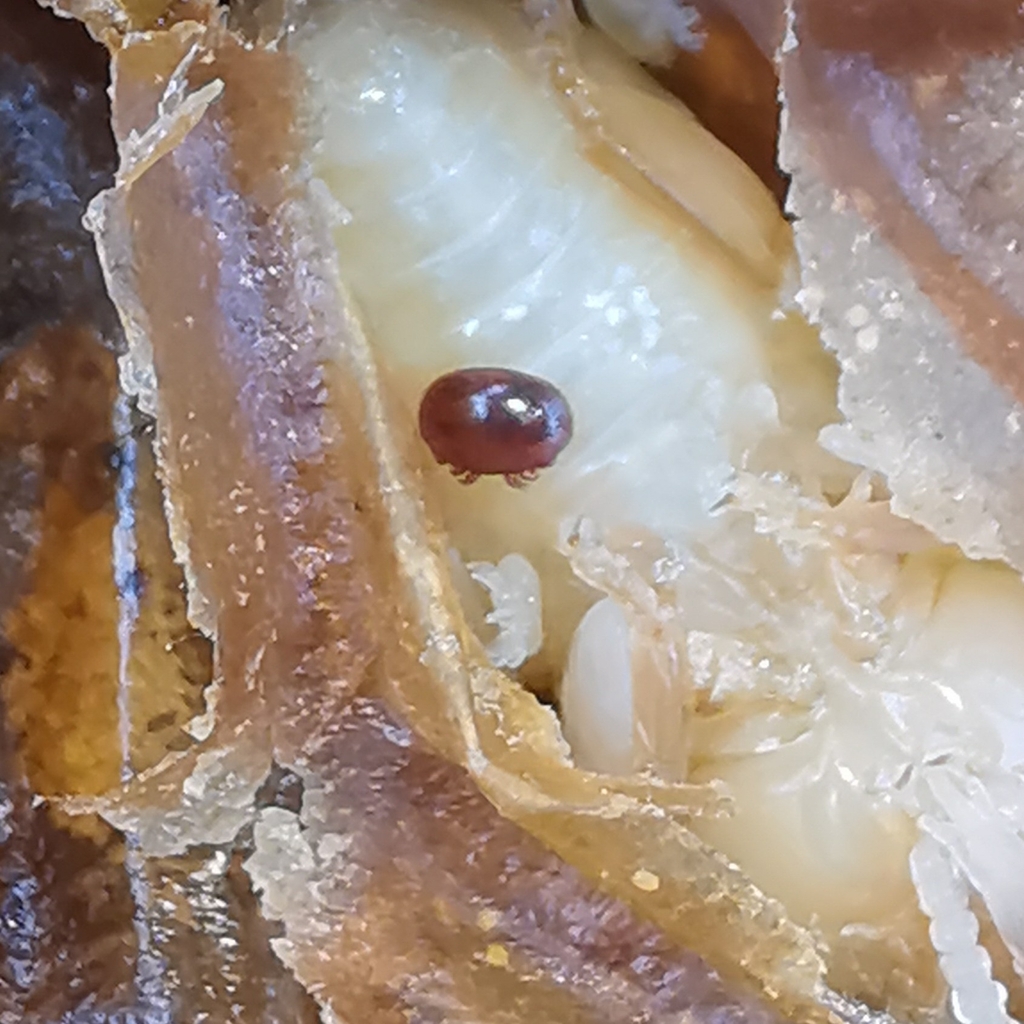
Varroa Mites
Varroa
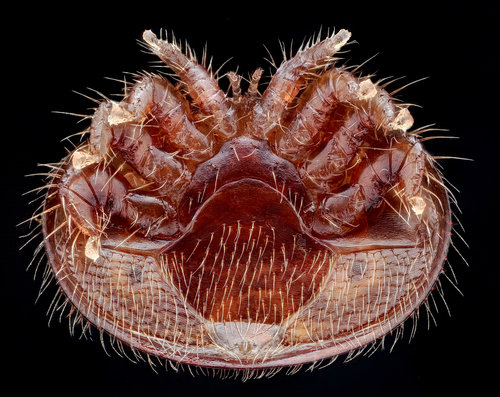
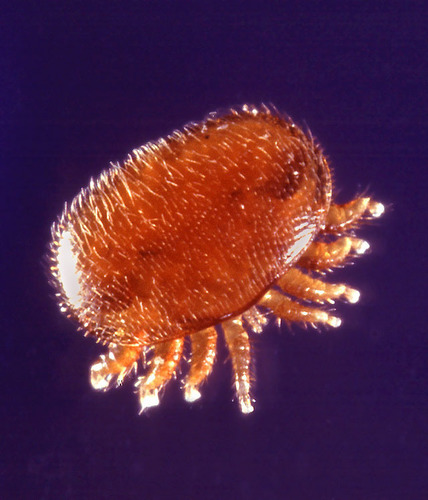
Varroa is a genus of parasitic mesostigmatan mites associated with honey bees, originally placed into its own family, Varroidae, but later revised as a subfamily. The genus was named for Marcus Terentius Varro, a Roman scholar and beekeeper. The condition of a honeybee colony being infested with Varroa mites is called varroosis (also, incorrectly, varroatosis).
Varroa mites, but especially the species Varroa destructor, are recognised as the biggest pest to honeybees worldwide due to their ability to transmit diseases such as deformed wing virus (or DWV) to larval or pupating bees, resulting in death or severe deformity of the pupae.
Where it lives
Recorded sightings
—
geo-referenced records in GBIF, from museums, herbaria and field observers.
Drag the globe to turn it. Dots are where records exist, not a range map; darker means more records.
In the stacks
Searching the stacks…
Every page naming Varroa in the Biodiversity Heritage Library →
This page is assembled live from iNaturalist, GBIF, Wikipedia, the Source Library and the Internet Archive. It is not yet part of the hand-edited codex. iNaturalist taxon 194696.