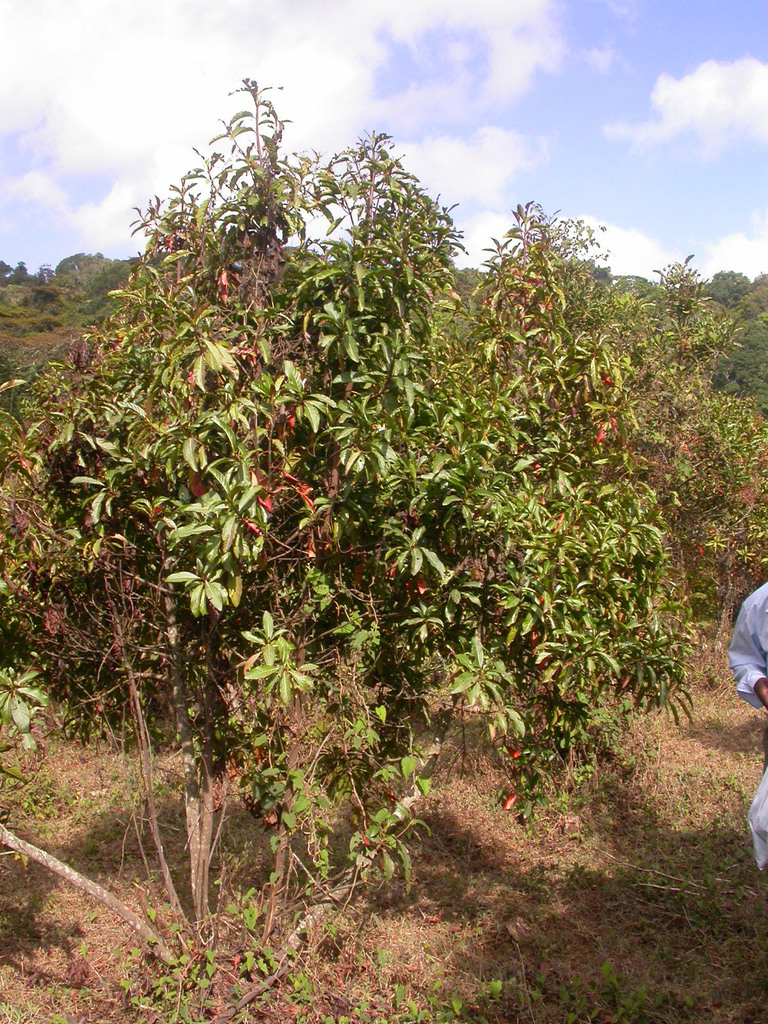
 NL·0147
Herbarium of the Nature Library
- Name
- Cinchona officinalis
- Family
- Rubiaceae
- Native to
- Montane forests of the Andes in southern Ecuador and northern Peru
- Habitat
- Montane cloud forest
Quinine tree
Cinchona officinalis
Also calledCascarilla (Spanish, Andes) · Quina-quina (Quechua-derived) · Jesuits' bark / Peruvian bark (English) · Chinarinde (German) · Jīnjīnà shù 金鸡纳树 (Chinese)
A small Andean cloud-forest tree whose bitter bark gave the world quinine, the first effective treatment for malaria. That trade shaped empires, and Britain and the Netherlands smuggled seeds out of South America to found plantations in India and Java.
Cinchona officinalis is a South American tree in the family Rubiaceae. It is native to wet montane forests in Colombia, Ecuador, Peru and Bolivia, between 1600–2700 meters above sea level. It is the national tree of Peru. Wikipedia
What it can do
- iBark contains quinine and quinidine, alkaloids toxic to malaria parasites and active on heart rhythm
- iiGrows in the misty mid-elevation Andes, roughly 1,600–2,700 m
- iiiWinged seeds are carried by wind across mountain slopes
At the table
Bark is not food. The small amount of quinine in tonic water is safe for most people, but bark preparations and quinine overdose are dangerous.
In the medicine cabinet
| Tradition | Use |
|---|---|
| Andean traditional medicine | Bark for fevers and chills; whether it was used before the Spanish arrived is debated by historians |
| European medicine | 'Jesuits' powder' for intermittent fevers (malaria) from the 1630s; the decisive drug against malaria for three centuries |
| Modern medicine | Quinine for severe or resistant malaria (now largely replaced by artesunate); quinidine as an antiarrhythmic |
Weight of evidence
Strong. An approved drug, or consistent results in well-run clinical trials.
Active compounds
quinine, quinidine, cinchonine, cinchonidine, quinic acid, cinchotannic acid
Fruit & seed


Fruit
Capsule
Ripens: Variable (tropical montane)
Small oblong dry capsule splitting from the base.
Seed
~4–6 mm including wing
Flat seeds with a papery wing
- Dispersal
- Wind
- Germination
- Surface-sow on moist, shaded, acidic medium; 2–4 weeks at 20–25 °C
Photographs from Wikimedia Commons under open licences; hover for the photographer, click for the file.
How to grow it
Hardiness (USDA zones)
USDA 10–11 (frost-free highland climates). Survives winters down to about -1 °C.
- Light
- Part shade when young; sun later
- Water
- High; constant humidity
- Soil
- Deep, acidic, humus-rich, well-drained
- Propagation
- Seed or cuttings
- To harvest
- Bark from trees 6–10 years old
- Climates
- Tropical montane
- 1Sow on the surface of sterile, acidic compost in high humidity
- 2Grow seedlings under shade cloth and mist frequently
- 3Plant out on cool, misty, frost-free slopes
- 4Bark was traditionally stripped in sections or the trees were coppiced
Can it grow where you are?
Where it lives
Recorded sightings
—
geo-referenced records in GBIF, from museums, herbaria and field observers.
Native range
Montane forests of the Andes in southern Ecuador and northern Peru
Drag the globe to turn it. Dots are where records exist, not a range map; darker means more records.
In the old herbals & bestiaries
Woodcuts and engravings matched from the Source Library’s scanned books by name. Plates marked “relative” show a close kin rather than this exact species. Click a plate to read the page it came from, with translation.

Tractado de las Drogas y Medicinas de las Indias Orientales
Cristóvão da Costa · 1578 · p.109

The Embassy of the Dutch East India Company to the Tartar Cham
Johan Nieuhof · 1665 · p.417

Illustrated Compendium of Materia Medica (Vol. 21)
吳其濬 · 1848 · p.101

Tractado de las Drogas y Medicinas de las Indias Orientales
Cristóvão da Costa · 1578 · p.110

Collected Illustrations of the Three Realms: Herbs
王圻, 王思義 · 1607 · p.68

Collected Illustrations of the Three Realms: Plants and Trees
王圻, 王思義 · 1609 · p.74

Sancai Tuhui (Vol. 106)
王圻, 王思義 · 1609 · p.58

Thesaurus of Medical Things of New Spain, or History of Mexican Plants, Animals, and Minerals
Francisco Hernández; Nardo Antonio Recchi (ed.) · 1651 · p.241

Treasury of Medical Matters of New Spain
Francisco Hernández · 1651 · p.260

Flora Sinensis (Chinese-Latin Natural History)
Michał Boym · 1656 · p.55
In the stacks
Searching the stacks…
Every page naming Cinchona officinalis in the Biodiversity Heritage Library →
Marginalia
Linnaeus named the genus in 1742 after the Countess of Chinchón, who legend said was cured of fever in Lima around 1638, a story historians now doubt. He also misspelled her title. A cinchona tree appears on the national coat of arms of Peru.
Curiosity
Quinine glows bright blue under ultraviolet light, which is why a gin and tonic fluoresces under a blacklight.
Kinship
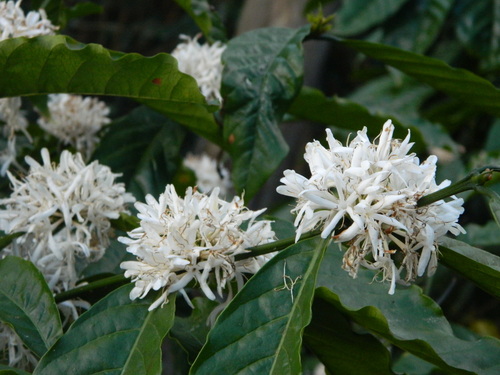

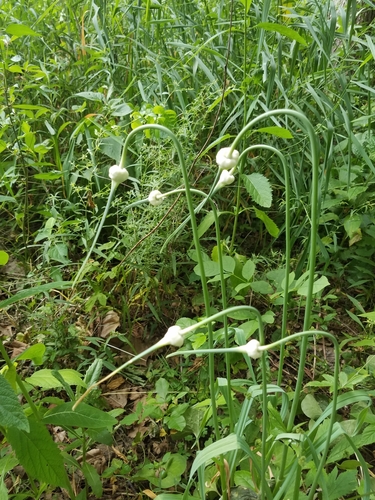


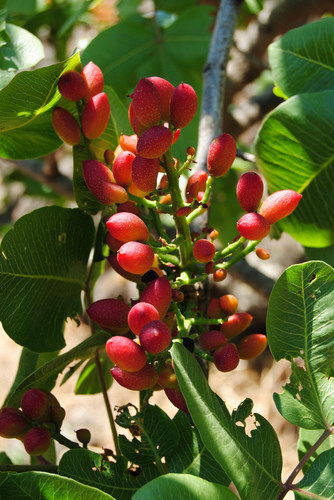
Photographs: iNaturalist contributors under the licences shown. Records: GBIF.org. Historical plates: Source Library (CC BY-SA 4.0; originals public domain). Summary text: Nature Library editors and Wikipedia (CC BY-SA). Medicinal and edibility notes are historical and educational, not advice. iNaturalist taxon 286148.