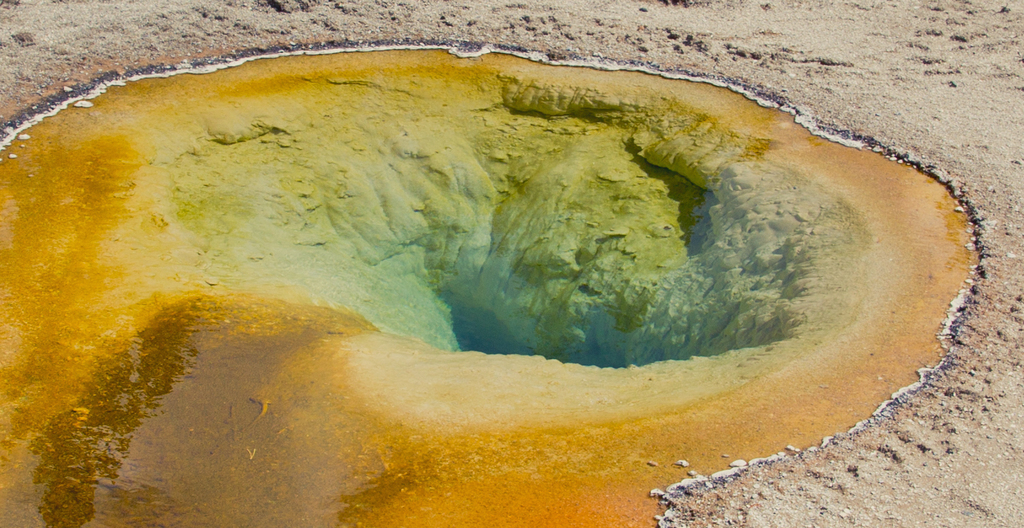
Synechococcus
Synechococcus (from the Greek synechos, in succession, and the Greek kokkos, granule) is a unicellular cyanobacterium that is very widespread in the marine environment. Its size varies from 0.8 to 1.5 µm. The photosynthetic coccoid cells are preferentially found in well–lit surface waters where it can be very abundant (generally 1,000 to 200,000 cells per ml). Many freshwater species of Synechococcus have also been described.
4 branches of this genus, most-observed first
Synechococcus nidulans
speciesSynechococcus nidulans
Synechococcus elongatus
speciesSynechococcus elongatus
Synechococcus sigmoideus
speciesSynechococcus sigmoideus
Synechococcus leopoliensis
speciesSynechococcus leopoliensis
Where it lives
Recorded sightings
—
geo-referenced records in GBIF, from museums, herbaria and field observers.
Drag the globe to turn it. Dots are where records exist, not a range map; darker means more records.
In the stacks
Searching the stacks…
Every page naming Synechococcus in the Biodiversity Heritage Library →
This page is assembled live from iNaturalist, GBIF, Wikipedia, the Source Library and the Internet Archive. It is not yet part of the hand-edited codex. iNaturalist taxon 356581.