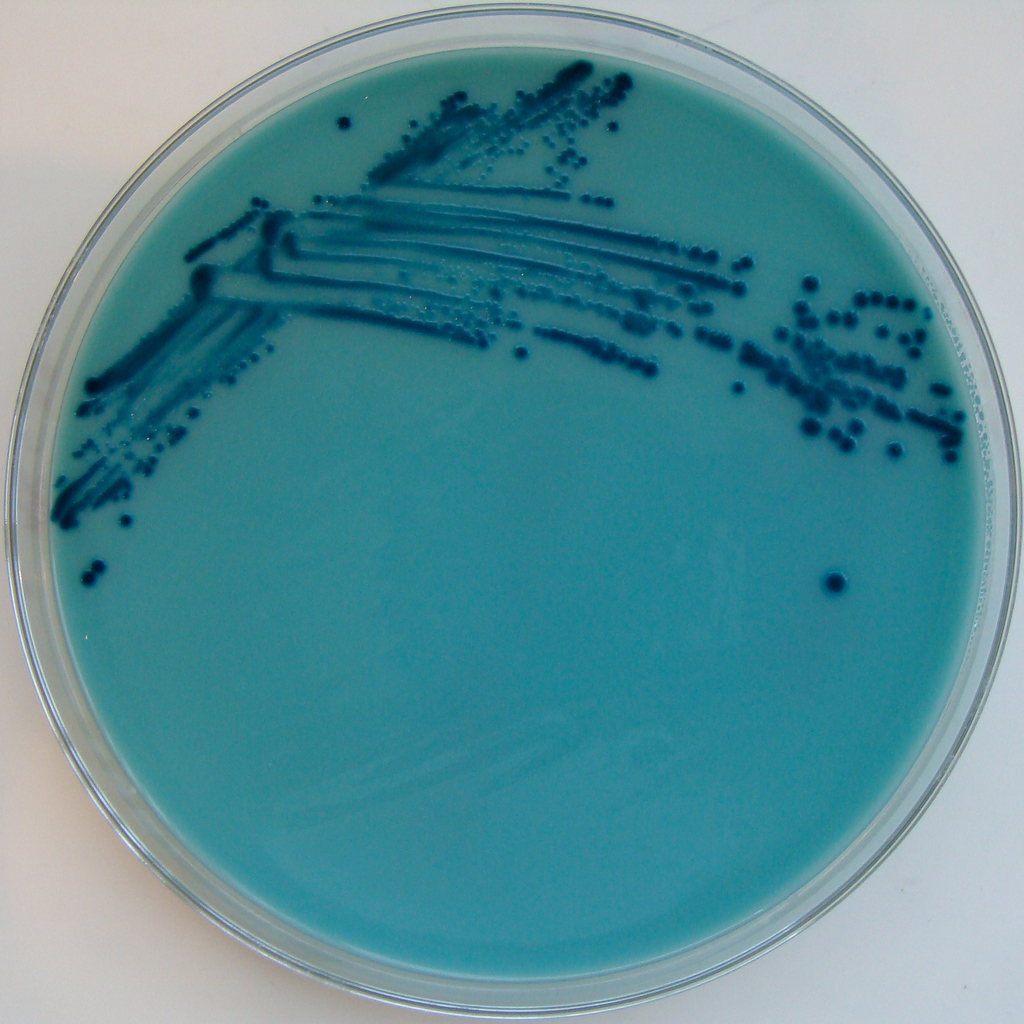
Enterobacter
Enterobacter is a genus of Gram-negative, facultatively anaerobic, rod-shaped, non-spore-forming bacteria in the family Enterobacteriaceae. Enterobacter spp. are found in soil, water, sewage, feces and gut environments. It is the type genus of the order Enterobacterales. Several strains of these bacteria are pathogenic and cause opportunistic infections in immunocompromised (usually hospitalized) hosts and in those who are on mechanical ventilation. The urinary and respiratory tracts are the most common sites of infection. The genus Enterobacter is a member of the coliform group of bacteria. It does not belong to the fecal coliforms (or thermotolerant coliforms) group of bacteria, unlike Escherichia coli, because it is incapable of growth at 44.5 °C in the presence of bile salts. Some of them show quorum sensing properties.
One clinically important species from this genus is E. cloacae.
11 branches of this genus, most-observed first
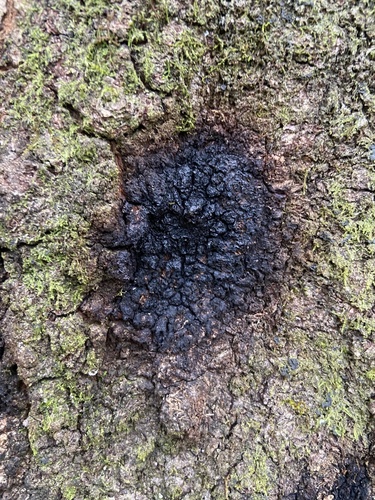
Enterobacter cloacae
speciesEnterobacter cloacae
Enterobacter nimipressuralis
speciesEnterobacter nimipressuralis
Enterobacter agglomerans
speciesEnterobacter agglomerans
Enterobacter asburiae
speciesEnterobacter asburiae
Enterobacter bugandensis
speciesEnterobacter bugandensis
Enterobacter cancerogenus
speciesEnterobacter cancerogenus
Enterobacter kobei
speciesEnterobacter kobei
Enterobacter ludwigii
speciesEnterobacter ludwigii
Enterobacter massiliensis
speciesEnterobacter massiliensis
Enterobacter mori
speciesEnterobacter mori
Enterobacter hormaechei
speciesEnterobacter hormaechei
Where it lives
Recorded sightings
—
geo-referenced records in GBIF, from museums, herbaria and field observers.
Drag the globe to turn it. Dots are where records exist, not a range map; darker means more records.
In the stacks
Searching the stacks…
Every page naming Enterobacter in the Biodiversity Heritage Library →
This page is assembled live from iNaturalist, GBIF, Wikipedia, the Source Library and the Internet Archive. It is not yet part of the hand-edited codex. iNaturalist taxon 357084.