 NL·0618
Herbarium of the Nature Library
- Name
- Hydrurga leptonyx
- Family
- Phocidae
- Native to
- Antarctic and sub-Antarctic waters, especially the pack ice; vagrants reach South America, South Africa, Australia and New Zealand
- Habitat
- Pack ice, Polar seas
Leopard seal
Hydrurga leptonyx
Also calledFoca leopardo (Spanish) · Leopardo-marinho (Portuguese) · Sea leopard
The apex predator among Antarctic seals, a sleek, reptilian-headed hunter famous for ambushing penguins at the ice edge. It also sieves huge quantities of krill through intricately lobed cheek teeth. It is the only seal that regularly hunts other warm-blooded animals.
The leopard seal, also referred to as the sea leopard, is a long and muscular seal native to the Southern Ocean of Antarctica and southern Patagonia. It is the second largest species of seal in the Antarctic. It is the same length as, but half the weight of, a walrus. Its fur coat is countershaded, being silver on the bottom and dark gray on the top, and is distinctive for its leopard-like pattern of dark spots. Wikipedia
What it can do
- iHuge gape and long canines for seizing penguins and young seals
- iiInterlocking three-pointed cheek teeth strain krill from water like a sieve
- iiiPatrols penguin colonies and catches birds as they enter or leave the water
In the field
Field marks
- aLong, slender, serpentine body with a large, reptile-like head
- bDark grey back and pale, black-spotted underside and throat
- cWide mouth that appears to 'smile'
- dLong fore-flippers used for swimming; often seen lounging alone on ice floes
- Voice
- Underwater, males produce loud, long trills and low moans during the breeding season, audible to hydrophones far away.
- Not to be confused with
- Weddell seal is chubbier with a small rounded head and short muzzle. Crabeater seal is paler, smaller-headed and usually in groups. Southern elephant seal is massive and shorter-flippered.
- Where to see it
- Antarctic Peninsula: Pléneau Island, Paradise Bay, Cuverville Island and Brown Bluff penguin colonies; South Georgia; occasionally New Zealand coasts in winter
- When
- Antarctic cruise season November–March; highest at penguin colonies when chicks fledge (January–February)
Listen
Looking for field recordings…
Life & habits
- Diet
- Krill, penguins, fish, squid and other seals (especially crabeater pups)
- Habitat
- Edge of the Antarctic pack ice and sub-Antarctic islands
- Size
- 2.5–3.5 m; up to about 600 kg; females larger than males
- Lifespan
- About 26 years
Solitary. During the breeding season (November–January) males hang upside-down underwater and sing loud trills and moans.
Where it lives
Recorded sightings
—
geo-referenced records in GBIF, from museums, herbaria and field observers.
Native range
Antarctic and sub-Antarctic waters, especially the pack ice; vagrants reach South America, South Africa, Australia and New Zealand
Drag the globe to turn it. Dots are where records exist, not a range map; darker means more records.
In the stacks
Searching the stacks…
Every page naming Hydrurga leptonyx in the Biodiversity Heritage Library →
Marginalia
On Shackleton's Endurance expedition in 1916 a leopard seal chased Thomas Orde-Lees across the sea ice until Frank Wild shot it. In 2003 a leopard seal drowned British marine biologist Kirsty Brown while she was snorkelling at Rothera Station.
Curiosity
Photographer Paul Nicklen described a female leopard seal repeatedly bringing him penguins, as if teaching him to hunt.
Kinship


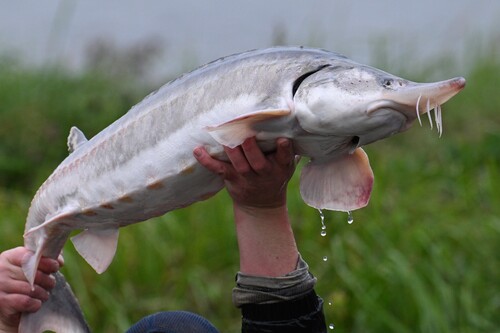
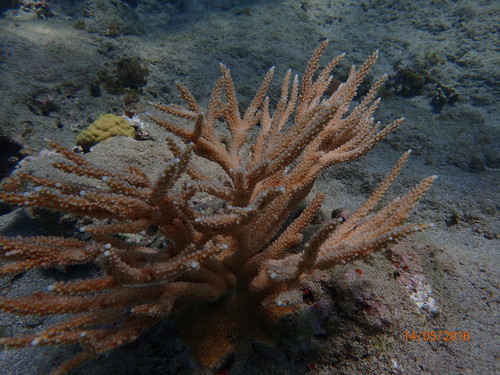
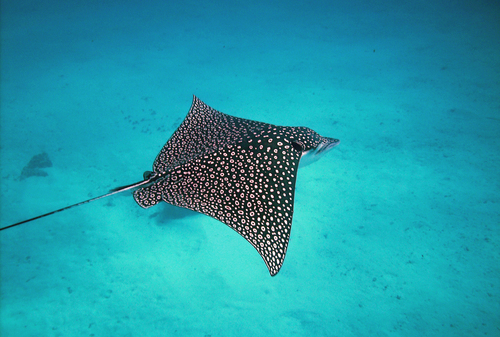
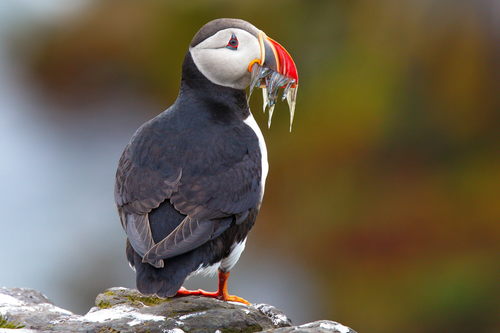
Photographs: iNaturalist contributors under the licences shown. Records: GBIF.org. Historical plates: Source Library (CC BY-SA 4.0; originals public domain). Summary text: Nature Library editors and Wikipedia (CC BY-SA). Medicinal and edibility notes are historical and educational, not advice. iNaturalist taxon 41724.