- Animals
- ›Arthropods
- ›Chelicerates
- ›Arachnids
- ›Spiders
- ›Typical Spiders
- ›Entelegyne Spiders
- ›Thomisoidea Spiders
- ›Crab Spiders
- ›Aphantochilinae
- ›Aphantochilini
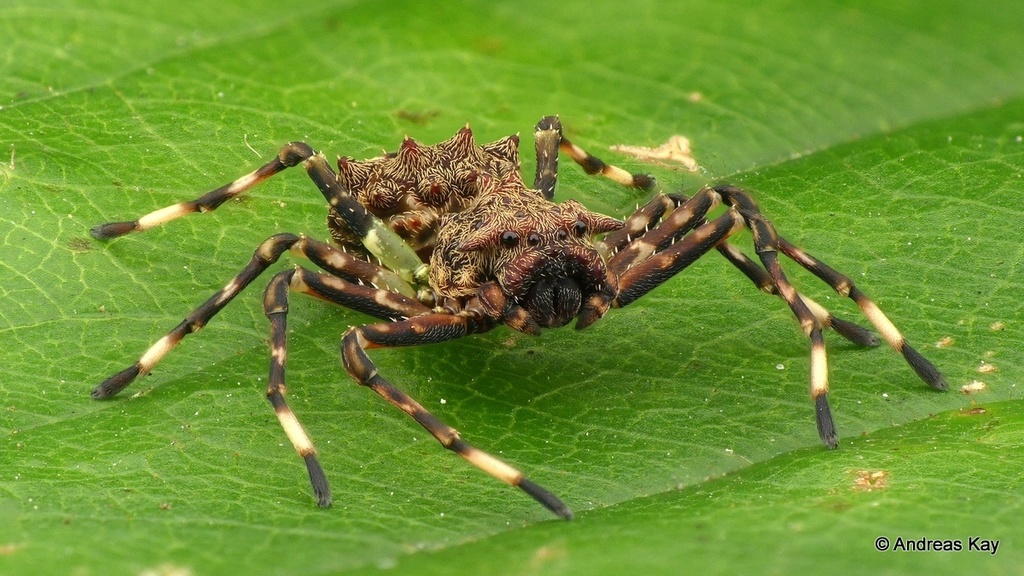
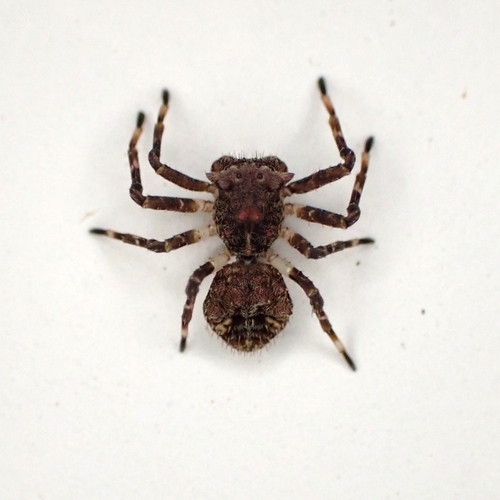
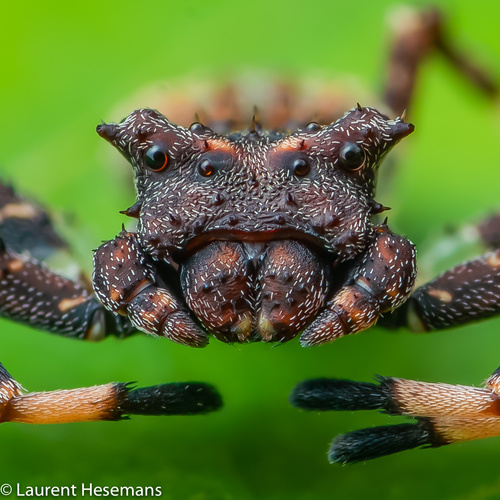
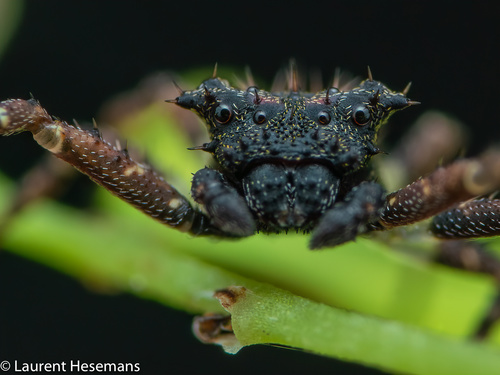
Bucranium
Bucranium (pl. bucrania; from Latin būcrānium, from Ancient Greek βουκράνιον (boukránion) 'ox's head', referring to the skull of an ox) was a form of carved decoration commonly used in Classical architecture. The name is generally considered to originate with the practice of displaying garlanded, sacrificial oxen, whose heads were displayed on the walls of temples, a practice dating back to the sophisticated Neolithic site of Çatalhöyük in eastern Anatolia, where cattle skulls were overlaid with white plaster.
Where it lives
Recorded sightings
—
geo-referenced records in GBIF, from museums, herbaria and field observers.
Drag the globe to turn it. Dots are where records exist, not a range map; darker means more records.
In the old herbals & bestiaries


In the stacks
Searching the stacks…
Every page naming Bucranium in the Biodiversity Heritage Library →
This page is assembled live from iNaturalist, GBIF, Wikipedia, the Source Library and the Internet Archive. It is not yet part of the hand-edited codex. iNaturalist taxon 417270.