- Animals
- ›Arthropods
- ›Chelicerates
- ›Arachnids
- ›Spiders
- ›Typical Spiders
- ›Entelegyne Spiders
- ›Orbweavers and Allies
- ›Dwarf, Sheetweb, and Hammock-web Spiders
- ›Sheetweb and Dwarf Weavers
- ›Micronetinae
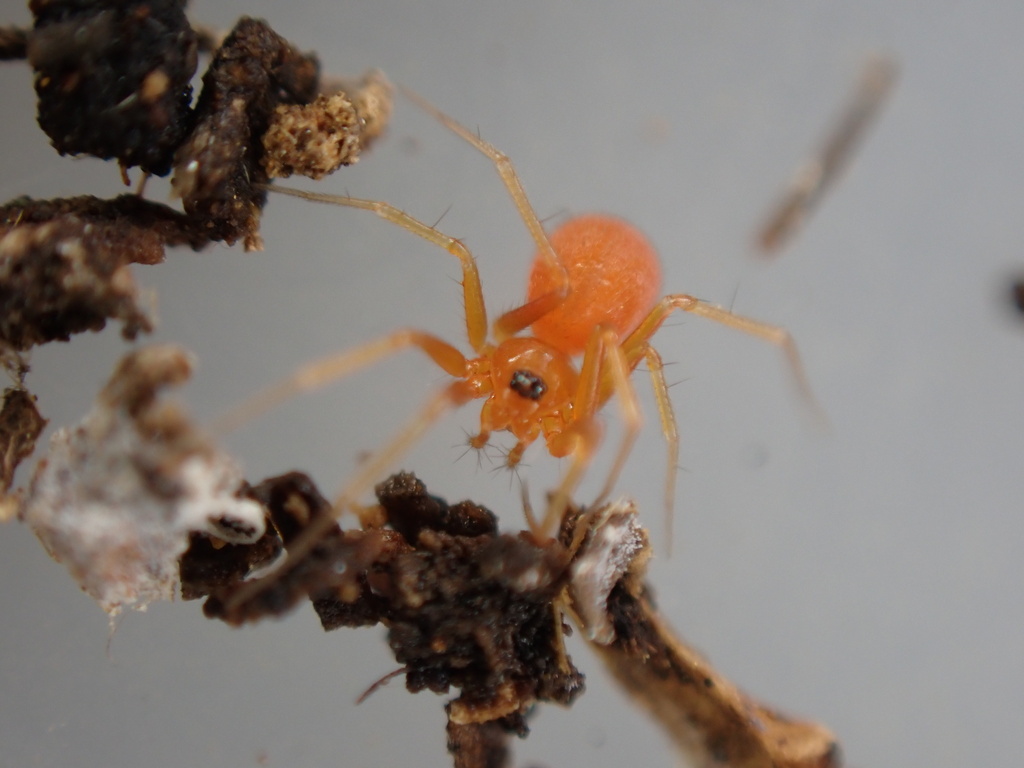
Syedra
Syedra (Greek: Σύεδρα) was an ancient port city in region of ancient Cilicia, Pamphylia, or Isauria, on the southern coast of modern-day Turkey between the towns of Alanya and Gazipaşa. Syedra was settled in the 7th century BCE, and abandoned in the 13th century CE. The town had a port at sea level and an upper town 400m above. Ptolemy places it in Cilicia. Stephanus of Byzantium assigns it to Isauria. Hierocles places it in Pamphylia.
The Roman historians Lucan and Florus both mention Syedra as where the Roman General Pompey held his last war council in 48 BCE, before his fatal voyage to Egypt. The city experienced its height around the 2nd and 3rd centuries CE, and in 194 Roman Emperor Septimius Severus praised the city's resistance of ongoing Mediterranean piracy. A first century BCE inscription found in the town relates to the piracy, suggesting that the oracle, possibly of Apollo at Claros, advised the Syedrians to resist pirates with "violent battle, either driving away, or binding in unbreakable chains."
7 branches of this genus, most-observed first
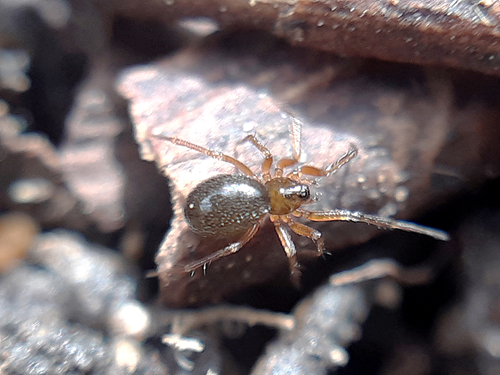
Syedra gracilis
speciesSyedra gracilis
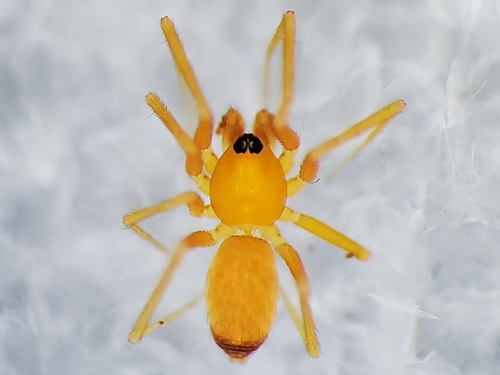
Syedra oii
speciesSyedra oii
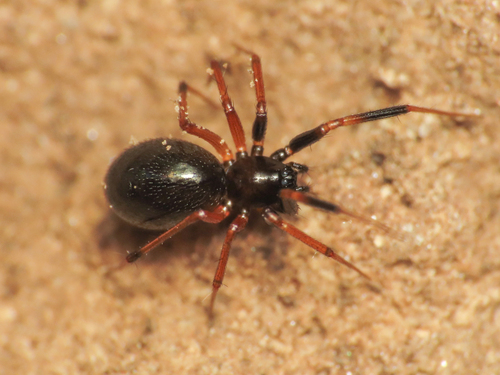
Syedra nigrotibialis
speciesSyedra nigrotibialis
Syedra parvula
speciesSyedra parvula
Syedra scamba
speciesSyedra scamba
Syedra apetlonensis
speciesSyedra apetlonensis
Syedra myrmicarum
speciesSyedra myrmicarum
Where it lives
Recorded sightings
—
geo-referenced records in GBIF, from museums, herbaria and field observers.
Drag the globe to turn it. Dots are where records exist, not a range map; darker means more records.
In the stacks
Searching the stacks…
Every page naming Syedra in the Biodiversity Heritage Library →
This page is assembled live from iNaturalist, GBIF, Wikipedia, the Source Library and the Internet Archive. It is not yet part of the hand-edited codex. iNaturalist taxon 419385.