 NL·0315
Herbarium of the Nature Library
- Name
- Vulpes zerda
- Family
- Canidae
- Native to
- Sahara and adjoining deserts of North Africa, from Morocco and Mauritania to Egypt and Sudan; Sinai
- Habitat
- Desert, Sand dunes
Fennec fox
Vulpes zerda
Also calledFanak (Arabic) · Fennec (French) · Ěrkuò hú 耳廓狐 (Chinese) · Zorro del desierto (Spanish)
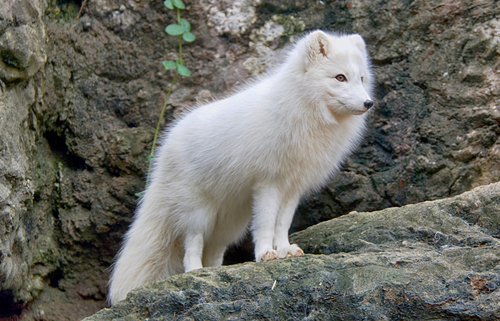
The smallest wild canid, a cream-coloured desert fox whose ears can be 15 cm long. Those huge ears give off body heat and pick up prey moving under the sand.
The fennec fox is a small fox native to the deserts of North Africa, ranging from Western Sahara and Mauritania to the Sinai Peninsula. Its most distinctive feature is its unusually large ears, which serve to dissipate heat and listen for underground prey. The fennec is the smallest fox species. Its coat, ears, and kidney functions have adapted to the desert environment with high temperatures and little water. Wikipedia
What it can do
- iHears insects and rodents moving underground with its enormous ears
- iiSheds heat through ears full of blood vessels
- iiiCan go long periods without drinking, getting water from its food
- ivWalks on hot sand with thickly furred soles
- vCan dig up to about 6 m of burrow in a single night
In the field
Field marks
- aSmallest fox
- bHuge ears
- cCream fur
- dBlack-tipped tail
- Not to be confused with
- Rüppell's fox is larger and greyer with smaller ears.
- Where to see it
- Erg Chebbi (Morocco) and Douz (Tunisia)
- When
- Resident; nocturnal
Listen
Looking for field recordings…
Life & habits
- Diet
- Omnivore: insects, rodents, lizards, birds' eggs, roots and fruit
- Habitat
- Sandy desert and dune fields
- Size
- 1–1.5 kg; body 24–40 cm, ears to 15 cm
- Lifespan
- ~10 years in the wild; up to 14+ in captivity
Fennecs are nocturnal and live in family groups in sprawling burrows. Pairs often stay together for life.
Where it lives
Recorded sightings
—
geo-referenced records in GBIF, from museums, herbaria and field observers.
Native range
Sahara and adjoining deserts of North Africa, from Morocco and Mauritania to Egypt and Sudan; Sinai
Drag the globe to turn it. Dots are where records exist, not a range map; darker means more records.
In the old herbals & bestiaries
No plate in the Source Library names this exact species, so these show its closest relatives as the old naturalists drew them: same genus, or the same kind of animal. Click a plate to read the page it came from, with translation.


In the stacks
Searching the stacks…
Every page naming Vulpes zerda in the Biodiversity Heritage Library →
Marginalia
The name comes from Arabic fanak, 'fox'. Algeria's national football team is nicknamed Les Fennecs, and the fox in Saint-Exupéry's The Little Prince (1943) is thought to have been inspired by fennecs he saw in the Sahara.
Curiosity
Relative to its body, the fennec has the largest ears of any canid.
Kinship
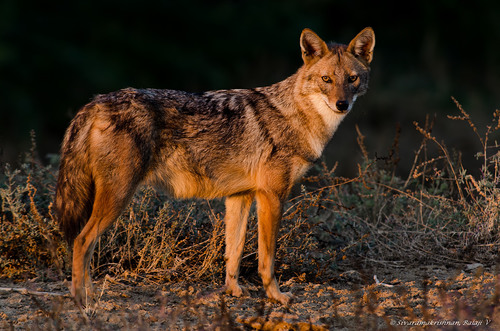
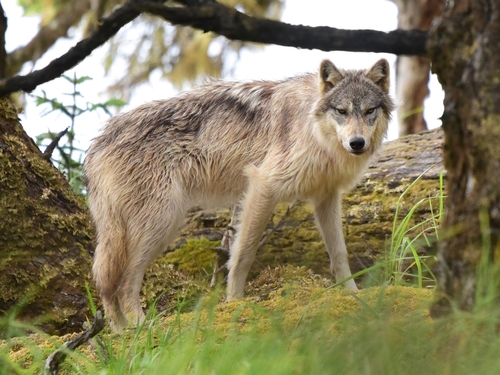
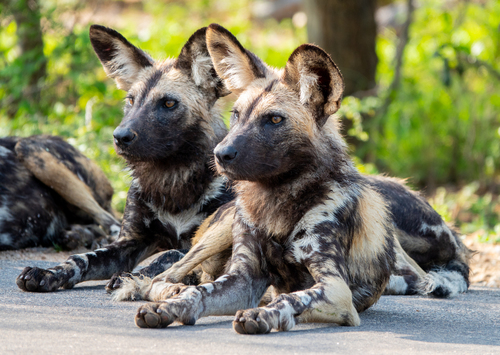
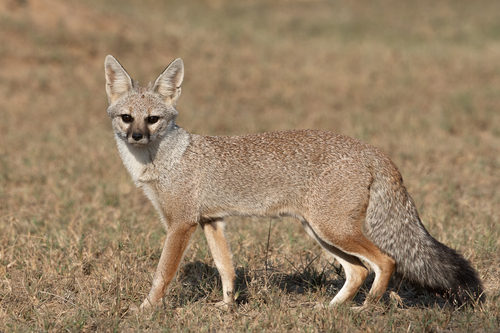

Photographs: iNaturalist contributors under the licences shown. Records: GBIF.org. Historical plates: Source Library (CC BY-SA 4.0; originals public domain). Summary text: Nature Library editors and Wikipedia (CC BY-SA). Medicinal and edibility notes are historical and educational, not advice. iNaturalist taxon 42058.