- Animals
- ›Chordates
- ›Vertebrates
- ›Mammals
- ›Therians
- ›Placental Mammals
- ›Primates, Rodents, and Allies
- ›Lagomorphs
- ›Hares and Rabbits
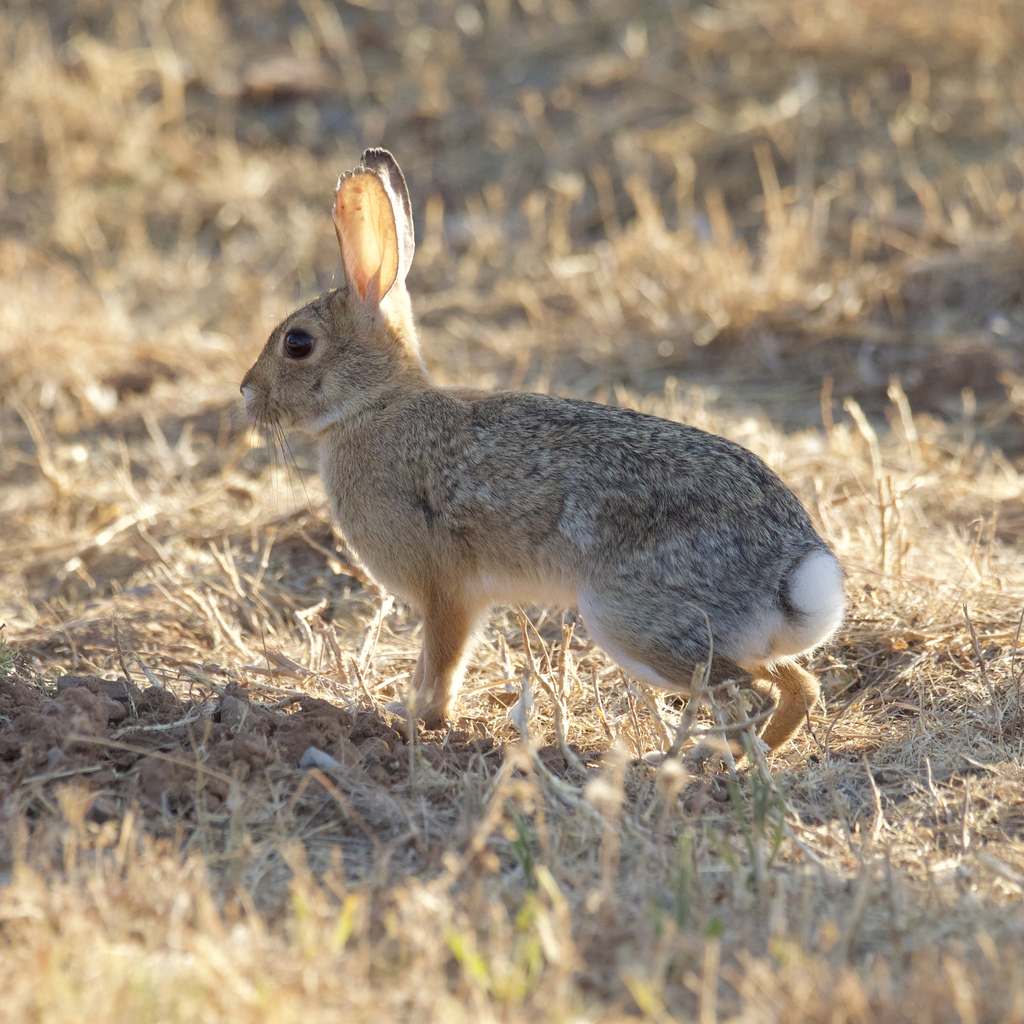
Cottontail Rabbits
Sylvilagus
Cottontail rabbits comprise the genus Sylvilagus, which is in the family Leporidae. They are found in the Americas. Most Sylvilagus species have stub tails with white undersides that show when they retreat, giving them their characteristic name, but this feature is not present in all Sylvilagus species, nor is it unique to the genus. Their fur ranges from brown to gray and changes throughout the year, depending on the season.
The genus is widely distributed across North America, Central America, and northern and central South America, though most species are confined to particular regions. Most species live in nests called forms, and all have altricial young. They often live on the edges of fields, farms, and other open spaces far from highly populated areas, but sometimes they make their nests in yards and parks near more people. An adult female averages three litters per year, which can be born in any season. Occurrence and litter size depend on several factors, including time of the year, weather, and location. The average litter size is four, but can range from as few as two to as many as eight, most of which do not survive to adulthood. Females can begin reproducing when they are only six months old.
18 branches of this genus, most-observed first · about 30 known species
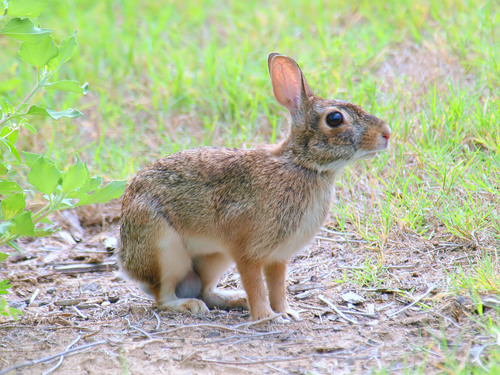
Eastern Cottontail
speciesSylvilagus floridanus
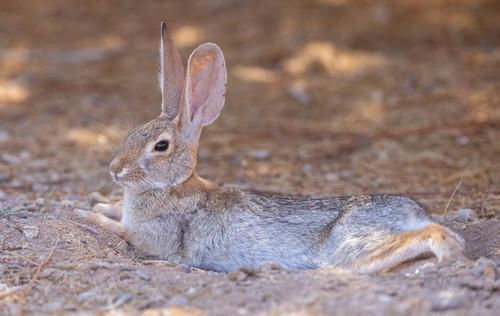
Desert Cottontail
speciesSylvilagus audubonii
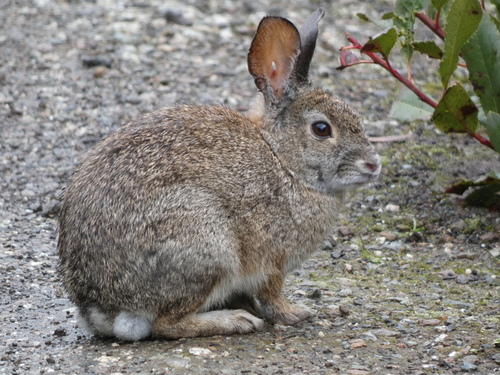
Brush Rabbit
speciesSylvilagus bachmani

Marsh Rabbit
speciesSylvilagus palustris
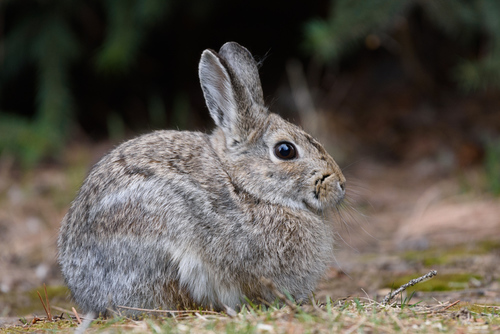
Mountain Cottontail
speciesSylvilagus nuttallii
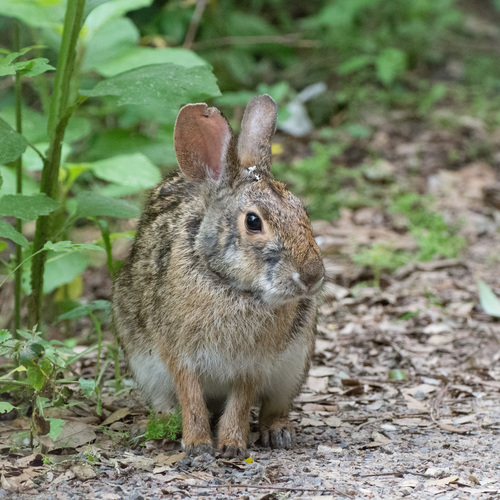
Swamp Rabbit
speciesSylvilagus aquaticus
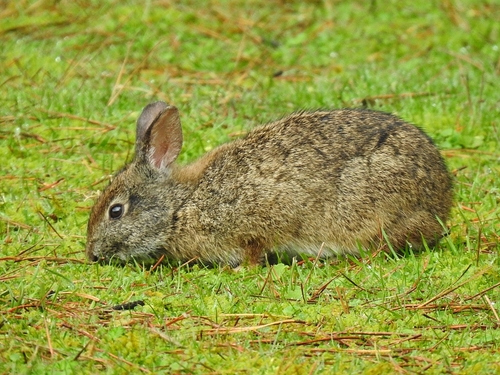
Tapetis
complexSylvilagus brasiliensis
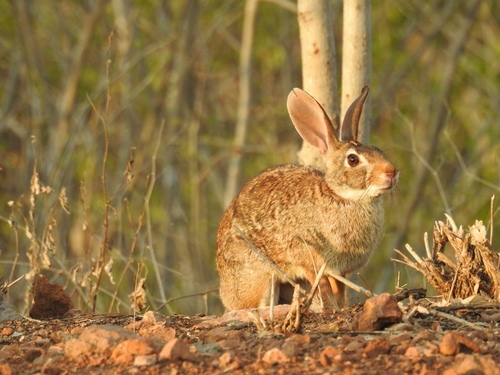
Mexican Cottontail
speciesSylvilagus cunicularius

Holzner Cottontail
speciesSylvilagus holzneri
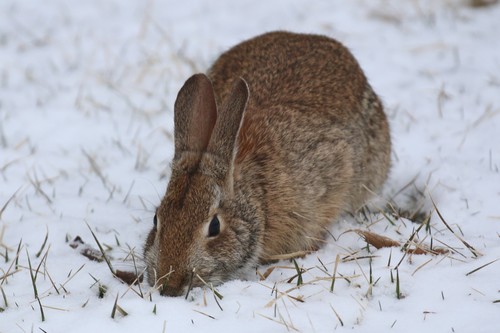
Appalachian Cottontail
speciesSylvilagus obscurus

Honduran Cottontail
speciesSylvilagus hondurensis

Yucatan Cottontail
speciesSylvilagus yucatanicus
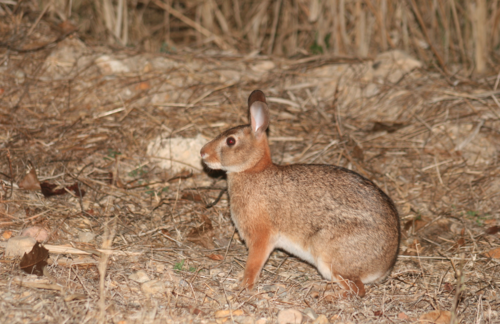
Tres Marías Cottontail
speciesSylvilagus graysoni
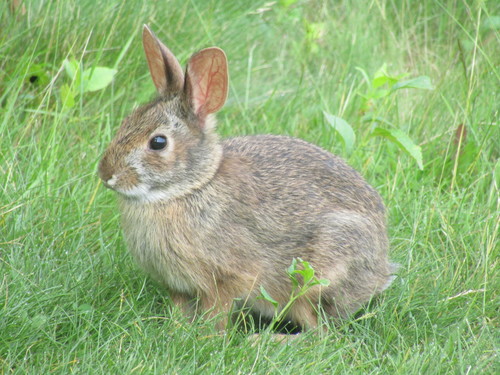
New England Cottontail
speciesSylvilagus transitionalis
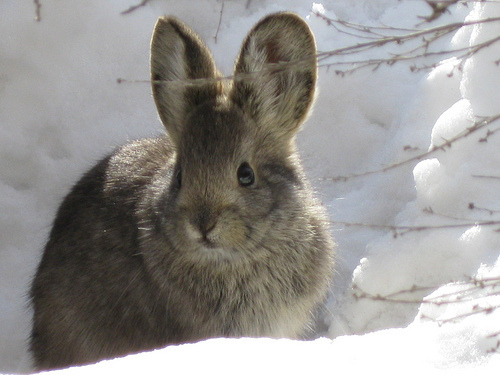
Pygmy Rabbit
speciesSylvilagus idahoensis

Dice's Cottontail
speciesSylvilagus dicei

Omilteme Cottontail
speciesSylvilagus insonus
Venezuelan Lowland Rabbit
speciesSylvilagus varynaensis
Where it lives
Recorded sightings
—
geo-referenced records in GBIF, from museums, herbaria and field observers.
Drag the globe to turn it. Dots are where records exist, not a range map; darker means more records.
In the stacks
Searching the stacks…
Every page naming Sylvilagus in the Biodiversity Heritage Library →
This page is assembled live from iNaturalist, GBIF, Wikipedia, the Source Library and the Internet Archive. It is not yet part of the hand-edited codex. iNaturalist taxon 43096.