- Animals
- ›Arthropods
- ›Hexapods
- ›Insects
- ›Winged and Once-winged Insects
- ›Butterflies and Moths
- ›Butterflies
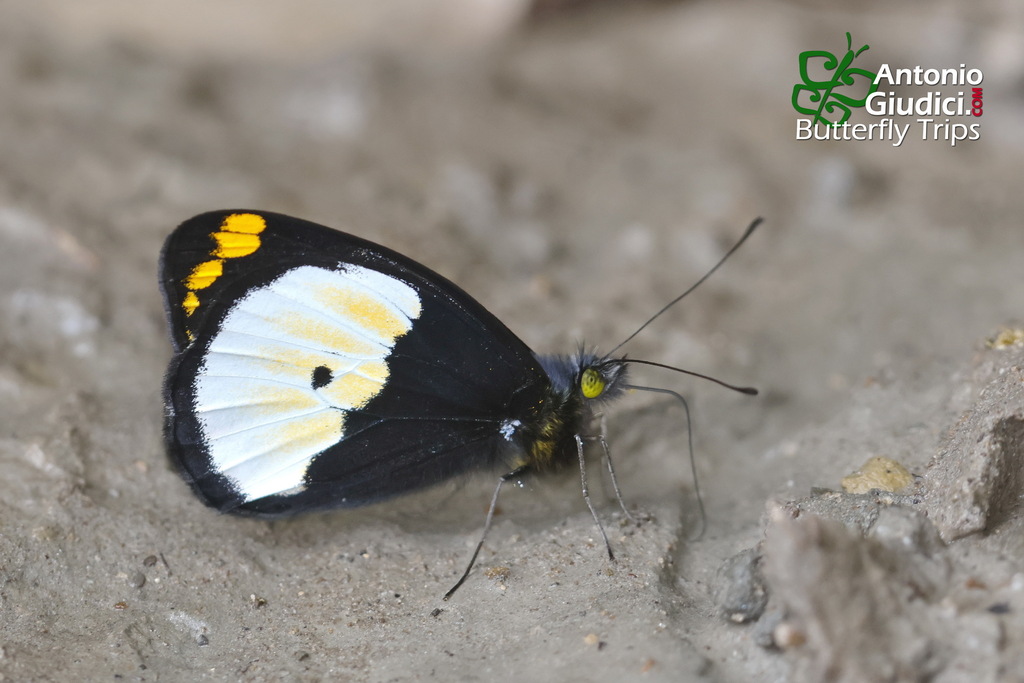
Whites, Yellows, and Sulphurs
Pieridae
The Pieridae are a large family of butterflies with about 76 genera containing about 1,100 species, mostly from tropical Africa and tropical Asia with some varieties in the more northern regions of North America and Eurasia. Most pierid butterflies are white, yellow, or orange in coloration, often with black spots. The pigments that give the distinct coloring to these butterflies are derived from waste products in the body and are a characteristic of this family. The family was created by William Swainson in 1820.
The name "butterfly" is believed to have originated from a member of this family, the brimstone, Gonepteryx rhamni, which was called the "butter-coloured fly" by early British naturalists.
4 branches of this family, most-observed first
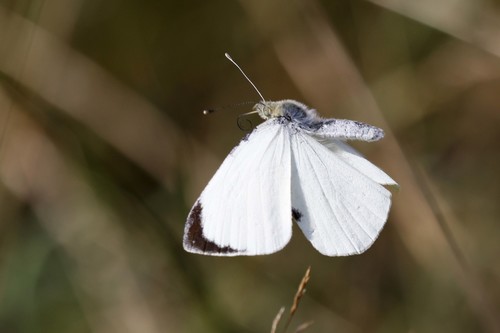
Whites
subfamilyPierinae
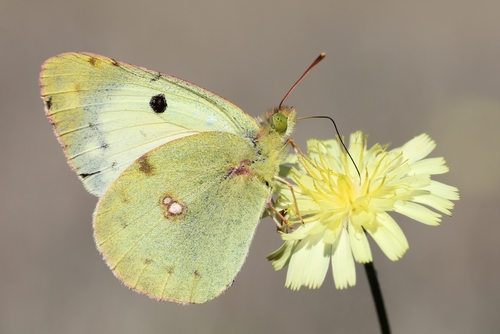
Yellows and Sulphurs
subfamilyColiadinae

Mimic Sulphurs
subfamilyDismorphiinae

Pseudopontiinae
subfamilyPseudopontiinae
Where it lives
Recorded sightings
—
geo-referenced records in GBIF, from museums, herbaria and field observers.
Drag the globe to turn it. Dots are where records exist, not a range map; darker means more records.
In the stacks
Searching the stacks…
Every page naming Pieridae in the Biodiversity Heritage Library →
This page is assembled live from iNaturalist, GBIF, Wikipedia, the Source Library and the Internet Archive. It is not yet part of the hand-edited codex. iNaturalist taxon 48508.