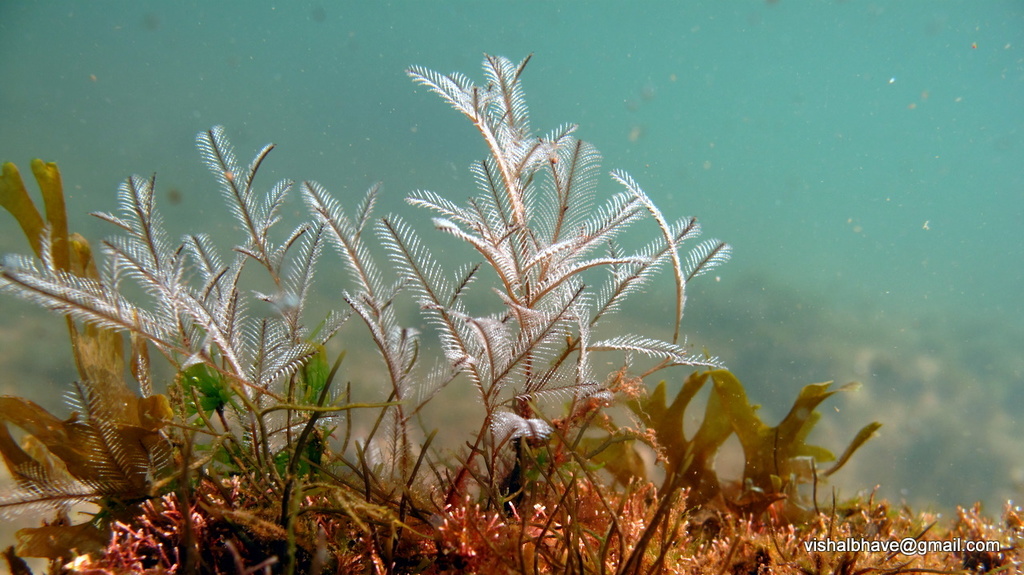
Thecate Hydroids
Leptothecata
Leptothecata, or thecate hydroids, are an order of hydrozoans in the phylum Cnidaria. Their closest living relatives are the athecate hydroids, which are similar enough to have always been considered closely related, and the very apomorphic Siphonophorae, which were placed outside the "Hydroida". Given that there are no firm rules for synonymy for high-ranked taxa, alternative names like Leptomedusa, Thecaphora or Thecata, with or without the ending emended to "-ae", are also often used for Leptothecata.
In the sessile stage, Leptothecata are surrounded by a chitinous outer layer as their exoskeleton, including the gonophores, their reproductive organ. Leptothecata exhibit radial symmetry, and their gonads can be found in the radial canals of the medusa stage. Their habits range from benthic to planktonic. The polyps and colonial forms are benthic, whilst the medusae are planktonic. Leptothecata exhibit extensive, complex variation. Thecata colonies also have extensive specialization due to their polyps' function and variation. Most Leptothecata possess statocysts, which are used for defence and protection. The classes that have lost their statocysts have been changed ancestrally over time rather than a direct loss.
35 branches of this order, most-observed first
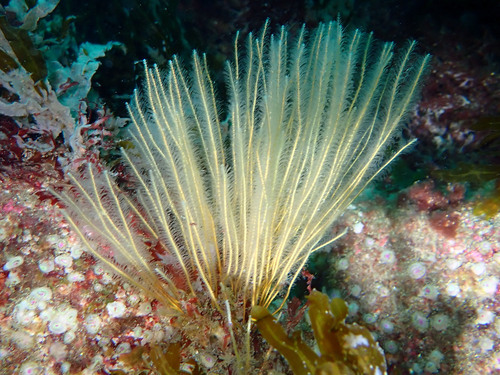
Plume and Feathery Hydroids
superfamilyPlumularioidea

Many-ribbed Jellies
familyAequoreidae

Sertularioidea
superfamilySertularioidea

Campanulariidae
familyCampanulariidae
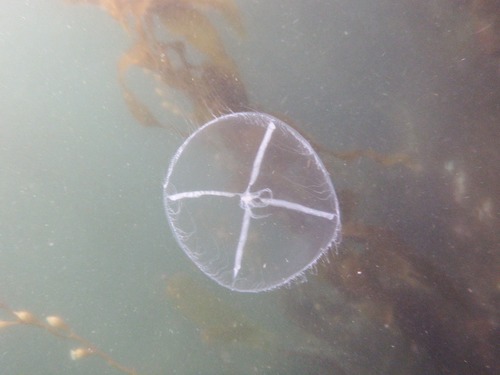
Mitrocomidae
familyMitrocomidae

Eirenidae
familyEirenidae

Lovenellidae
familyLovenellidae

Laodiceidae
familyLaodiceidae

Haleciidae
familyHaleciidae

Melicertidae
familyMelicertidae
Tiaropsidae
familyTiaropsidae

Lafoeidae
familyLafoeidae
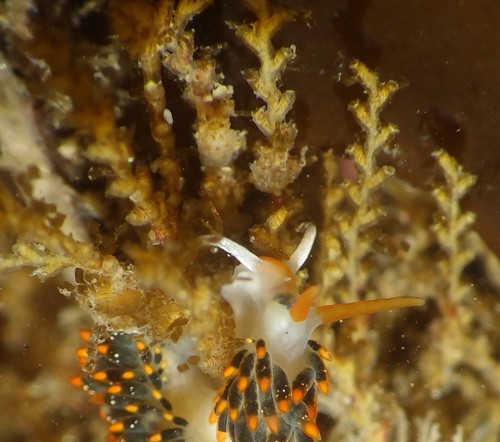
Symplectoscyphidae
familySymplectoscyphidae
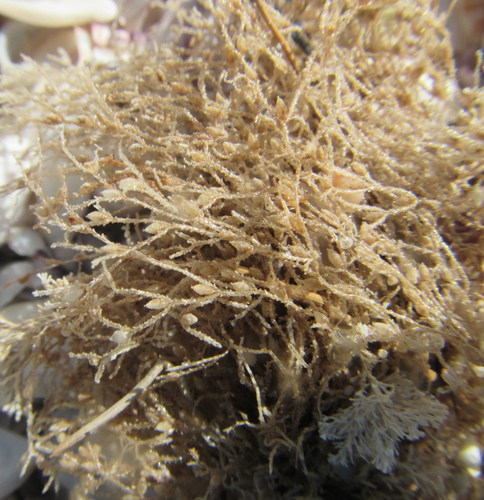
Syntheciidae
familySyntheciidae

Dipleurosomatidae
familyDipleurosomatidae
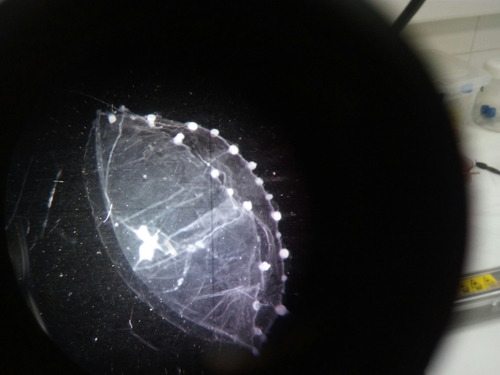
Phialellidae
familyPhialellidae

Hebellidae
familyHebellidae
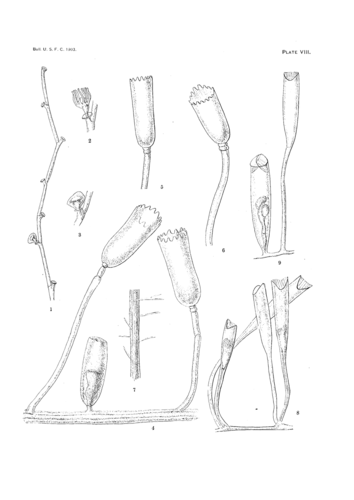
Tiarannidae
familyTiarannidae

Campanulinidae
familyCampanulinidae
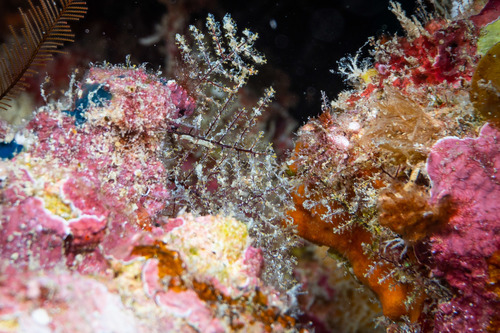
Zygophylacidae
familyZygophylacidae
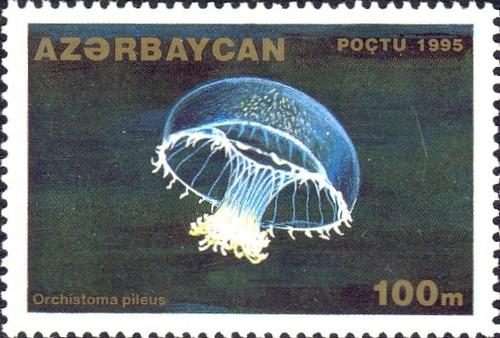
Orchistomatidae
familyOrchistomatidae

Blackfordiidae
familyBlackfordiidae

Malagazziidae
familyMalagazziidae
Cirrholoveniidae
familyCirrholoveniidae
Barcinidae
familyBarcinidae
Bonneviellidae
familyBonneviellidae
Lineolariidae
familyLineolariidae
Octocannoididae
familyOctocannoididae
Staurothecidae
familyStaurothecidae
Sugiuridae
familySugiuridae
Teclaiidae
familyTeclaiidae
Clathrozoidae
familyClathrozoidae
Gonaxiidae
familyGonaxiidae
Wuvulidae
familyWuvulidae
Phialuciidae
familyPhialuciidae
Where it lives
Recorded sightings
—
geo-referenced records in GBIF, from museums, herbaria and field observers.
Drag the globe to turn it. Dots are where records exist, not a range map; darker means more records.
In the stacks
Searching the stacks…
Every page naming Leptothecata in the Biodiversity Heritage Library →
This page is assembled live from iNaturalist, GBIF, Wikipedia, the Source Library and the Internet Archive. It is not yet part of the hand-edited codex. iNaturalist taxon 48925.