- Animals
- ›Arthropods
- ›Hexapods
- ›Insects
- ›Winged and Once-winged Insects
- ›Butterflies and Moths
- ›Pyralid and Crambid Snout Moths
- ›Crambid Snout Moths
- ›Pyraustinae
- ›Pyraustini
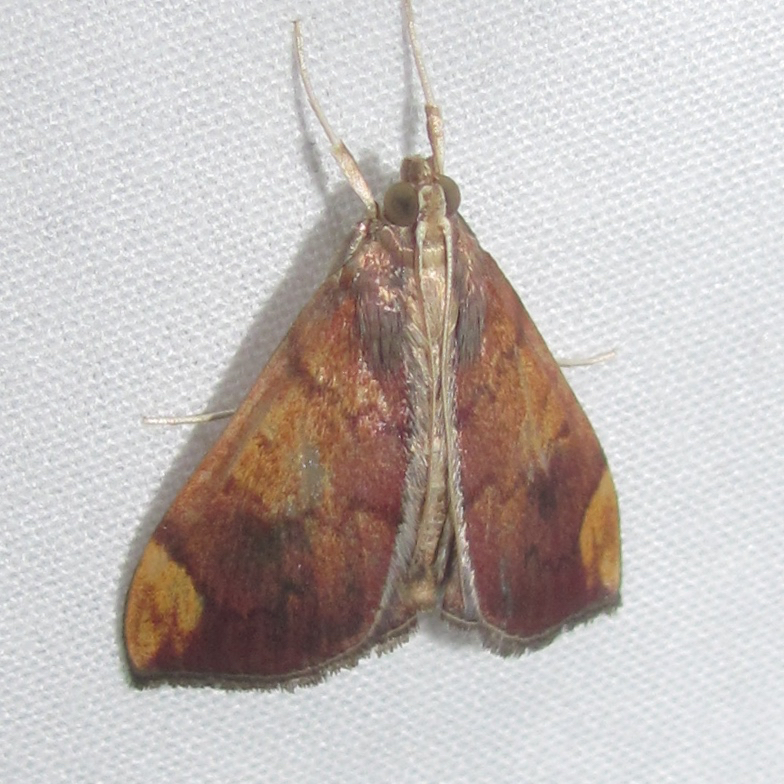
Aponia
Epicureanism, less commonly Epicurism, is a school of philosophy founded in 307 BCE and based upon the teachings of Epicurus, an ancient Greek philosopher. Epicurus was an atomist and materialist, following in the steps of Democritus. His materialism led him to religious skepticism and a general attack on superstition and divine intervention. Epicureanism was originally a challenge to Platonism, and its main opponent later became Stoicism. It is a form of hedonism insofar as it declares pleasure to be its sole intrinsic goal. However, the concept that the absence of pain and fear constitutes the greatest pleasure, and its advocacy of a simple life, make it very different from hedonism as colloquially understood.
Following the Cyrenaic philosopher Aristippus, Epicurus believed that the greatest good was to seek modest, sustainable pleasure in the form of a state of ataraxia (tranquility and freedom from fear) and aponia (the absence of bodily pain) through knowledge of the workings of the world and limiting desires. Correspondingly, Epicurus and his followers generally withdrew from politics because it could lead to frustrations and ambitions that would conflict with their pursuit of virtue and peace of mind.

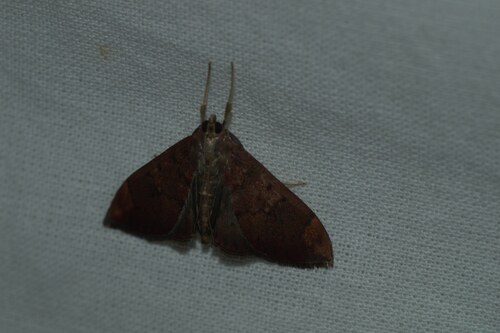

Where it lives
Recorded sightings
—
geo-referenced records in GBIF, from museums, herbaria and field observers.
Drag the globe to turn it. Dots are where records exist, not a range map; darker means more records.
In the stacks
Searching the stacks…
Every page naming Aponia in the Biodiversity Heritage Library →
This page is assembled live from iNaturalist, GBIF, Wikipedia, the Source Library and the Internet Archive. It is not yet part of the hand-edited codex. iNaturalist taxon 491622.