- Animals
- ›Arthropods
- ›Hexapods
- ›Insects
- ›Winged and Once-winged Insects
- ›Butterflies and Moths
- ›Pyralid and Crambid Snout Moths
- ›Crambid Snout Moths
- ›Glaphyriinae
Upiga
Upiga is a monotypic moth genus described by Hahn William Capps in 1964. The genus is placed in the family Crambidae, but has also been placed in Pyralidae. It contains only one species, Upiga virescens, the senita moth, described by George Duryea Hulst in 1900 and found in the Sonoran Desert of North America.
The moth is best known for its obligate mutualism with Pachycereus schottii, the senita cactus. The senita moth is one of the few pollinators of the senita cactus, and the moth relies on the cactus as a host for reproduction. Larvae bore into flowers and consume the developing fruit and seeds inside. This obligate mutualism is similar to that of yuccas and yucca moths.
1 branches of this genus, most-observed first
See this branch on the Wheel of Life →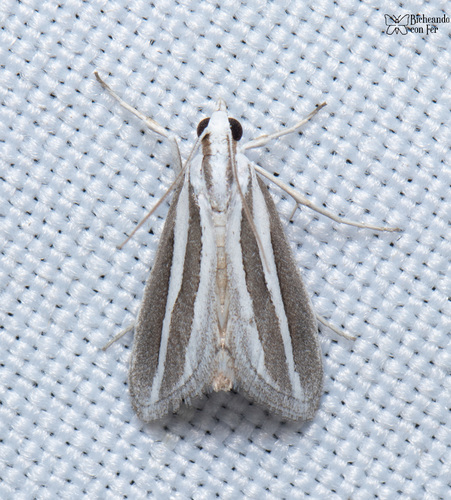
Where it lives
Recorded sightings
—
geo-referenced records in GBIF, from museums, herbaria and field observers.
Drag the globe to turn it. Dots are where records exist, not a range map; darker means more records.
In the stacks
Searching the stacks…
Every page naming Upiga in the Biodiversity Heritage Library →
This page is assembled live from iNaturalist, GBIF, Wikipedia, the Source Library and the Internet Archive. It is not yet part of the hand-edited codex. iNaturalist taxon 491769.