- Animals
- ›Arthropods
- ›Hexapods
- ›Insects
- ›Winged and Once-winged Insects
- ›Butterflies and Moths
- ›Ermine Moths and Allies
- ›Ypsolophidae
- ›Ochsenheimeriinae
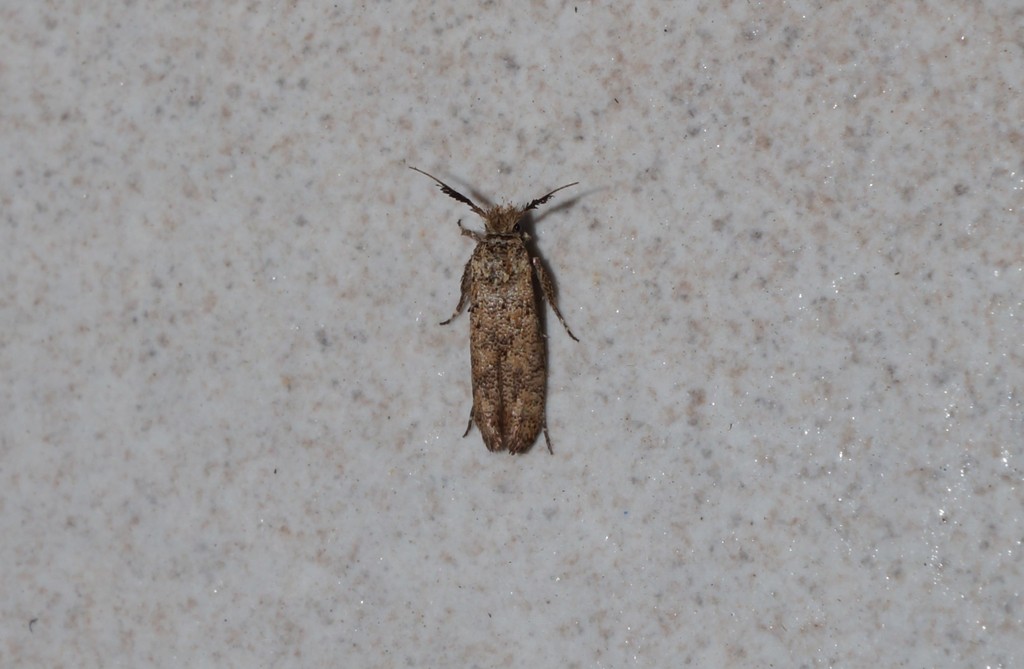
Ochsenheimeria
Ochsenheimeria is a genus of moths that belongs to the family Ypsolophidae. They can be found only in the Palearctic realm including Europe, central Russia, India, the Middle East and North Africa.
There are only three monocot families are known to be host for Ochsenheimeria larvae. They are Cyperaceae (sedges) and Juncaceae (rushes) and Poaceae (true grasses). These families have varying importance as host of their larvae. Juncaceae have a relatively minor with only Ochsenheimeria bubalella and Ochsenheimeria lovyi having been found attacking these plants. Poaceae have a much greater importance for this genus with a variety of grasses acting as host with Bromus (brome grasses), Secale and Triticum (wheat) species being especially preferred.
12 branches of this genus, most-observed first

Feathered Stem-moth
speciesOchsenheimeria taurella
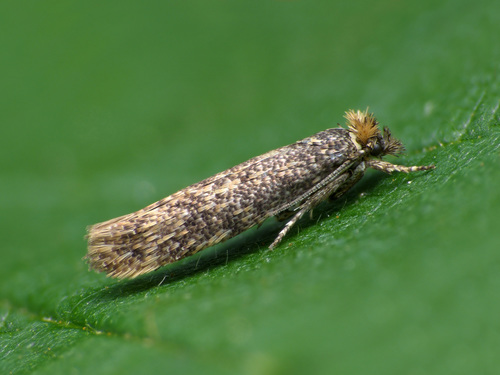
Variable Stem-moth
speciesOchsenheimeria urella
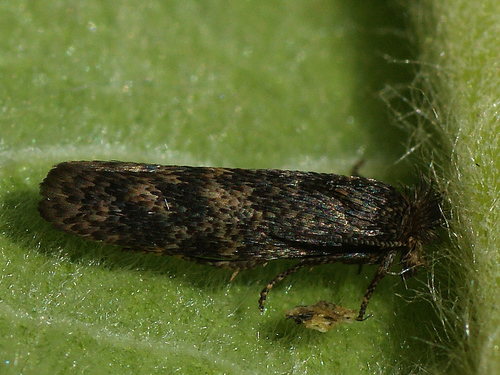
Cereal-stem Moth
speciesOchsenheimeria vacculella
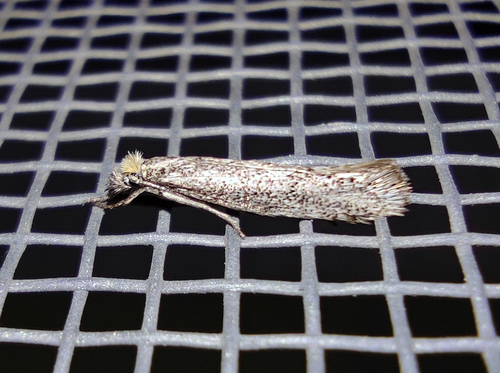
Ochsenheimeria capella
speciesOchsenheimeria capella
Ochsenheimeria bisontella
speciesOchsenheimeria bisontella
Ochsenheimeria mediopectinellus
speciesOchsenheimeria mediopectinellus
Ochsenheimeria glabratella
speciesOchsenheimeria glabratella
Ochsenheimeria bubalella
speciesOchsenheimeria bubalella
Ochsenheimeria algeriella
speciesOchsenheimeria algeriella
Ochsenheimeria mediopectinella
speciesOchsenheimeria mediopectinella
Ochsenheimeria lovyi
speciesOchsenheimeria lovyi
Ochsenheimeria chorasanica
speciesOchsenheimeria chorasanica
Where it lives
Recorded sightings
—
geo-referenced records in GBIF, from museums, herbaria and field observers.
Drag the globe to turn it. Dots are where records exist, not a range map; darker means more records.
In the stacks
Searching the stacks…
Every page naming Ochsenheimeria in the Biodiversity Heritage Library →
This page is assembled live from iNaturalist, GBIF, Wikipedia, the Source Library and the Internet Archive. It is not yet part of the hand-edited codex. iNaturalist taxon 522758.