- Fungi Including Lichens
- ›Ascomycete Fungi
- ›Sac Fungi and Lichens
- ›Common Lichens
- ›Shield Lichens, Sunburst Lichens, Rosette Lichens, and Allies
- ›shield lichens, rim lichens, and allies
- ›shield lichens and allies
- ›typical shield lichens

Iceland lichens
Cetraria
Cetraria is a genus of fruticose lichens that associate with green algae as photobionts. Most species are found at high latitudes, occurring on sand or heath, and are characterised by their "strap-like" form with spiny lobe edges. The lobes can range from narrow and linear to broader and flattened, often forming loose or densely packed cushions. Their distinctive spiny margins serve both a defensive role and aid in vegetative reproduction through fragmentation. The genus was created by Erik Acharius in 1803 and belongs to the large family Parmeliaceae. While originally a species-rich genus, taxonomic revisions since the 1960s have split many species into new genera, though the exact circumscription remains debated among lichenologists.
Several Cetraria species have cultural and economic importance, particularly C. islandica (Iceland moss), which has been widely used in European traditional medicine for treating digestive and respiratory ailments. This species was also historically important as a famine food in Northern Europe and continues to find applications in modern cosmetics and pharmaceutical products. Cetraria species are also ecologically important, serving as indicators of air quality and climate change due to their sensitivity to environmental conditions and ability to accumulate various elements, including potentially toxic heavy metals and radioactive isotopes.
11 branches of this genus, most-observed first
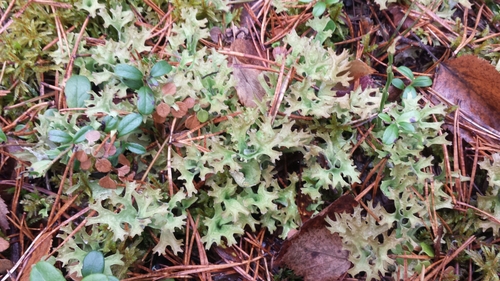
Iceland Lichen
speciesCetraria islandica

Spiny Heath Lichen
speciesCetraria aculeata
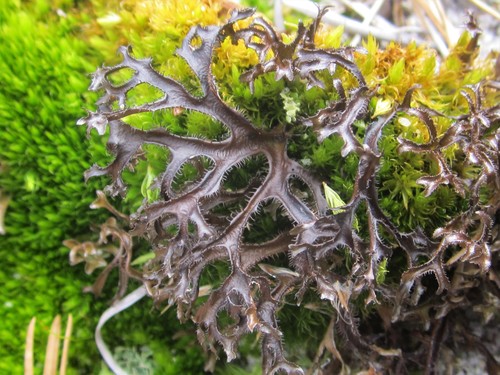
Sand-loving Iceland Lichen
speciesCetraria arenaria
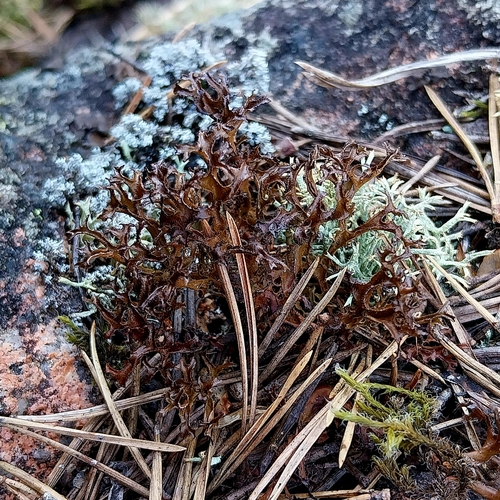
Iceland Lichen
speciesCetraria ericetorum

Dubious Heath Lichen
speciesCetraria muricata

Striped Iceland Lichen
speciesCetraria laevigata

Small-toothed Iceland Lichen
speciesCetraria odontella

Cetraria steppae
speciesCetraria steppae
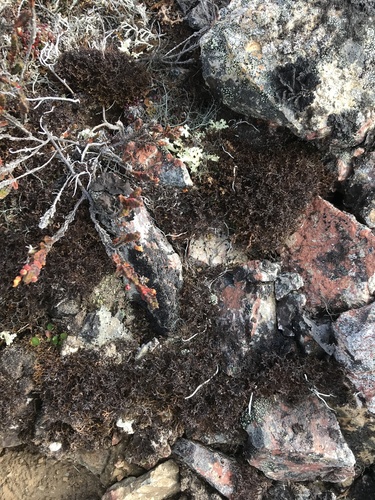
Blackened Iceland Lichen
speciesCetraria nigricans
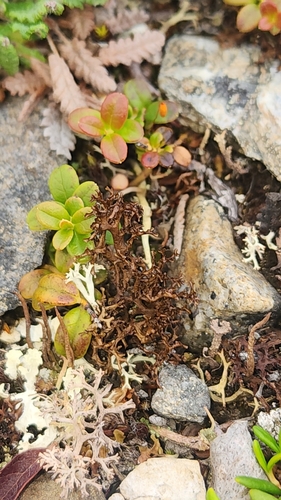
Kamchatka Iceland Lichen
speciesCetraria kamczatica
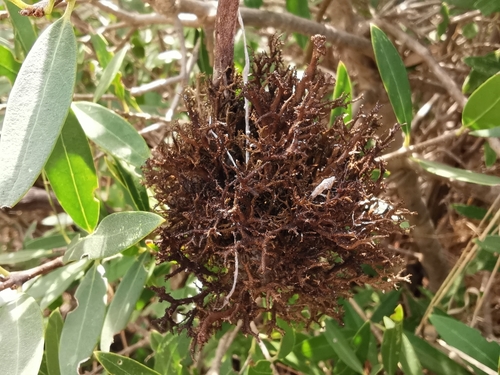
Cetraria crespoae
speciesCetraria crespoae
Where it lives
Recorded sightings
—
geo-referenced records in GBIF, from museums, herbaria and field observers.
Drag the globe to turn it. Dots are where records exist, not a range map; darker means more records.
In the stacks
Searching the stacks…
Every page naming Cetraria in the Biodiversity Heritage Library →
This page is assembled live from iNaturalist, GBIF, Wikipedia, the Source Library and the Internet Archive. It is not yet part of the hand-edited codex. iNaturalist taxon 54352.