- Animals
- ›Arthropods
- ›Hexapods
- ›Insects
- ›Winged and Once-winged Insects
- ›Butterflies and Moths
- ›Butterflies
- ›Brush-footed Butterflies
- ›Satyrs, Morphos, and Allies
- ›Owl-Butterflies and Allies

Owl-Butterflies
Caligo
The owl butterflies are species of the genus Caligo and are known for their large eyespots, which resemble owls' eyes. They are found in the rainforests and secondary forests of Mexico, Central and South America.
Owl butterflies are very large, 65–200 mm (2.6–7.9 in), and fly only a few meters at a time, so avian predators have little difficulty in following them to their settling place. However, the butterflies preferentially fly in dusk, when few avian predators are around.
22 branches of this genus, most-observed first
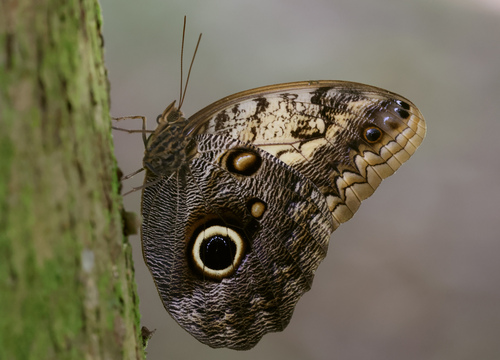
Pale Owl-Butterfly
speciesCaligo telamonius
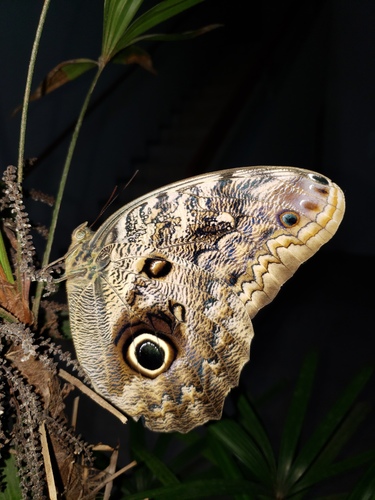
Dark Owl-Butterfly
speciesCaligo brasiliensis
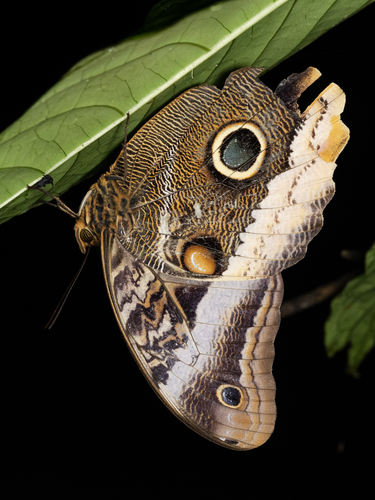
Banded Owl-Butterfly
speciesCaligo atreus
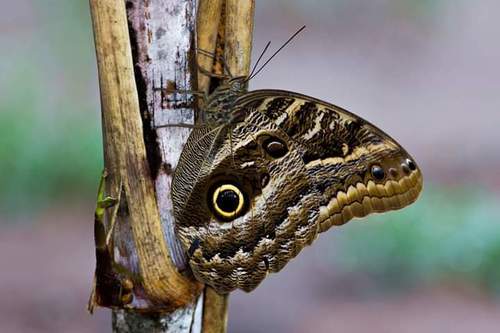
Dusky Owl-Butterfly
speciesCaligo illioneus
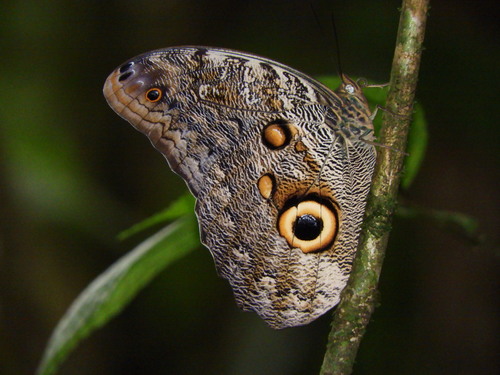
Forest giant owl
speciesCaligo eurilochus
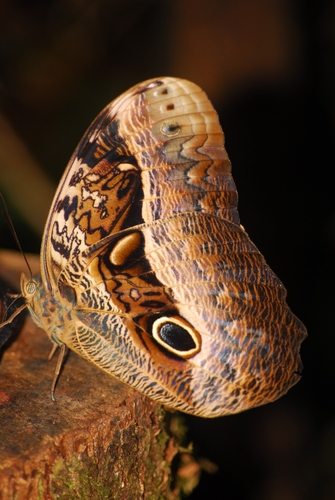
Purple Owl-Butterfly
speciesCaligo beltrao

Gold-edged Owl-Butterfly
speciesCaligo uranus
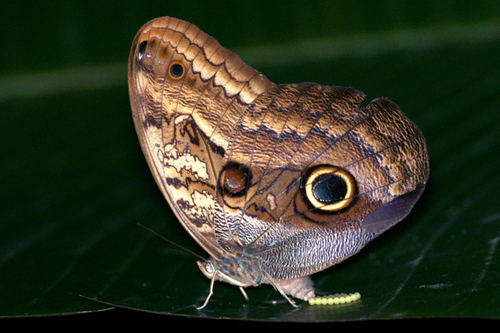
Fruhstorfer's Owl-Butterfly
speciesCaligo oedipus

Caligo idomeneus
speciesCaligo idomeneus
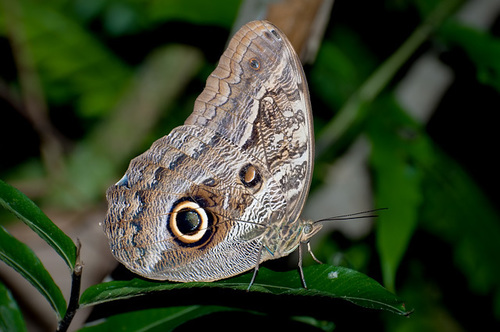
Teucer Owl-Butterfly
speciesCaligo teucer
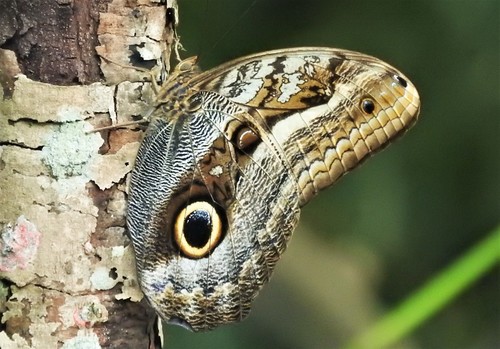
Oileus Owl-Butterfly
speciesCaligo oileus

Caligo arisbe
speciesCaligo arisbe

Caligo placidianus
speciesCaligo placidianus
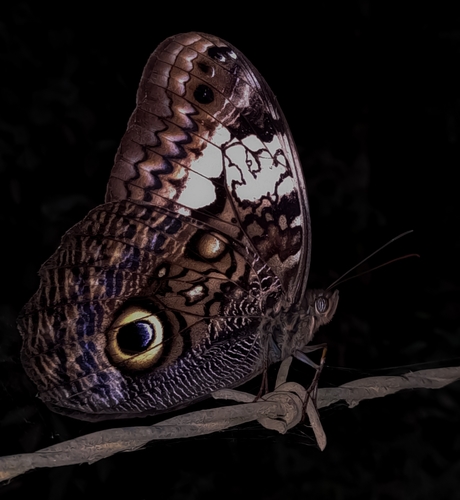
Caligo martia
speciesCaligo martia
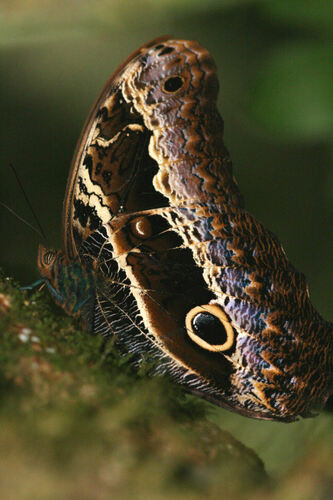
Caligo oberthurii
speciesCaligo oberthurii
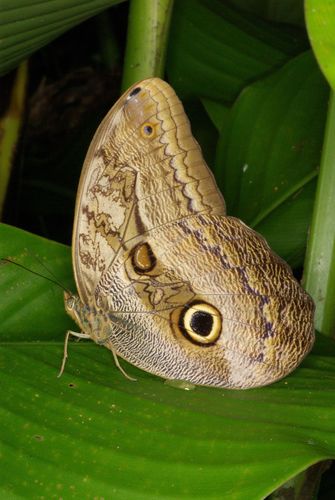
Caligo zeuxippus
speciesCaligo zeuxippus

Caligo prometheus
speciesCaligo prometheus

Caligo euphorbus
speciesCaligo euphorbus

Caligo bellerophon
speciesCaligo bellerophon
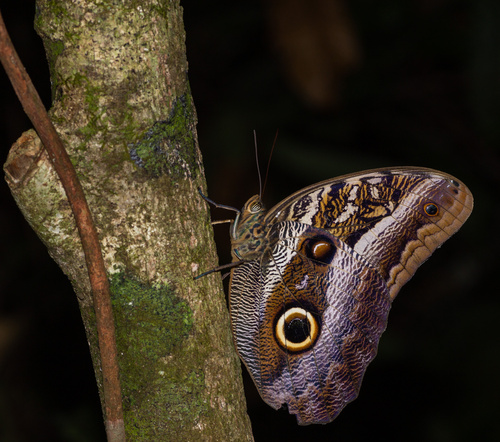
Caligo suzanna
speciesCaligo suzanna
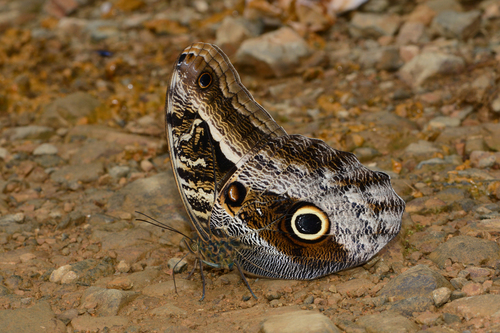
Caligo superbus
speciesCaligo superbus
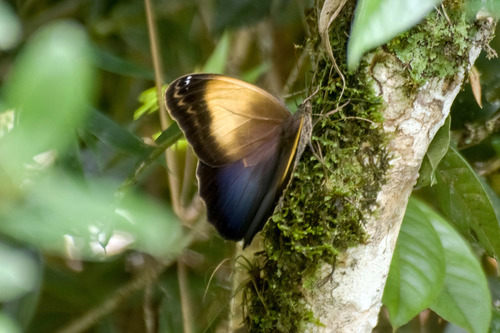
Caligo arisbe × martia
hybridCaligo arisbe × martia
Where it lives
Recorded sightings
—
geo-referenced records in GBIF, from museums, herbaria and field observers.
Drag the globe to turn it. Dots are where records exist, not a range map; darker means more records.
In the stacks
Searching the stacks…
Every page naming Caligo in the Biodiversity Heritage Library →
This page is assembled live from iNaturalist, GBIF, Wikipedia, the Source Library and the Internet Archive. It is not yet part of the hand-edited codex. iNaturalist taxon 55011.