- Animals
- ›Arthropods
- ›Hexapods
- ›Insects
- ›Winged and Once-winged Insects
- ›Butterflies and Moths
- ›Butterflies
- ›Brush-footed Butterflies
- ›Satyrs, Morphos, and Allies
- ›Alpines, Arctics, Nymphs and Satyrs
- ›Mycalesina
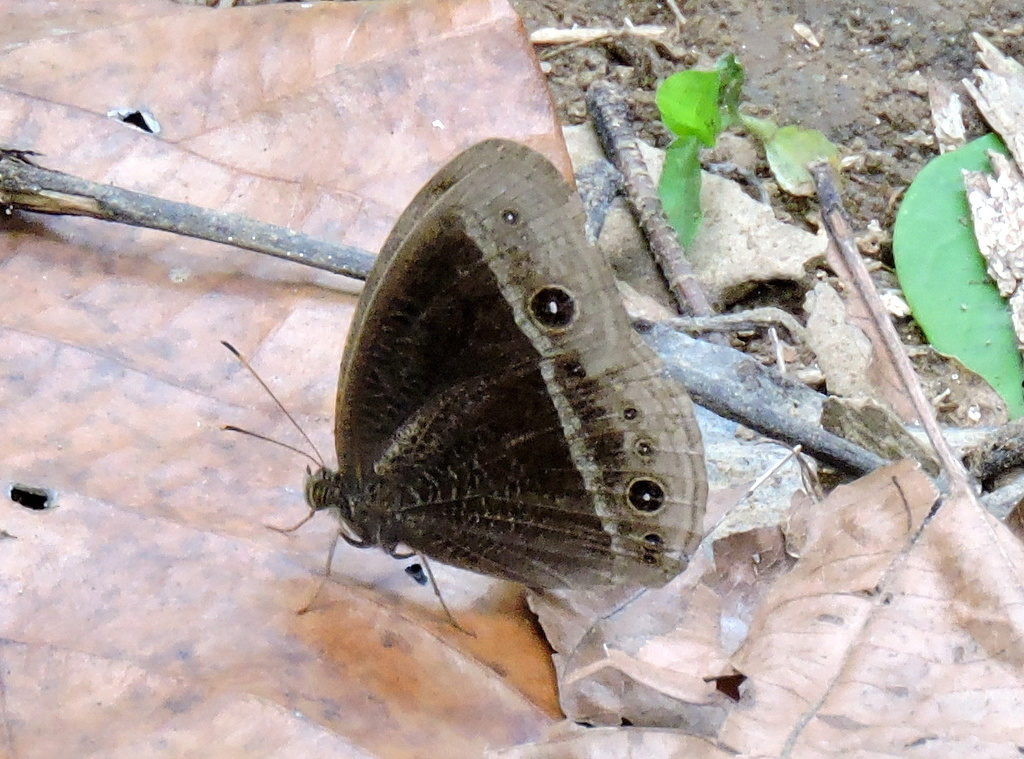
Telinga
The etymology of Telugu is thought to have been derived from trilinga, as in Trilinga Desa, "the country of the three lingas". According to a Hindu legend, Shiva descended as linga on three mountains namely, Kaleswaram in Telangana, Srisailam in Rayalaseema and Bhimeswaram, also known as Draksharamam in Coastal Andhra, which marked the boundaries of the Telugu country. It also thought to be believed that the word Telangana derived from Telingana,Telinga, Trilinga.
23 branches of this genus, most-observed first

Common Bushbrown
speciesTelinga janardana
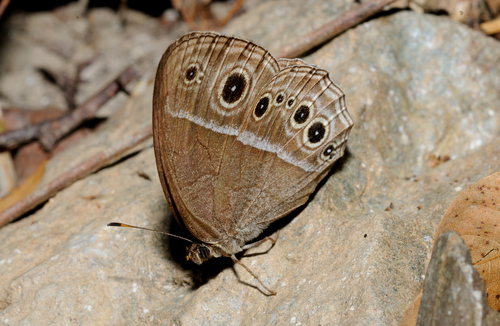
Painted Bushbrown
speciesTelinga sangaica
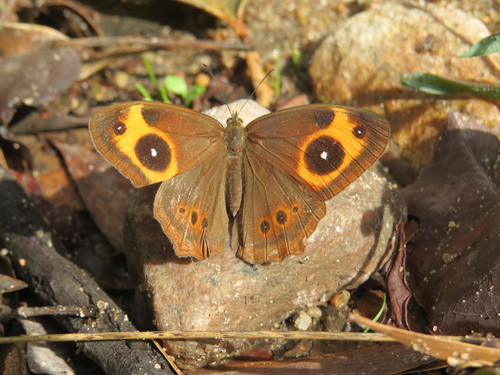
Red-disc Bushbrown
speciesTelinga oculus
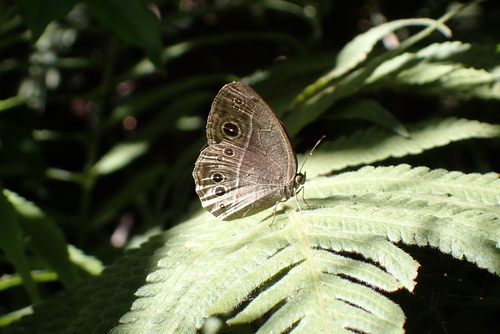
Telinga mara
speciesTelinga mara

White-line Bushbrown
speciesTelinga malsara
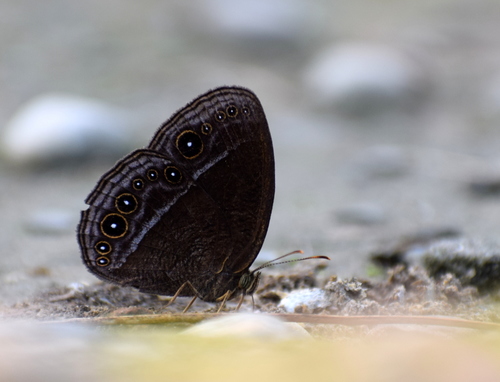
Plain Bushbrown
speciesTelinga malsarida
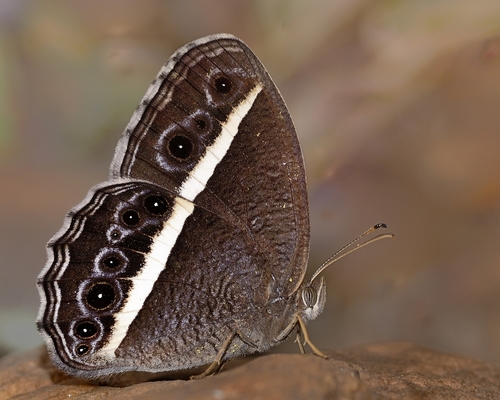
Palni Bushbrown
speciesTelinga davisoni

Lepcha Bushbrown
speciesTelinga lepcha
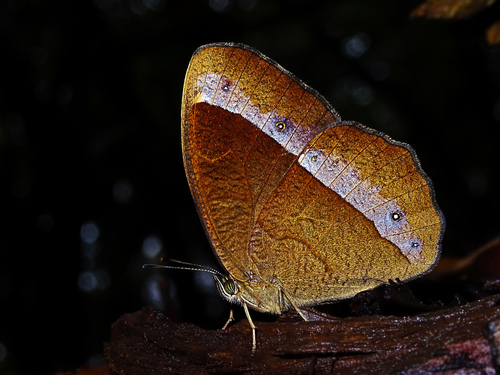
Redeye Bushbrown
speciesTelinga adolphei
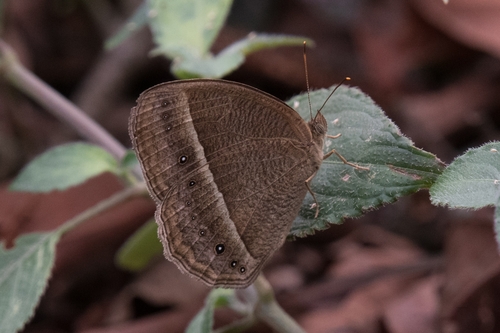
Bright-eye Bushbrown
speciesTelinga nicotia
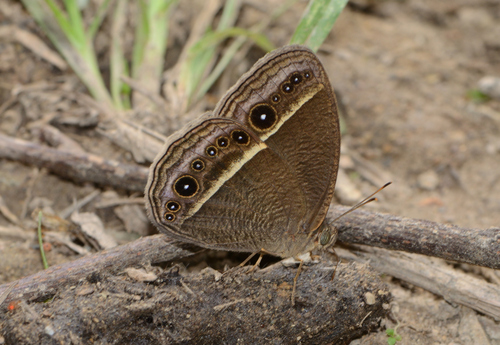
Salmon-branded Bushbrown
speciesTelinga misenus

Telinga inopia
speciesTelinga inopia
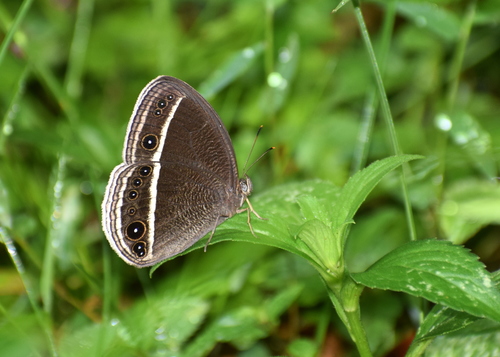
White-edged Bushbrown
speciesTelinga mestra
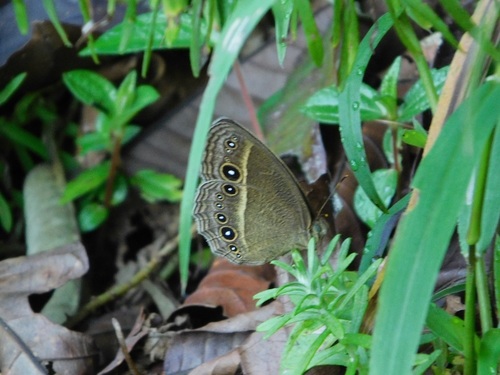
Large-eyed Bushbrown
speciesTelinga heri
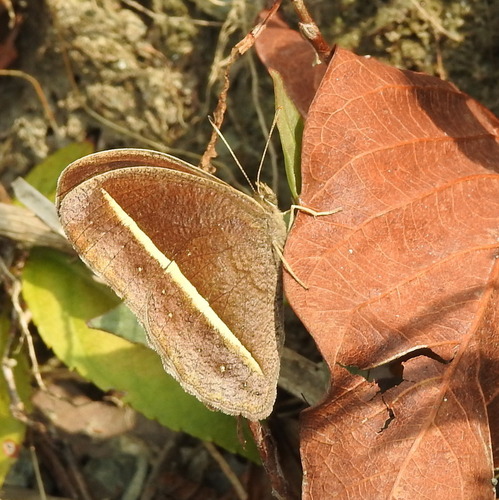
East Himalayan Lepcha Bushbrown
speciesTelinga kohimensis
Telinga mausonia
speciesTelinga mausonia
Telinga megamede
speciesTelinga megamede
Telinga micromede
speciesTelinga micromede
Telinga parva
speciesTelinga parva
Telinga sericus
speciesTelinga sericus
Telinga mystes
speciesTelinga mystes
Telinga bethami
speciesTelinga bethami
Telinga inayoshii
speciesTelinga inayoshii
Where it lives
Recorded sightings
—
geo-referenced records in GBIF, from museums, herbaria and field observers.
Drag the globe to turn it. Dots are where records exist, not a range map; darker means more records.
In the stacks
Searching the stacks…
Every page naming Telinga in the Biodiversity Heritage Library →
This page is assembled live from iNaturalist, GBIF, Wikipedia, the Source Library and the Internet Archive. It is not yet part of the hand-edited codex. iNaturalist taxon 559537.