- Animals
- ›Arthropods
- ›Hexapods
- ›Insects
- ›Winged and Once-winged Insects
- ›Ants, Bees, Wasps, and Sawflies
- ›Narrow-waisted Wasps, Ants, and Bees
- ›Ants, Bees, and Stinging Wasps
- ›Bees and Apoid Wasps
- ›Bees
- ›Honey Bees, Bumble Bees, and Allies
- ›Apine Bees
- ›Digger Bees
- ›Anthophora
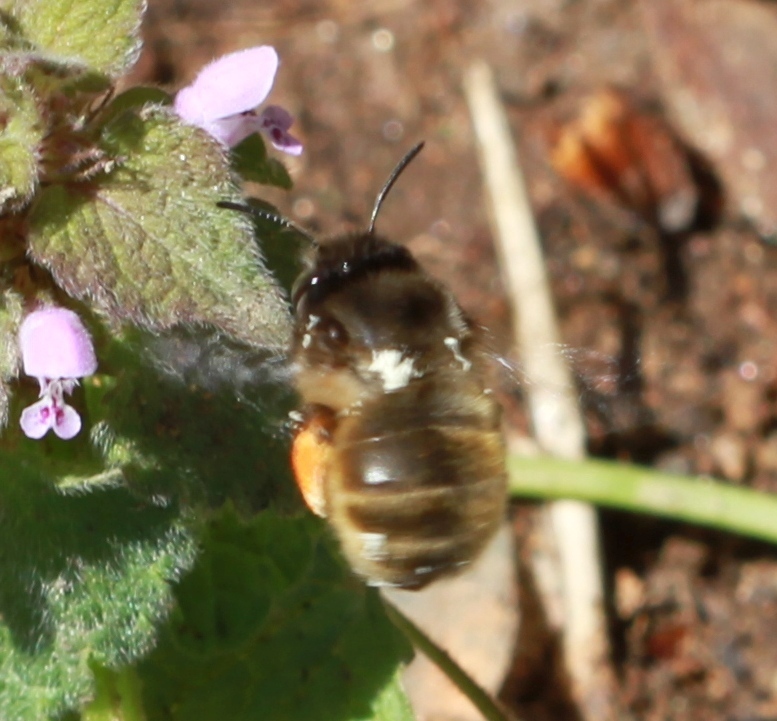
Anthophora
The bee genus Anthophora is one of the largest in the family Apidae, with over 450 species worldwide in 14 different subgenera. They are most abundant and diverse in the Holarctic and African biogeographic regions. All species are solitary, though many nest in large aggregations. Nearly all species make nests in the soil, either in banks or in flat ground; the larvae develop in cells with waterproof linings and do not spin cocoons. Males commonly have pale white or yellow facial markings, and/or peculiarly modified leg armature and hairs. Anthophora individuals can be distinguished from the very similar genus Amegilla by the possession of an arolium between the tarsal claws.
Species include:
10 branches of this group, most-observed first
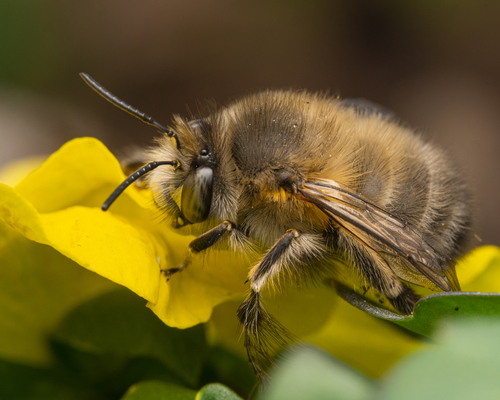
Hairy-footed Flower Bee
speciesAnthophora plumipes
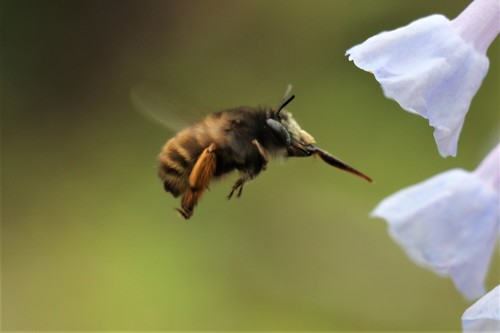
Asian Shaggy Digger Bee
speciesAnthophora villosula

Anthophora crinipes
speciesAnthophora crinipes

Anthophora melanognatha
speciesAnthophora melanognatha
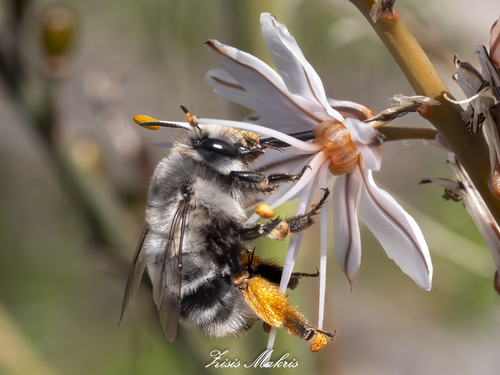
Anthophora canescens
speciesAnthophora canescens

Anthophora fulvitarsis
speciesAnthophora fulvitarsis

Anthophora senescens
speciesAnthophora senescens
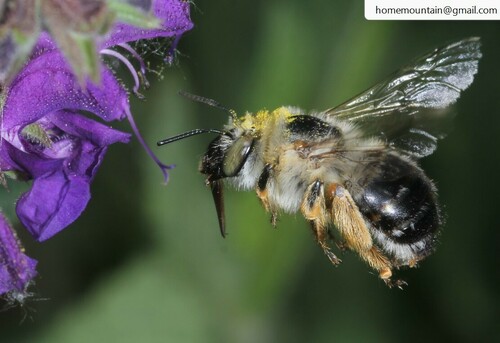
Anthophora chinensis
speciesAnthophora chinensis
Anthophora pilipes
speciesAnthophora pilipes

Anthophora patruelis
speciesAnthophora patruelis
Where it lives
Recorded sightings
—
geo-referenced records in GBIF, from museums, herbaria and field observers.
Drag the globe to turn it. Dots are where records exist, not a range map; darker means more records.
In the stacks
Searching the stacks…
Every page naming Anthophora in the Biodiversity Heritage Library →
This page is assembled live from iNaturalist, GBIF, Wikipedia, the Source Library and the Internet Archive. It is not yet part of the hand-edited codex. iNaturalist taxon 578071.