- Animals
- ›Arthropods
- ›Hexapods
- ›Insects
- ›Winged and Once-winged Insects
- ›Ants, Bees, Wasps, and Sawflies
- ›Narrow-waisted Wasps, Ants, and Bees
- ›Ants, Bees, and Stinging Wasps
- ›Formicoidea
- ›Ants
- ›Formicine Ants
- ›Camponotine Ants

Carpenter Ants, Typical Sugar Ants and Allies
Camponotus
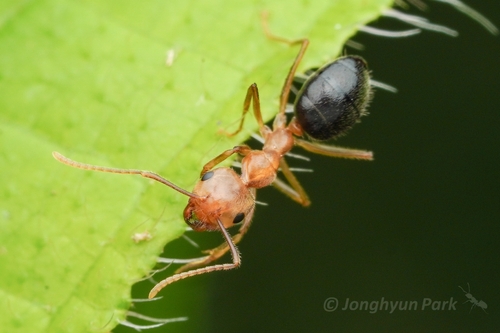
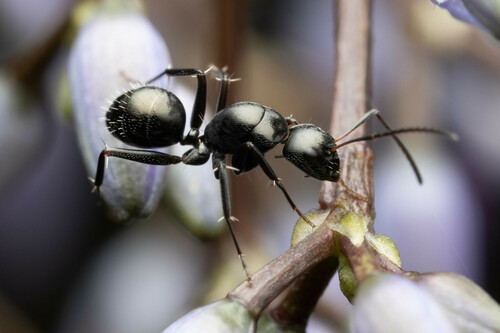
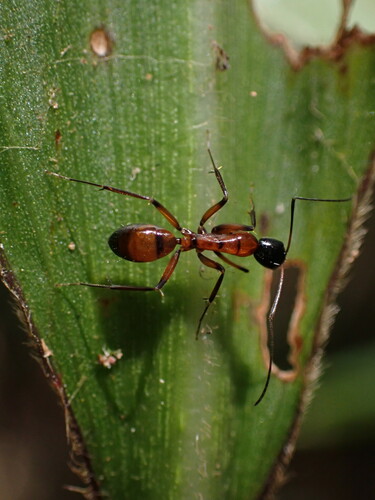
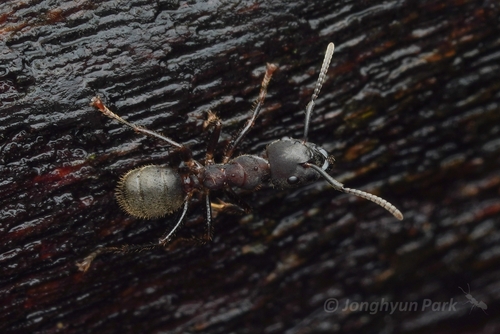
Camponotus, the carpenter ants, are a genus of ants in the subfamily Formicinae found nearly worldwide except in Antarctica and a few islands. This genus is the most species-rich genus of ants in terms of described species, comprising over 1,500 described species as of 2025. Although they are commonly referred to as carpenter ants, only a few members, mostly in the subgenera Camponotus and Myrmentoma, nest in wood.
True carpenter ants build nests inside wood, consisting of galleries chewed out with their mandibles or jaws, preferably in dead, damp wood. However, unlike termites, they do not consume wood, but instead discard a material that resembles sawdust outside their nest. Sometimes, carpenter ants hollow out sections of trees. They also commonly infest wooden buildings and structures, causing a widespread problem: they are a major cause of structural damage. Nevertheless, their ability to excavate wood helps in forest decomposition. The genus includes over 1,000 species. They also farm aphids. In their farming, the ants protect the aphids from predators (usually other insects) while they excrete a sugary fluid called honeydew, which the ants get by stroking the aphids with their antennae.
60 branches of this genus, most-observed first

True Carpenter Ants
subgenusCamponotus

Tanaemyrmex
subgenusTanaemyrmex

Cleft-lip Carpenter ants
subgenusMyrmentoma

Myrmothrix
subgenusMyrmothrix

Myrmosericus
subgenusMyrmosericus

Myrmobrachys
subgenusMyrmobrachys
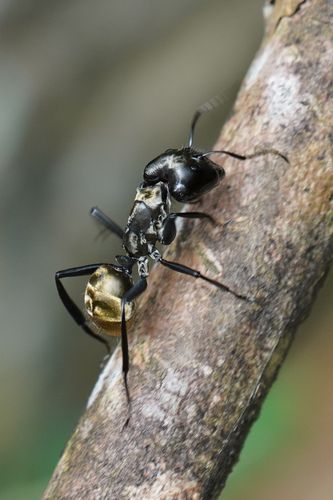
Myrmepomis
subgenusMyrmepomis
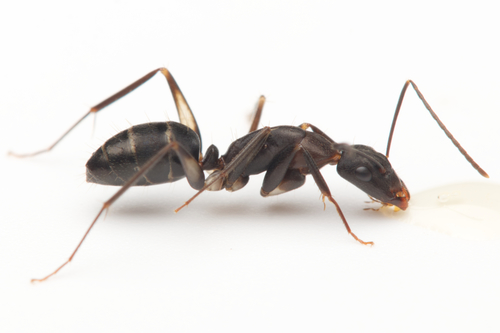
Myrmophyma
subgenusMyrmophyma
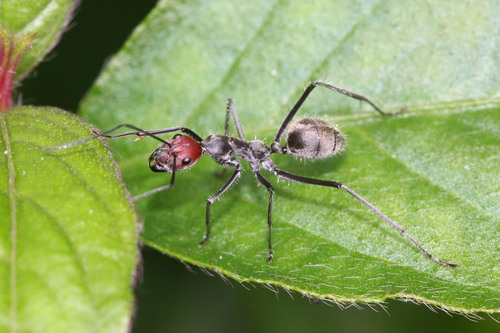
Monster-head Carpenter Ants
subgenusMyrmosaulus

Balbyter Sugar Ants
subgenusMyrmopiromis

Myrmaphaenus
subgenusMyrmaphaenus

Orthonotomyrmex
subgenusOrthonotomyrmex
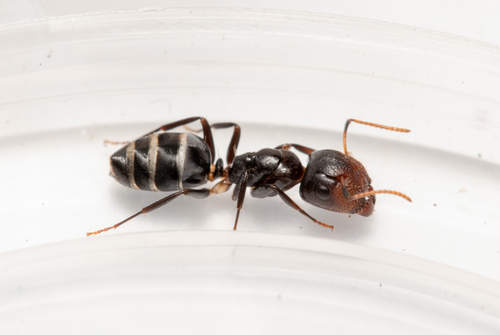
Myrmamblys
subgenusMyrmamblys
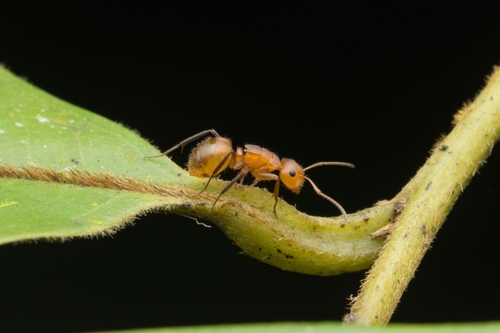
Myrmocladoecus
subgenusMyrmocladoecus
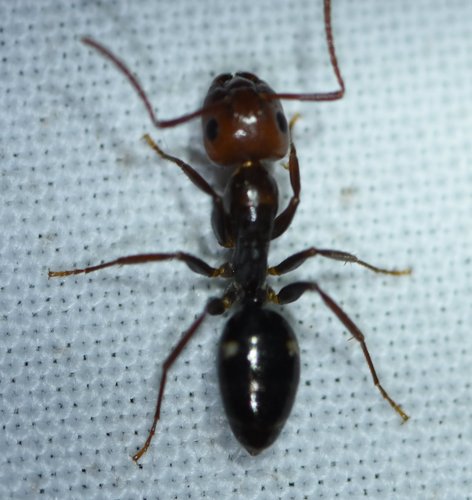
Myrmosphincta
subgenusMyrmosphincta

Thlipsepinotus
subgenusThlipsepinotus

Myrmotarsus
subgenusMyrmotarsus
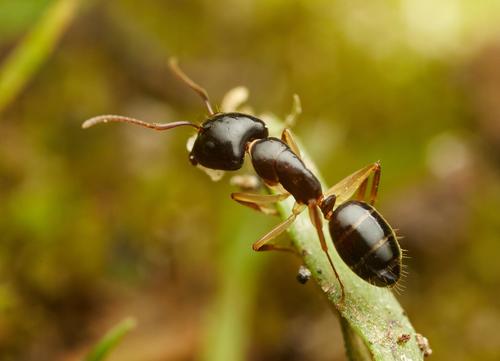
Paramyrmamblys
subgenusParamyrmamblys

Myrmotrema
subgenusMyrmotrema
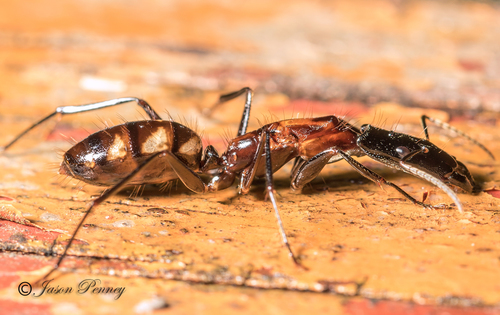
Myrmostenus
subgenusMyrmostenus
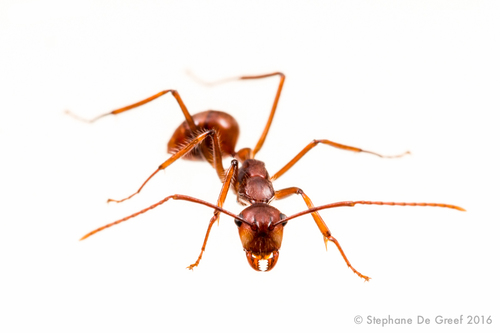
Dendromyrmex
subgenusDendromyrmex

Pseudocolobopsis
subgenusPseudocolobopsis
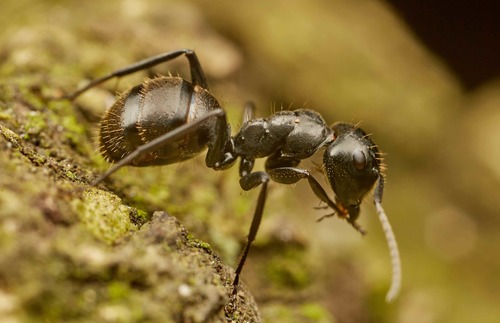
Myrmopelta
subgenusMyrmopelta

Myrmosaga
subgenusMyrmosaga

Myrmisolepis
subgenusMyrmisolepis
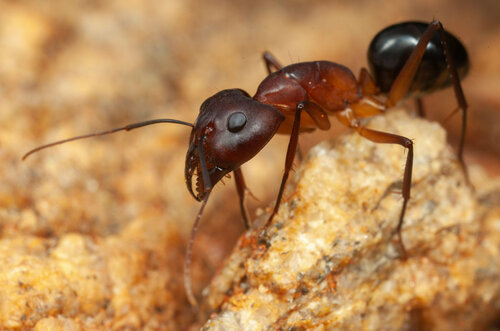
Myrmopsamma
subgenusMyrmopsamma

Myrmeurynota
subgenusMyrmeurynota
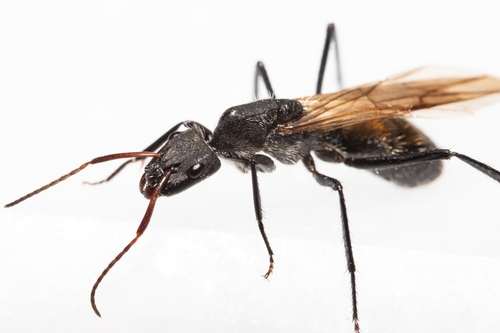
Myrmomalis
subgenusMyrmomalis
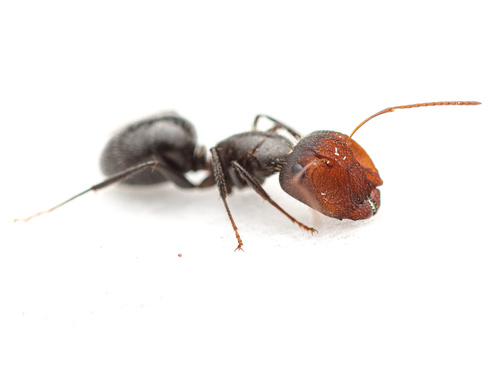
Hypercolobopsis
subgenusHypercolobopsis

Mayria
subgenusMayria
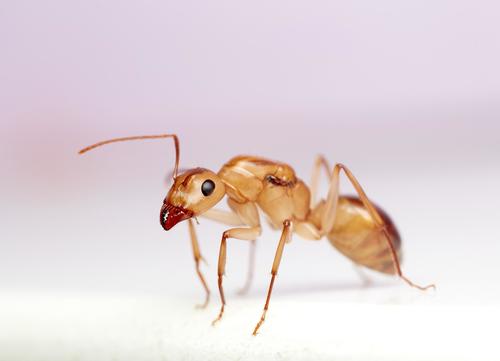
Myrmespera
subgenusMyrmespera
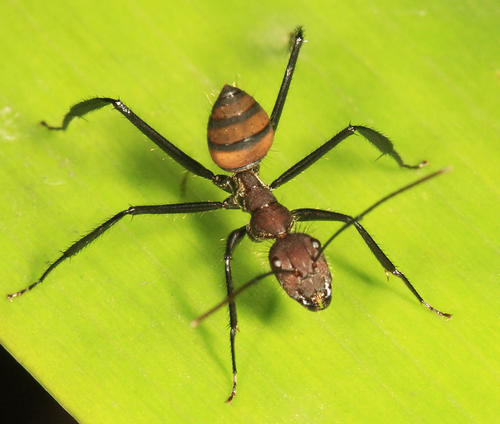
Myrmoplatypus
subgenusMyrmoplatypus
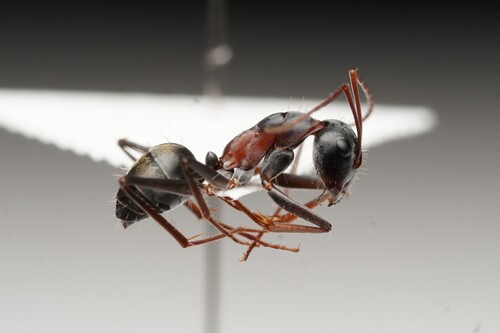
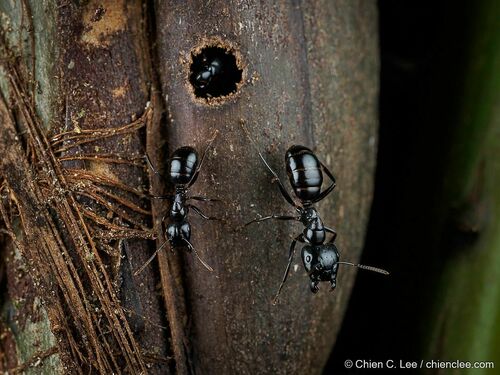
Camponotus ceriseipes
speciesCamponotus ceriseipes
Myrmoplatys
subgenusMyrmoplatys

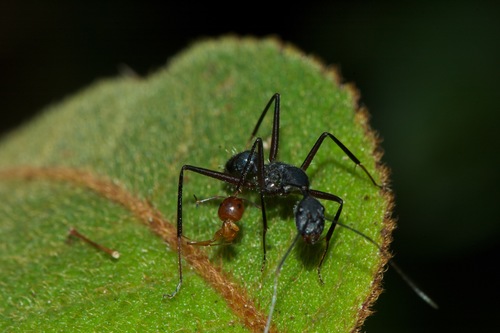
Camponotus johnclarki
speciesCamponotus johnclarki
Myrmoxygenys
subgenusMyrmoxygenys

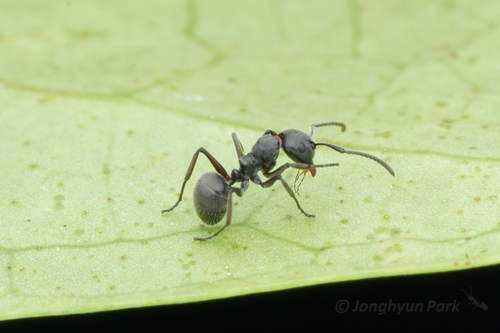
Camponotus armstrongi
speciesCamponotus armstrongi
Forelophilus
subgenusForelophilus
Phasmomyrmex
subgenusPhasmomyrmex
Karavaievia
subgenusKaravaievia
Camponotus cameratus
speciesCamponotus cameratus

Camponotus peleliuensis
speciesCamponotus peleliuensis
Myrmonesites
subgenusMyrmonesites

Camponotus prosseri
speciesCamponotus prosseri
Myrmopalpella
subgenusMyrmopalpella
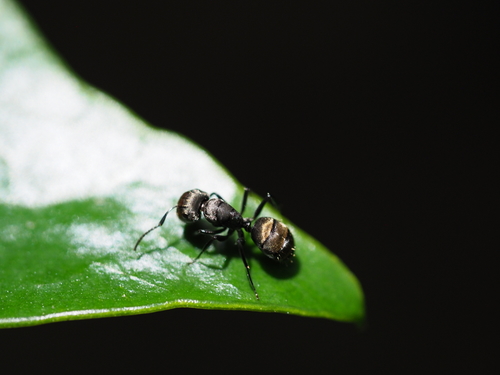
Camponotus flavicomans
speciesCamponotus flavicomans
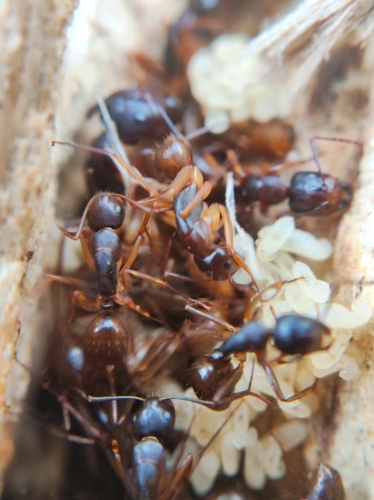
Camponotus helvus
speciesCamponotus helvus
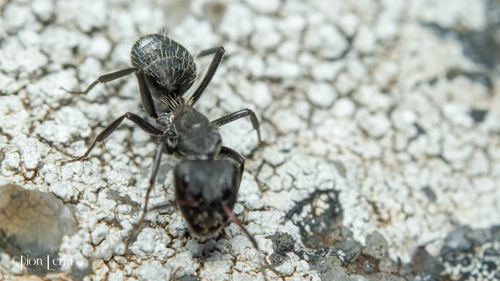
Myrmacrhaphe
subgenusMyrmacrhaphe
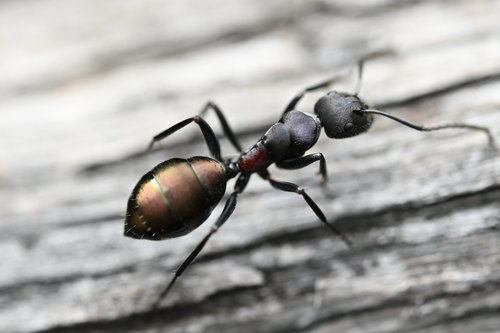
Camponotus chalceoides
speciesCamponotus chalceoides
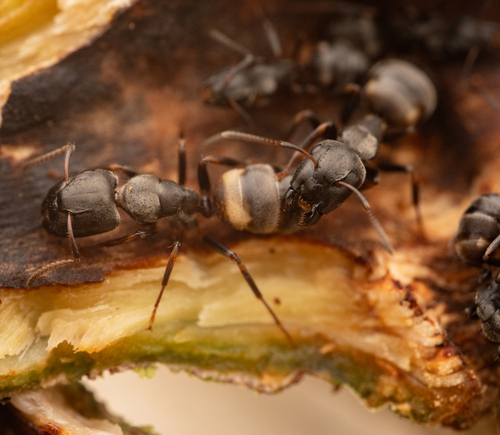
Camponotus wanangus
speciesCamponotus wanangus

Camponotus macareaveyi
speciesCamponotus macareaveyi

Camponotus meghalayaensis
speciesCamponotus meghalayaensis

Camponotus stefani
speciesCamponotus stefani

Camponotus arenatus
speciesCamponotus arenatus

Rhinomyrmex
subgenusRhinomyrmex

Camponotus constructor
speciesCamponotus constructor
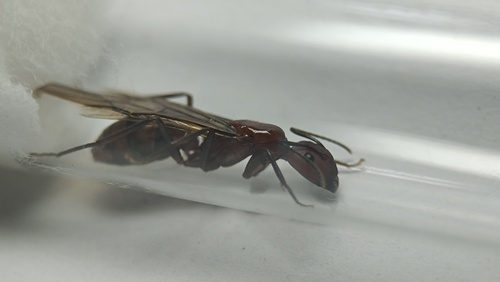
Camponotus branneri
speciesCamponotus branneri
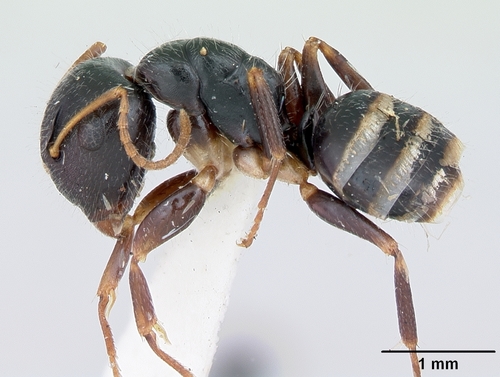
Camponotus marianensis
speciesCamponotus marianensis
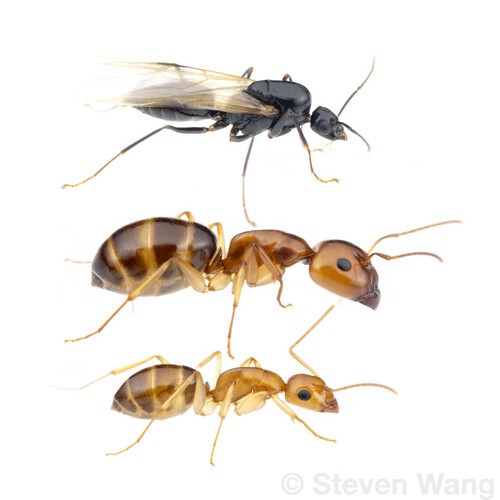
Camponotus discors
speciesCamponotus discors
Camponotus insipidus
speciesCamponotus insipidus
Where it lives
Recorded sightings
—
geo-referenced records in GBIF, from museums, herbaria and field observers.
Drag the globe to turn it. Dots are where records exist, not a range map; darker means more records.
In the stacks
Searching the stacks…
Every page naming Camponotus in the Biodiversity Heritage Library →
This page is assembled live from iNaturalist, GBIF, Wikipedia, the Source Library and the Internet Archive. It is not yet part of the hand-edited codex. iNaturalist taxon 62781.