 NL·0084
Herbarium of the Nature Library
- Name
- Tectona grandis
- Family
- Lamiaceae
- Native to
- India, Myanmar, Laos and Thailand; long naturalised in Java; plantations across the tropics
- Habitat
- Tropical monsoon (deciduous) forest
Teak
Tectona grandis
Also calledSagwan / Sagaun (Hindi/Urdu) · Shaka (Sanskrit) · Thekku (Malayalam/Tamil) · Kyun (Burmese) · Mai sak (Thai) · Jati (Indonesian/Malay) · 柚木 yòumù (Chinese)
A tree in the mint family that became the world's most famous ship timber. Teak's oily, silica-rich wood shrugs off water, rot and termites, so it was used for warships, temples and deck planks for centuries. The great natural teak forests of Myanmar, Laos and Thailand are now largely gone.
Teak is a tropical hardwood tree species in the family Lamiaceae. It is a large, deciduous tree that occurs in mixed hardwood forests. Tectona grandis has small, fragrant white flowers arranged in dense clusters (panicles) at the end of the branches. These flowers contain both types of reproductive organs. The large, papery leaves of teak trees are often hairy on the lower surface. Teak wood has a leather-like smell when it is freshly milled and is particularly valued for its durability and water resistance. The teak wood is used for boat building, exterior construction, veneer, furniture, carving, turnings, and various small projects. Wikipedia
What it can do
- iMakes heartwood with natural oils and tectoquinone that repel termites and fungi
- iiIts wood barely shrinks or swells with moisture, so it was ideal for ship decks
- iiiDrops its huge leaves in the dry season and survives fire
- ivIts leaves are among the largest of any tree, up to about 50 cm long, and yield a red dye
At the table
Not a food. Leaves are used to wrap food in parts of India and Java. Teak sawdust can cause dermatitis and asthma.
In the medicine cabinet
| Tradition | Use |
|---|---|
| Ayurveda | Bark and wood (shaka) as astringent; leaf preparations for skin disease and bleeding |
| Javanese folk medicine | Young leaves used as a red dye and for skin problems |
Weight of evidence
Traditional. Long historical use; little or no modern clinical evidence.
Active compounds
tectoquinone (2-methylanthraquinone), lapachol, naphthoquinones
Fruit & seed


Fruit
Drupe in an inflated calyx
Ripens: Dry season after monsoon flowering
Hard, four-chambered stone inside a papery, balloon-like calyx.
Seed
~1–1.5 cm
Very hard, woody fruit stone with up to four seeds
- Dispersal
- Wind (papery calyx), water and gravity
- Germination
- Alternately soak and sun-dry fruits for 1–2 weeks to break dormancy; germination is erratic
Photographs from Wikimedia Commons under open licences; hover for the photographer, click for the file.
How to grow it
Hardiness (USDA zones)
Tropical only (USDA 10–12). Survives winters down to about -1 °C.
- Light
- Full sun
- Water
- Wet season and dry season
- Soil
- Deep, well-drained, calcium-rich
- Propagation
- Seed, stump cuttings, tissue culture
- To harvest
- Plantation timber in 20–60 years
- Climates
- Tropical, Monsoon
- 1Soak fruits overnight and sun-dry by day for 1–2 weeks
- 2Sow in nursery beds; transplant 'stumps' (pruned seedlings) at the start of the rains
- 3Weed well: teak is intolerant of competition
- 4Thin plantings over time to produce straight trunks
Can it grow where you are?
Where it lives
Recorded sightings
—
geo-referenced records in GBIF, from museums, herbaria and field observers.
Native range
India, Myanmar, Laos and Thailand; long naturalised in Java; plantations across the tropics
Drag the globe to turn it. Dots are where records exist, not a range map; darker means more records.
In the stacks
Searching the stacks…
Every page naming Tectona grandis in the Biodiversity Heritage Library →
Marginalia
Britain's Royal Navy and the East India Company built ships from Malabar and Burmese teak, and the timber trade shaped colonial forestry in British India.
Curiosity
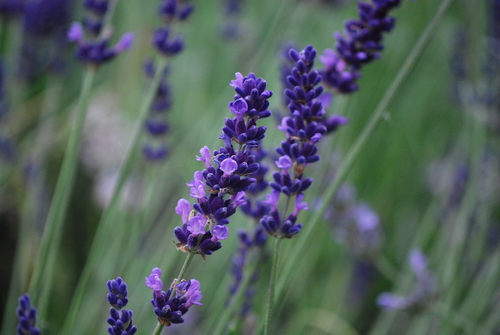
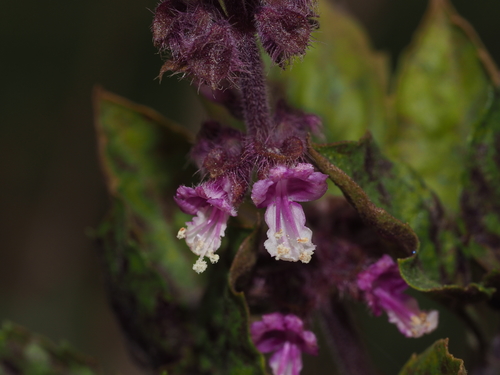
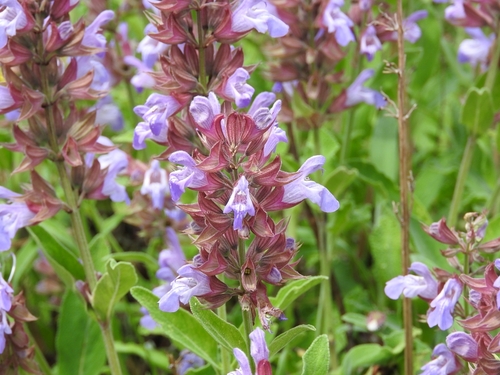
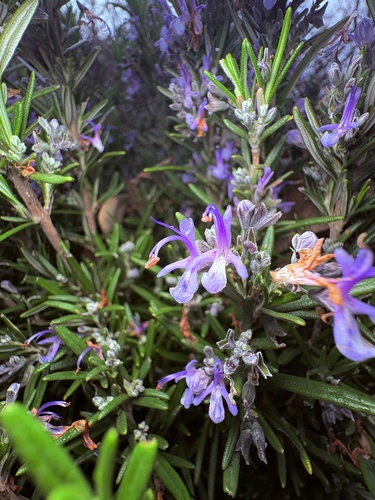
Teak is in the mint family, Lamiaceae, the same family as basil and lavender.
Kinship

Fact-checked: 1 correction made to this sheet. Photographs: iNaturalist contributors under the licences shown. Records: GBIF.org. Historical plates: Source Library (CC BY-SA 4.0; originals public domain). Summary text: Nature Library editors and Wikipedia (CC BY-SA). Medicinal and edibility notes are historical and educational, not advice. iNaturalist taxon 62887.