- Animals
- ›Molluscs
- ›Cephalopods
- ›Octopuses, Squids, and Cuttlefishes
- ›Octopuses and Vampire Squids
- ›Octopuses
- ›Incirrate Octopuses
- ›Typical Octopuses, Giant Octopuses, and Allies
- ›Megaleledonids
- ›Megaleledone
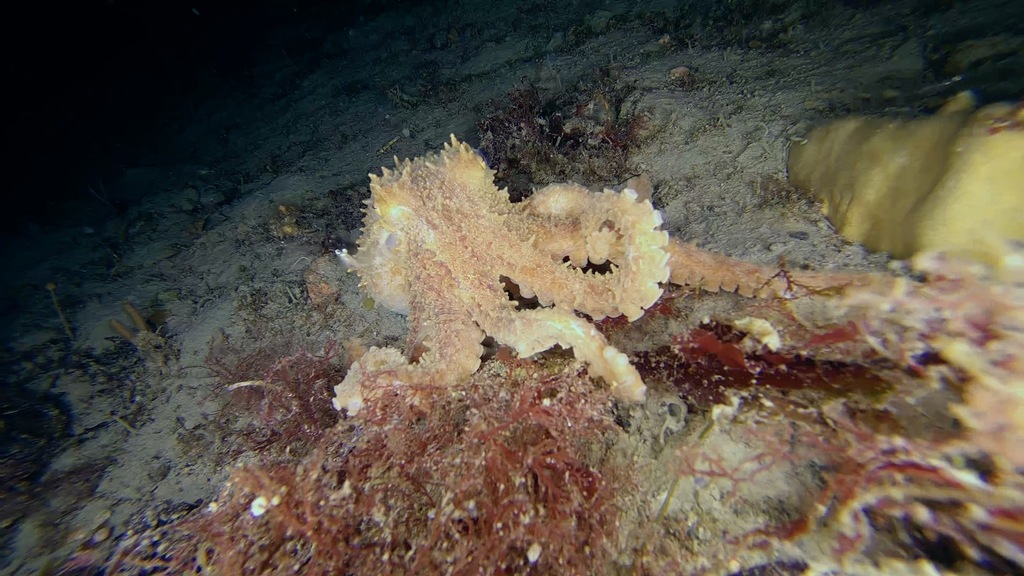
Giant Antarctic Octopus
Megaleledone setebos
Megaleledone setebos, the giant Antarctic octopus, is a very large venomous octopus with a circum-Antarctic distribution. It grows to at least 28 cm in mantle length and 90 cm in total length. M. setebos feeds by drilling small holes in large, shelled mollusks, and then injecting its toxic saliva. The venom even works at subfreezing temperatures. Out of the known species of Antarctic octopods, Megaleledone setebos prefers to use its physical abilities over its venom to subdue prey, possibly because of its thicker skin and larger size.
The first specimen was captured from Cape Evans on Ross Island during the British
From the article Megaleledone on Wikipedia (CC BY-SA), quoted section by section
In human culture
"Setebos" is believed to refer to the god mentioned in Shakespeare's play The Tempest, or the poem Caliban upon Setebos by Robert Browning, which contains the lines "Careth but for Setebos / The many-handed as a cuttle-fish'".
== References ==
Wikipedia: “Etymology”
Where it lives
Recorded sightings
—
geo-referenced records in GBIF, from museums, herbaria and field observers.
Drag the globe to turn it. Dots are where records exist, not a range map; darker means more records.
In the stacks
Searching the stacks…
Every page naming Megaleledone setebos in the Biodiversity Heritage Library →
This page is assembled live from iNaturalist, GBIF, Wikipedia, the Source Library and the Internet Archive. It is not yet part of the hand-edited codex. iNaturalist taxon 699773.