- Animals
- ›Arthropods
- ›Chelicerates
- ›Arachnids
- ›Spiders
- ›Typical Spiders
- ›Entelegyne Spiders
- ›Orbweavers and Allies
- ›Long-jawed Orbweavers
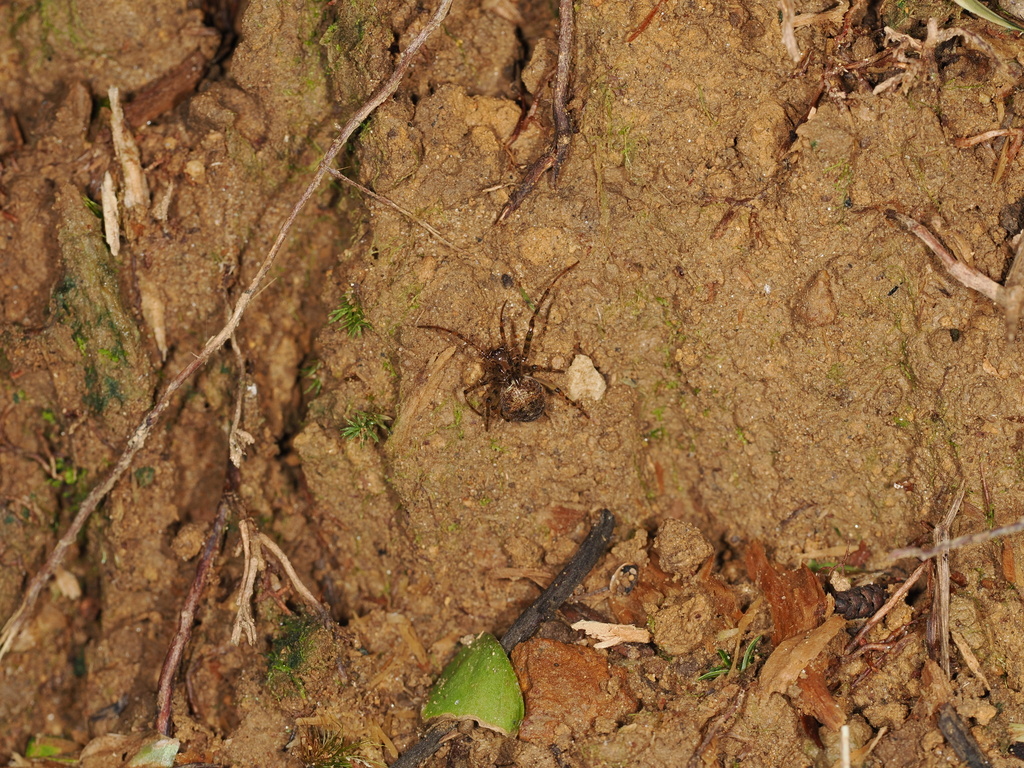
Zhinu
The Cowherd and the Weaver Girl are characters found in Chinese mythology who appear eponymously in a romantic Chinese folk tale. The story tells of the romance between Zhinü the weaver girl, symbolized by the star Vega, and Niulang the cowherd, symbolized by the star Altair. Despite their love for each other, their romance was forbidden, and thus they were banished to opposite sides of the heavenly river (symbolizing the Milky Way). Once a year, on the seventh day of the seventh lunar month, a flock of magpies would form a bridge to reunite the lovers for a single day. Though there are many variations of the story, the earliest-known reference to this famous myth dates back to a poem from the Classic of Poetry from over 2600 years ago.
The Cowherd and the Weaver Girl originated from people's worship of natural celestial phenomena and later developed into the Qiqiao or Qixi Festival during the Han dynasty. It has also been celebrated as the Tanabata festival in Japan and the Chilseok festival in Korea. In ancient times, women would make wishes to the stars of Vega and Altair in the sky during the festival, hoping to have a wise mind, a dexterous hand (in embroidery and other household tasks), and a good marriage.
2 branches of this genus, most-observed first
See this branch on the Wheel of Life →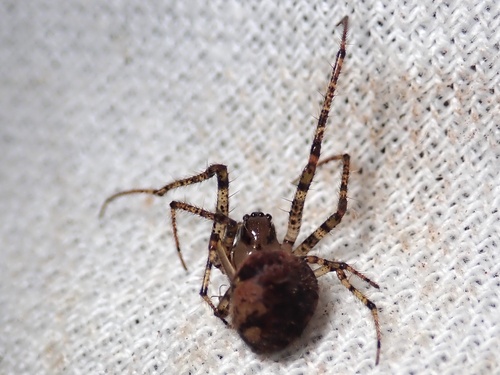
Where it lives
Recorded sightings
—
geo-referenced records in GBIF, from museums, herbaria and field observers.
Drag the globe to turn it. Dots are where records exist, not a range map; darker means more records.
In the stacks
Searching the stacks…
Every page naming Zhinu in the Biodiversity Heritage Library →
This page is assembled live from iNaturalist, GBIF, Wikipedia, the Source Library and the Internet Archive. It is not yet part of the hand-edited codex. iNaturalist taxon 819913.