- Animals
- ›Arthropods
- ›Hexapods
- ›Insects
- ›Winged and Once-winged Insects
- ›True Bugs, Hoppers, Aphids, and allies
- ›True Hoppers
- ›Planthoppers
- ›Fulgoroidea
- ›Lanternflies
- ›Lystrinae
- ›Diloburini
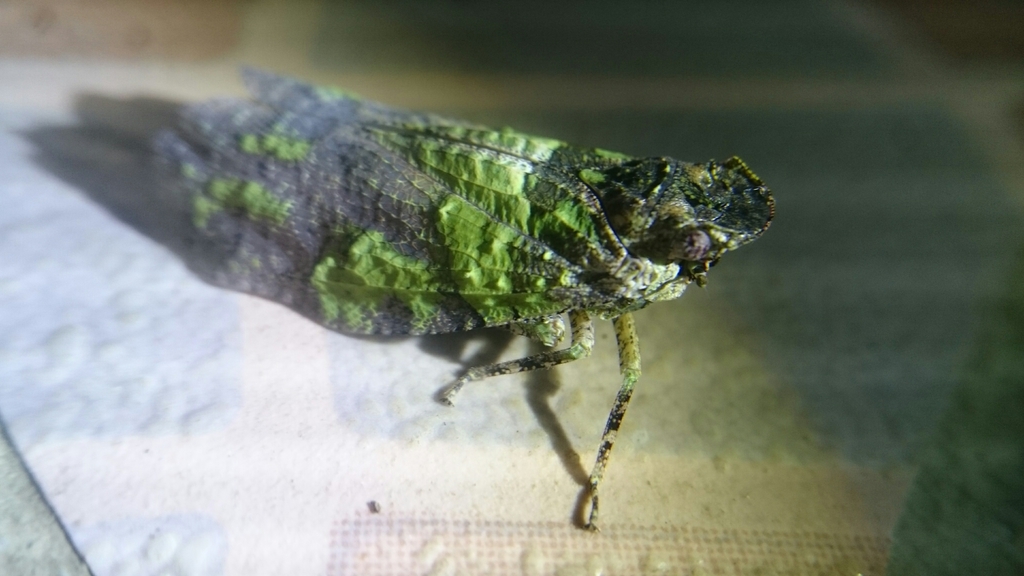
Japetus
Iapetus (/aɪˈæpɪtəs/; Greek: Ιαπετός), or occasionally Japetus /ˈdʒæpɪtəs/, is the third-largest natural satellite of Saturn, eleventh-largest in the Solar System, and the largest body in the Solar System known not to be in hydrostatic equilibrium. Iapetus is best known for its dramatic "two-tone" coloration. Discoveries by the Cassini mission in 2007 revealed several other unusual features, such as a massive equatorial ridge running three-quarters of the way around the moon.
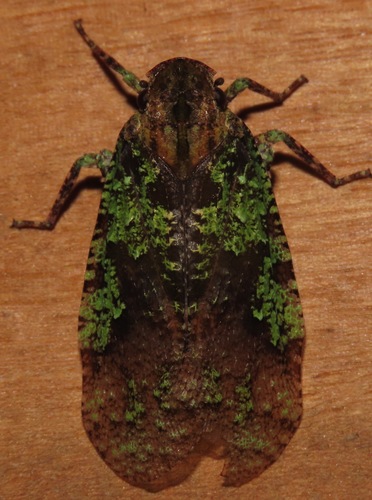
2 branches of this genus, most-observed first
See this branch on the Wheel of Life →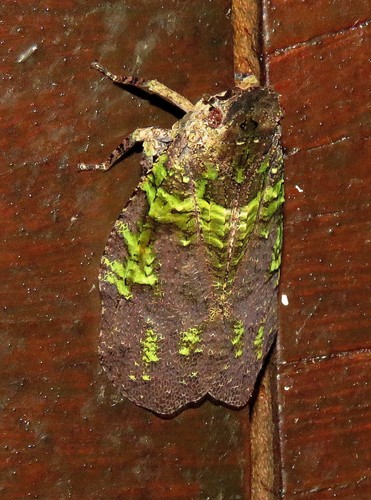
Where it lives
Recorded sightings
—
geo-referenced records in GBIF, from museums, herbaria and field observers.
Drag the globe to turn it. Dots are where records exist, not a range map; darker means more records.
In the stacks
Searching the stacks…
Every page naming Japetus in the Biodiversity Heritage Library →
This page is assembled live from iNaturalist, GBIF, Wikipedia, the Source Library and the Internet Archive. It is not yet part of the hand-edited codex. iNaturalist taxon 855792.