- Animals
- ›Arthropods
- ›Hexapods
- ›Insects
- ›Winged and Once-winged Insects
- ›Butterflies and Moths
- ›Ermine Moths and Allies
- ›Plutellidae
- ›Plutella
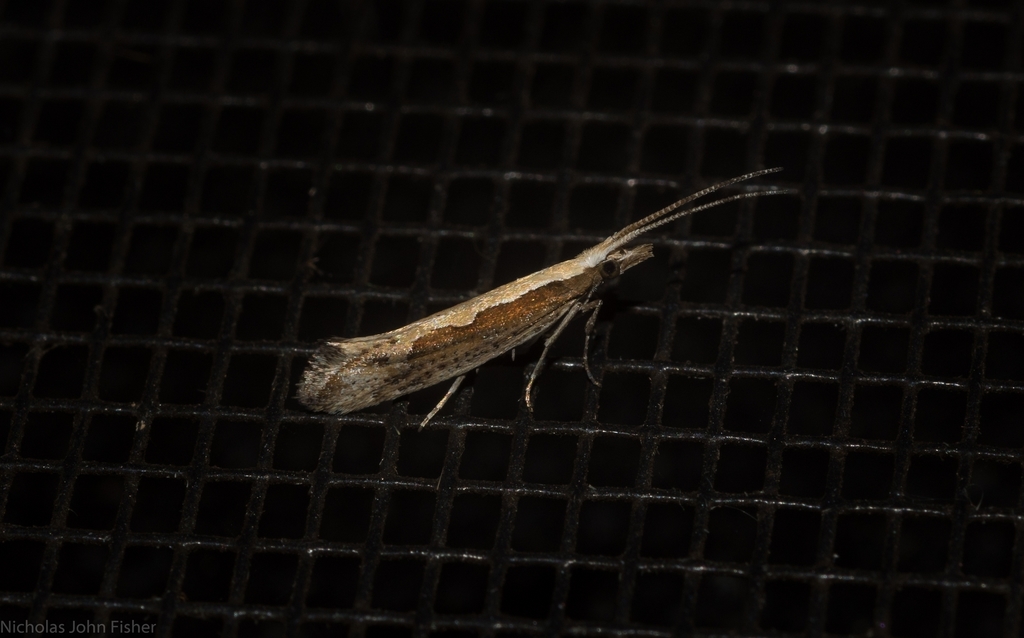
Plutella xylostella
The diamondback moth (Plutella xylostella), sometimes called the cabbage moth, is a moth species of the family Plutellidae and genus Plutella. The small, grayish-brown moth sometimes has a cream-colored band that forms a diamond along its back. The species may have originated in Europe, South Africa, or the Mediterranean region, but it has now spread worldwide.
The moth has a short life cycle (14 days at 25 °C), is highly fecund, and is capable of migrating long distances. Diamondback moths are considered pests as they feed on the leaves of cruciferous crops and plants that produce glucosinolates. However, not all of these plants are equally useful as hosts to the moth. Because of this, studies have suggested using wintercress as a trap crop around agricultural fields because diamondback moths are highly attracted to that plant but their larvae fail to survive when eggs are laid on it.
2 branches of this group, most-observed first
See this branch on the Wheel of Life →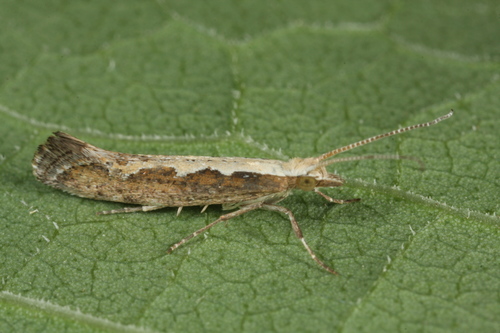
Where it lives
Recorded sightings
—
geo-referenced records in GBIF, from museums, herbaria and field observers.
Drag the globe to turn it. Dots are where records exist, not a range map; darker means more records.
In the stacks
Searching the stacks…
Every page naming Plutella xylostella in the Biodiversity Heritage Library →
This page is assembled live from iNaturalist, GBIF, Wikipedia, the Source Library and the Internet Archive. It is not yet part of the hand-edited codex. iNaturalist taxon 911325.