- Animals
- ›Arthropods
- ›Hexapods
- ›Insects
- ›Winged and Once-winged Insects
- ›Butterflies and Moths
- ›Pyralid and Crambid Snout Moths
- ›Pyralid Snout Moths
- ›Knot-horn Moths
- ›Phycitini
- ›Ectomyelois
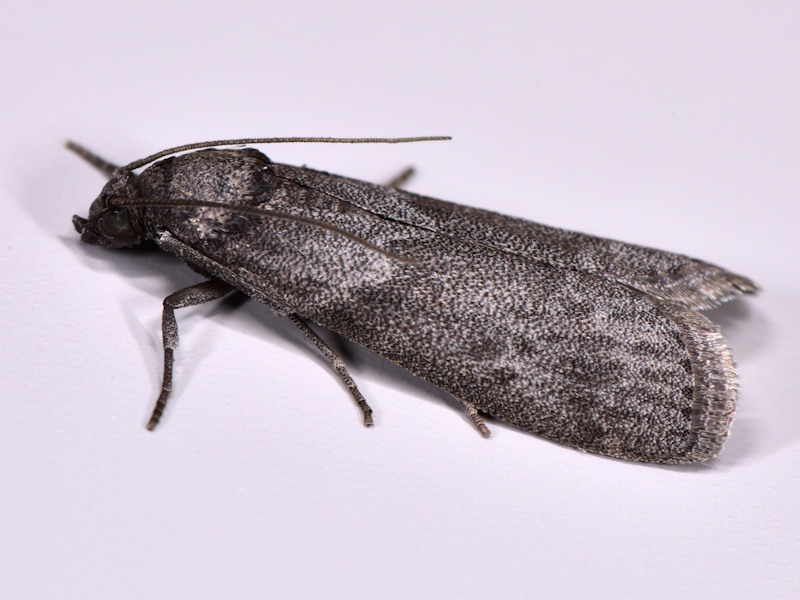
Locust bean moth
Ectomyelois ceratoniae
Ectomyelois ceratoniae, the locust bean moth, more ambiguously known as "carob moth", is a moth of the family Pyralidae. It has a nearly cosmopolitan distribution.
The larvae are translucent white, with the internal organs visible from the outside. They feed on the seeds and pods of a wide range of plants, including Punica granatum, Citrus fruit, Pistacia vera, Juglans regia, Prunus dulcis, Macadamia integrifolia, Acacia farnesiana, Caesalpinia sappan, Cassia bicapsularis, Ricinus, Erythrina monosperma, Haematoxylum campechianum, Prosopis juliflora, Samanea saman, Phoenix dactylifera, and Ceratonia siliqua. It is a considerable agricultural pest, recognized as the most economically damaging pest of the date industry in California. In many regions around the world, it also damages many other high-value nut and fruit commodities such as almonds, pistachios, macadamias, pomegranates, and stone and pome fruits.
Listen
Looking for field recordings…
Where it lives
Recorded sightings
—
geo-referenced records in GBIF, from museums, herbaria and field observers.
Drag the globe to turn it. Dots are where records exist, not a range map; darker means more records.
In the stacks
Searching the stacks…
Every page naming Ectomyelois ceratoniae in the Biodiversity Heritage Library →
This page is assembled live from iNaturalist, GBIF, Wikipedia, the Source Library and the Internet Archive. It is not yet part of the hand-edited codex. iNaturalist taxon 953134.