The Apothecary / Lungs & breathing
Asthma and wheeze
85 remedies
See a doctor if
Herbs are not a substitute for inhalers. Severe breathlessness is an emergency.
Reference, not prescription. Nothing here is medical advice. Herbs can interact with medicines and be dangerous in pregnancy; tell your doctor or pharmacist about anything you take.
Limited evidence
LimitedSmall or few trials, mixed results, or mainly lab and animal work.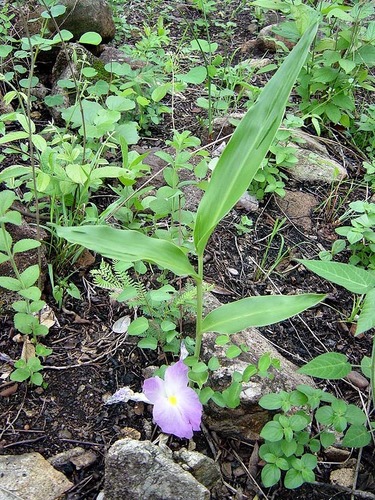
African ginger
Siphonochilus aethiopicus
Used for mild asthma. Extracts and a furanoterpenoid (siphonochilone) blocked histamine H1 and glucocorticoid receptor binding and phosphodiesterase IV in vitro, and reduced lung inflammation in allergic mice without changing airway hyperreactivity. A patented extract for asthma and allergies was developed, but no human trials were found.
Asian mint
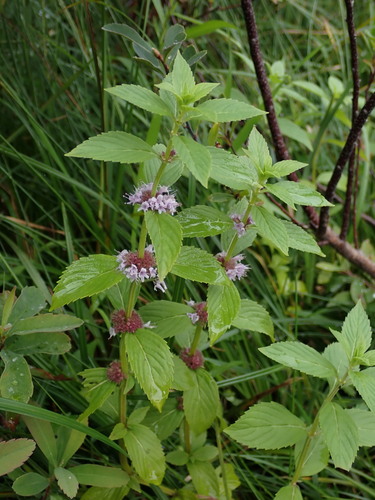
Mentha canadensis
In mice with allergic asthma, an ethanol extract (100 mg/kg) and the constituent menthone (40 mg/kg) reduced IgE, Th2 cytokines and airway eosinophils. No human trials were found.
Assyrian plum
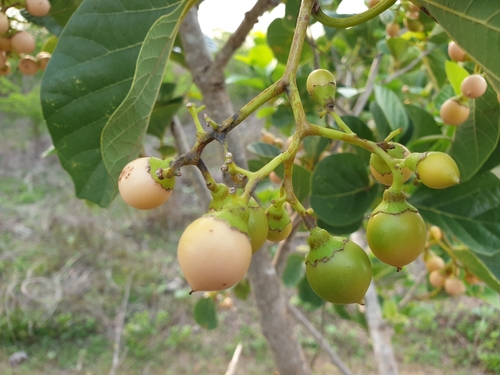
Cordia myxa
Used in Persian medicine for asthma prevention; the fruit extract relaxed sheep tracheal smooth muscle in the laboratory, probably through nitric oxide. Hakim Ajmal Khan prescribed the Sapistan decoction for bronchial asthma, pleurisy and pneumonia.
Bharangi
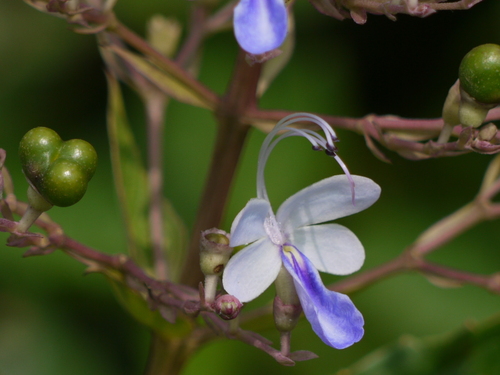
Rotheca serrata
Its best-known use. An ethanolic root extract (0.53 and 5.3 mg/kg by mouth) reduced inflammatory cells, IgE and cytokines and improved lung function in rats with ovalbumin-induced asthma; anti-allergic and mast-cell-stabilising effects have been reported in other animal studies. No human trials found.
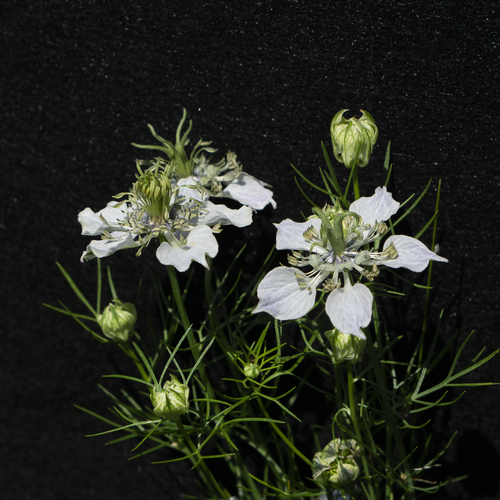
Black seed (Black cumin)
Nigella sativa
A meta-analysis of 4 RCTs found better asthma-control scores and FEV1 as an add-on, but no change in peak flow.
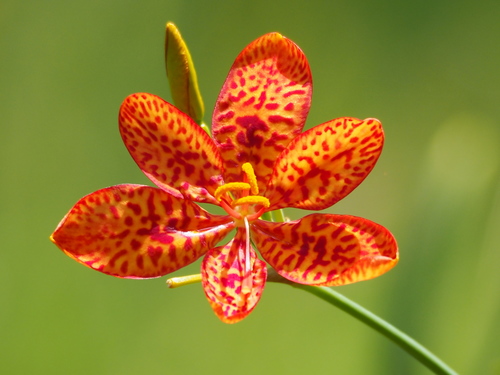
Blackberry lily
Iris domestica
Part of Shegan-Mahuang Decoction (Yakammaoto in Japan), a nine-herb Han-dynasty formula used for flu-like illness and early acute asthma; the formula reduced airway hyperresponsiveness and Th2/Th17 responses in asthmatic mice.
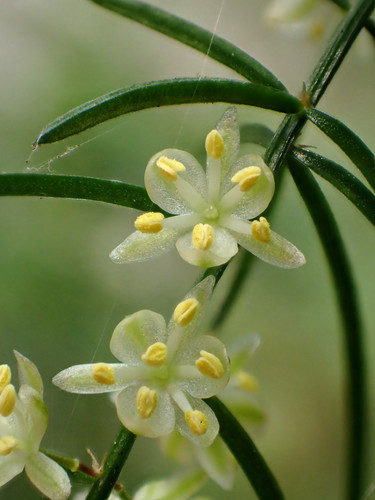
Chinese asparagus
Asparagus cochinchinensis
A saponin-enriched extract reduced airway inflammatory cells, IgE, mucus-cell overgrowth and airway thickening in a mouse model of allergic asthma, and methyl protodioscin from the root reduced lung inflammatory cytokines in mice.

Fever tea
Lippia javanica
Used for asthma in southern Africa. In a rat model of allergic asthma, two weeks of a 5% tea infusion (50–100 mg/kg/day, described as equal to 1–2 cups a day) reduced airway eosinophils, serum IgE and Th2 cytokines; there are no human studies.
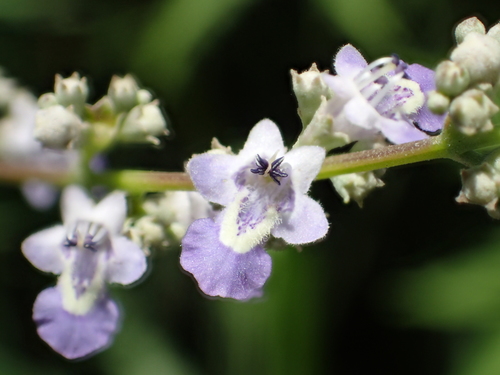
Five-leaved chaste tree
Vitex negundo
Part of the same Philippine FDA over-the-counter approval (cough and asthma). In Sri Lanka, leaf preparations are used for asthma in indigenous and Ayurvedic medicine.

Flixweed
Descurainia sophia
In Chinese medicine the seed relieves dyspnoea and wheezing. Seed extract reduced airway inflammation, mucus and eosinophils in mice with allergic asthma, and delayed acetylcholine- and histamine-induced smooth-muscle spasm in guinea pigs. No human trials were found.
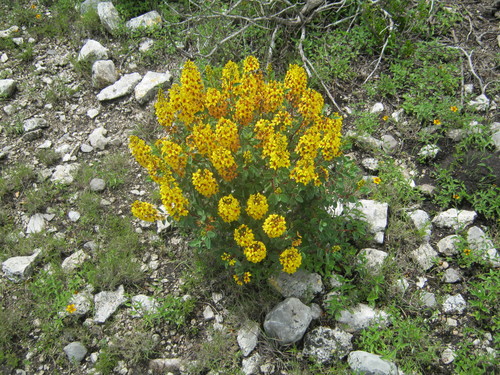
Galphimia
Galphimia glauca
A traditional antiasthmatic. In guinea pigs, a methanolic extract and its gallic acid, methyl gallate, quercetin and tetragalloylquinic acid inhibited acute bronchial reactions to allergens. Animal data only.
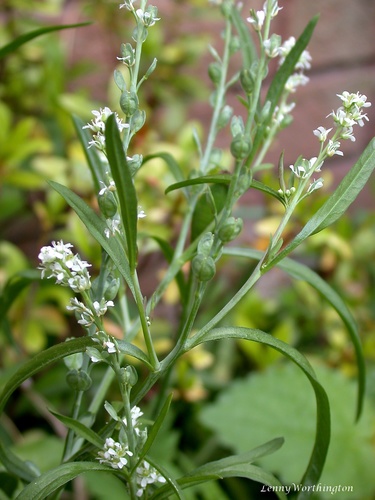
Garden cress
Lepidium sativum
A small uncontrolled study, summarised in a 2024 review, gave 30 people with mild to moderate bronchial asthma 1 g of powdered seed three times daily for 4 weeks and reported improved spirometry with no adverse effects. No controlled trials were found.
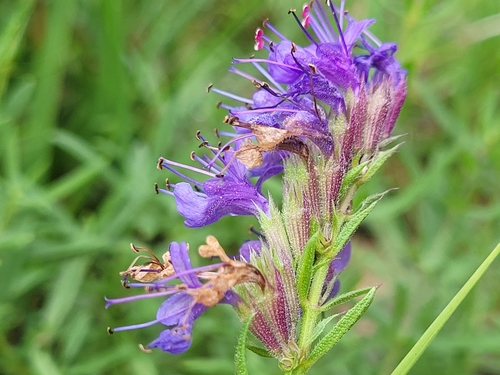
Hyssop
Hyssopus officinalis
In a randomised, placebo-controlled trial in Iran, 60 adults with mild-to-moderate asthma took hyssop syrup (equivalent to 6 g herb per 5 ml, twice daily) or sugar syrup for 4 weeks alongside usual treatment. Those with a productive cough improved in FEV1, peak flow, asthma control and wheezing; those with a dry cough got worse, and five stopped because of more coughing or breathlessness.
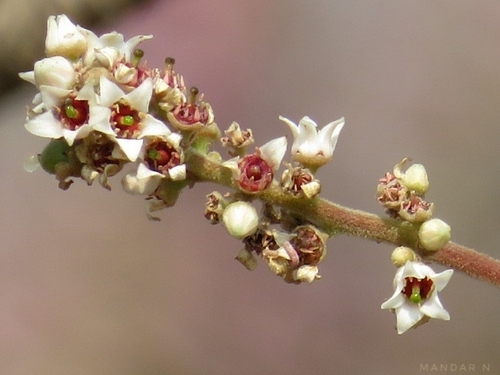
Indian frankincense
Boswellia serrata
WHO lists bronchial asthma among uses supported by clinical data, but NCCIH judges the few small studies too weak to say it helps.

Indian ipecac
Tylophora indica
Five randomised trials of Tylophora indica in asthma were counted in a 2000 systematic review, and a 2010 meta-analysis found a single study suggesting improved lung function. Both reviews concluded that the trials were small and poorly designed and that no herbal asthma treatment can be recommended. Traditional use is to chew the fresh leaves each morning for a week.
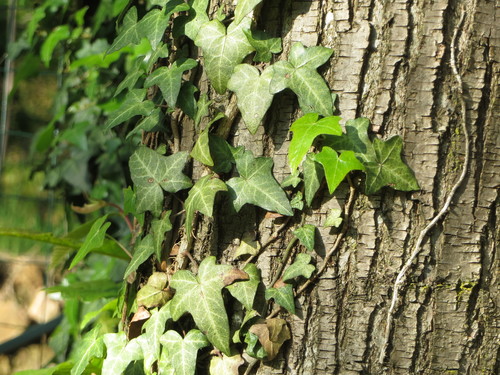
Ivy
Hedera helix
A 2003 review of three small trials in children with chronic asthma found ivy-leaf drops reduced airway resistance compared with placebo in one trial; the authors said little could be concluded from so thin a database. It is not a substitute for asthma medicines.
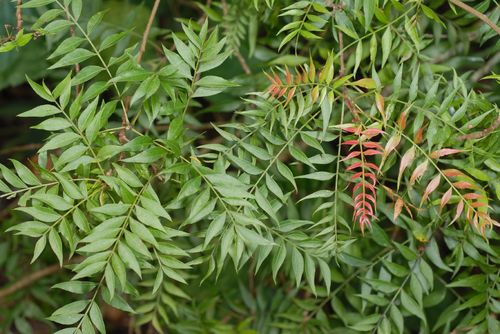
Karkatashringi
Pistacia integerrima
Galls are used in South Asia for asthma. A gall extract reduced airway inflammation, TNF-α, IL-4 and IL-5 and lung oedema in a mouse allergic-asthma model. A 2026 review says clinical studies of polyherbal formulations containing the galls suggest fewer attacks and better chest expansion, but single-herb trials were not found.
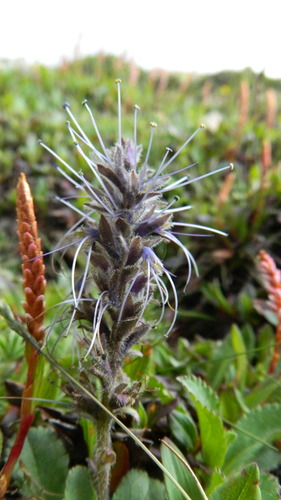
Kutki
Picrorhiza kurroa
WHO cites two uncontrolled studies in bronchial asthma (20 and 36 patients) reporting fewer attacks in about half; it was not effective for acute attacks. Not a substitute for asthma medicines.
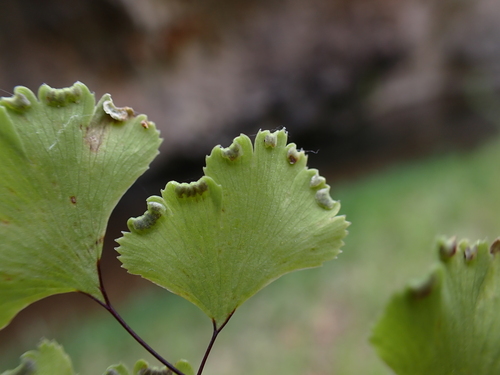
Maidenhair fern
Adiantum capillus-veneris
Used in Persian medicine for asthma; an ethanol extract had anti-asthmatic and anti-inflammatory effects in guinea pigs exposed to histamine aerosol.
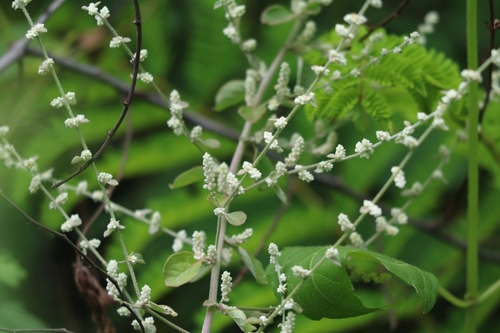
Mountain knotgrass
Aerva lanata
An extract relaxed isolated goat trachea and, at 30–60 mg/kg by mouth, showed anti-asthmatic and mast-cell-stabilising effects in mice. Extracts also reduced airway inflammation in mice with ovalbumin-induced allergic asthma. Animal work only.
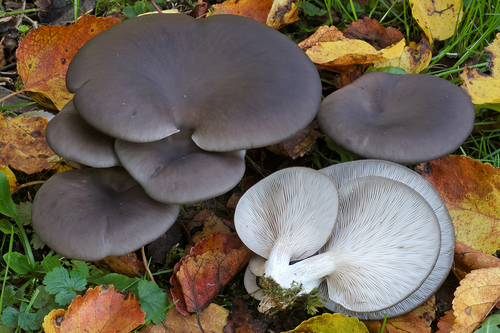
Oyster mushroom
Pleurotus ostreatus
In a 230-child placebo-controlled trial, pleuran plus vitamin C added to standard treatment improved asthma control (84.7% vs 67.0%) and reduced respiratory infections in some age groups compared with vitamin C alone; a single trial.
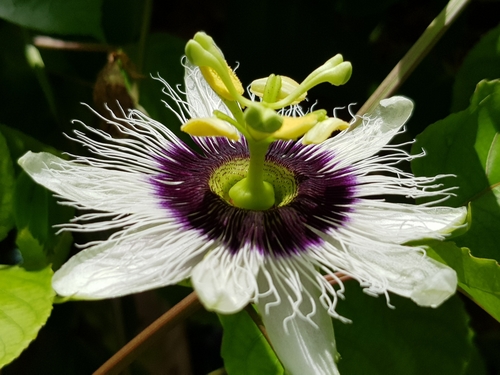
Passion fruit
Passiflora edulis
One 4-week randomised, placebo-controlled trial of purple passion fruit peel extract (150 mg/day) in adults with asthma reported less wheeze, cough and breathlessness and a rise in forced vital capacity, but no change in FEV1. It has not been independently repeated.
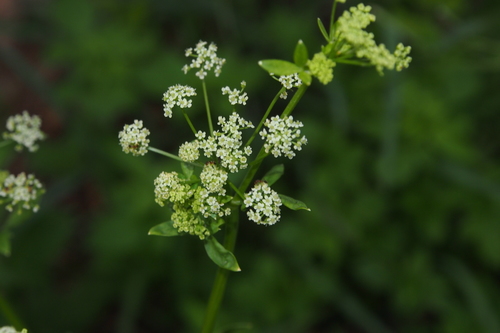
Qian hu
Peucedanum praeruptorum
Used traditionally for asthma and chest congestion; raw and honey-roasted root relieved experimental asthma in guinea pigs, and nodakenin reduced airway hyperreactivity and inflammation in mice. Animal data only.
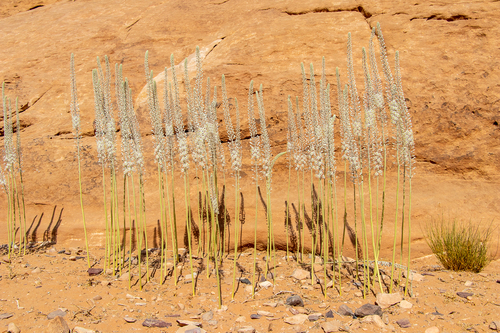
Sea squill
Drimia maritima
In a 6-week triple-blind pilot trial in 60 Iranian patients with moderate to severe persistent asthma, 10 ml squill oxymel twice daily added to inhaled treatment improved FEV1 more than plain honey oxymel or placebo. A single small trial.
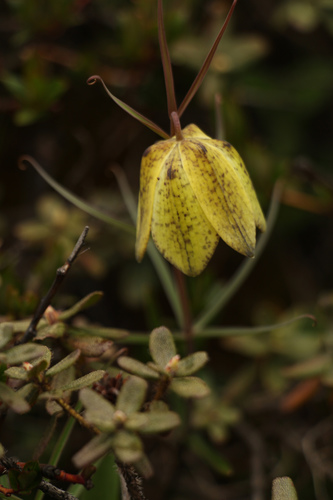
Sichuan fritillary
Fritillaria cirrhosa
Ethanol extracts of chuan bei mu species reduced allergen-induced rises in airway resistance in guinea pigs, and a compound formula containing it delayed induced asthma in guinea pigs; no human trials found.
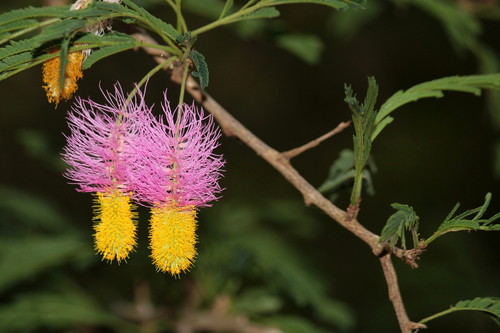
Sickle bush
Dichrostachys cinerea
Root bark is used for asthma in Côte d'Ivoire and Gabon. Extracts relaxed isolated mouse and guinea-pig trachea in organ-bath experiments; at low concentrations one extract instead constricted guinea-pig trachea. No human studies.
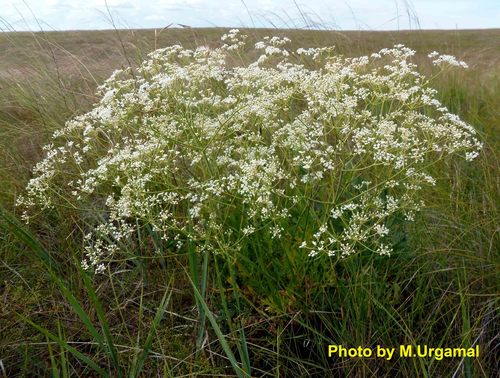
Siler
Saposhnikovia divaricata
A 2026 meta-analysis of 20 randomised trials (1,896 adults, almost all in China) found that adding Yupingfeng powder to conventional asthma treatment raised the overall response rate (RR 1.20) and improved lung function. The included studies were of moderate methodological quality and reported few adverse-event data. These results are for the three-herb formula, not fang feng alone.
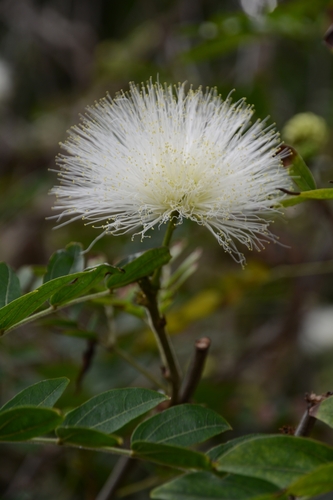
Siris
Albizia lebbeck
Used in Indian traditional medicine for asthma. A 2026 review cites a trial in 60 asthma patients in which a bark decoction improved FEV1 and symptoms, and a case series of 20; neither could be verified, and controls and blinding are unclear.

Spiked ginger lily
Hedychium spicatum
Ayurvedic texts list Shati for asthma. Aqueous and ethanol rhizome extracts (100–400 mg/kg) delayed histamine-induced bronchospasm in guinea pigs; powdered rhizome has been reported in older Indian clinical studies for asthma and tropical pulmonary eosinophilia, which were not available to check.
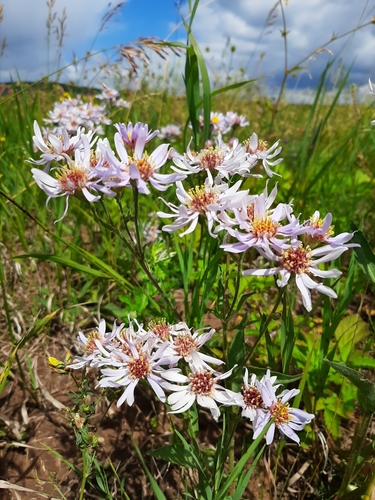
Tatarian aster
Aster tataricus
Ethanol extracts relaxed guinea-pig airway smooth muscle and showed anti-asthmatic activity in animal models. It appeared in 205 of 218 Chinese prescriptions analysed for cough-variant asthma, but it has not been tested on its own in people.
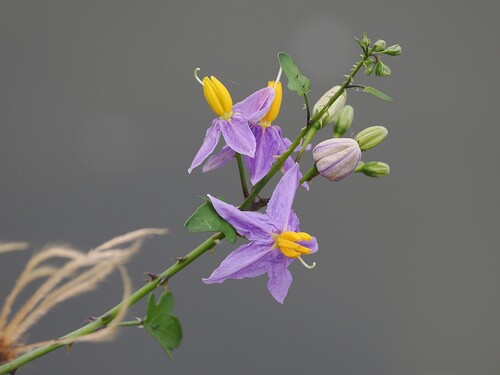
Thoothuvalai
Solanum trilobatum
In a pilot study, a single 300 mg dose of whole-plant powder improved lung-function tests (FVC, FEV1, peak flow) 2 hours later in people with mild to moderate asthma, but less than deriphylline or salbutamol. A follow-up giving 300 mg three times daily for 3 days found progressive peak-flow gains and fewer symptoms, roughly equal to deriphylline but less than salbutamol. Both were small, short studies without placebo groups; no side effects were reported.

Tiger milk mushroom
Lignosus rhinocerotis
A 2026 systematic review found mostly animal and isolated-airway studies: extracts cut eosinophils, Th2 cytokines and IgE in sensitised mice and relaxed airway tissue. Only one human study existed, in which 300 mg of capsules twice daily for three months improved lung function and respiratory symptom scores against baseline, with no placebo group. The authors judged the evidence largely preclinical.
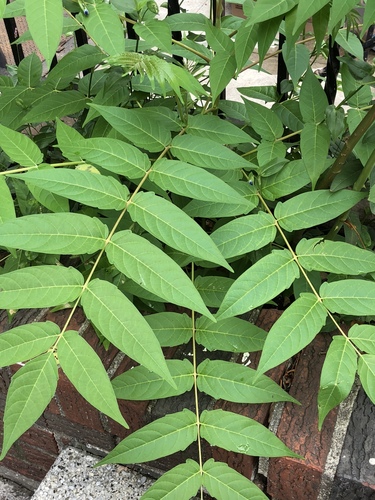
Tree of heaven
Ailanthus altissima
Asthma is among its traditional uses in China, Korea and India. A crude bark extract relaxed isolated rat airway tissue. It has not been tested in people.
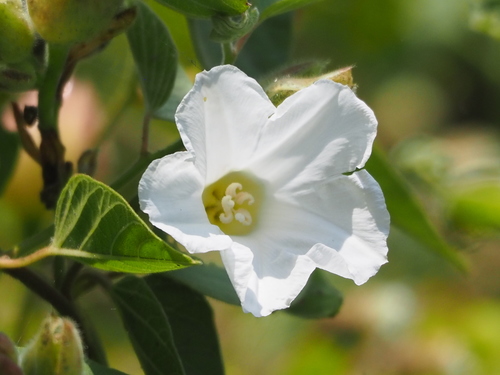
Turpeth
Operculina turpethum
Traditionally used for cough and asthma. The same extract relaxed guinea-pig airway tissue contracted by carbachol or potassium. No clinical data.

Xin yi
Magnolia biondii
In a retrospective study, the Kampo formula Shin'iseihaito, which contains xin yi among other herbs, helped 21 of 40 asthma patients with upper airway disease.
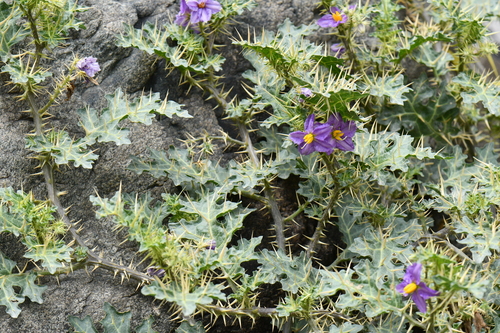
Yellow-berried nightshade
Solanum virginianum
In small Indian studies of mild-to-moderate asthma, 300 mg of whole-plant powder improved lung function. The effect was smaller than salbutamol and, over 3 days, similar to deriphylline. A 69-patient open-label trial found two forms of the multi-herb Kantakari Avaleha similarly effective over 60 days, but had no placebo group.
Traditional use
TraditionalLong recorded use, essentially untested in clinical trials.
African moringa
Moringa stenopetala
Leaves and roots are used for asthma and common colds by healers in southern Ethiopia, and the leaves are boiled as tea for asthma.
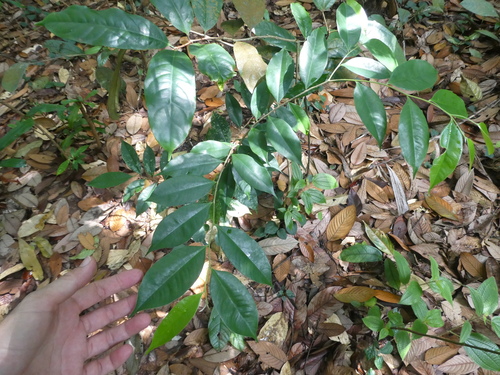
Agarwood
Aquilaria malaccensis
Prescribed in Chinese medicine for respiratory disorders including cough and asthma; anti-inflammatory effects (NF-κB and MAPK inhibition) are shown in lab and animal studies only.

Ammoniac
Dorema ammoniacum
Persian physicians called it a remedy for dyspnoea, orthopnoea and especially asthma; Ibn Nafis recommended a linctus of the gum with honey or barley mucilage. Iranian folk medicine still uses the latex for asthma.
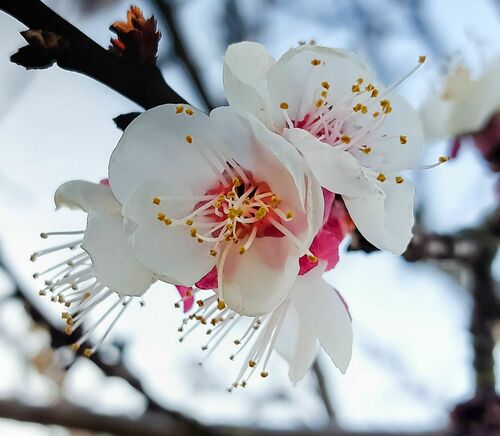
Apricot
Prunus armeniaca
Paired with ephedra in classical Chinese formulas for wheezing; studied only in animals.
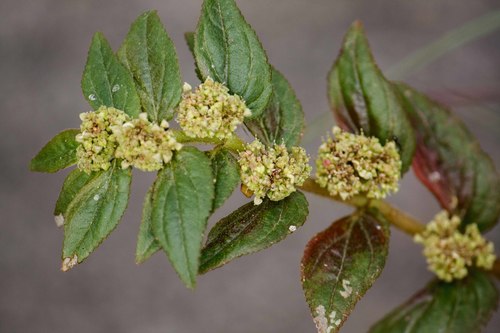
Asthma weed
Euphorbia hirta
Used in Africa and Asia for asthma, bronchitis, hay fever and coughs, and its leaves were mixed with Datura in 'asthma cigarettes'. A relaxing effect on the bronchi is reported from old pharmacology, but there are no clinical trials.
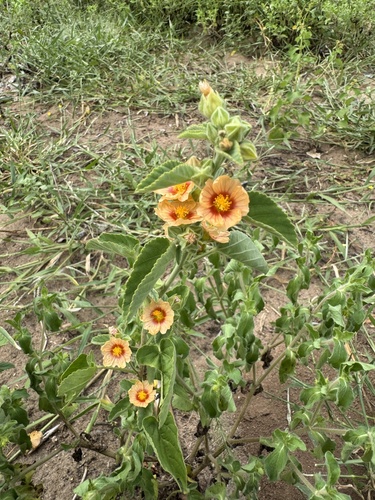
Bala
Sida cordifolia
Brazilian folk medicine (as malva branca) and several African traditions use it for asthma, bronchitis and nasal congestion. Its ephedrine content would be expected to open the airways, but the plant itself has not been tested for this.
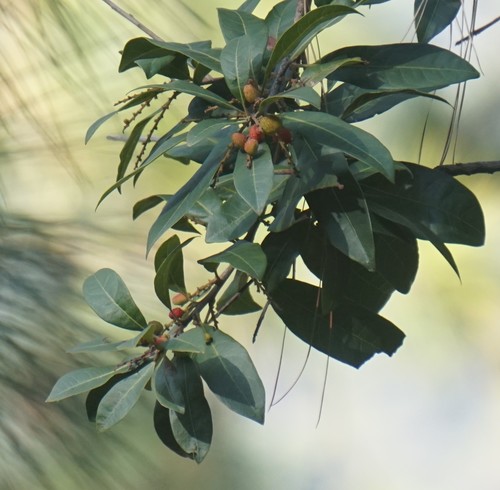
Box myrtle
Morella esculenta
Folk use for asthma; the Ayurvedic Maha Vatagajankusa Rasa, containing it, is used for asthma, cough and cold.
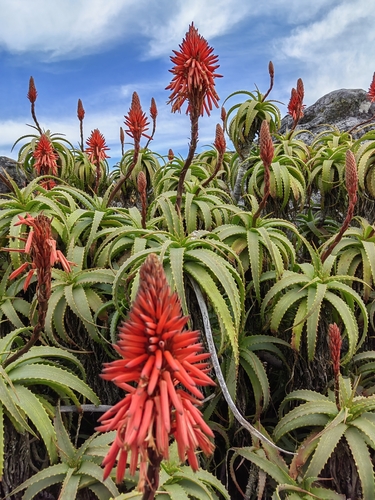
Candelabra aloe
Aloe arborescens
South African traditional uses include asthma, stomach-ache, tuberculosis and HIV/AIDS; no clinical studies.
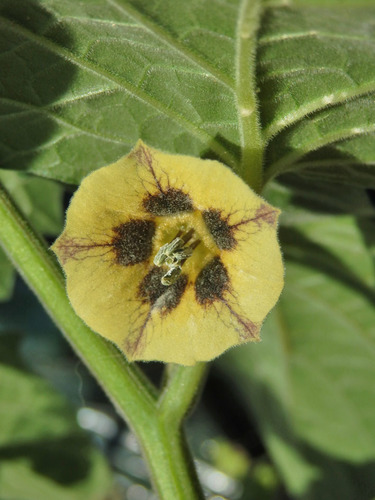
Cape gooseberry
Physalis peruviana
Used for asthma in traditional medicine in several countries (Cameroon, Colombia, India, Kenya, Nepal and others).
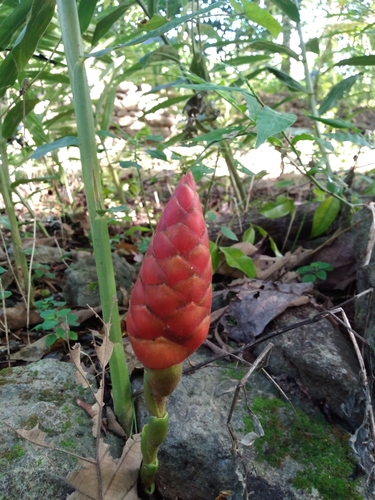
Cassumunar ginger
Zingiber montanum
The rhizome was used as an anti-asthmatic in Thai traditional medicine and for asthma and cough in Indonesia and Malaysia; no clinical trials were found.

Chinese ephedra (Ma huang)
Ephedra sinica
Ma huang has been used in Chinese medicine to calm wheezing; the herb itself is not a recommended asthma treatment today.
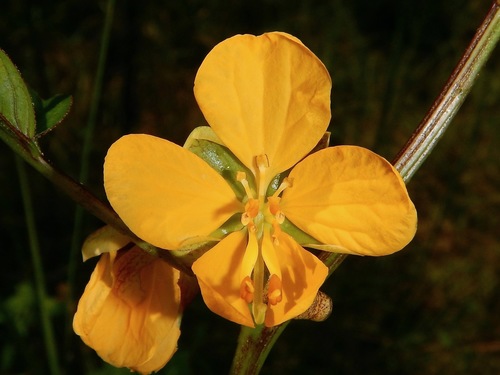
Coffee senna
Senna occidentalis
The seeds are brewed into a coffee-like drink for asthma and a flower infusion is used for bronchitis, according to a review of its uses. The seeds are the part that has killed children.
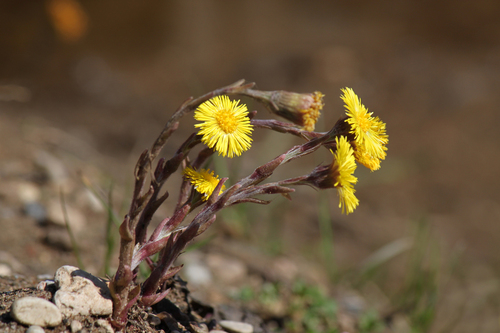
Coltsfoot
Tussilago farfara
An ingredient of classical Chinese asthma formulas such as Ding chuan tang, and used in the USA for whooping cough and 'humid' asthma; untested in trials.

Costus
Dolomiaea costus
In Ayurveda, Kushtha is regarded as one of the main herbs for asthma and bronchitis; no clinical trials were found.
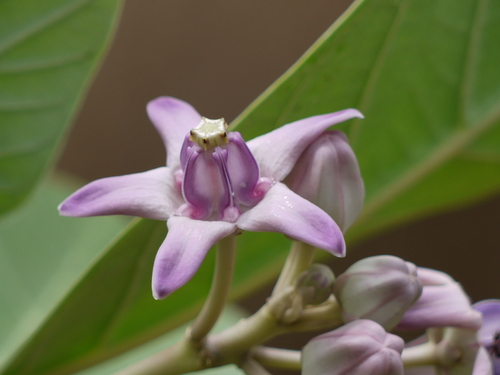
Crown flower
Calotropis gigantea
Asthma is among the conditions for which it is used in folk Chinese and Ayurvedic medicine, according to Thai and Indian authors; no trials were found.
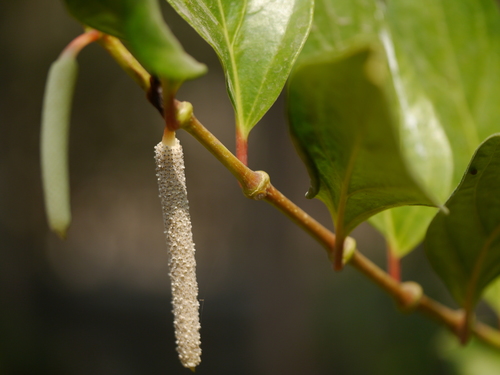
Cubeb
Piper cubeba
Listed among its traditional uses as an anti-asthmatic; untested clinically.

Curlycup gumweed
Grindelia squarrosa
Crow and Flathead people took it for asthma, and the British Herbal Pharmacopoeia (1976) recorded it in asthma combinations with lobelia and pill-bearing spurge. An extract did not prevent histamine- or serotonin-induced bronchospasm in animals.
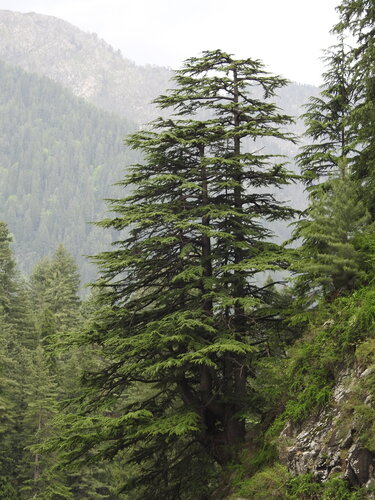
Deodar
Cedrus deodara
Listed among its traditional uses; extracts were antiasthmatic in preclinical studies only.
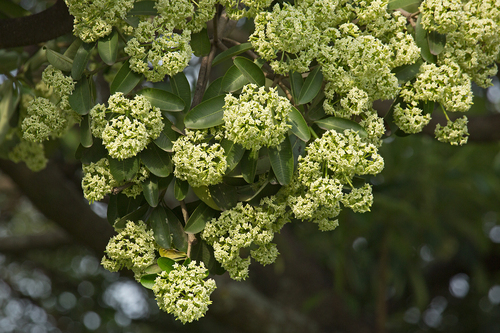
Devil tree
Alstonia scholaris
Dai medicine uses the leaves for asthma and COPD; Ayurveda lists saptaparna for swasa (breathlessness). Anti-asthmatic effects of the leaf alkaloids are shown only in animals.
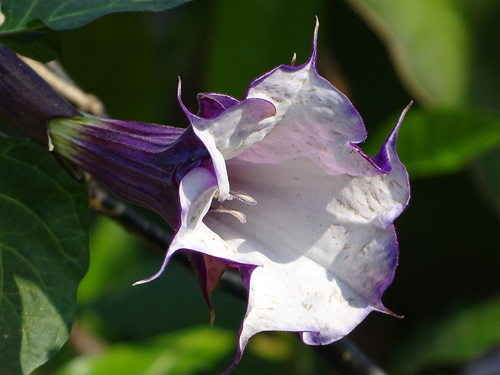
Devil's trumpet
Datura metel
Used for asthma and chronic bronchitis in China and Vietnam, and as the active ingredient of the Unani asthma remedy Habb-e-Zeequn Nafas (tested only preclinically). Its alkaloids relax airway smooth muscle, but the plant itself has no controlled trials and its dose cannot be controlled safely.

Dwarf rhododendron
Rhododendron anthopogon
Citing the Chinese Pharmacopoeia, Guo et al. report that the flowers and leaves are used separately in Tibetan medicine and that the flowers, taken as tea, are used for asthma and chronic bronchitis. Inhaling the smoke is used for respiratory disorders. There are no clinical studies.
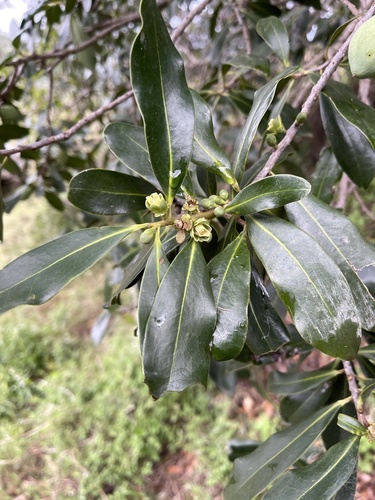
East African greenheart
Warburgia ugandensis
Recorded in Uganda for asthma, alongside cough and tuberculosis. Not clinically tested.
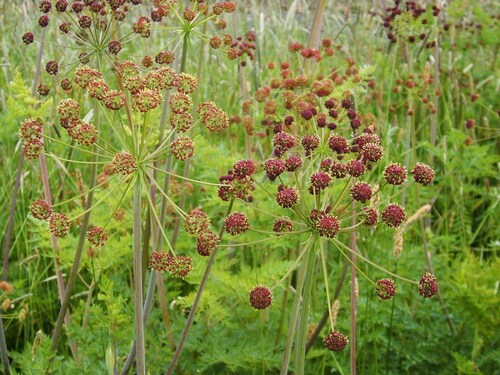
Fernleaf biscuitroot
Lomatium dissectum
Paiute and Shoshoni used the root in herbal steams for lung and nasal congestion and asthma, or smoked it; Great Basin peoples burned the dried root and inhaled the smoke for asthma and bronchial trouble.
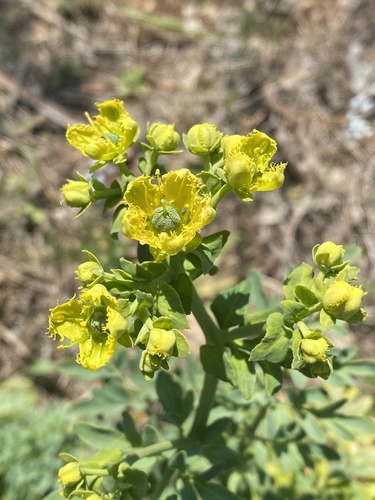
Fringed rue
Ruta chalepensis
Palestinian traditional medicine uses it for asthma, as a cough remedy and as a bronchodilator. It has not been tested in people for this.

Galbanum
Ferula gummosa
Persian medicine uses Barijeh for shortness of breath, cough and asthma. It has not been tested for asthma.
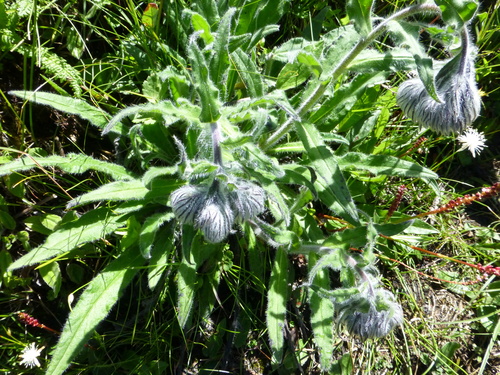
Gaozaban
Onosma bracteatum
Roots and flowers are recorded as remedies for asthma and other respiratory problems in the Himalayan region; not tested clinically.
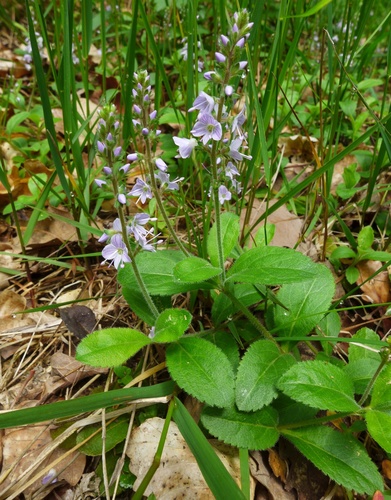
Heath speedwell
Veronica officinalis
Listed for asthma in Bulgarian folk medicine.
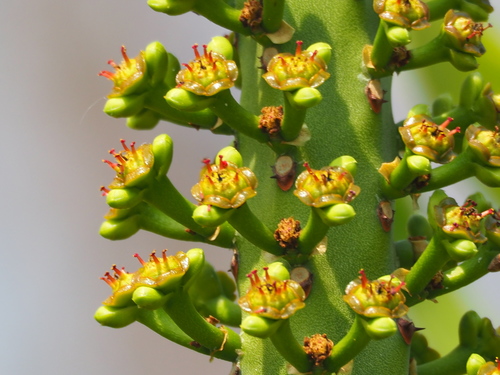
Indian spurge tree
Euphorbia neriifolia
Rural Indian households take the latex with honey for asthma, and an Ayurvedic physician's report of latex mixed with syrup is cited in a 2022 review; no controlled trials exist and the latex is toxic.
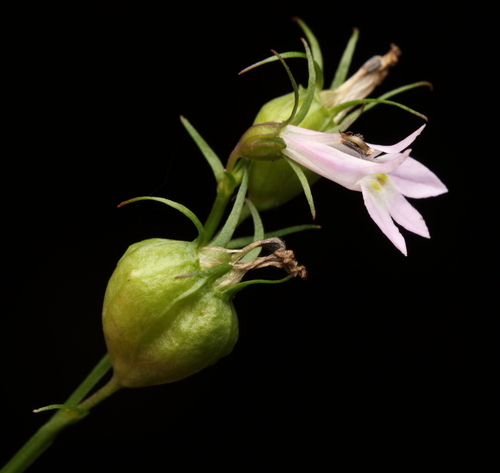
Indian tobacco
Lobelia inflata
Cherokee people took the plant for 'asthma and phthisic'. Lobelia dilates the airways at low doses in pharmacological studies, but human data are lacking (MSK).
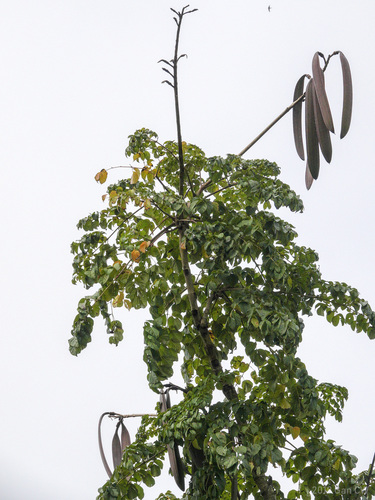
Indian trumpet tree
Oroxylum indicum
Stem and root decoctions are used for asthma, bronchitis and other respiratory problems; laboratory work supports anti-allergic activity but there are no human studies.
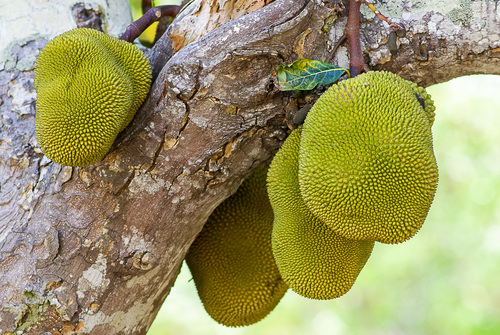
Jackfruit
Artocarpus heterophyllus
Recorded as a traditional use; not clinically tested.

Jimsonweed (Thorn apple)
Datura stramonium
From the early 19th century stramonium leaves were smoked in pipes and cigarettes to relax the airways; the practice rose and fell as safer bronchodilators arrived. It is not used now.
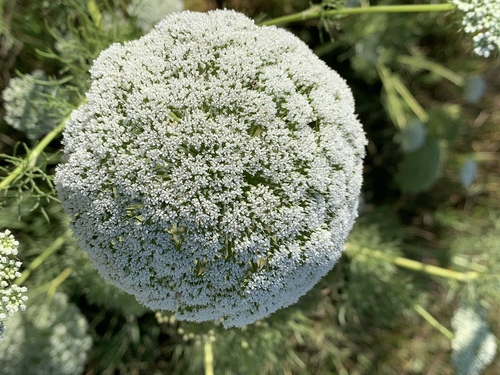
Khella
Ammi visnaga
WHO records traditional supportive use for mild airway obstruction in asthma and spastic bronchitis. Khellin's bronchodilating action led chemists to sodium cromoglicate, a modern asthma-prevention drug, but the plant itself is not a substitute for inhalers.
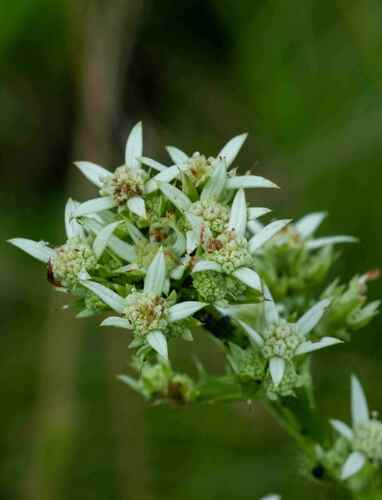
Larger tinsel flower
Alepidea amatymbica
Used for asthma and chest complaints; in one practice the ground rhizome is combined with cannabis to wash divining bones.
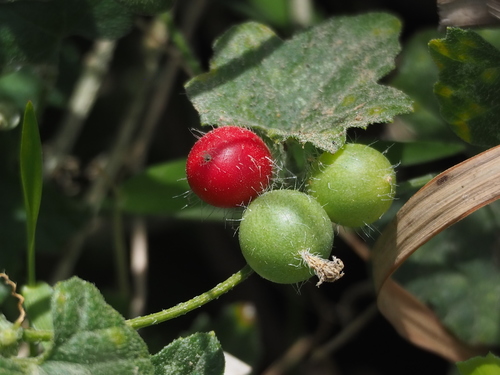
Madras pea pumpkin
Mukia maderaspatana
Siddha practitioners use the leaves as an expectorant for bronchitis, wheezing, rhinitis and asthma; untested.
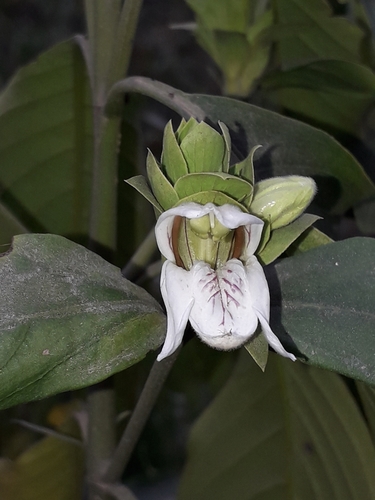
Malabar nut
Justicia adhatoda
Traditionally used for asthma and breathlessness (dyspnoea); antitussive activity is reported in laboratory studies. Not a substitute for inhalers.

Purple fleabane
Baccharoides anthelmintica
An ingredient of Ayurvedic and Siddha formulations used for asthma, cough, kidney trouble, leukoderma, psoriasis and skin infections.
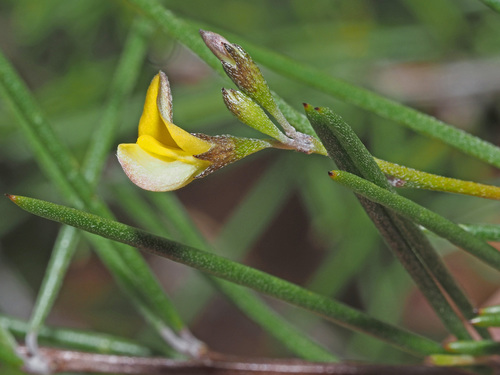
Rooibos
Aspalathus linearis
Recorded as a traditional South African remedy for asthma; untested clinically.

Round-leaved sundew
Drosera rotundifolia
Felter's Eclectic Materia Medica lists spasmodic asthma among its secondary uses; there are no clinical trials.
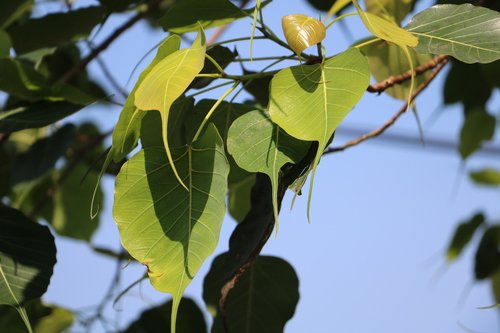
Sacred fig (Bodhi tree)
Ficus religiosa
A 2011 review names asthma as one of the main traditional uses; the evidence is from animal experiments with crude extracts.
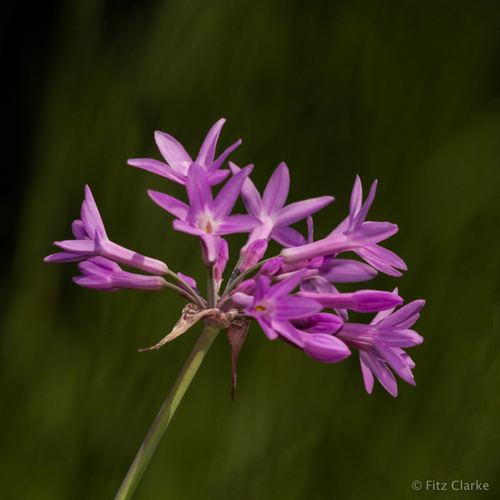
Society garlic
Tulbaghia violacea
Recorded folk use for asthma; no clinical or experimental airway data were found.
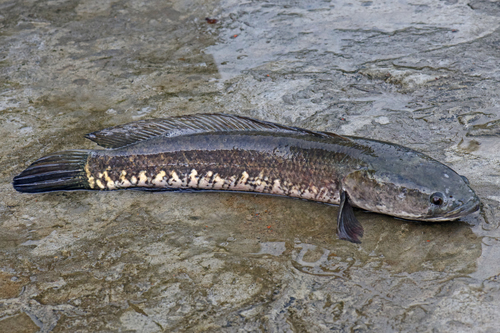
Striped snakehead
Channa striata
In Hyderabad, India, the Bathini Goud family's 'fish medicine' (a live murrel swallowed with a herbal paste) draws large crowds each year; there is no evidence it works and a court ruled it may not be called medicine.

Tokay gecko
Gekko gecko
Used in Chinese medicine for chronic cough and wheeze, believed to strengthen the lungs and kidneys; these beliefs are not supported by clinical evidence.
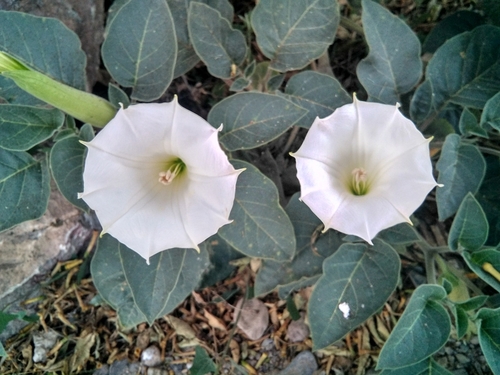
Toloache
Datura inoxia
Datura leaves were traditionally rolled into cigarettes or smoked in pipes for asthma relief; scopolamine and atropine were used for asthma in the past. Smoking Datura is dangerous and not recommended.
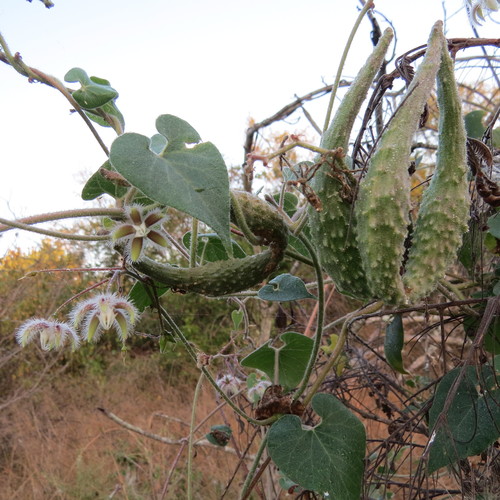
Trellis vine
Pergularia daemia
Recorded in Indian sources as an anti-asthmatic and expectorant, and listed among its African and Indian traditional uses. No clinical studies were found.

West African pepper
Piper guineense
One of the most important asthma plants by use value among 121 traditional healers in maritime Togo, usually given as a decoction. Not tested clinically.

White horehound
Marrubium vulgare
Decoctions are used in northern Sardinia to treat and prevent asthma attacks; an ethnobotanical case series of five people was judged by the HMPC unable to prove any effect.
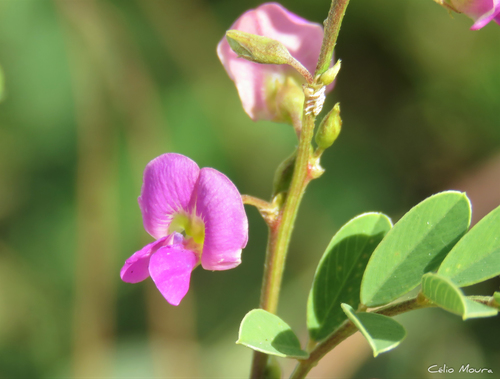
Wild indigo
Tephrosia purpurea
Listed in Ayurveda for asthma and bronchitis, as well as impotence, diarrhoea, gonorrhoea, rheumatism, ulcers and urinary disorders. Untested clinically.
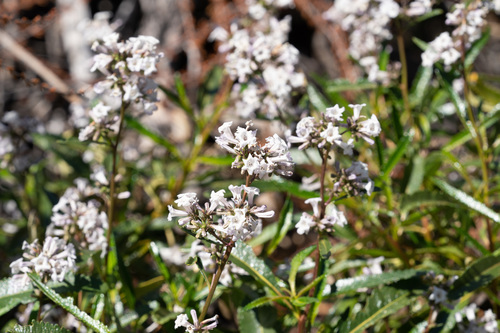
Yerba santa
Eriodictyon californicum
Costanoan, Mahuna and Mendocino peoples used decoctions or chewed or smoked the leaves for asthma and bronchial inflammation. Untested in trials.