The Apothecary / Lungs & breathing
Cough
228 remedies
See a doctor if
Coughing blood, a cough lasting over three weeks, breathlessness, or chest pain.
Reference, not prescription. Nothing here is medical advice. Herbs can interact with medicines and be dangerous in pregnancy; tell your doctor or pharmacist about anything you take.
Moderate evidence
ModerateSeveral trials, mostly positive, or an EMA ‘well-established use’ monograph.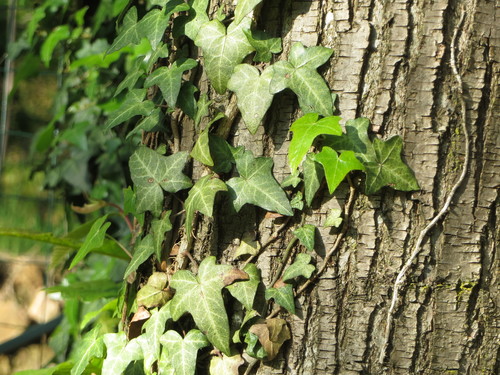
Ivy
Hedera helix
EU well-established use as an expectorant in productive (chesty) cough, based on published trials and at least 10 years of medical use. In a placebo-controlled trial of 181 adults with acute cough, an ivy-leaf liquid reduced cough severity within 48 hours; a manufacturer-funded pooled analysis of two trials (390 patients) found faster recovery. An independent 2021 systematic review agreed the extracts are safe but judged the effects 'minimal at best' and the studies at high risk of bias.

Western honey bee
Apis mellifera
A 2018 Cochrane review (6 trials, 899 children) found honey probably reduces cough frequency more than no treatment or placebo, and may work about as well as dextromethorphan and better than diphenhydramine, for up to three days.
Limited evidence
LimitedSmall or few trials, mixed results, or mainly lab and animal work.
Bai bu
Stemona sessilifolia
Baibu is a traditional Chinese antitussive. Protostemonine, stemospironine and maistemonine from S. sessilifolia roots reduced citric-acid-induced cough in guinea pigs; no controlled human trials were found.
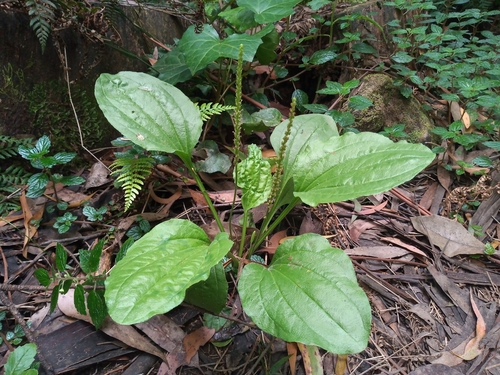
Broadleaf plantain
Plantago major
In one Iranian double-blind trial in 80 adults with acute bronchitis, 30 ml a day of a P. major syrup for 10 days lowered bronchitis severity scores and cough frequency more than placebo. It has not been repeated.
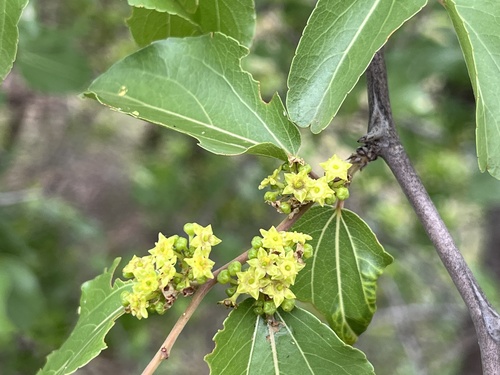
Buffalo thorn
Ziziphus mucronata
Leaves, roots, bark and fruit are used in South Africa for chronic cough, bacterial infections and asthma; extracts showed only modest activity against Mycobacterium smegmatis in vitro (lowest MIC 1.25 mg/ml).
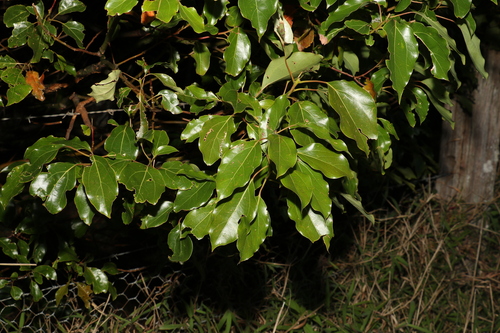
Camphor tree
Cinnamomum camphora
The US FDA over-the-counter monograph lists camphor (4.7–5.3% in an ointment, or 6.2% for steam inhalation) as a topical cough suppressant for adults and children 2 years and older. Reviewers note that clinical evidence for its effect on cough remains limited or inconclusive; lab work shows camphor acts on the TRP nerve channels involved in cough.
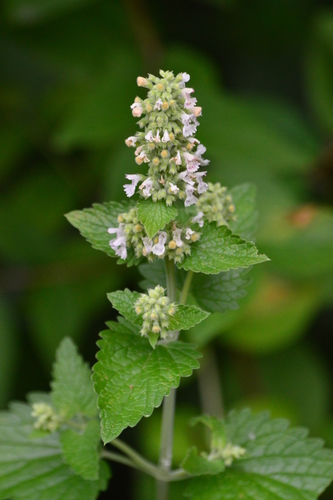
Catnip
Nepeta cataria
Used for cough, bronchitis and asthma; Cherokee people took catnip syrup with honey for coughs. The oil relaxed isolated guinea-pig airway muscle in the laboratory.
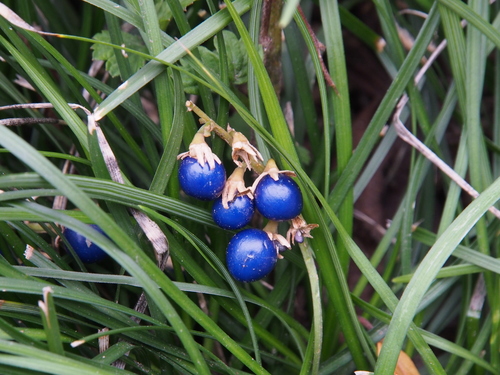
Dwarf lilyturf
Ophiopogon japonicus
Bakumondo tubers are prescribed in Kampo for cough, sputum and thirst. In a small open-label crossover trial in 24 elderly people with COPD, the multi-herb formula bakumondoto reduced cough severity over 8 weeks in the first period but did not change quality of life or lung function; ophiopogon is only one of six herbs in it (abstract).
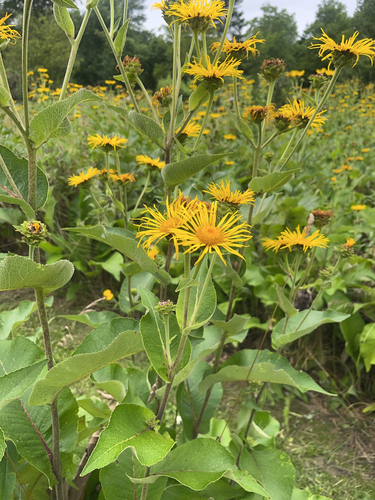
Elecampane
Inula helenium
In a randomised, double-blind, placebo-controlled trial in 106 children aged 3–6, a syrup of acacia honey with mallow, elecampane, plantain and Helichrysum extracts reduced night and day cough scores and shortened cough over 8 days. Elecampane was one of five active ingredients, so its own contribution is unknown.
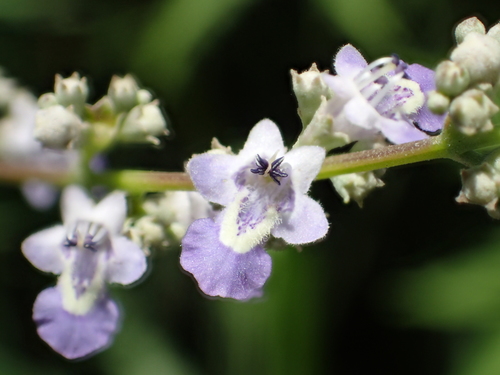
Five-leaved chaste tree
Vitex negundo
Lagundi leaf preparations are approved by the Philippine Food and Drug Administration as an over-the-counter herbal medicine for cough and asthma, on the basis of local clinical studies of safety and efficacy. By 2011 lagundi was the country's second most popular commercial cough medicine. The original trials are not widely available, so the grade is cautious.

Galbanum
Ferula gummosa
In an open-label randomised trial, 60 hospitalised COVID-19 patients with low blood oxygen got standard care alone or standard care plus 3–5 days of dry cupping with galbanum oil rubbed on the back. Oxygen saturation rose from 88.7% to 94.2% with galbanum, against 89.3% to 90.3% without it, and cough, fever and breathlessness eased more. The oil also contained violet oil and was used with cupping, so galbanum's own effect cannot be isolated.
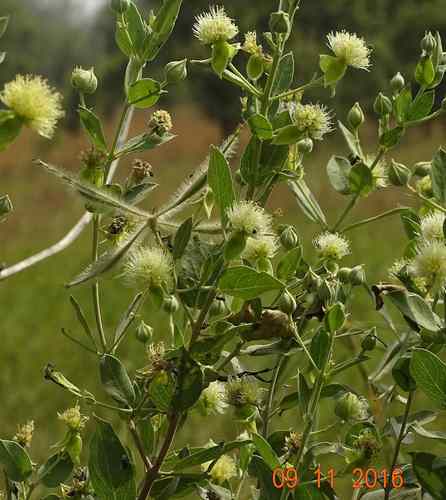
Guiera
Guiera senegalensis
Used for respiratory disorders in African traditional medicine. Total leaf alkaloids (15–30 mg/kg by mouth) suppressed ammonia-induced cough in guinea pigs about as well as codeine 50 mg/kg, following earlier reports of antitussive activity of the leaves; no human trials.
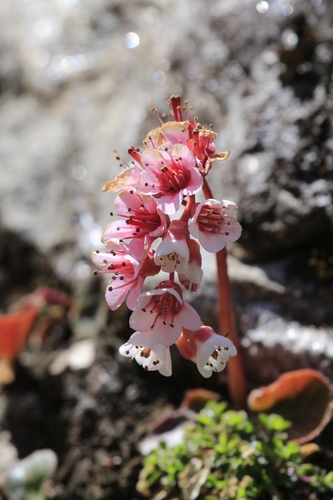
Hairy bergenia
Bergenia ciliata
Used in Sikkim for cough and lung infections. A methanol rhizome extract (100–300 mg/kg) reduced sulphur-dioxide-induced cough in mice by 29–44%, comparable to codeine 10 mg/kg.
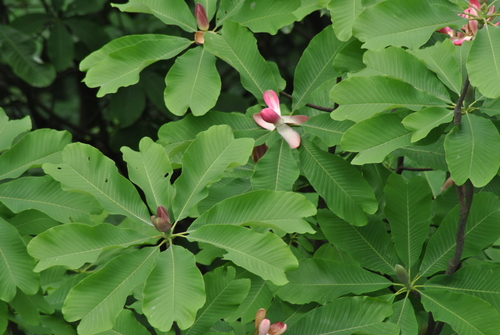
Houpo magnolia
Magnolia officinalis
Pharmacopoeial use for cough and shortness of breath. In a 34-patient double-blind trial in Japan, hangekobokuto lowered the rate of aspiration pneumonia after heart surgery and improved swallowing in high-risk patients.
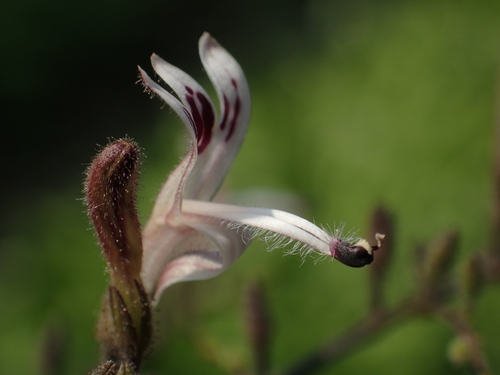
Kalmegh
Andrographis paniculata
Cough improved modestly compared with placebo (SMD -0.39, 596 patients) in the 2017 meta-analysis.
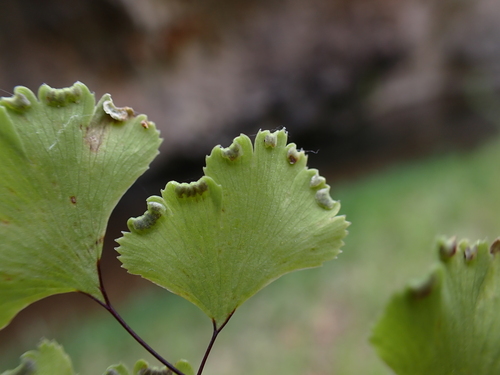
Maidenhair fern
Adiantum capillus-veneris
A traditional Persian remedy to clear the airways and ease cough. A syrup combining it with chamomile, licorice, mallow, marshmallow, hyssop and jujube reduced cough severity and night waking in asthmatic children; the fern's own contribution is unknown.

Opium poppy
Papaver somniferum
Noscapine, an opium alkaloid, has long been used as a cough suppressant; cultivated opium poppy remains its only commercial source. Opium itself was historically valued as an antitussive. Clinical trial evidence for noscapine was not reviewed here.
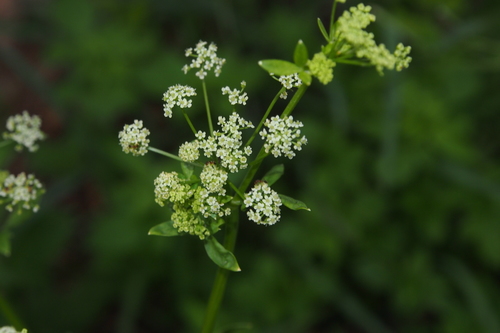
Qian hu
Peucedanum praeruptorum
The root's main traditional use is for cough with phlegm (Chinese medicine: 'phlegm-heat' and 'wind-heat' cough). A water extract, praeruptorin C and nodakenin reduced phlegm in mice, and the raw and honey-roasted root had antitussive effects in animals. No human trials of qian hu alone were found.
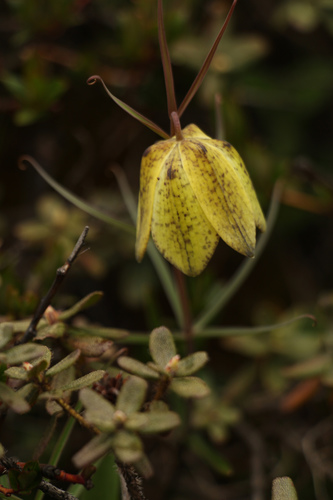
Sichuan fritillary
Fritillaria cirrhosa
Long used for cough in Chinese medicine. Its isosteroidal alkaloids (peimine, peiminine, sipeimine, chuanbeinone) lengthened time to cough, reduced cough counts and increased airway phenol-red secretion (an expectorant measure) in mice; syrups made with wild or tissue-cultured bulbs worked similarly in mice. No randomised human trials of F. cirrhosa alone were found.

Sweet violet
Viola odorata
In a double-blind trial in 108 COVID-19 outpatients, violet syrup added to usual care reduced cough severity more than placebo syrup over 7 days. Persian medicine also rubs violet oil with wax on the chest for dry cough, and Unani and Ayurvedic practice applies it to the skin for dry cough.
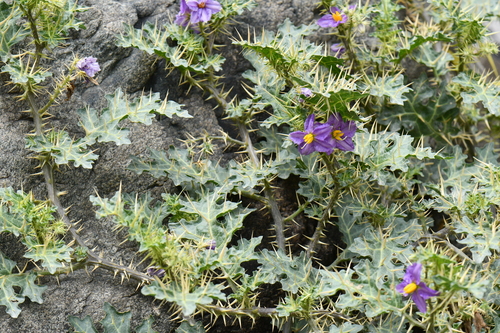
Yellow-berried nightshade
Solanum virginianum
A traditional cough remedy in India and Pakistan. A pectic arabinogalactan from the plant suppressed citric-acid-induced cough in guinea pigs more strongly than codeine.
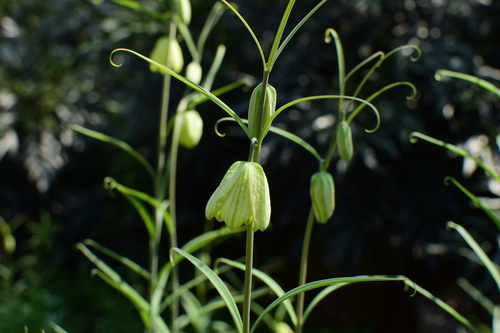
Zhejiang fritillary
Fritillaria thunbergii
Used as an antitussive herb for thousands of years. In animal studies, the powdered bulb and extracts reduced cough frequency and increased phlegm secretion (an expectorant effect). No modern human trials of the herb alone were found.
Traditional use
TraditionalLong recorded use, essentially untested in clinical trials.
African baobab
Adansonia digitata
Seed powder is used as an antitussive in South Africa, and pulp and seeds as antitussives elsewhere in Africa.
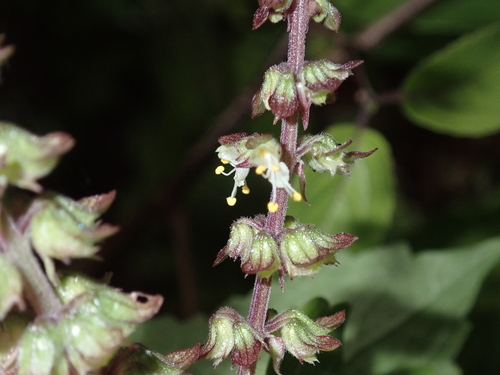
African basil
Ocimum gratissimum
Used as an expectorant and cough suppressant, and in Benin as a stem decoction for cough and asthma.
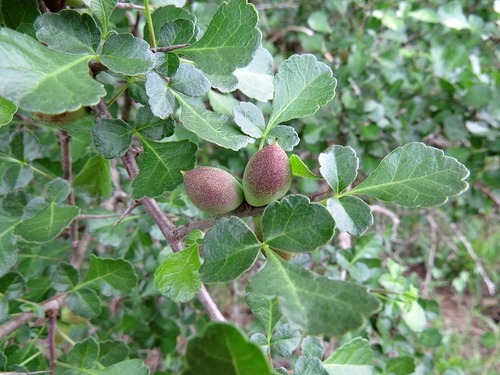
African myrrh
Commiphora africana
In northern Uganda, a root paste decoction mixed with Zanthoxylum chalybeum is taken for cough and measles.

African nutmeg
Pycnanthus angolensis
A Yoruba remedy for cough, fever and 'black tongue'.
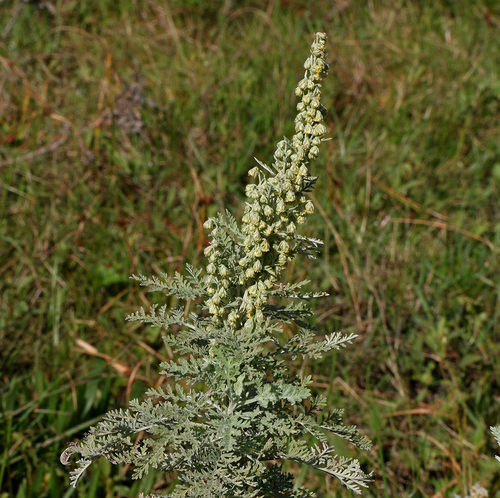
African wormwood
Artemisia afra
The boiled leaf tea is given to people with a cough or difficulty breathing (Tswana practice).
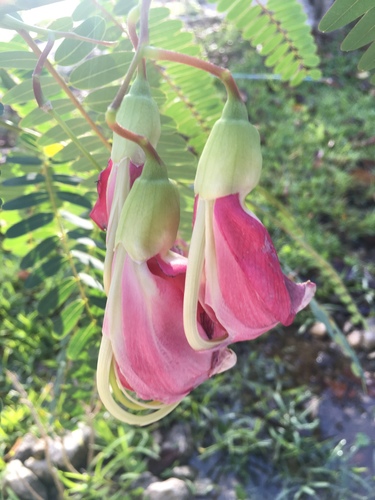
Agati
Sesbania grandiflora
In Myanmar folk medicine, leaf and flower juice is a popular remedy for catarrh, and leaf juice is used for bronchitis and cough.

Ajwain
Trachyspermum ammi
Avicenna recorded the seeds for cough, pleurisy and hoarseness.
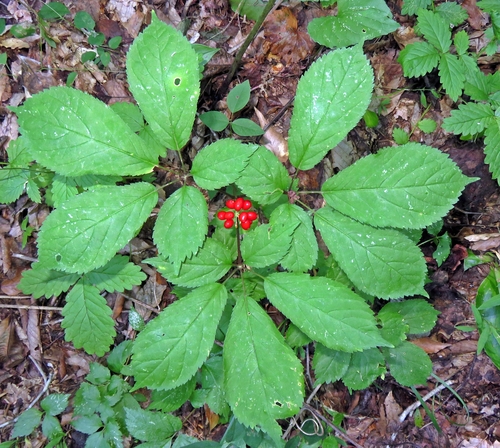
American ginseng
Panax quinquefolius
WHO records traditional use for cough, and the Cherokee used the root as an expectorant.
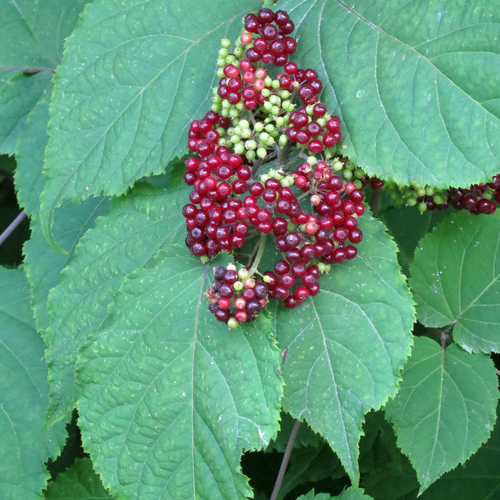
American spikenard
Aralia racemosa
Root taken for coughs by the Cherokee, Chippewa (decoction), Iroquois (decoction, also for whooping cough) and Mi'kmaq, and as an expectorant by the Cherokee and Choctaw. King's American Dispensatory (1898) gives it for cough with bronchial irritation. Not clinically tested.

Ammoniac
Dorema ammoniacum
Used as an expectorant in Iranian folk medicine and by Western herbalists for persistent coughing.
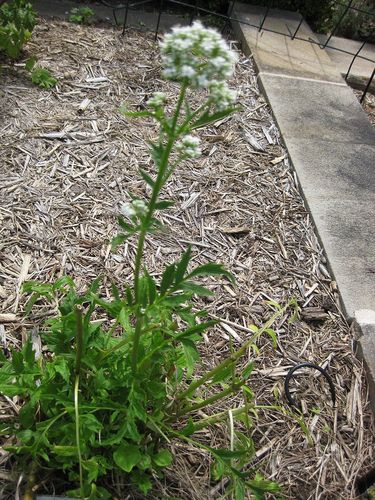
Anise
Pimpinella anisum
EMA traditional use as an expectorant for coughs that come with colds. The assessment report notes that this use is not supported by clinical data; it has only been tested in mixtures, such as an open trial of an ivy, thyme, aniseed and marshmallow syrup.
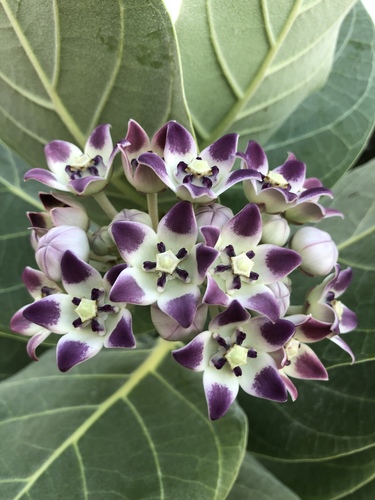
Apple of Sodom
Calotropis procera
Dried leaves are used as an expectorant in Ayurveda; colds and asthma are also traditional indications.
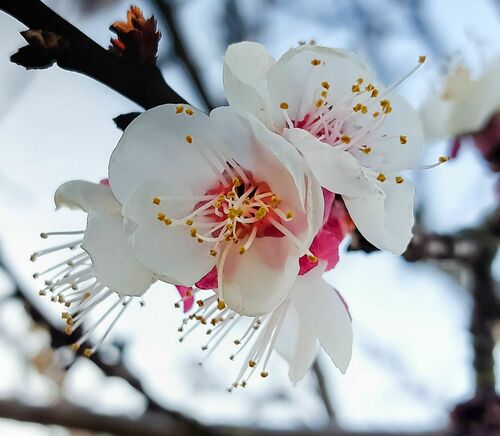
Apricot
Prunus armeniaca
In Traditional Chinese Medicine bitter apricot kernel (kuxingren) relieves cough and wheezing; the Chinese Pharmacopoeia 2020 lists it for 'lowering qi' and relieving cough and asthma. It appears in many Chinese patent cough medicines, but controlled trials of the kernel itself are lacking.
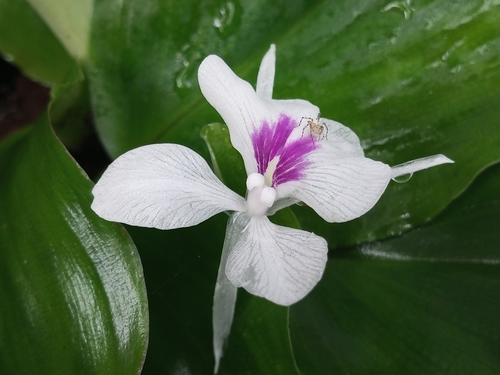
Aromatic ginger
Kaempferia galanga
Chinese folk medicine uses it for dry cough; in Malaysia fresh leaves are chewed for coughs, and Indian sources list phlegm and cough.
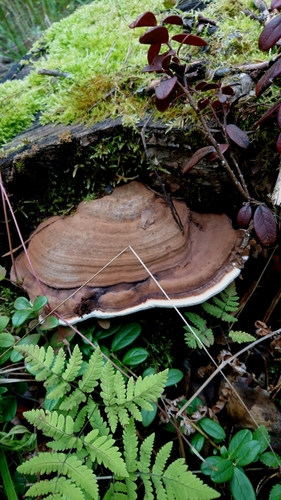
Artist's conk
Ganoderma applanatum
Recorded in Chinese medicine for 'eliminating phlegm'.
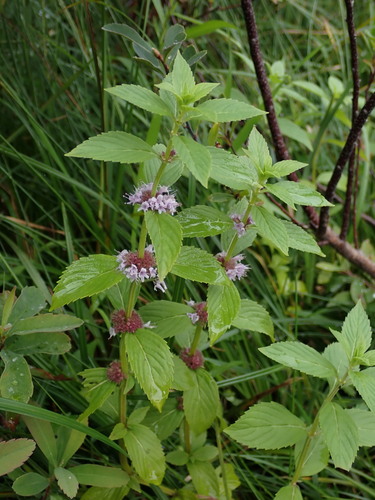
Asian mint
Mentha canadensis
Listed for coughs in Shennong's Materia Medica; Flathead, Kutenai and Gosiute used it for coughs.
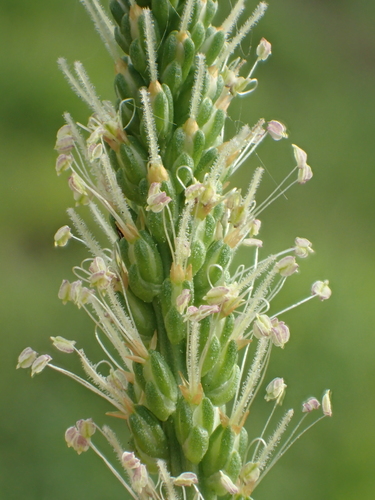
Asian plantain
Plantago asiatica
Chinese medicine credits the seed with 'eliminating phlegm'.
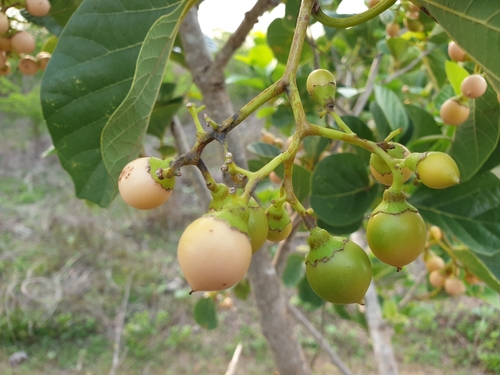
Assyrian plum
Cordia myxa
Unani texts say Sapistan relieves irritation of chest and throat and expels morbid humours from the airways; Ibn al-Baytar found it especially useful for cough of hot and dry temperament. Persian medicine recommends it for cough with thick secretions. No clinical trials were found.

Atis
Aconitum heterophyllum
The root juice taken with milk is used as an expectorant; also used for respiratory and throat infections.
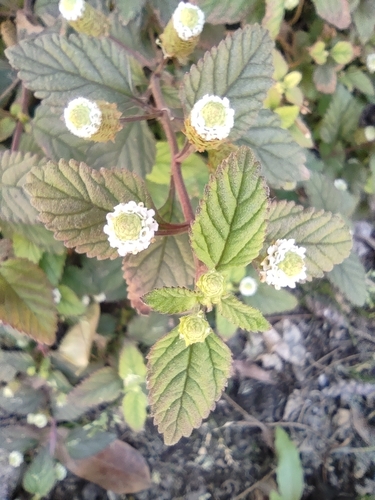
Aztec sweet herb
Lippia dulcis
The Aztecs used the plant for coughs, bronchitis and colds; leaf and flower decoctions remain a folk respiratory remedy in Latin America. No clinical studies were found.
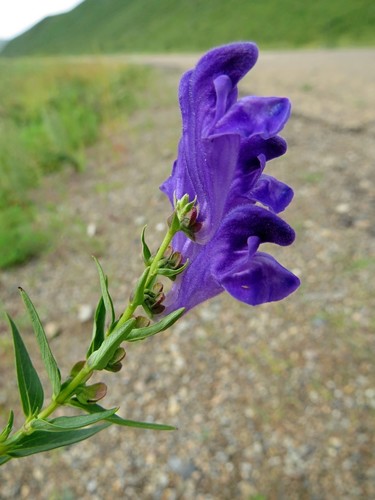
Baikal skullcap
Scutellaria baicalensis
Coughs are among the pharmacopoeial uses WHO records; no controlled trials of the root alone.
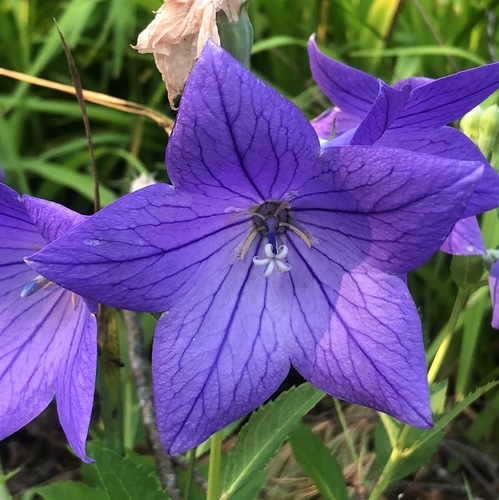
Balloon flower
Platycodon grandiflorus
Pharmacopoeias and traditional systems use the root as an expectorant and antitussive for cough with sputum, colds and chest congestion (WHO). A decoction increased respiratory-tract mucus in dogs about as much as ammonium chloride, and platycodins reduced coughing in guinea pigs; there are no controlled human trials.

Balsam of Tolu
Myroxylon balsamum
Tolu balsam is still used in some cough syrup formulas, mainly as a flavouring; Peru balsam was rarely used internally as a stimulating expectorant and in steam inhalations. No trials were found.
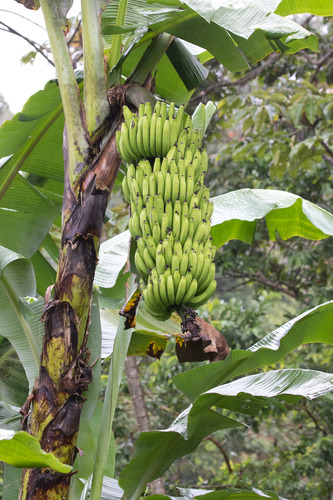
Banana
Musa acuminata
A 2017 review of wild banana records traditional use of various plant parts for fever, cough, bronchitis and dysentery.
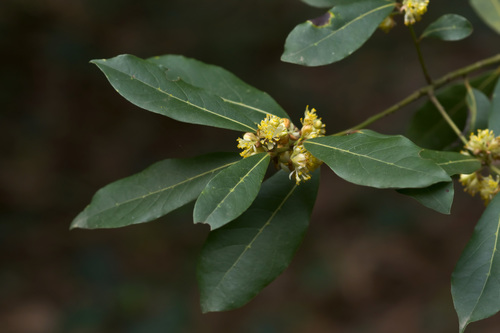
Bay laurel
Laurus nobilis
Leaves and fruits are used in Mediterranean folk medicine for viral infections and cough.
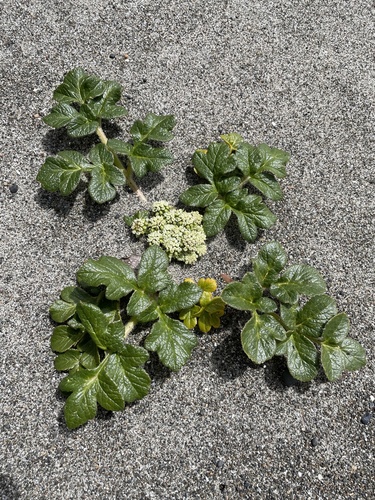
Beach silvertop
Glehnia littoralis
The root is used in Chinese medicine to moisten the lung, expel phlegm and stop cough, and in Mongolian medicine for cough from 'lung heat'; Shashen Maidong Decoction is a common modern lung prescription. No clinical trials found.

Beard lichen
Usnea barbata
Recorded in European folk medicine for whooping cough, along with insomnia, bleeding, nausea and jaundice.
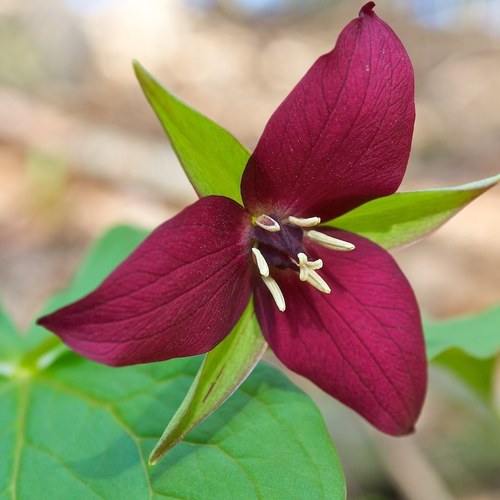
Beth root
Trillium erectum
Taken by the Cherokee for coughs and asthma.
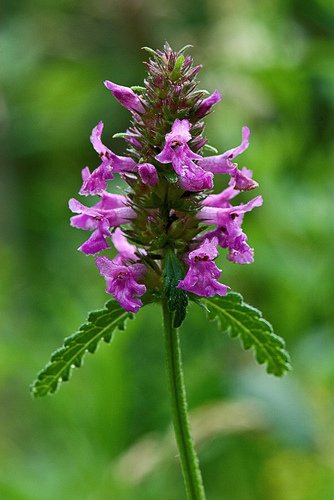
Betony
Betonica officinalis
Used in Austrian and wider European folk medicine for the respiratory tract.
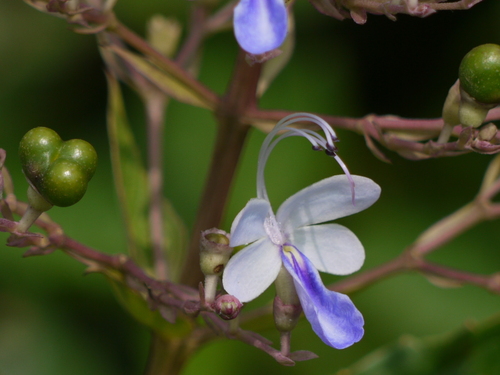
Bharangi
Rotheca serrata
The commonest local use in India is for respiratory diseases; it is part of Kabasura Kudineer, an official Siddha decoction for fever and respiratory infection.
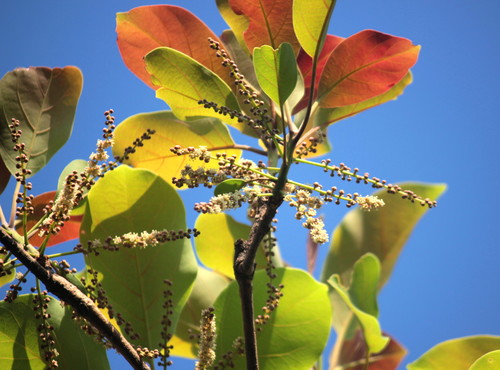
Bibhitaki
Terminalia bellirica
Prescribed with salt and long pepper for infections of the throat and chest, according to 19th-century accounts of Ayurvedic practice. Not tested in trials.
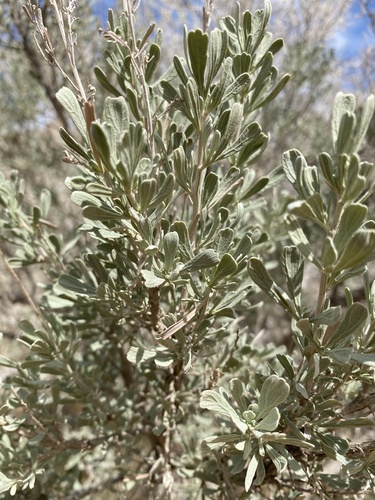
Big sagebrush
Artemisia tridentata
Infusions taken for coughs and bronchitis (Diegueño, Gosiute, Kawaiisu); Havasupai chewed fresh leaves for cough.
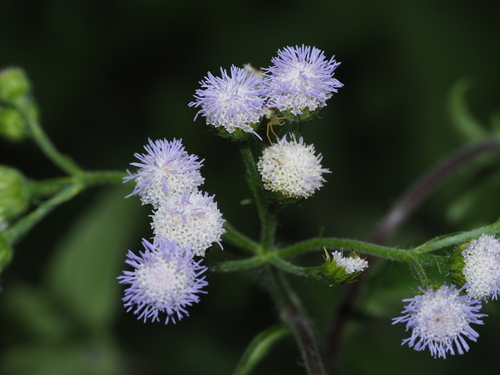
Billygoat weed
Ageratum conyzoides
Tanzanian healers use the leaf, root or whole plant for asthma, coughs, colds and lung disorders, and it is used for respiratory infections in India. Untested in people.

Bistort
Bistorta officinalis
Chinese medicine uses the rhizome for 'exogenous heat' and cough; it is an ingredient of the Mongolian children's cough formula Chagansaorilao-4 Decoction.

Bitter kola
Garcinia kola
In a 2023 survey of 152 Nigerians, respiratory symptoms were the commonest reason for chewing fresh seeds; several ethnic groups decoct the root, seed, stem and bark for respiratory conditions. Folk healers use the seeds for bronchitis, throat infections and chest colds.

Black cardamom
Amomum subulatum
Fruit or seeds are used for cough and, according to one review, pulmonary tuberculosis.
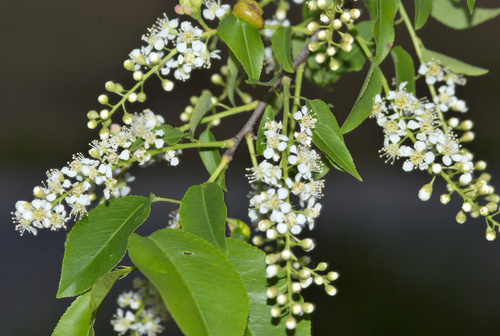
Black cherry
Prunus serotina
Bark infusions for coughs are recorded among the Cherokee, Iroquois, Micmac, Malecite, Ojibwa, Penobscot and others; Delaware people made cough syrup from the fruit.
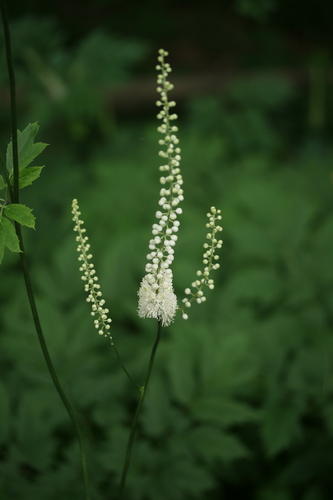
Black cohosh
Actaea racemosa
Cherokee use of a root infusion for coughs, colds and 'consumption'; whooping cough appears among WHO's unsupported folk uses.

Black nightshade
Solanum nigrum
Chinese use for chronic bronchitis; traditional healers in Kancheepuram, Tamil Nadu, eat the whole plant as food to treat cough.
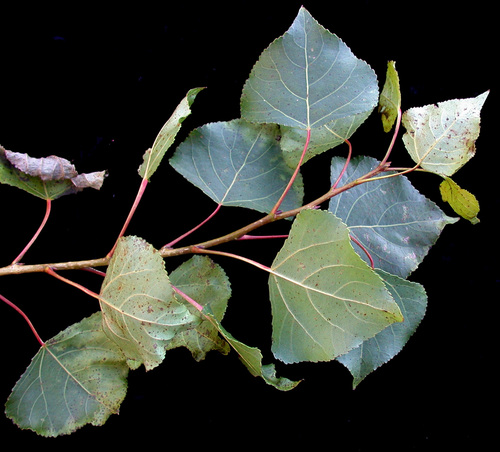
Black poplar
Populus nigra
Bud tincture was recommended for asthma, bronchitis, cough, laryngitis, sore throat and influenza.
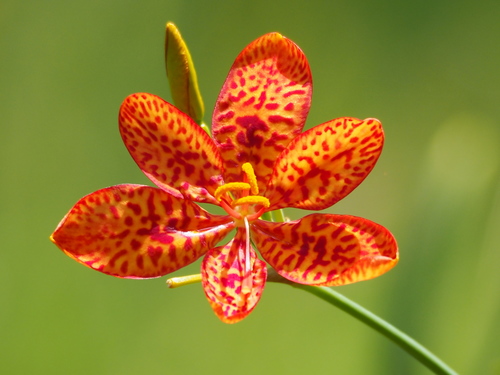
Blackberry lily
Iris domestica
Used as an expectorant and for respiratory diseases, its most typical traditional use.
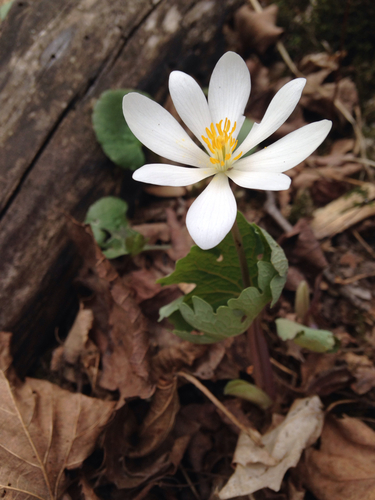
Bloodroot
Sanguinaria canadensis
Cherokee people took a root decoction in small doses for coughs, lung inflammation and croup; Iroquois used decoctions for colds and consumption cough. Not tested in trials, and internal use is not recommended because of toxicity.
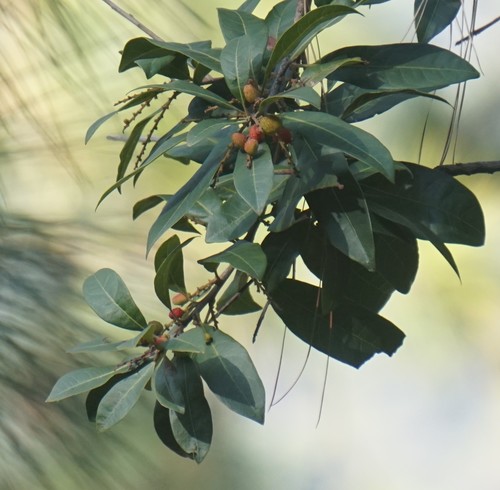
Box myrtle
Morella esculenta
Widely used in folk medicine for cough, asthma and chronic bronchitis; Katphaladi Churna is an Ayurvedic formula for respiratory disorders and throat infection. Antiasthmatic activity has been reported in animal studies only.
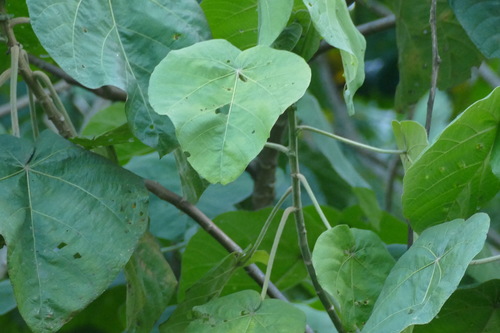
Broad-leaved croton
Croton macrostachyus
Used for cough and pneumonia (Kenya) and listed for cough and tuberculosis in African traditional medicine.
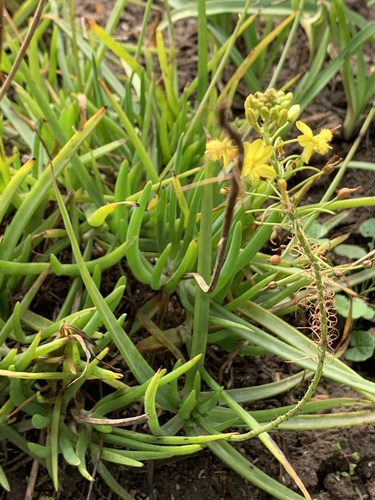
Burn jelly plant
Bulbine frutescens
Fresh leaf extracts used for coughs and colds in Afrikaans folk medicine.

Caterpillar fungus
Ophiocordyceps sinensis
Chinese Pharmacopoeia indications include chronic cough and breathlessness 'of deficiency type', cough from consumptive disease and coughing of blood.
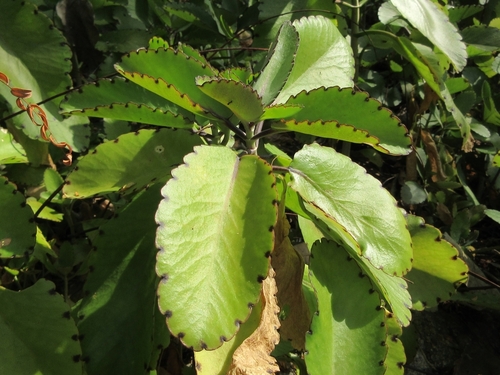
Cathedral bells
Bryophyllum pinnatum
Haya healers in Tanzania give it to children for colds, flu and cough; untested clinically.
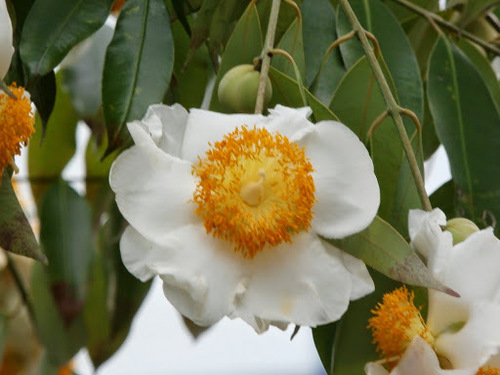
Ceylon ironwood
Mesua ferrea
Used for cough, colds and asthma and described as an expectorant; not clinically tested.
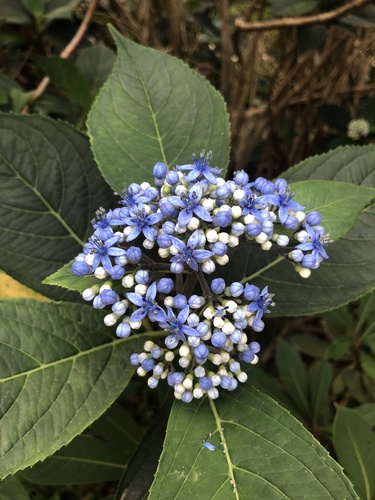
Chang shan
Dichroa febrifuga
Recorded in the Shennong Bencao Jing as an expectorant; untested clinically.
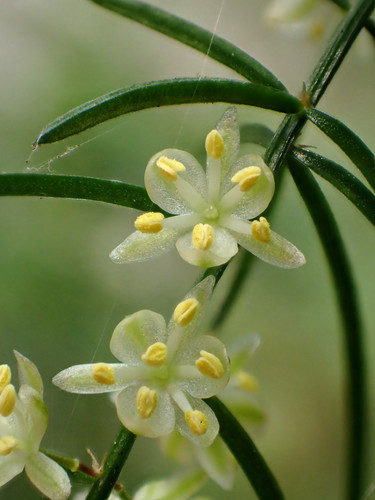
Chinese asparagus
Asparagus cochinchinensis
The roots have been used for centuries in China, alone or in combination, for cough and asthma; folk use includes cough, pneumonia and tracheitis.
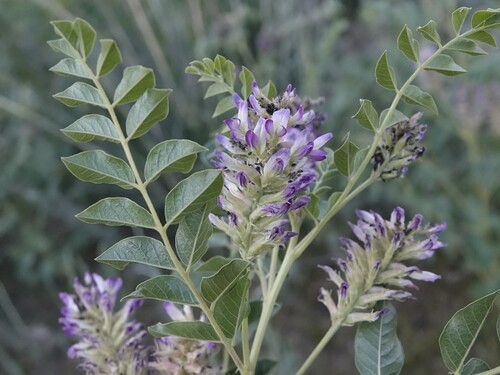
Chinese licorice
Glycyrrhiza uralensis
EU traditional-use indication as an expectorant in cough associated with a cold. WHO lists use as an expectorant for coughs and bronchial catarrh and as a demulcent for sore throat, without clinical data.

Chinese mugwort
Artemisia argyi
Chinese sources credit the plant with relieving cough, asthma and allergy; the essential oil is anti-inflammatory and antimicrobial in lab and animal studies only.
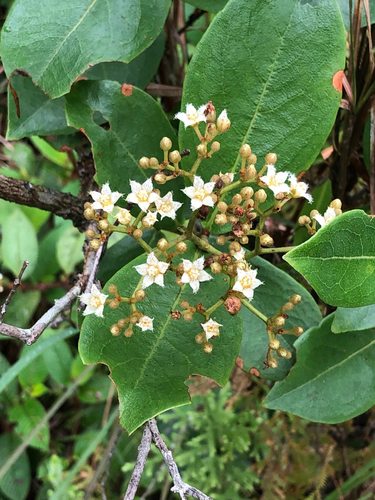
Christmas berry
Psorospermum febrifugum
A root decoction is drunk for dry cough around Mabira Forest, Uganda.

Christmas bush
Alchornea cordifolia
Coughs and bronchial troubles are among the conditions for which the plant is widely used in tropical African traditional medicine, according to a 2016 review; no clinical testing was found.
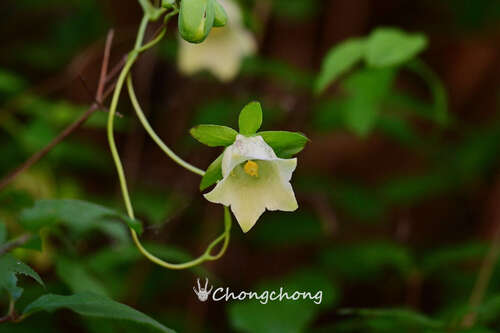
Codonopsis
Codonopsis pilosula
Chinese Pharmacopoeia: for cough and shortness of breath from lung qi deficiency; Qing-dynasty texts record it steamed with honey to tonify the lungs. No clinical trials found.
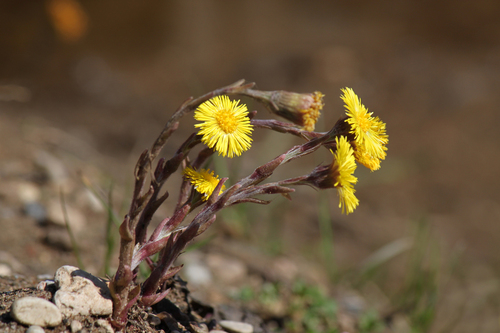
Coltsfoot
Tussilago farfara
The main use in both Chinese and European traditions, for chronic cough and cough with phlegm. Compounds from the flower buds had antitussive and expectorant effects in mice, but no clinical trials have been reported.

Common fig
Ficus carica
Figs are used in traditional medicine for coughs, sore throats and bronchial complaints, and in Indian medicine the fruit is used as a mild expectorant. Not clinically tested.
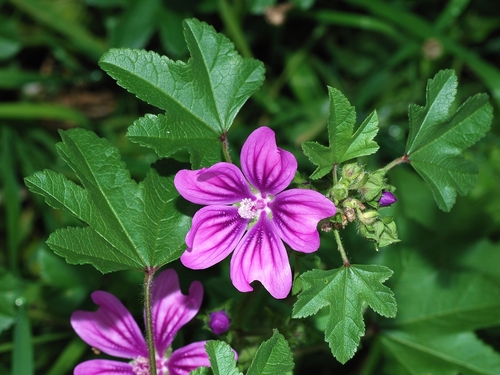
Common mallow
Malva sylvestris
EMA traditional-use indication for dry cough associated with throat irritation. In cats, mallow mucilage and a rhamnogalacturonan fraction reduced the number and intensity of induced coughs.

Common orange lichen
Xanthoria parietina
Added to cough syrups in Andalusian folk medicine.
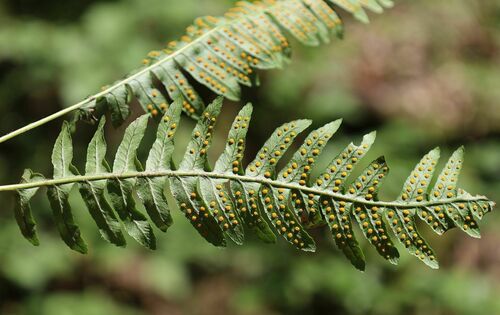
Common polypody
Polypodium vulgare
EMA traditional use as an expectorant in cough and cold, based on handbooks from the Swedish Pharmacopoeia (1849) onward. The EMA assessment found no clinical studies. Saponins in general are thought to thin mucus by irritating the airways.
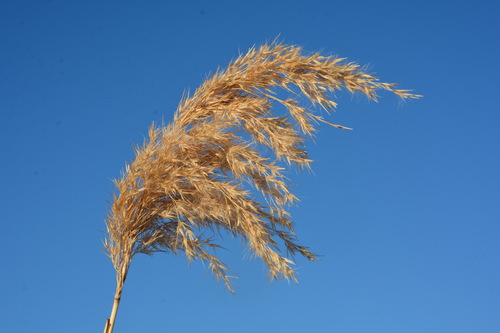
Common reed
Phragmites australis
The Bencao Tujing (Materia Medica Tujing) records it for lung-heat cough, thick phlegm, lung abscess and coughing up pus and blood.
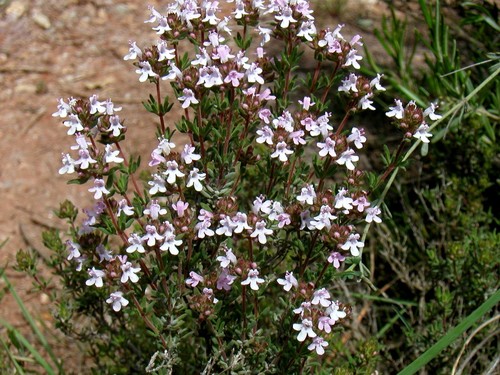
Common thyme
Thymus vulgaris
EMA traditional-use indication: productive (chesty) cough associated with a cold. The EMA assessment found no published placebo-controlled trials of thyme as the only ingredient, so all thyme-only products are registered on traditional use.
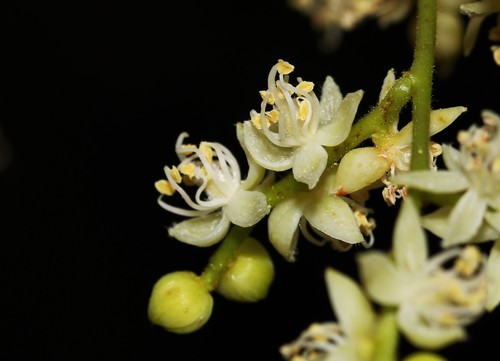
Copaiba
Copaifera officinalis
In Amapá state, Brazil, a few drops of oil in honey are taken for inflammation, bronchitis and cough; untested clinically.
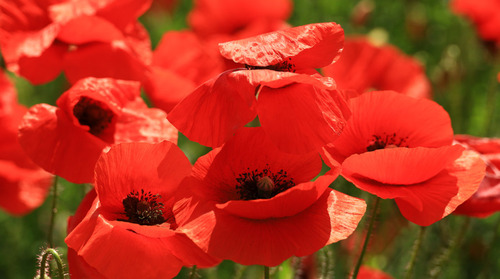
Corn poppy
Papaver rhoeas
A general cough reliever in Hungarian folk medicine from the late 18th century. In Turkey it is made into a cough syrup for children, and the flowers are used as an antitussive. No clinical trials were found.
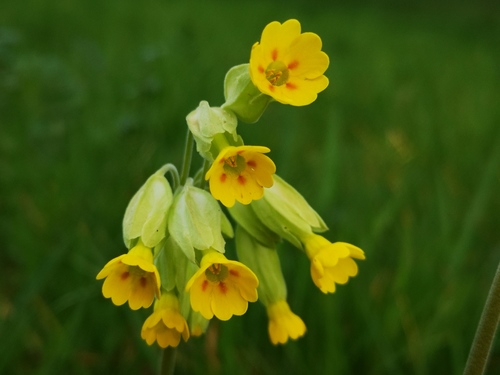
Cowslip
Primula veris
EMA accepts both the root and the flower as traditional herbal medicines 'used as an expectorant in cough associated with cold', on the basis of long use. Laboratory studies showed the root increased airway secretions; there are no clinical studies with primula root or flower alone.

Cramp bark
Viburnum opulus
Gilaburu juice is used in Turkish folk medicine for cough, colds and tuberculosis; no clinical studies.
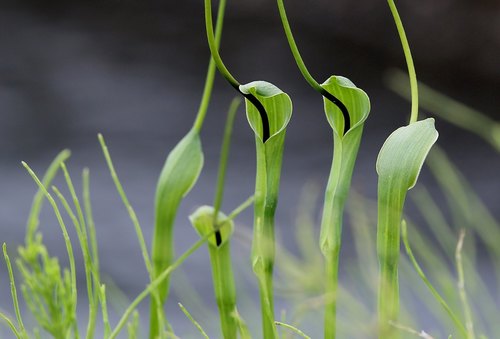
Crow-dipper
Pinellia ternata
In Chinese medicine it dries dampness and transforms phlegm, for cough and asthma with copious phlegm; first recorded in the Shennong Bencao Jing. Antitussive and expectorant effects have been shown only in animal models.

Curlycup gumweed
Grindelia squarrosa
EMA traditional-use indication: relief of cough associated with a cold, accepted on the basis of more than 30 years of use. EMA found no controlled clinical studies; an old animal study found more airway fluid in cats but not in rabbits or guinea pigs.
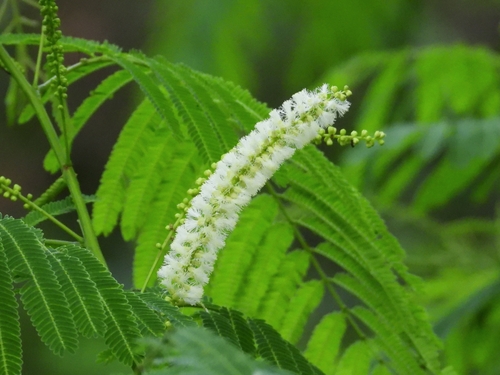
Cutch tree
Senegalia catechu
Bark decoction with milk for colds and cough, and a milk decoction of the bark for asthma, in Indian folk medicine; no trials.
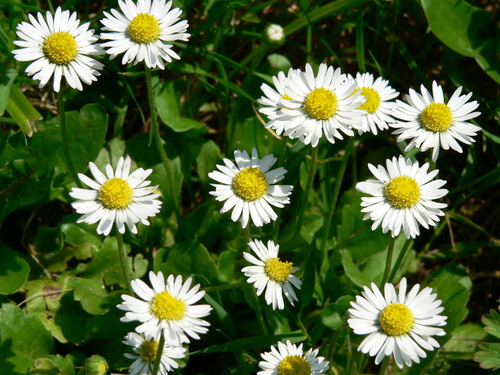
Daisy
Bellis perennis
The dried flower heads (Bellidis flos) are used as an expectorant, and the plant is traditionally used for colds and upper respiratory infections. Its saponins, the presumed active constituents, are untested clinically.
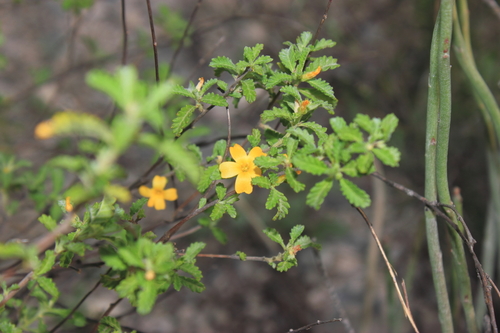
Damiana
Turnera diffusa
In the arid and semi-arid zones of Mexico, leaf infusions or decoctions are used for bronchitis, cough and other respiratory complaints and as an expectorant; not tested clinically.

Deodar
Cedrus deodara
Recorded in Indian traditional medicine for fever, cough, bronchitis and tuberculosis.
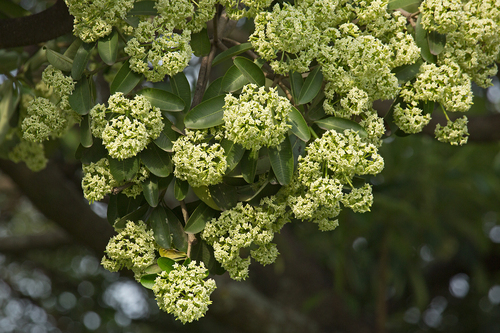
Devil tree
Alstonia scholaris
Leaves are used by the Dai people of Yunnan for whooping cough and chronic bronchitis, and leaf water-extract tablets and granules are sold in China for tracheitis and colds; Ayurveda lists the bark for kasa (cough).

Devil's club
Oplopanax horridus
Inner-bark decoctions for coughs (Gitksan, Haisla, Wet'suwet'en) and root-and-stem infusions for dry coughs and tuberculosis (Okanagan-Colville, Kwakiutl, Skagit). Root extracts are active against mycobacteria in the laboratory.
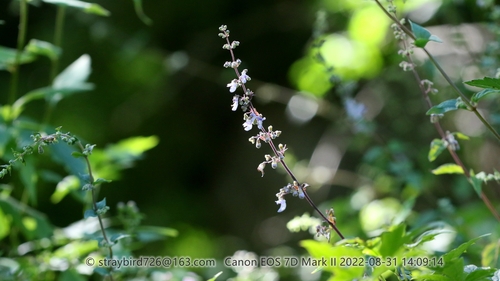
Dong ling cao
Isodon rubescens
Historically used for cough with excess phlegm.
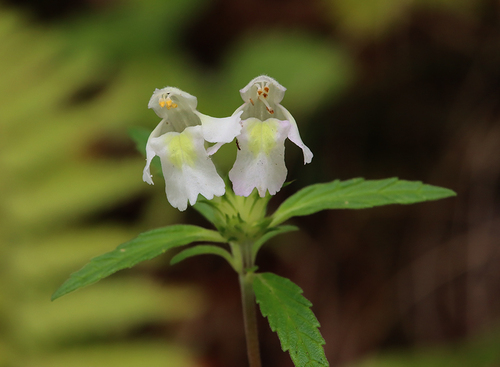
Downy hemp-nettle
Galeopsis segetum
Early 19th-century physicians (Lejeune, Wesener) reported it for chronic lung catarrh, having learned of it as a folk remedy in the Ardennes. Not tested in modern studies.

Early purple orchid
Orchis mascula
Salep drinks, made from the tubers of many orchid species including O. mascula, are taken in south-eastern Europe and Turkey for coughs, colds and sore throats. There is no clinical testing.

Ethiopian frankincense
Boswellia papyrifera
Sudanese ethnobotanical studies record the resin for colds, coughs and respiratory infections. In Sudanese bakhoor (inhalation) therapy, frankincense is burned, alone or with myrrh, and the smoke inhaled for chest complaints and phlegm. No clinical studies.
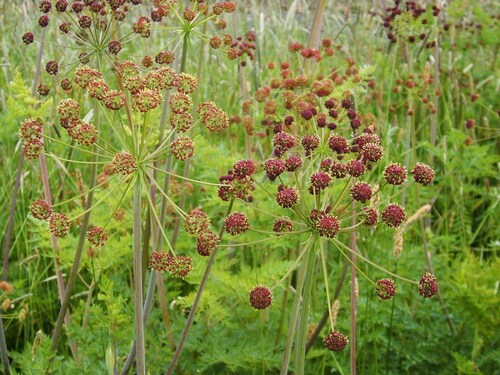
Fernleaf biscuitroot
Lomatium dissectum
A root decoction or infusion was taken for coughs by Paiute, Shoshoni and other Great Basin peoples, and the raw root was chewed for sore throat.

Fever bush
Dicoma anomala
The root is used for coughs in Malawi, Namibia and South Africa; in a 2024–25 survey in Bojanala District, South Africa, it was cited for persistent cough and influenza, with high informant agreement for respiratory conditions.

Fever tea
Lippia javanica
Leaf or twig infusions and decoctions are taken for coughs in South Africa and Zimbabwe; the Zulu combine it with Artemisia afra for coughs, colds and bronchial ailments.
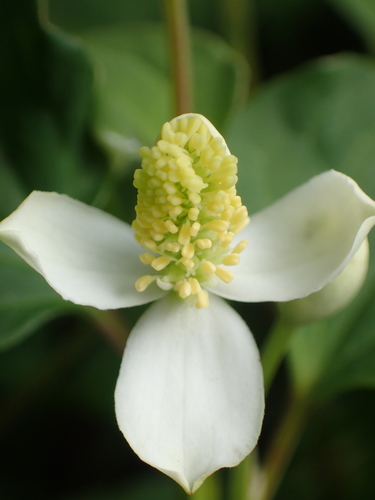
Fish mint
Houttuynia cordata
In north-east India fresh decoctions of leaves and stems are made in the growing season for fever and cough; in China it is combined with other herbs for colds and fever.
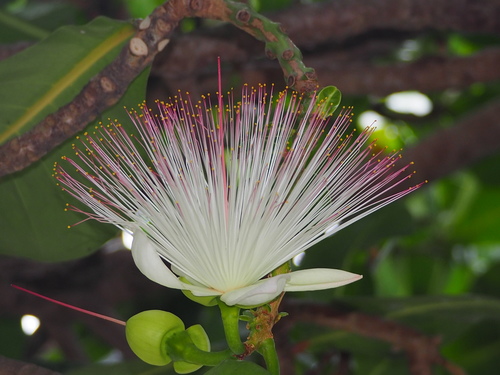
Fish poison tree
Barringtonia asiatica
Rakhine communities in southern Bangladesh grind one seed with honey and take it three times a day for coughs. Not tested, and the seeds contain the saponins that make the tree a fish poison.

Flixweed
Descurainia sophia
Tinglizi is used in China, Korea and Japan for cough with heavy phlegm; Persian sources list it as an expectorant. Not clinically tested on its own.

Frankincense
Boswellia sacra
A water extract of the resin ('moh-luban') is a traditional Arabian remedy for coughs, colds and asthma; untested clinically.
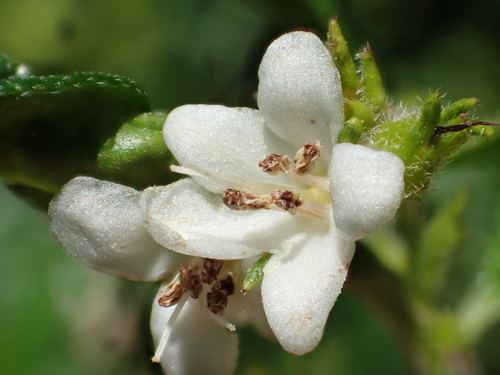
Fukien tea tree
Carmona retusa
Listed among Philippine traditional uses of the leaves, with colic, diarrhoea, dysentery and stomach ache. No clinical testing found.
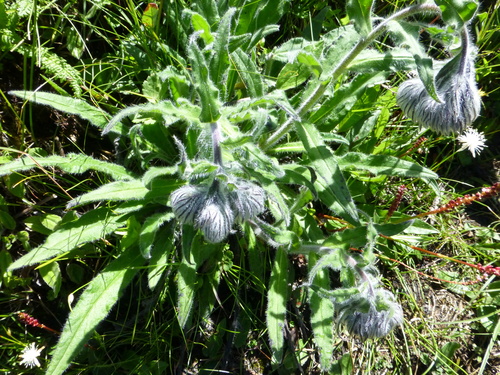
Gaozaban
Onosma bracteatum
Khamira preparations, including those named after Gaozaban, are also used in Unani medicine for cough, cold and catarrh. Not tested clinically.
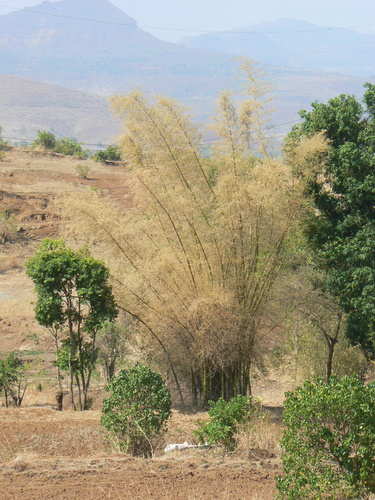
Giant thorny bamboo
Bambusa bambos
Vanshlochan is used in Ayurveda for respiratory diseases. No clinical trials were found; a 2026 study characterised it as mainly amorphous silica.
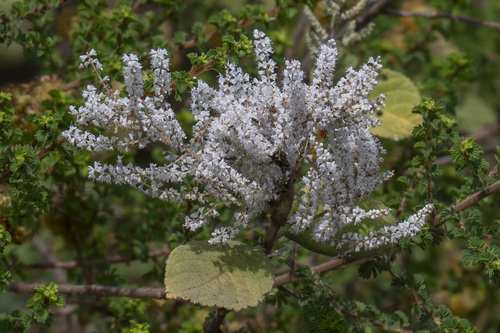
Ginger bush
Tetradenia riparia
Zulu healers widely give the leaf decoction or infusion for cough and sore throat; untested in people.

Grains of Selim
Xylopia aethiopica
Widely used in African traditional medicine for cough and bronchitis. No clinical trials.
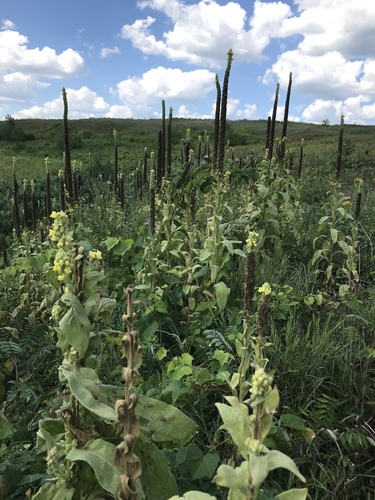
Great mullein
Verbascum thapsus
Part of the same EMA indication for dry cough with a cold; Dioscorides already recommended mullein for lung complaints. No modern clinical trials of the flower alone.
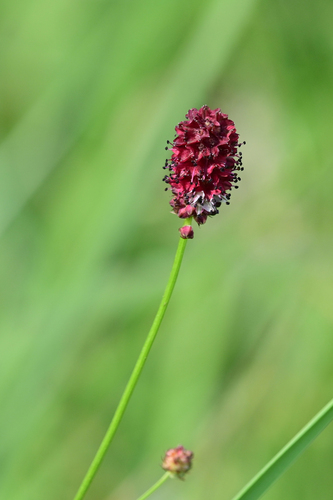
Greater burnet saxifrage
Pimpinella major
Recorded in Austrian folk medicine for respiratory-tract complaints; untested clinically.
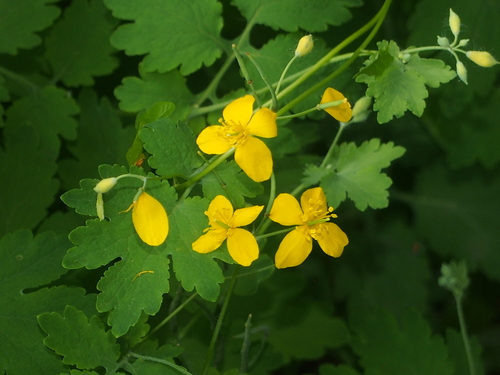
Greater celandine
Chelidonium majus
The Chinese Pharmacopoeia (2020) lists the herb, as a toxic drug, for relieving cough, asthma, spasm and pain; no clinical trials are cited.

Greek mountain tea
Sideritis scardica
EMA traditional-use indication: relief of cough associated with a cold, accepted on the basis of long use; the HMPC noted there are no clinical studies, only lab work showing anti-inflammatory and antimicrobial activity.
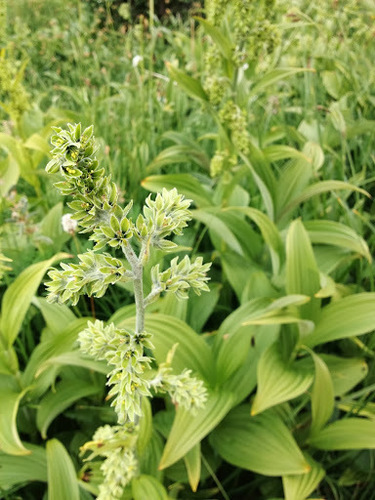
Green hellebore
Veratrum viride
The Bella Coola took a decoction of the bulb for chronic cough.
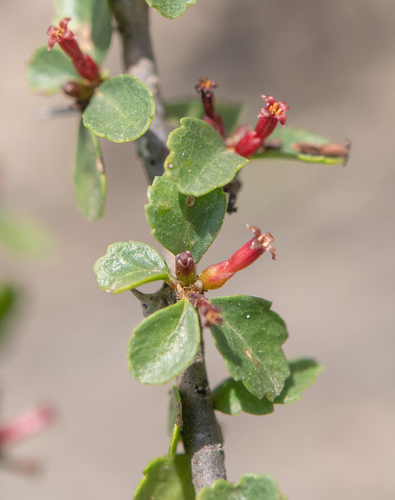
Guggul
Commiphora wightii
WHO lists use as an expectorant and for cough and sore throat in Indian pharmacopoeias and traditional medicine, without clinical testing.

Gum benjamin
Styrax benzoin
Benzoin tinctures were inhaled for cough, laryngitis and bronchitis, on the view that they mildly stimulate the airway lining and loosen sputum; Friar's Balsam remains known as a home inhaled remedy. No clinical trials were found.
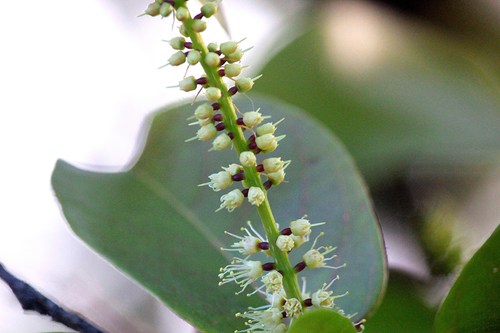
Haritaki (Chebulic myrobalan)
Terminalia chebula
The Chinese Pharmacopoeia lists it for chronic cough, sore throat and loss of voice ('astringes the lungs and benefits the throat').
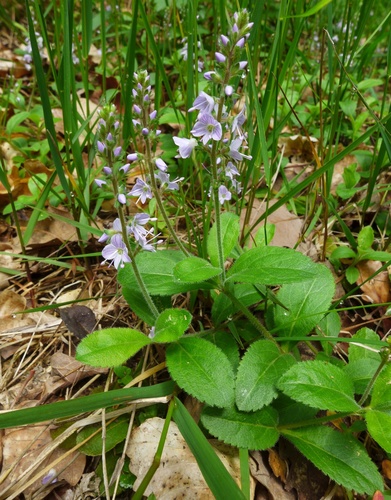
Heath speedwell
Veronica officinalis
Used for coughs and catarrh in Romania and Bulgaria, and as an expectorant and antitussive in Bulgarian tradition; untested in trials.
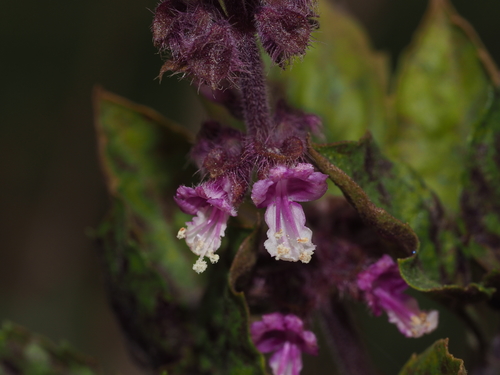
Holy basil (Tulsi)
Ocimum tenuiflorum
Ayurvedic use of the leaf for cough, asthma and fever is long recorded; a small open 1983 study in asthma is the only clinical report.

Honeybush
Cyclopia genistoides
Honeybush (Cyclopia spp.) was used traditionally as a restorative and expectorant in chronic catarrh and pulmonary tuberculosis; no clinical studies exist.
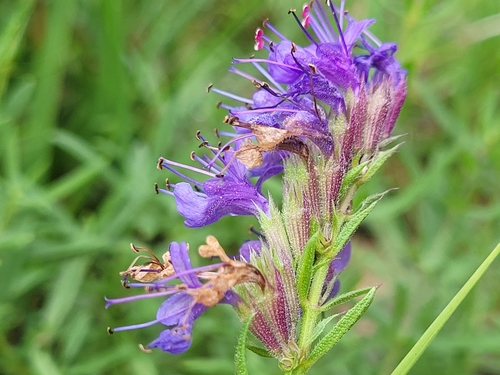
Hyssop
Hyssopus officinalis
Hyssop species are used for coughs and colds; only the asthma trial above has tested this, with benefit limited to productive cough.
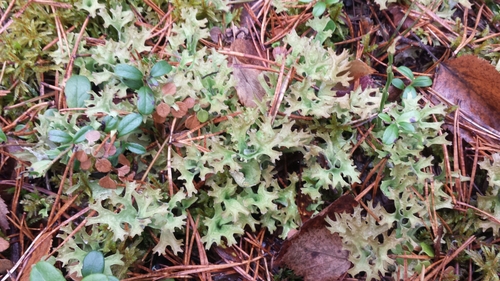
Iceland moss
Cetraria islandica
EMA traditional-use indication for dry cough associated with mouth or throat irritation.
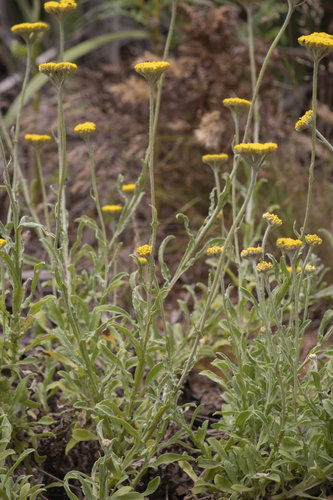
Imphepho
Helichrysum odoratissimum
In the Eastern Cape the herb is inhaled for coughs and colds, and in Lesotho the whole plant is burned as a fumigant for flu, coughs and colds. No clinical studies were found.
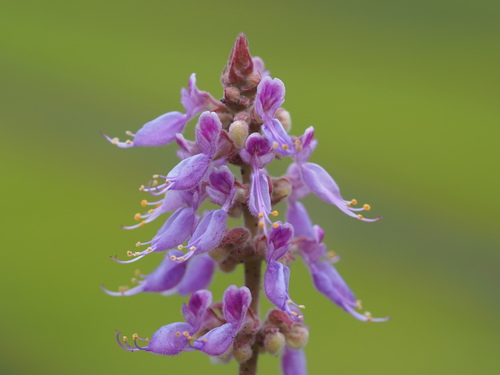
Indian borage
Coleus amboinicus
In India the leaf juice is commonly used for coughs, sore throat, nasal congestion, asthma and bronchitis. No clinical trials were found.
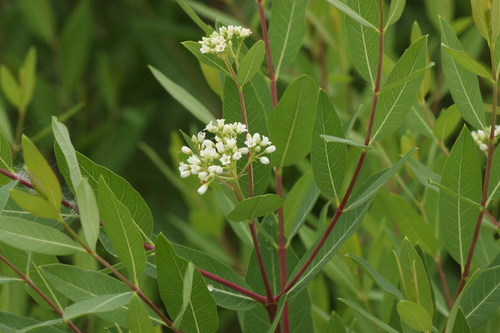
Indian hemp
Apocynum cannabinum
The Cherokee used it for coughs, whooping cough and asthma, and the USDA guide records the dried plant being snuffed for head colds. Untested.

Indian ipecac
Tylophora indica
Used for cough, whooping cough, bronchitis and colds, and as an expectorant and emetic, in India, Bangladesh and Pakistan. No clinical trials for cough were found.
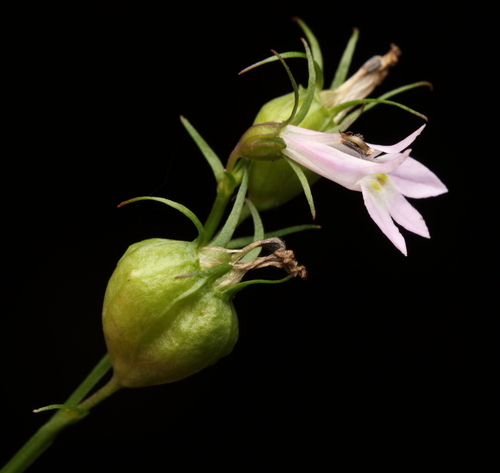
Indian tobacco
Lobelia inflata
Cherokee healers gave small doses of a tincture for croup.
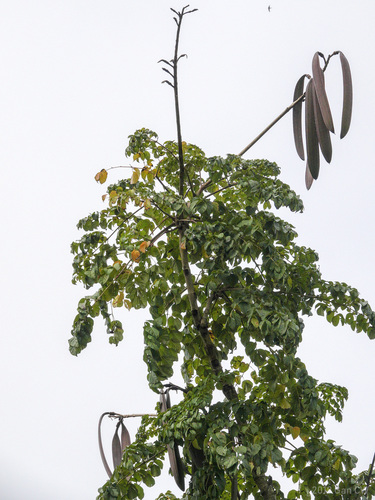
Indian trumpet tree
Oroxylum indicum
Documented in Thai traditional medicine for cough, fever and fatigue through practitioner interviews. Untested clinically.
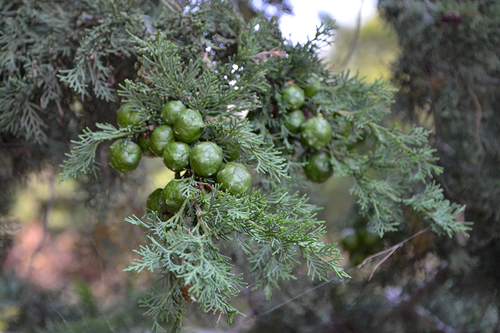
Italian cypress
Cupressus sempervirens
Taken by mouth for coughs, colds and bronchitis, and the essential oil as an antispasmodic for persistent cough. No clinical studies.
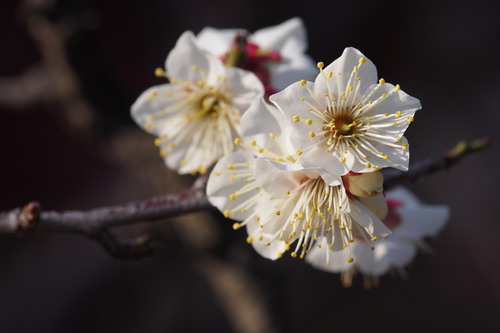
Japanese apricot
Prunus mume
Used in TCM for chronic cough attributed to 'lung deficiency'; not clinically tested.
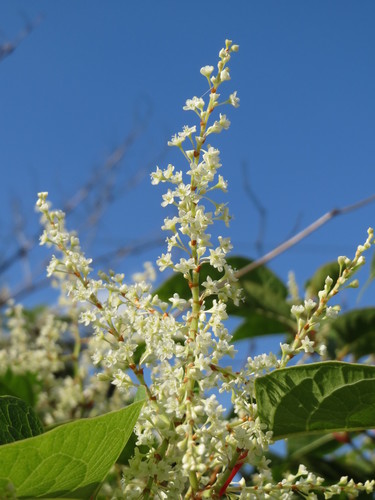
Japanese knotweed
Reynoutria japonica
In TCM it is used to eliminate phlegm and relieve cough and asthma, and is the leading herb in Shufeng Jiedu capsule for respiratory infections.
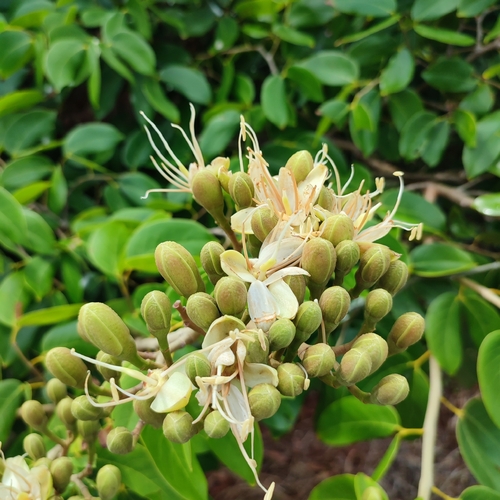
Jatobá
Hymenaea courbaril
Riverine communities of the Unini River in Amazonas use the resin for flu, sore throat and cough, and communities in Ceará use the inner bark and fruit for cough and fever. Not tested clinically.
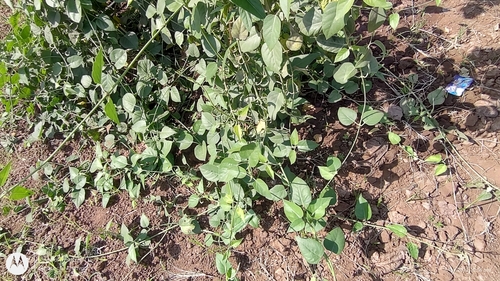
Jivanti
Leptadenia reticulata
Listed in traditional use for cough, dyspnoea, tuberculosis and fever; not clinically tested.
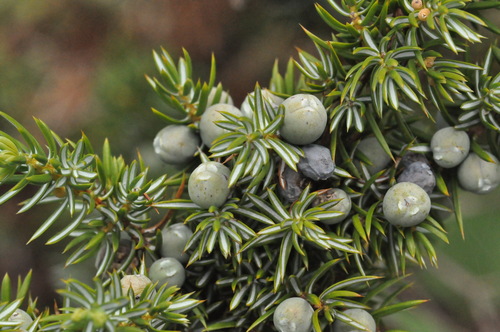
Juniper
Juniperus communis
Several Indigenous North American peoples, among them the Cheyenne, Bella Coola and Carrier, drank decoctions or infusions of boughs, cones or roots for coughs and colds.
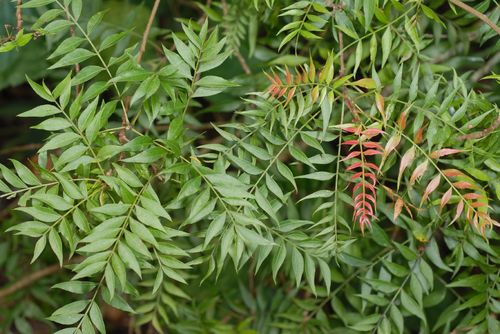
Karkatashringi
Pistacia integerrima
Used in Ayurveda, Unani medicine and folk medicine for cough and bronchitis; not tested alone in clinical trials.
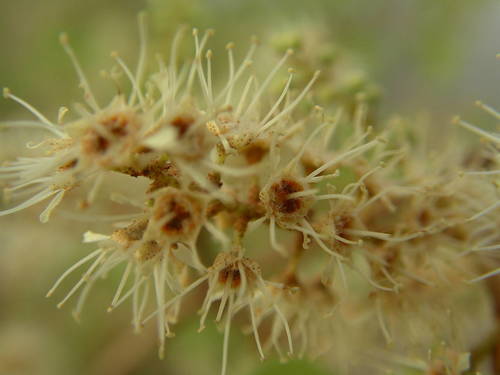
Kinkeliba
Combretum micranthum
Used for cough and bronchitis in West African traditional medicine.
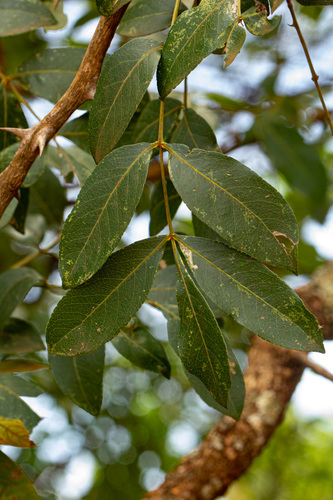
Knobwood
Zanthoxylum chalybeum
Used traditionally in Uganda for coughs, measles, skin infections, jaundice and opportunistic infections in people with HIV.
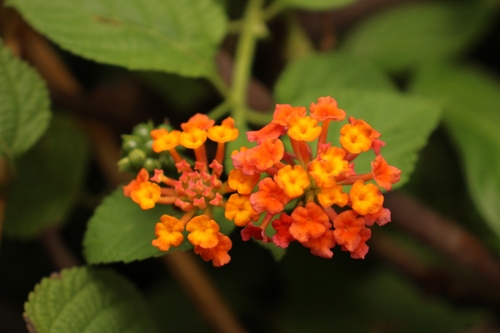
Lantana
Lantana camara
Leaf and root decoctions are used for cough by the Luo of Kenya, and leaves and fruits by Ntându and Ndibu people in the DR Congo.
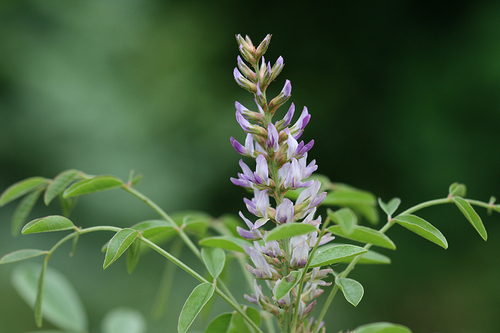
Liquorice
Glycyrrhiza glabra
EU traditional-use indication as an expectorant in cough associated with colds. One HMPC member dissented from this indication.
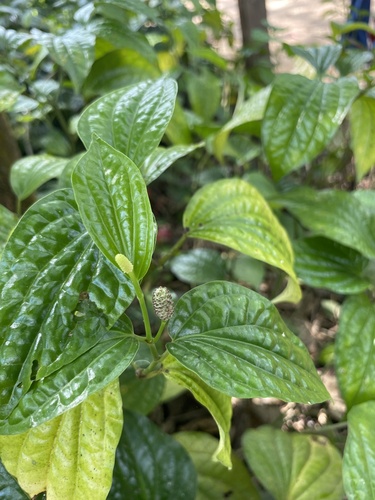
Long pepper
Piper longum
A traditional remedy in Indian systems for bronchitis, cough and colds; Hippocratic physicians are said to have valued it for respiratory ailments. No good modern trials of the spice alone.
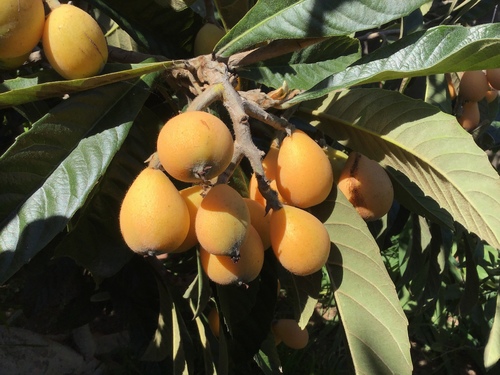
Loquat
Eriobotrya japonica
Recorded in Chinese herbal classics for 'clearing lung heat and relieving cough'; leaf flavonoids, triterpenic acids and amygdalin are core ingredients of Chinese patent cough medicines. Ursolic acid formulations (and, exploratorily, leaf triterpenoid fractions) showed antitussive and expectorant effects in animals; no controlled human trials were found.

Lungwort
Pulmonaria officinalis
Used in the folk medicine of many countries for coughs and as an expectorant and antitussive; no clinical trials were found.
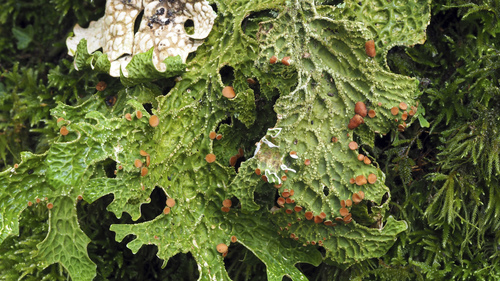
Lungwort lichen
Lobaria pulmonaria
Used in Europe for coughs and haemoptysis (coughing blood), boiled in water or milk; no clinical data.
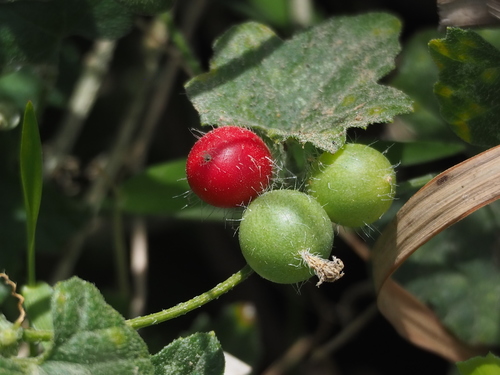
Madras pea pumpkin
Mukia maderaspatana
Healers in Kancheepuram district, Tamil Nadu, mix the leaf powder with boiled rice for colds and coughs; among Siddha practitioners in Tiruvallur it had the highest informant agreement for 'kapha' (respiratory) complaints. No clinical trials.
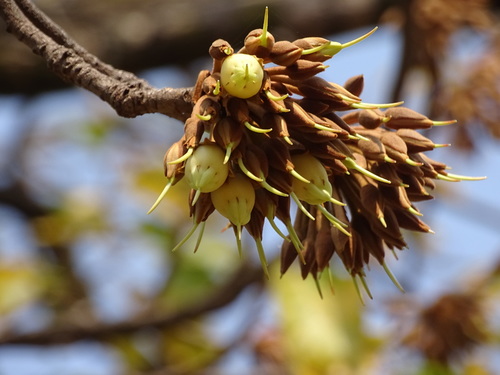
Mahua
Madhuca longifolia
Flower tonics are used for coughs, colds and fevers, and the leaves as an expectorant for chronic bronchitis; untested.
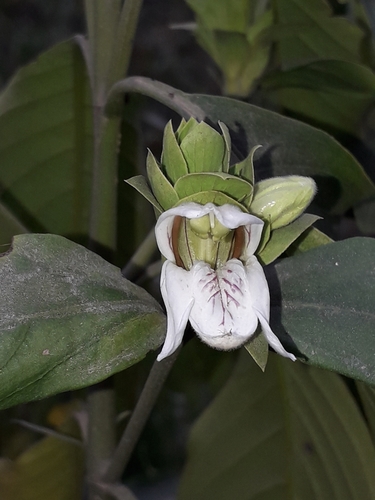
Malabar nut
Justicia adhatoda
The best-known Ayurvedic and Unani use: leaves for cough, whooping cough and chronic bronchitis. The plant itself lacks good modern trials, but its semi-synthetic derivatives bromhexine and ambroxol are established mucolytic medicines.
Mandarin orange
Citrus reticulata
Used to 'dry dampness and dissolve phlegm' in coughs with phlegm, alone or in formulas.
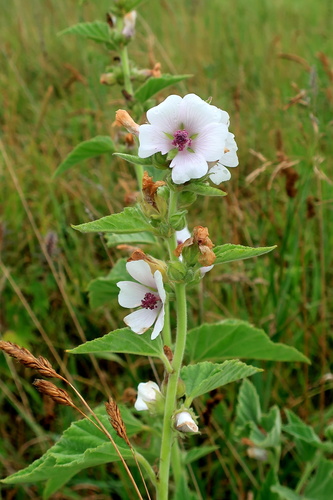
Marsh mallow
Althaea officinalis
EMA traditional-use indication: a demulcent for dry cough associated with throat irritation. A 2020 review reports animal and clinical studies supporting effects on dry cough, but much of the clinical work tested combination products.
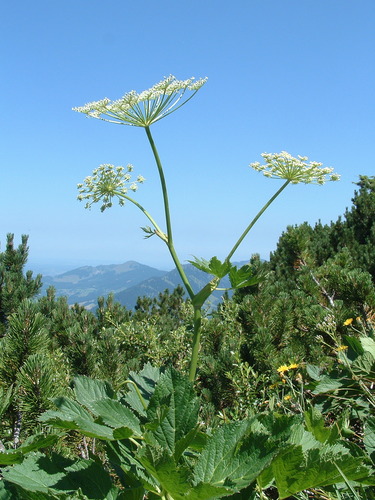
Masterwort
Peucedanum ostruthium
The 13th-century Danish canon Henrik Harpestraeng described it as a near-panacea for liver disease, jaundice, gallstones and cough.
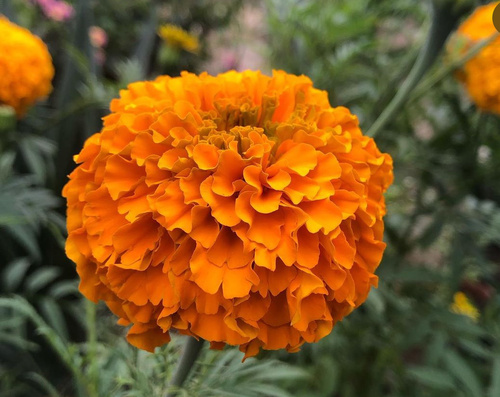
Mexican marigold
Tagetes erecta
Used for cough in Tabasco and Guerrero and for catarrh, flu and bronchitis; untested.
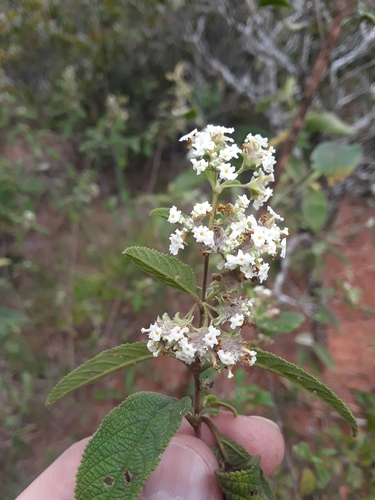
Mexican oregano
Lippia graveolens
The main use in Mexico (Michoacán, Nayarit, Tlaxcala): a warm decoction of the leafy branches drunk as a tea for cough, and as an expectorant. No clinical trials.
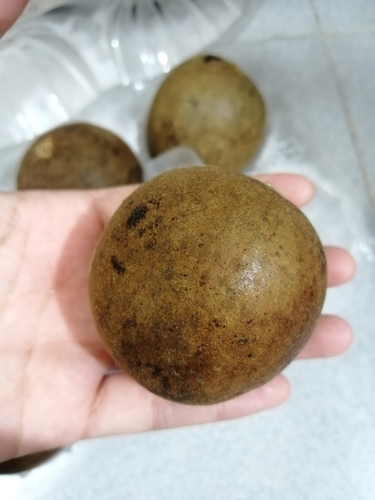
Monk fruit
Siraitia grosvenorii
Chinese Pharmacopoeia: clears heat and moistens the lungs, for dry cough from 'lung heat'. Mogroside V reduced cough frequency in mice; no human trials of the fruit alone.
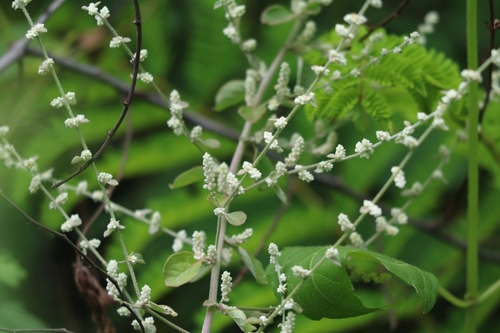
Mountain knotgrass
Aerva lanata
Valued for cough in Sri Lanka (Ceylon) and used in Ayurveda for cough and asthma; in Nigeria for cough and bronchitis. No clinical data.
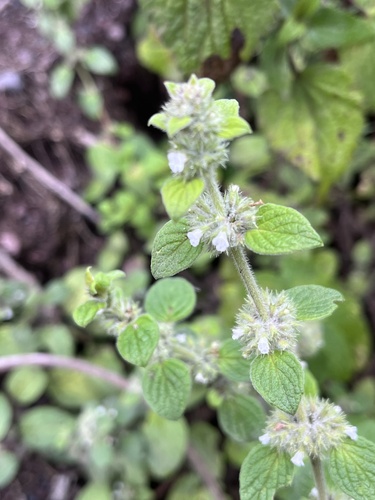
Muña
Minthostachys mollis
Recorded for cough and bronchitis in Peruvian folk medicine, and for bronchitis and asthma in Ecuador's pharmacopoeia. No clinical data.
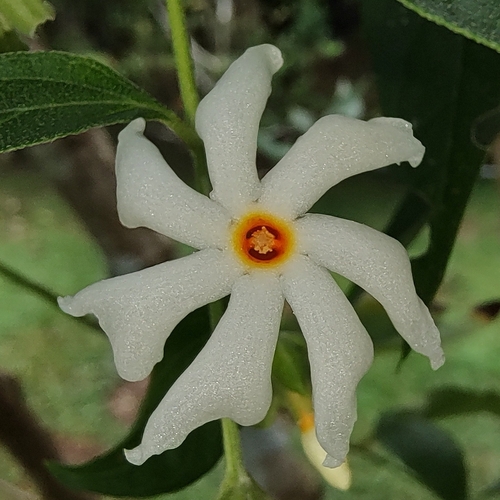
Night jasmine
Nyctanthes arbor-tristis
In Indian folk use, leaf juice mixed with honey is given three times a day for cough, and the stem bark is used as an expectorant. No clinical data.

Njansang
Ricinodendron heudelotii
A bark extract is used for cough and as an antidote to poison. There are no clinical data.
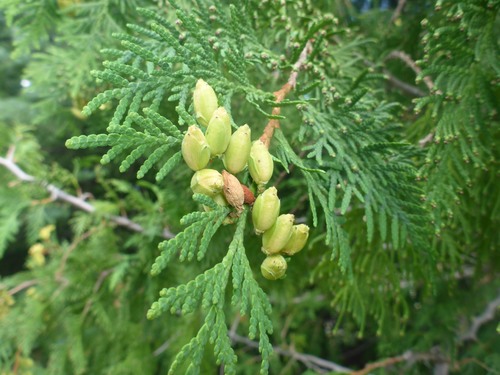
Northern white cedar
Thuja occidentalis
Chippewa cough syrup containing the leaves and Malecite infusion of boughs for coughs; Woodlands Cree decoction for pneumonia.
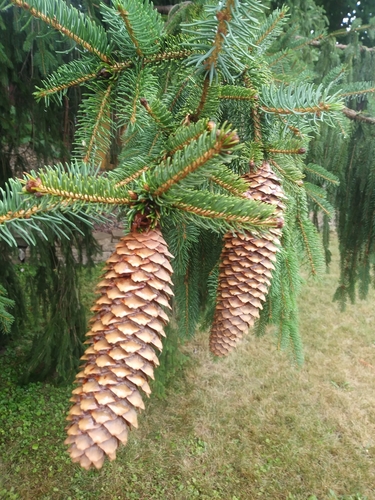
Norway spruce
Picea abies
German- and Ladin-speaking communities in the Italian Alps drink a tea of young spruce shoots for cough and flu, and take resin mixed with sugar for cough. Not clinically tested.
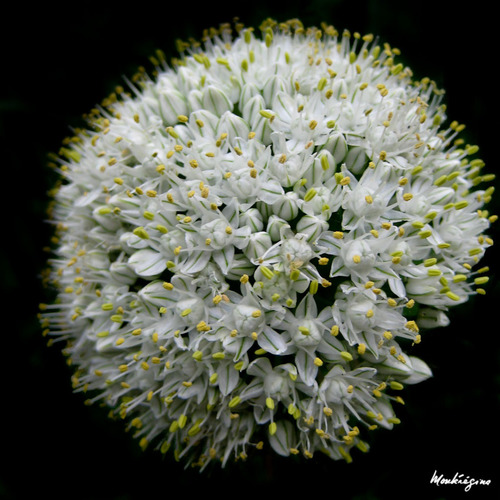
Onion
Allium cepa
Recorded in European folk medicine for cough, bronchitis, asthma and tonsillitis. EMA notes that efficacy for these uses has not been established. Small allergen-challenge studies with onion extracts reduced bronchial and skin reactions, but these were not treatment trials.
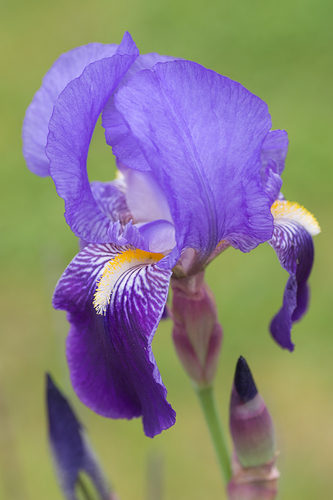
Orris
Iris germanica
Formerly used as an expectorant (King's 1898); no modern studies.
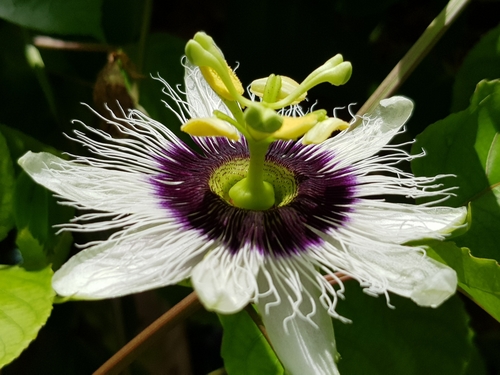
Passion fruit
Passiflora edulis
ZhongHuaBenCao lists the plant as a decoction for cough and hoarseness, along with constipation, painful periods, joint pain and dysentery.

Patala
Stereospermum chelonoides
Flowers with honey are used to stop cough; the root is used in cough and asthma, and decoctions of bark, root and flowers for sore throat and asthma. No clinical data.
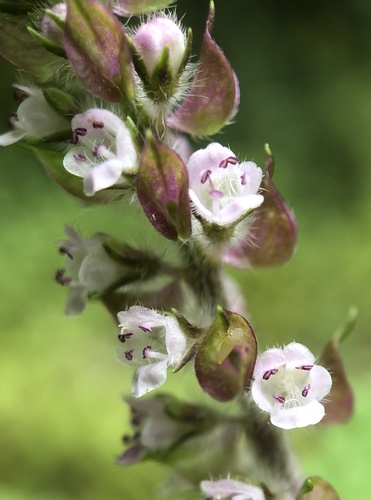
Perilla
Perilla frutescens
The seed (Perillae Fructus) and stir-fried seed are used clinically in China for cough and asthma; the leaf is also used for cough and chest congestion.
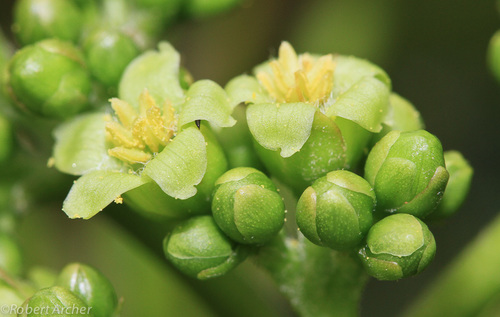
Physic nut
Jatropha curcas
Among the ten most-cited cough remedies in a survey of Osun State, Nigeria (leaf decoction); also recorded for tuberculosis, bronchitis and children's respiratory diseases.
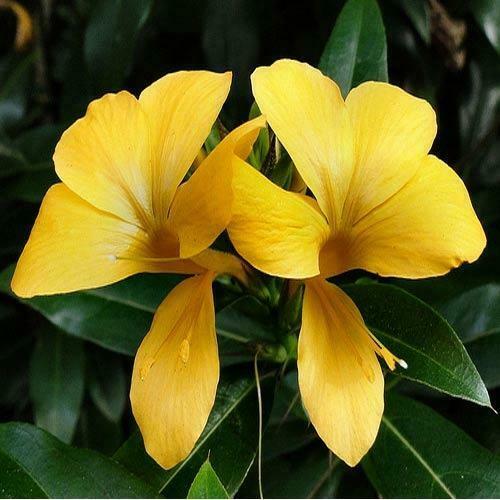
Porcupine flower
Barleria prionitis
Used for whooping cough and respiratory disorders. A purified iridoid mixture from the plant was active against respiratory syncytial virus in vitro.
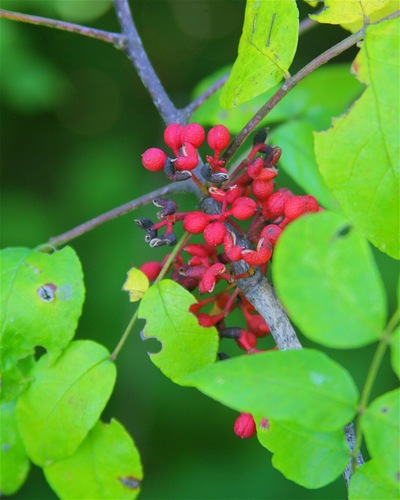
Prickly ash
Zanthoxylum americanum
Chippewa people took a bark infusion for coughs, colds and 'all pulmonary troubles'.
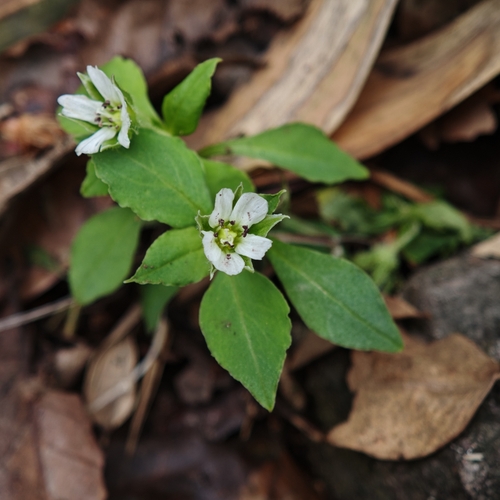
Prince ginseng
Pseudostellaria heterophylla
Indicated in Chinese medicine for dry cough from lung dryness, as a herb that 'promotes body fluids and nourishes the lungs'.
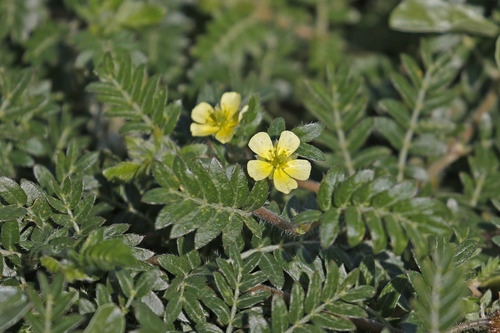
Puncture vine
Tribulus terrestris
The Chinese Pharmacopoeia, as cited by WHO, lists oral use for cough; no clinical trials.

Purple coneflower
Echinacea purpurea
The Choctaw chewed the root, or used a tincture of it, for coughs and dyspepsia.
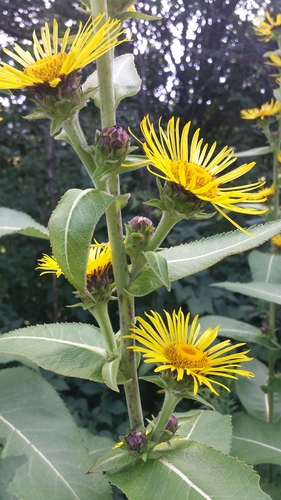
Pushkarmool
Inula racemosa
Valued as an expectorant and used by Himalayan communities for breathlessness (dyspnoea) and respiratory infections. No clinical trials.
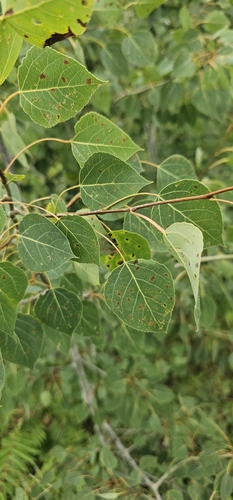
Quaking aspen
Populus tremuloides
Recorded Native American uses include coughs and colds.
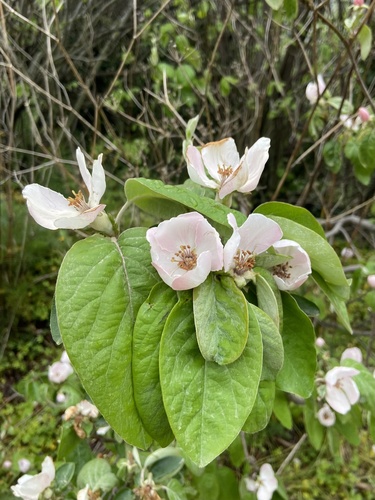
Quince
Cydonia oblonga
The seeds are used in Indian materia medica (Nadkarni) for cough, sore throat and bronchitis; their mucilage soothes the throat. No trials.
Radish
Raphanus sativus
The seed is used in Chinese medicine for panting and cough with phlegm congestion, as an expectorant and antitussive.
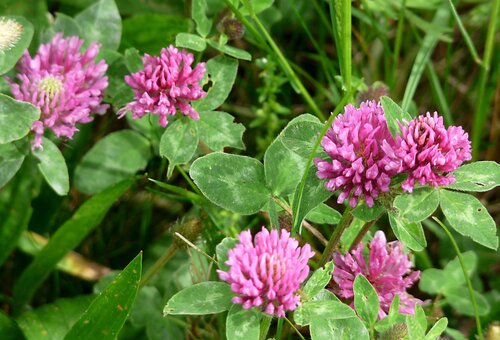
Red clover
Trifolium pratense
WHO records traditional oral use for cough and asthma. Algonquin people in Quebec took an infusion of the plant for whooping cough.
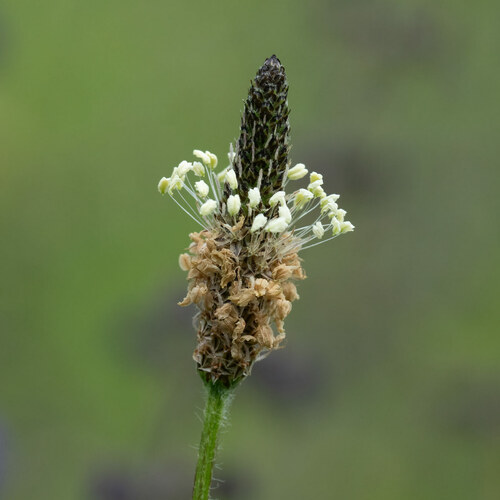
Ribwort plantain
Plantago lanceolata
EU traditional-use indication for cough with colds. The only clinical data are an uncontrolled post-marketing study of a syrup in 593 people with acute respiratory illness, in which cough intensity fell by about two-thirds over 3–14 days; without a control group this cannot separate the syrup from natural recovery, and the EMA rejected it as evidence of efficacy.
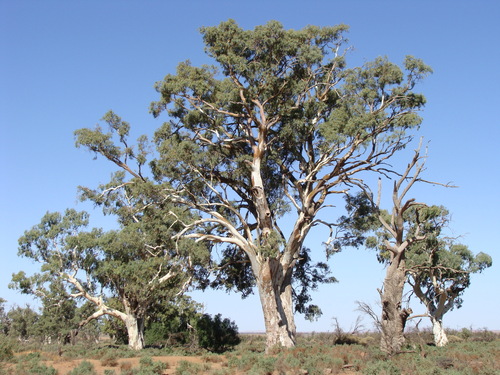
River red gum
Eucalyptus camaldulensis
Recorded in Aboriginal medicine for coughs, asthma and throat inflammation, and in Zimbabwe (in a three-plant mixture) for cough; in Sudan the smoke of burnt leaves is inhaled for respiratory problems.

Round-leaved sundew
Drosera rotundifolia
Long used for dry, irritating and whooping coughs, and listed by German Commission E for spasmodic and irritable cough. The only modern trial found tested a five-ingredient syrup (sundew with ivy, horehound, plantain and eucalyptus honey) in 56 children: cough scores fell faster than with placebo, but the pilot was small, industry-sponsored, and cannot show what sundew itself contributes.
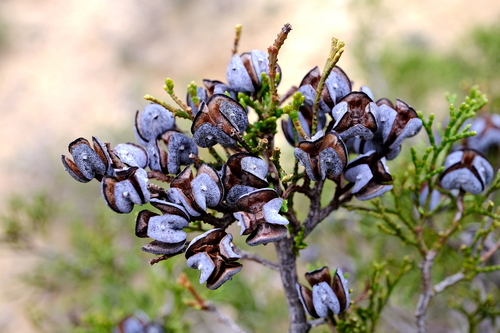
Sandarac tree
Tetraclinis articulata
In northern Morocco an infusion of leaves or cones is drunk for cough and asthma, and an Algerian survey records leaf and seed decoctions taken or inhaled for cough and flu.
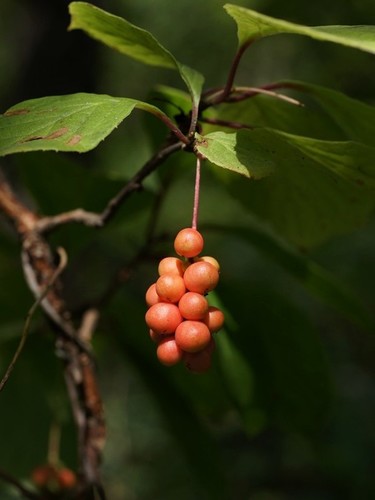
Schisandra
Schisandra chinensis
WHO records pharmacopoeial use for chronic cough and asthma, and traditional use as an antitussive and expectorant; no clinical trials.
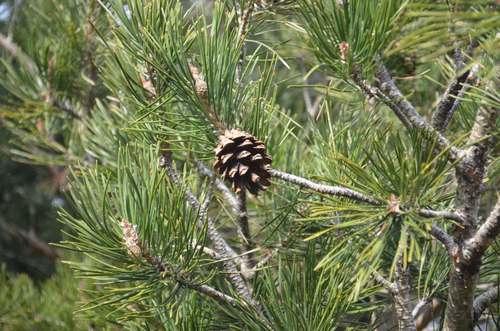
Scots pine
Pinus sylvestris
Hungarian-speaking villagers in Transylvania (515 informants, 2007–2019) made a syrup of the young spring shoots for coughs, asthma and tracheitis. No clinical studies were found.
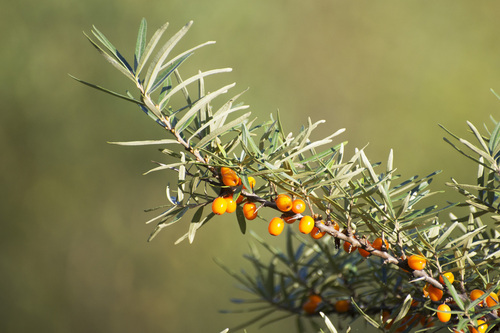
Sea buckthorn
Hippophae rhamnoides
Tibetan and Mongolian medicine use the fruit to resolve phlegm and relieve cough in chronic bronchitis and other lung conditions, often in compound powders such as Sha Ji Wu Wei San; not tested in modern trials.

Sea hibiscus
Hibiscus tiliaceus
Hawaiian use: bark crushed with other plants, steeped in water, strained and drunk for a congested chest.
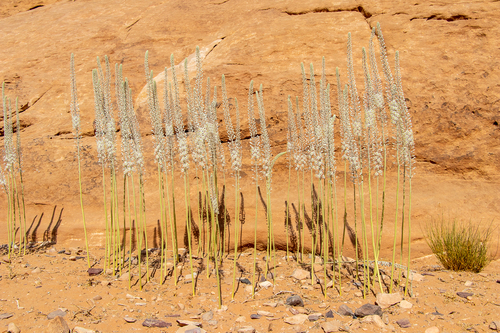
Sea squill
Drimia maritima
Ancient Egyptians used the bulb for cough and oedema, and squill was used in modern expectorant and cold preparations; overdose of a squill opiate linctus cough remedy caused digitalis-like poisoning in two patients.
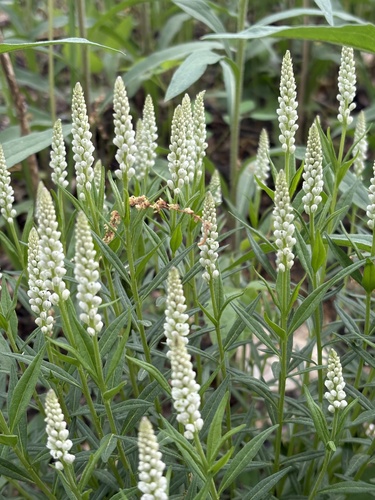
Seneca snakeroot
Polygala senega
WHO records pharmacopoeial use as an expectorant for coughs due to bronchitis, emphysema and upper-respiratory catarrh. The saponins irritate the throat and stomach lining, which reflexly increases bronchial secretion; animal studies showed more airway fluid, and one old study reported thinner mucus in bronchiectasis, but there are no controlled trials.
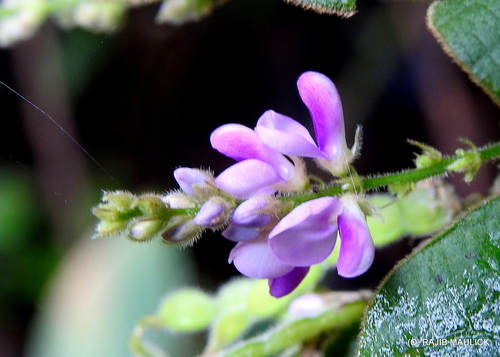
Shalaparni
Desmodium gangeticum
Ayurveda uses it as an anticatarrhal and for inflammatory conditions of the chest; Kerala tribal communities use it for cough and asthma.

Shikakai
Senegalia rugata
In Yasothon Province, Thailand, the dried fruit is lightly roasted and brewed in water, taken in small sips for cough; no clinical data.
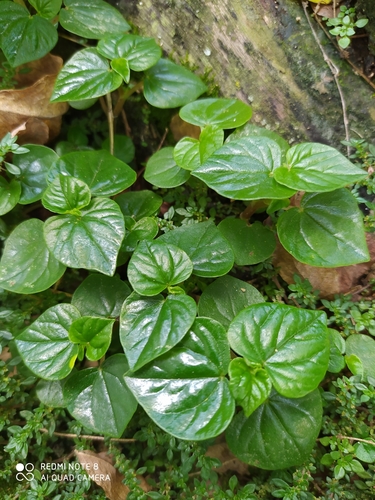
Shiny bush
Peperomia pellucida
In a 2009–2014 survey of 200 people in Singapore, the dried herb was used mostly for general health and respiratory complaints. Not tested clinically.
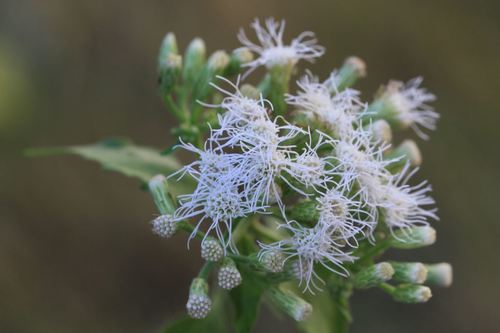
Siam weed
Chromolaena odorata
Coughs, colds and sore throat are among its recorded uses in the Asian/West African biotype. No trials.
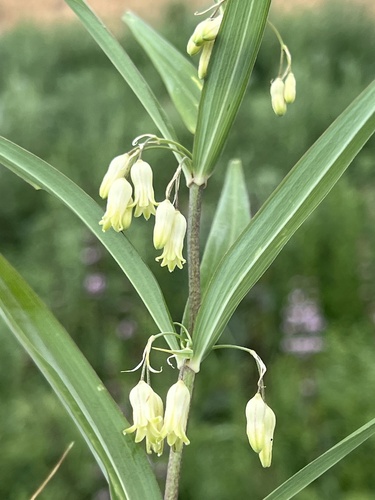
Siberian Solomon's seal
Polygonatum sibiricum
Cough and other lung complaints are among its traditional uses in Chinese medicine.
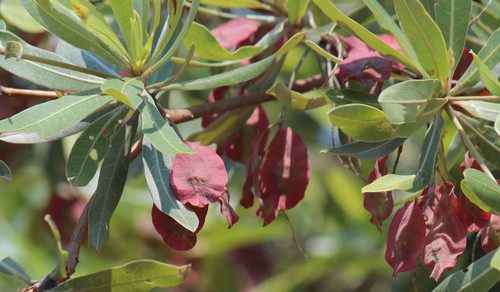
Silver cluster-leaf
Terminalia sericea
Root-bark decoction is a popular remedy for coughs across Africa. Not tested clinically.
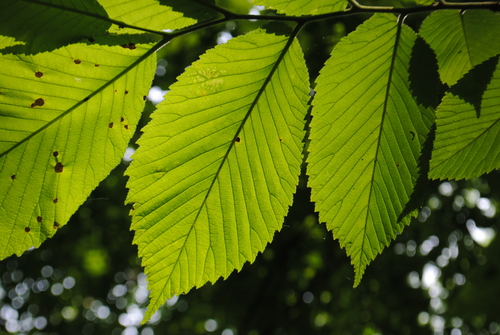
Slippery elm
Ulmus rubra
The Cherokee and Mohegan used the bark for coughs. The Mohegan chewed the inner bark to soothe the lungs, and the Cherokee also used it for colds and catarrh.
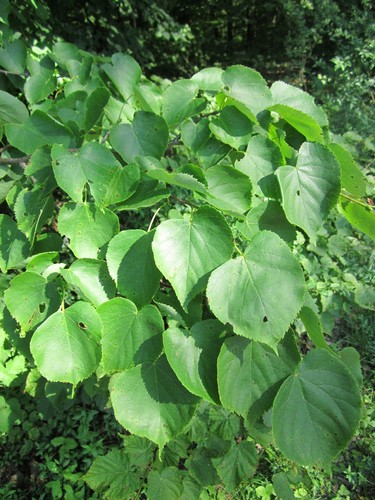
Small-leaved lime
Tilia cordata
According to the EMA assessment, Commission E approved lime flower for colds and cold-related coughs. National products in the Czech Republic, Hungary and Lithuania are registered for dry, irritating cough with a cold.
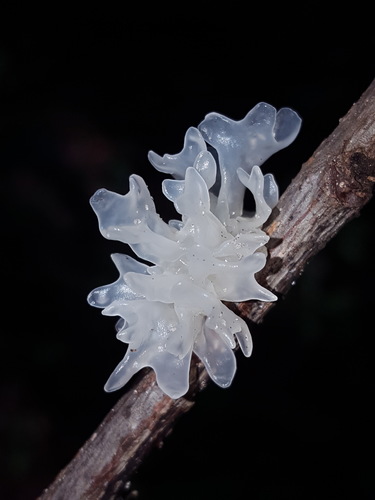
Snow fungus
Tremella fuciformis
Its traditional role is to nourish the lungs. No trials for cough or other respiratory complaints were found.
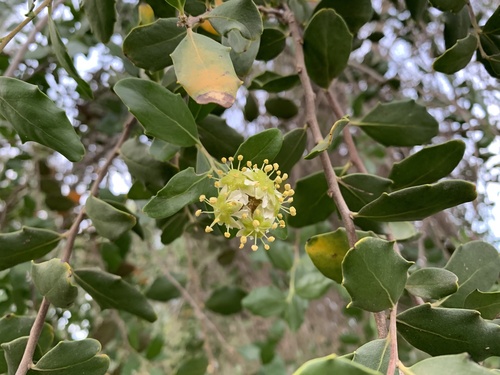
Soapbark
Quillaja saponaria
Kew's 1904 bulletin reports that Dr R. Kobert had proposed the bark as a cheaper, better-tolerated substitute for senega root as an expectorant for croup and colds, reporting that patients, including children, took it readily. No modern trials were found.

Soapwort
Saponaria officinalis
Saponins from the plant are used in traditional medicine mainly as an expectorant during upper respiratory infections.
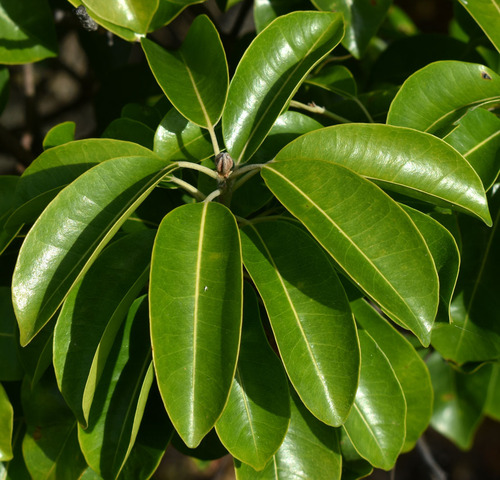
Spanish cherry
Mimusops elengi
Water from soaking the flowers overnight is given to children for coughs in Myanmar.

Spiked ginger lily
Hedychium spicatum
Cough and hiccough are classical Ayurvedic indications; bronchitis is a folk use.
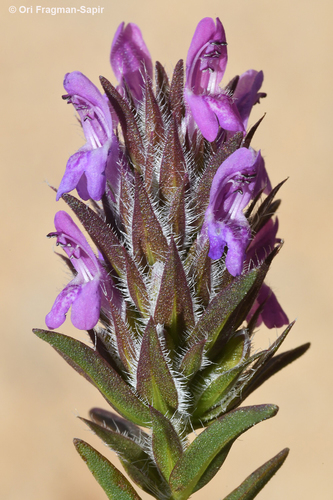
Spiked thyme
Thymbra spicata
The tea is used in Turkey for respiratory infections and bronchitis. Not tested clinically.
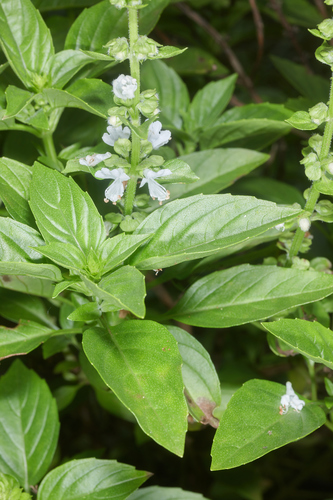
Sweet basil
Ocimum basilicum
Leaf and seed decoctions are used for cough, colds and fever by healers in several districts of India and Nepal. A review of respiratory effects found mainly laboratory and animal studies and very few clinical studies.
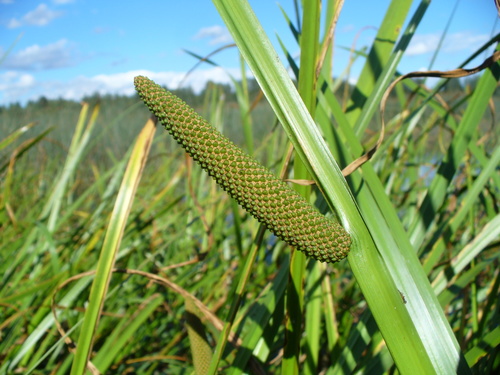
Sweet flag
Acorus calamus
Algonquin people in Quebec drank an infusion of the ground root for coughs and colds; Cherokee people chewed the root for colds; Indian and Nepalese healers used the rhizome for cough and sore throat.
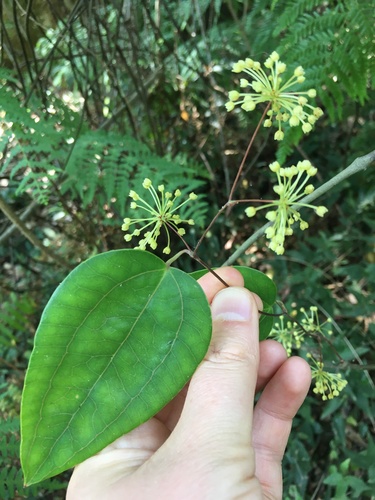
Sweet sarsaparilla
Smilax glyciphylla
Leaves and fruits are recorded as used for coughs, colds and congestion.
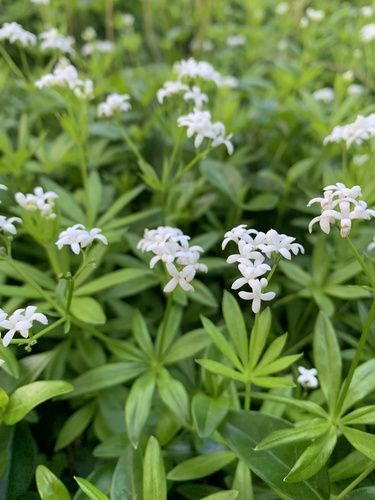
Sweet woodruff
Galium odoratum
A folk-medicine use recorded by Madaus; no clinical data.
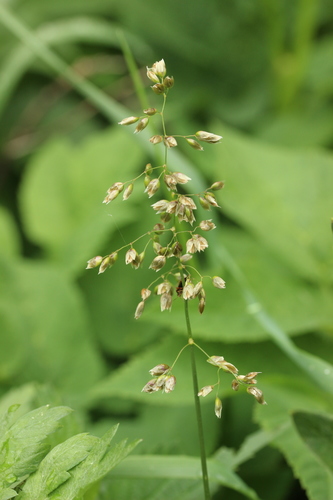
Sweetgrass
Anthoxanthum nitens
The Blackfoot took an infusion of the plant for coughs.
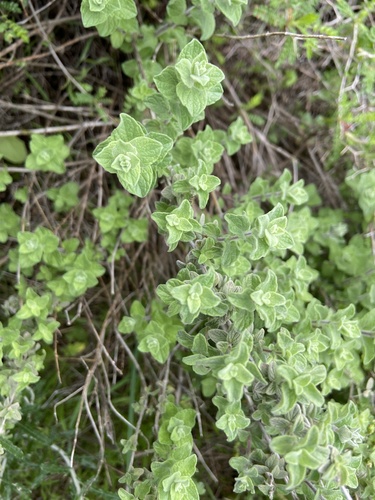
Syrian oregano
Origanum syriacum
Coughs are among its recorded folk uses; Ibn Sina wrote that rubbed on the chest it relieves bronchitis.
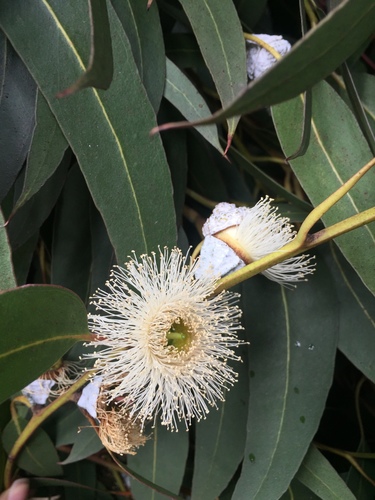
Tasmanian blue gum
Eucalyptus globulus
The EU monographs register both the leaf (2013) and the oil (revised 2024) as traditional remedies for cough associated with colds. EMA found no controlled clinical studies of eucalyptus oil itself; trials of its main constituent, 1,8-cineole, were judged to support plausibility only.
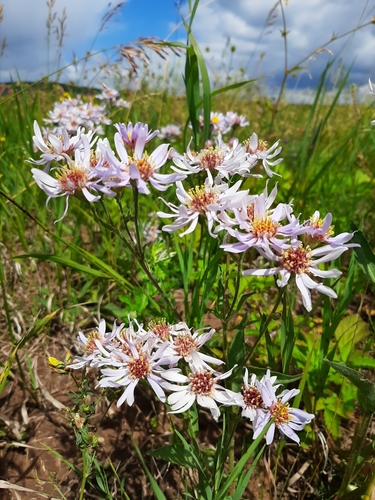
Tatarian aster
Aster tataricus
The Chinese Pharmacopoeia (2020) lists it for cough with excessive phlegm, wheezing, chronic cough and coughing up blood. In mice, shionone and epi-friedelanol from the root reduced ammonia-induced coughing and extracts increased phlegm clearance; honey-processed root was more effective than raw. No clinical trials of the herb alone were found.
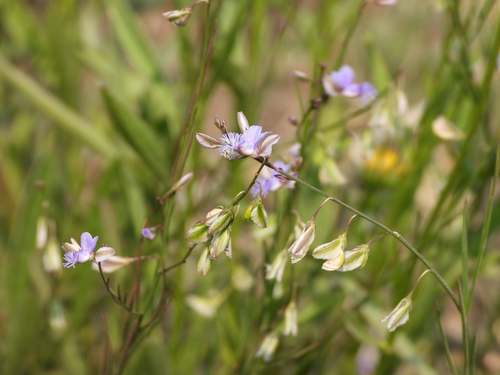
Thin-leaf milkwort
Polygala tenuifolia
Used to clear phlegm and relieve coughs with hard-to-expel sputum. In animal tests, some of its saponins suppressed cough more strongly than the same dose of codeine.
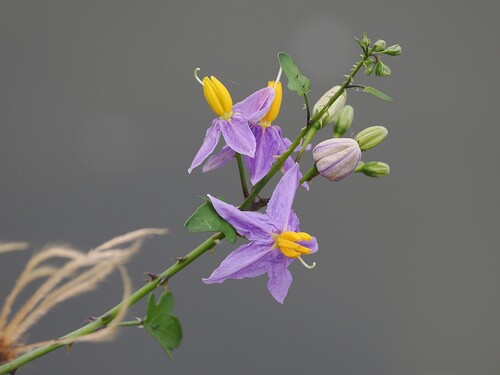
Thoothuvalai
Solanum trilobatum
In Siddha and Ayurveda the roots and leaves are used for acute and chronic bronchitis, cough, colds and other chest complaints; Siddha literature classes it as an expectorant. In a survey of 96 Siddha healers in Virudhunagar it stood out as the highly cited plant for pulmonary ailments.
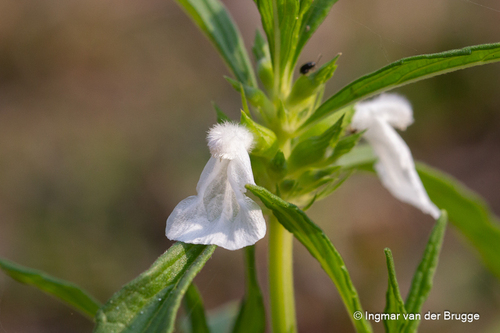
Thumbai
Leucas aspera
A handful of flowers roasted in ghee is taken for coughs and colds; hot-water extracts are taken for asthma and bronchitis. No clinical trials.
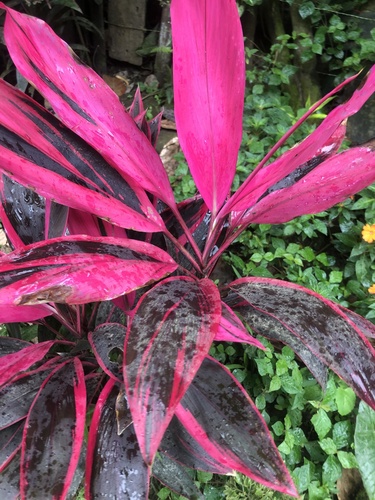
Ti plant
Cordyline fruticosa
Kadazan-Dusun healers in Sabah use the roots for cough and bloody cough; in Hawai'i the purple flowers are used for asthma.
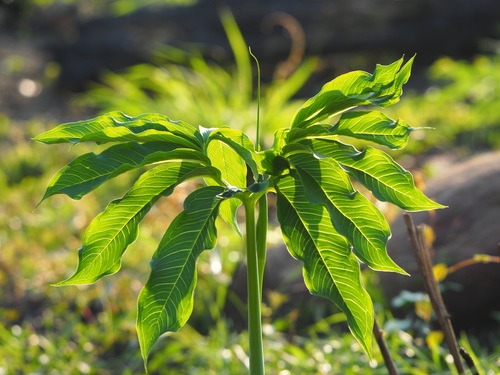
Tian nan xing
Arisaema heterophyllum
In Chinese medicine Arisaematis Rhizoma is a 'damp-drying, phlegm-resolving' drug, and plants of the genus are used for stubborn phlegm and cough. No clinical trials of the herb on its own were found.

Tokay gecko
Gekko gecko
Part of the same lung-kidney indication; no trials.
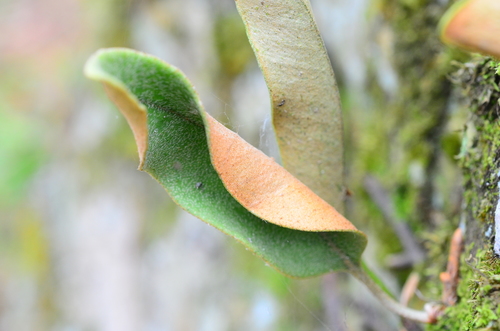
Tongue fern
Pyrrosia lingua
Shi wei is also used for cough and asthma attributed to 'damp heat' and phlegm in the lung. This use is linked mainly to the large-leaved source, P. sheareri, rather than to P. lingua.
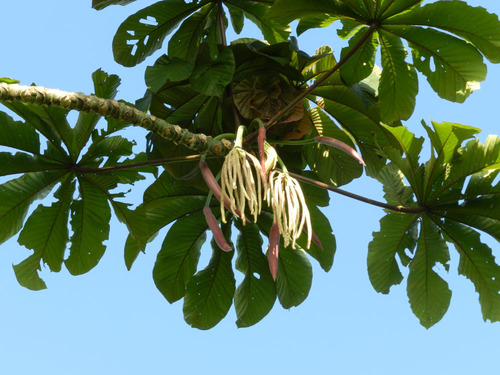
Trumpet tree
Cecropia obtusifolia
Also used in Latin America for cough, asthma, bronchitis, fever, heart failure, liver and kidney disorders, wounds, and ant and scorpion stings, according to the Mexican herbal pharmacopoeia as cited in a 2017 review. Untested.
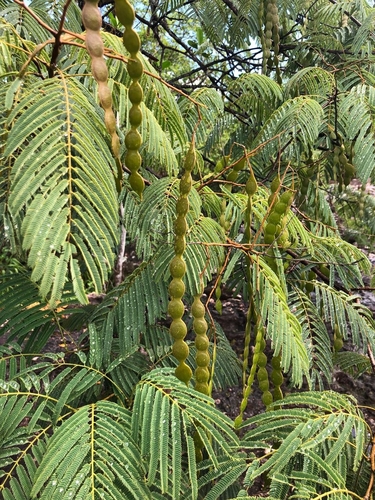
Vilca
Anadenanthera colubrina
In north-eastern Brazil angico bark is used for respiratory problems and inflammation; a sugary syrup of the bark accounted for nearly half of the preparations cited in one rural community. Not tested clinically.

White horehound
Marrubium vulgare
EMA traditional-use indication: expectorant in cough associated with a cold. Recorded for cough by Dioscorides, Hildegard von Bingen and Matthiolus. No controlled clinical trials have been done; the HMPC notes its bitter substances and essential oil may stimulate secretions in the airways.
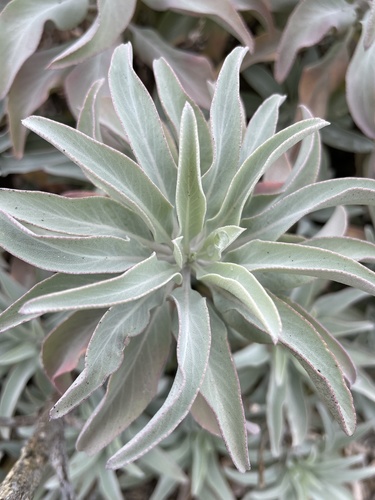
White sage
Salvia apiana
La Huerta Diegueño people drank an infusion of the leaves as a cough medicine.
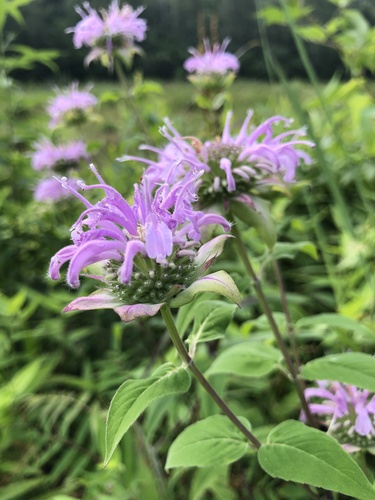
Wild bergamot
Monarda fistulosa
Blackfoot and Flathead people took infusions for coughs; the Crow used infusions for respiratory problems.

Wild ginger
Asarum sieboldii
Used for cough, asthma, phlegm and chronic bronchitis in Asian traditional medicine.

Wild lettuce
Lactuca virosa
An 1815 paper in Medico-Chirurgical Transactions dealt with its use in whooping cough. No modern clinical data were found.
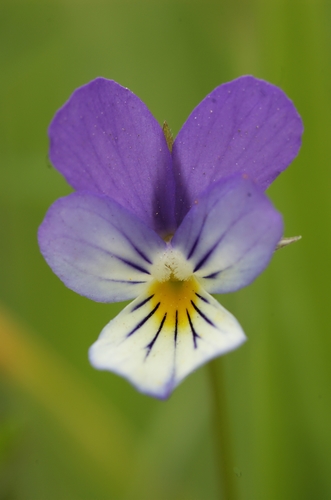
Wild pansy
Viola tricolor
Used in European traditional medicine as an expectorant for catarrh, cough and whooping cough, and in Bulgarian folk medicine as an antitussive. Spanish capsules were registered in 1991 for dry cough or common cold. EMA did not accept a respiratory indication.

Wild thyme
Thymus serpyllum
Its best-known traditional use; it appears in many Central and East European cough and cold products, usually mixed with other herbs. WHO notes it is used for the same indications as common thyme.
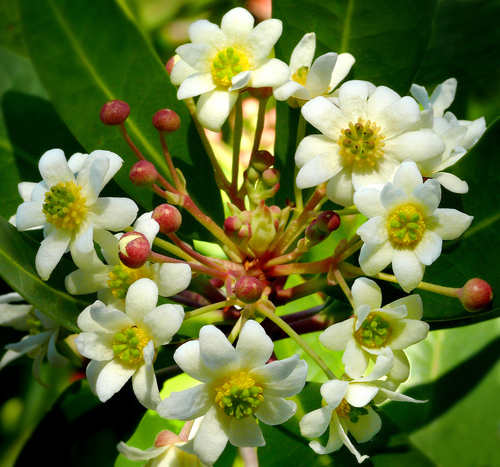
Winter's bark
Drimys winteri
Mapuche infusions of the leaves and shredded bark are used for coughs and colds; leaf infusions are also used for bronchitis, allergies and asthma. No human studies.
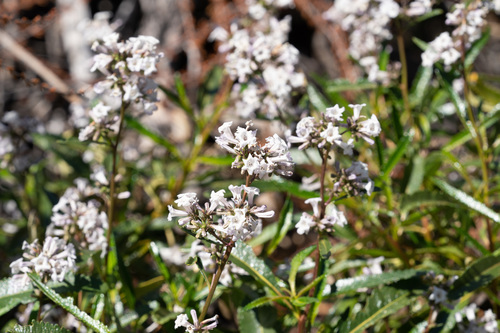
Yerba santa
Eriodictyon californicum
Miwok, Kashaya Pomo, Yurok, Yuki and Mahuna people took leaf infusions, decoctions or syrups, or chewed or smoked the leaves, for coughs; the Pomo used it as an expectorant.
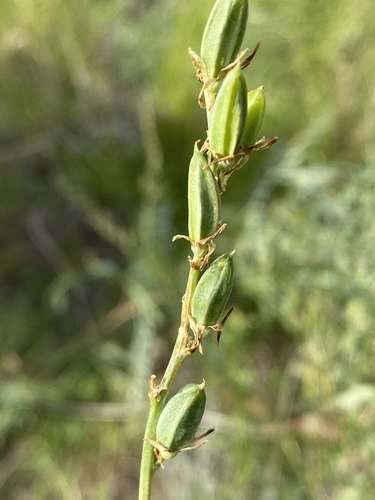
Zhi mu
Anemarrhena asphodeloides
Traditional Chinese use for cough and coughing of blood (haemoptysis). Not tested in clinical trials.