The Apothecary / Lungs & breathing
Influenza
19 remedies
See a doctor if
Breathlessness, chest pain, confusion, or high-risk groups (pregnant, elderly, chronic illness) should seek antivirals early.
Reference, not prescription. Nothing here is medical advice. Herbs can interact with medicines and be dangerous in pregnancy; tell your doctor or pharmacist about anything you take.
Limited evidence
LimitedSmall or few trials, mixed results, or mainly lab and animal work.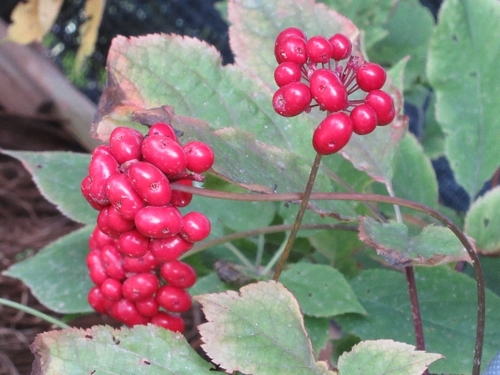
Asian ginseng
Panax ginseng
Very preliminary research suggests a lower risk of catching flu, with no effect on severity or duration.
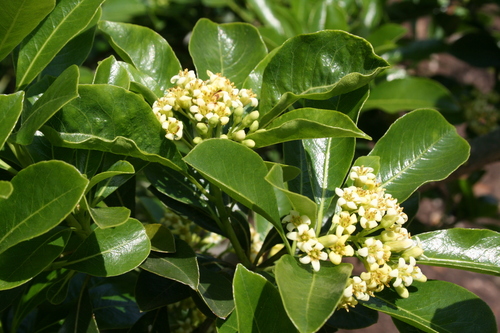
Cheesewood
Pittosporum viridiflorum
Methanol and ethanol leaf extracts were among the most active of five South African medicinal plants against influenza A virus in cell culture.
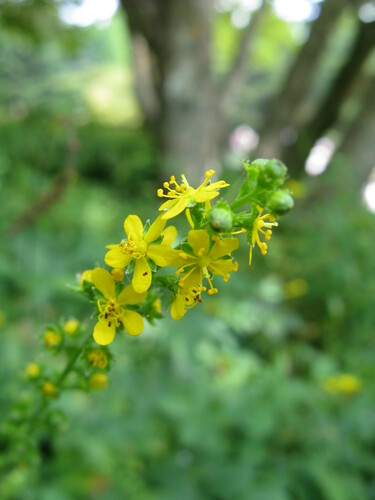
Hairy agrimony
Agrimonia pilosa
An extract inhibited influenza A (H1N1, H3N2) and B viruses in cell culture (EC50 14–23 µg/ml) and was virucidal on direct contact; no animal or human efficacy data.
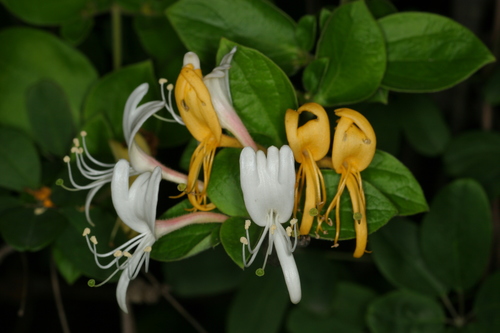
Japanese honeysuckle
Lonicera japonica
In a 410-patient open-label trial during the 2009 H1N1 pandemic, a 12-herb decoction (maxingshigan-yinqiaosan, combining the ephedra-based Ma Xing Shi Gan formula with the honeysuckle-containing Yin Qiao formula) shortened time to fever resolution about as much as oseltamivir. The contribution of honeysuckle itself is unknown.
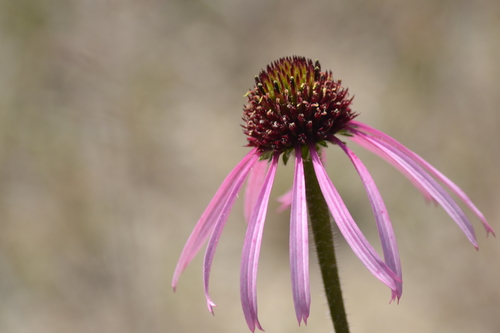
Pale purple coneflower
Echinacea pallida
Commission E (1992) approved the root tincture as supportive therapy for flu-like infections; the only placebo-controlled trial (160 patients) was positive but methodologically weak.
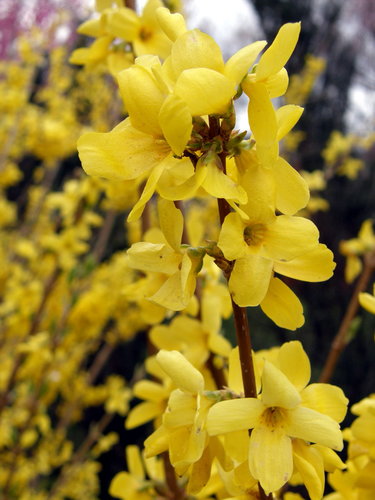
Weeping forsythia
Forsythia suspensa
Lianhua Qingwen, a Chinese patent medicine of 13 herbs including forsythia, was better than conventional drugs alone in a 2024 meta-analysis of 32 Chinese trials (3,592 patients) for influenza; reviews of Lianhua Qingwen rate most of the evidence low or very low quality.

Welsh onion
Allium fistulosum
A fructan from hot-water extract of the green leaves did not act on influenza A virus in the test tube but, given by mouth to infected mice, reduced virus replication and increased neutralising antibodies, suggesting an effect via the immune system. No human data.

Wild ginger
Asarum sieboldii
In a small single-centre randomised trial in 61 older patients with influenza-like illness in China, adding Mahuang Fuzi Xixin decoction (ephedra, processed aconite and xi xin) to oseltamivir and ribavirin shortened fever (27 vs 61 hours). The effect cannot be attributed to xi xin alone.
Traditional use
TraditionalLong recorded use, essentially untested in clinical trials.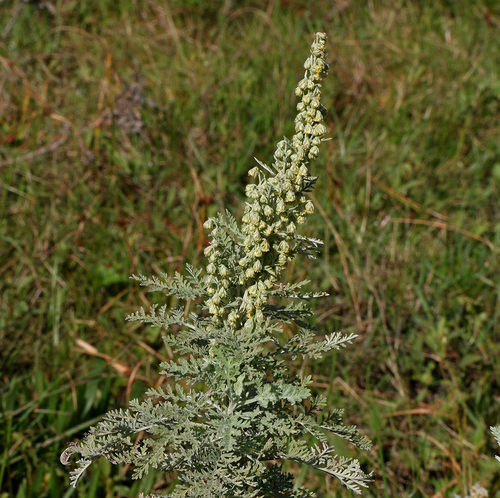
African wormwood
Artemisia afra
Taken for influenza, often boiled with ginger.
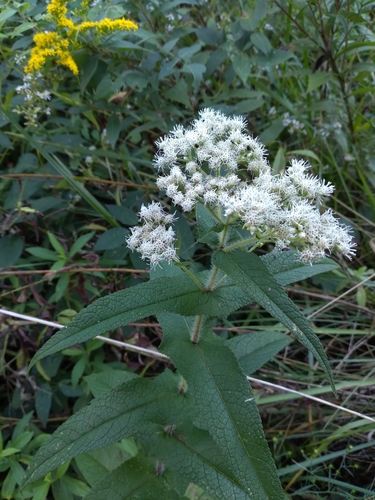
Boneset
Eupatorium perfoliatum
Cherokee infusion for 'ague', colds and flu. No clinical trials of flu.
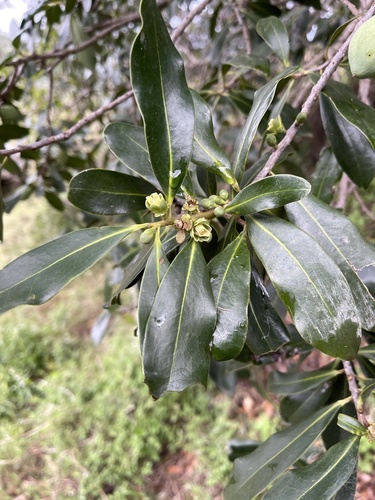
East African greenheart
Warburgia ugandensis
Traditional healers in Kagera, Tanzania, give a leaf decoction by mouth for flu and cough, and during the pandemic for COVID-19. Not clinically tested.
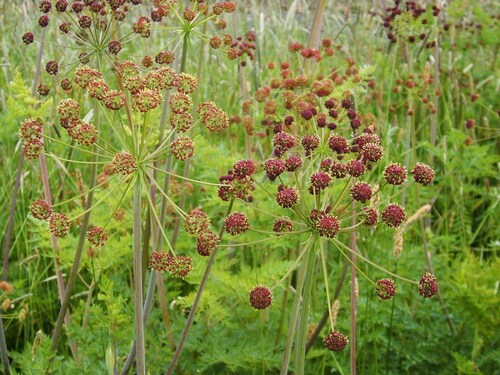
Fernleaf biscuitroot
Lomatium dissectum
Paiute and Shoshoni healers gave a decoction of the dried root for influenza, and Great Basin peoples took the decoction or inhaled its steam for flu. Modern herbalists market root extracts for influenza on the strength of anecdote and one lab finding; no clinical trial has tested it.

Fever tea
Lippia javanica
In some South African communities a leaf or root infusion is taken for influenza; it is also part of multi-herb steaming remedies for influenza and blocked nose.
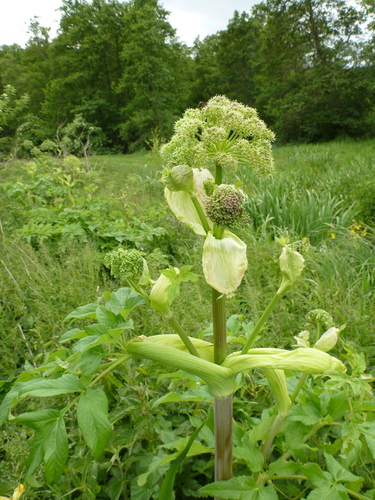
Garden angelica
Angelica archangelica
Austrian folk medicine records the root as tea or tincture for the respiratory tract, fever, infections and flu.

Indian valerian
Valeriana jatamansi
A traditional Chinese use for flu; some iridoids and sesquiterpenoids are active against influenza virus in the laboratory only.
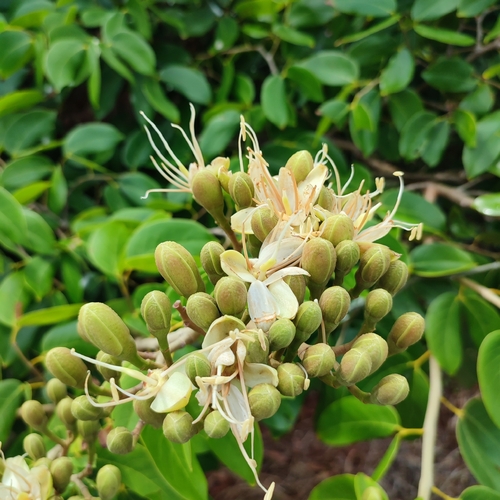
Jatobá
Hymenaea courbaril
People in São Paulo state use jatobá decoctions or syrup for flu, and Amazonian communities use the resin. No clinical studies.
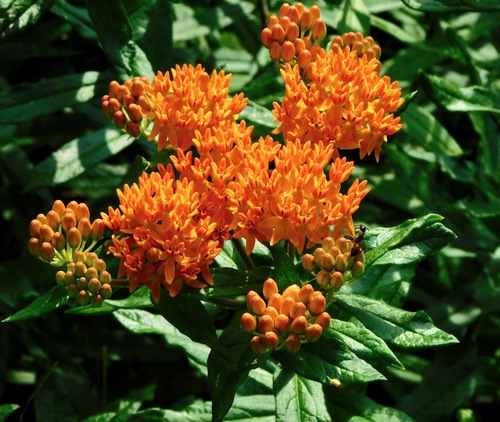
Pleurisy root
Asclepias tuberosa
Ramah Navajo used the plant for influenza, and a historical review lists pleurisy root among North American remedies for respiratory illness, noting little applied research.
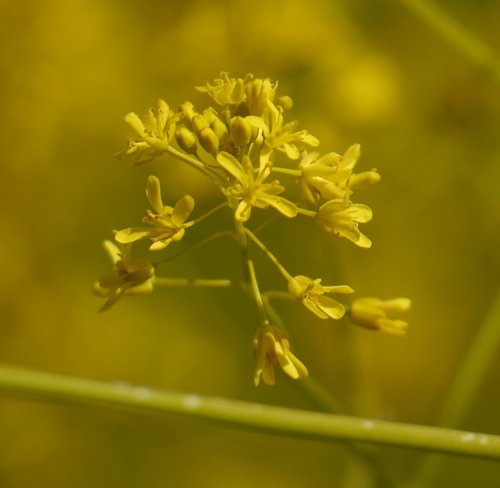
Woad
Isatis tinctoria
Root and leaf are used for influenza and other epidemic febrile diseases; the plant inhibits influenza and other viruses in laboratory studies, and is one of 13 herbs in the patent medicine Lianhua Qingwen, which has only low-quality trial evidence.