The Apothecary / Lungs & breathing
Bronchitis
56 remedies
See a doctor if
Breathlessness, high fever, or symptoms over three weeks.
Reference, not prescription. Nothing here is medical advice. Herbs can interact with medicines and be dangerous in pregnancy; tell your doctor or pharmacist about anything you take.
Moderate evidence
ModerateSeveral trials, mostly positive, or an EMA ‘well-established use’ monograph.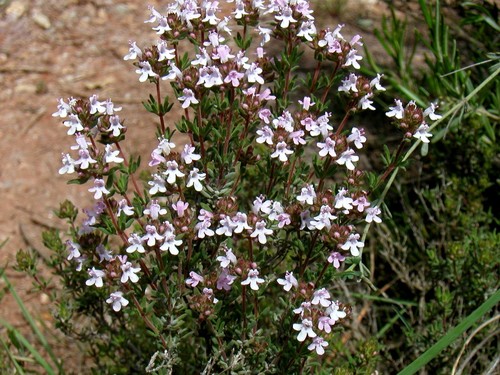
Common thyme
Thymus vulgaris
Fixed combinations have been tested, not thyme alone. A thyme–ivy syrup cut coughing fits by 68.7% against 47.6% on placebo in 361 adults with acute bronchitis; thyme–primrose combinations also beat placebo in two trials. The trials were run with the manufacturers.
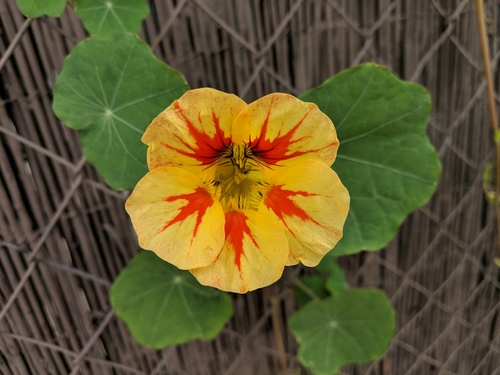
Nasturtium
Tropaeolum majus
Nasturtium–horseradish tablets: in a double-blind RCT of 384 patients with acute bronchitis, symptoms (cough, mucus, chest pain) improved faster than on placebo from day 3 to day 10. A German records study linked its prescription to fewer repeat bronchitis diagnoses than other treatments, though such studies can be confounded.
Limited evidence
LimitedSmall or few trials, mixed results, or mainly lab and animal work.
Bai bu
Stemona sessilifolia
Used in China for respiratory diseases. A water extract of S. sessilifolia relaxed guinea-pig bronchial smooth muscle in the lab, and a Radix Stemonae decoction (species not specified) reduced lung inflammation in a rat model of COPD.
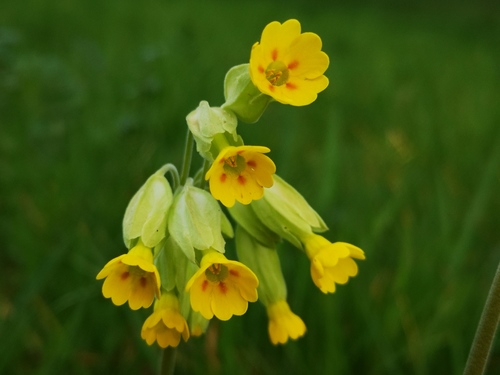
Cowslip
Primula veris
Primula root has been studied only in fixed combinations with thyme. In a 2025 open-label randomised trial in 325 adults with acute bronchitis, a thyme/primrose product was used as a comparator for ivy extract and there was no placebo group, so the trial does not show what primula itself contributes. A 2025 systematic review of herbal medicines in children with respiratory infections listed thyme/primrose root combinations among products needing further research.
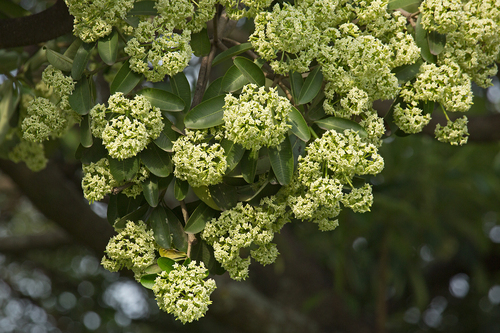
Devil tree
Alstonia scholaris
In a randomised, double-blind trial in 55 patients with acute bronchitis, a capsule of leaf alkaloids (CALAS, 20–80 mg three times daily for 7 days) eased symptoms compared with placebo without serious adverse events; the study was exploratory and focused on pharmacokinetics.
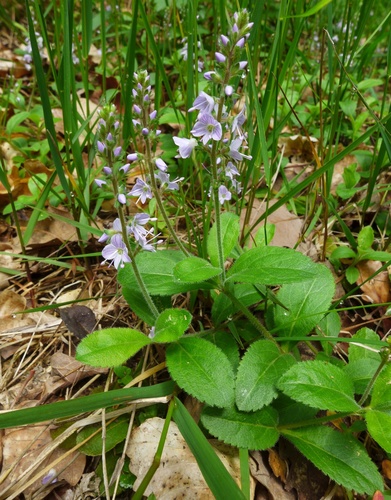
Heath speedwell
Veronica officinalis
Used for bronchitis in Montenegro and lung diseases in Romania. A standardised extract inhibited eotaxin and PGE2 release from human lung epithelial cells via the NF-κB pathway; no clinical studies.

Horseradish
Armoracia rusticana
A randomised, placebo-controlled phase IV trial of the combination in 384 patients with acute bronchitis found faster falls in a bronchitis symptom score (cough, mucus, chest pain) from day 3 onwards. An abstract was read; the full paper was not.
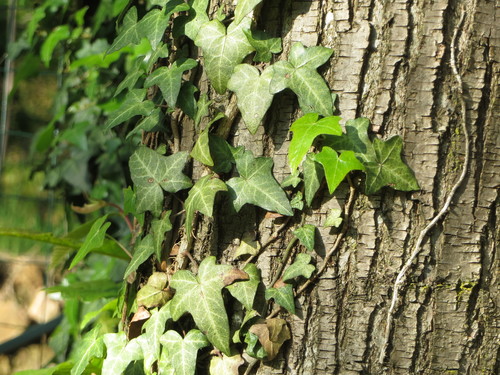
Ivy
Hedera helix
Studies in children summarised by EMA found ivy leaf comparable to acetylcysteine for acute bronchitis; Commission E approved it for catarrh of the airways and chronic inflammatory bronchial conditions. The 2021 review covered bronchitis trials and reached the same cautious verdict as for cough.
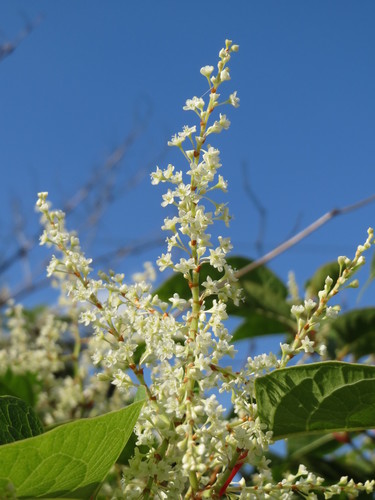
Japanese knotweed
Reynoutria japonica
A 2022 systematic review of 8 trials (1,123 people) found that herbal mixtures containing hu zhang, mostly given with antibiotics, improved acute respiratory infection symptoms (risk ratio 1.14) and shortened fever. No trial tested hu zhang alone.
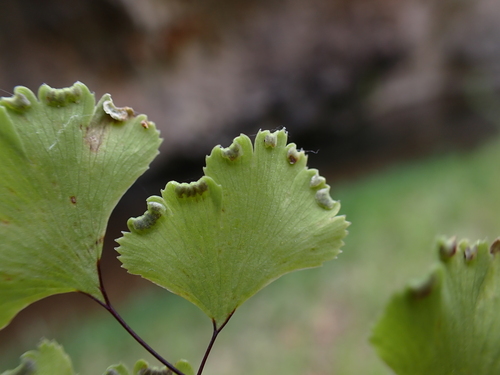
Maidenhair fern
Adiantum capillus-veneris
A formula of maidenhair, licorice, hyssop and Cordia dichotoma improved cough, sputum, breathlessness and spirometry in patients with chronic bronchitis in one clinical study; single-herb data are lacking.
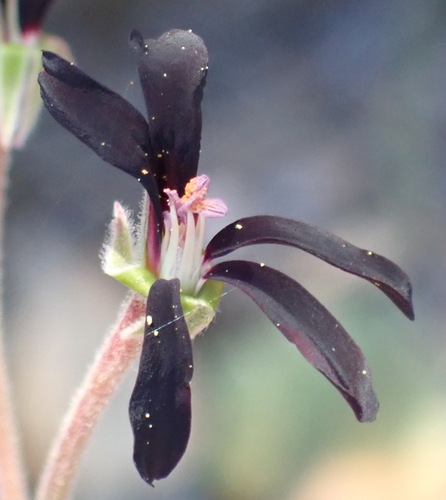
South African geranium (Umckaloabo)
Pelargonium sidoides
Cochrane (2013): three trials in adults (746 people) and three in children (819) gave inconsistent but overall positive results for acute bronchitis with the liquid extract (tablets did not help); evidence quality low. All trials came from one investigator, the manufacturer, in Ukraine and Russia. The EMA judged the effect too small to count as clinically relevant.
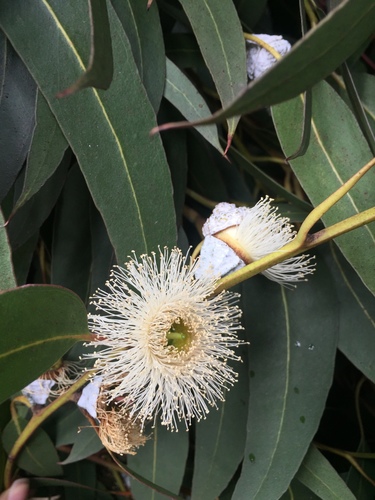
Tasmanian blue gum
Eucalyptus globulus
In a randomised placebo-controlled trial in 242 people with acute bronchitis, 200 mg of 1,8-cineole three times daily improved a bronchitis symptom score and cough frequency after 4 days; a similar 6-month trial in 242 people with stable COPD found fewer and milder exacerbations. These trials used isolated cineole capsules, not the whole oil.
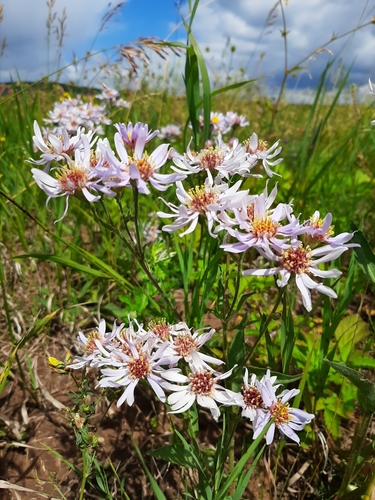
Tatarian aster
Aster tataricus
In animal studies Zi Wan San (root with other herbs) and root extracts reduced airway inflammation; human evidence is limited to multi-herb Chinese formulas.
Traditional use
TraditionalLong recorded use, essentially untested in clinical trials.
Ammoniac
Dorema ammoniacum
Western and Indian herbalists recommended it as an expectorant for catarrh, chronic bronchitis and persistent cough; the oleo-gum-resin is used for chronic bronchitis in Iran.
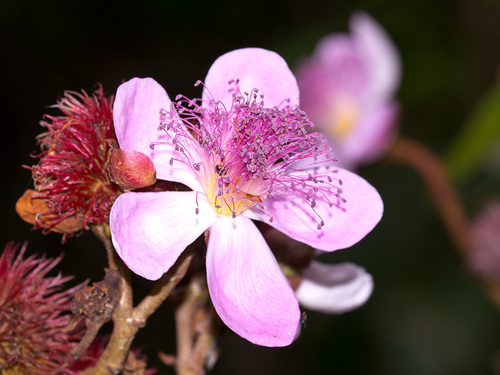
Annatto
Bixa orellana
Seeds and a leaf infusion are used for bronchitis in Brazil; in Nicaragua for coughs, colds and other respiratory disorders.

Asafoetida
Ferula assa-foetida
Western herbalism used it for bronchitis, asthma and whooping cough, on the idea that its volatile oil is breathed out through the lungs. There are no clinical trials.
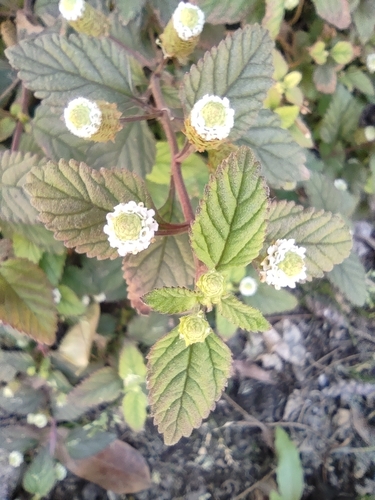
Aztec sweet herb
Lippia dulcis
Recorded Aztec use for bronchitis.
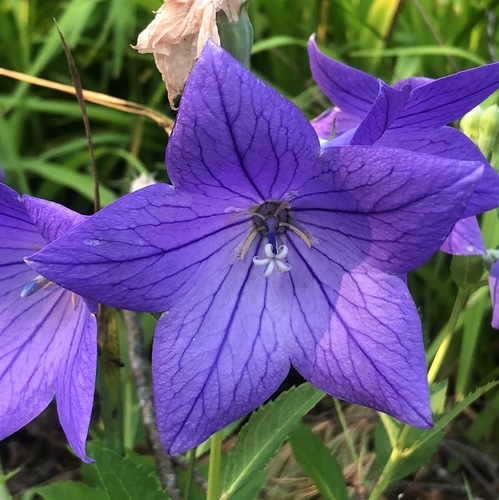
Balloon flower
Platycodon grandiflorus
Chinese traditional medicine uses it for upper respiratory infections, pertussis and asthma (WHO); untested in controlled trials.
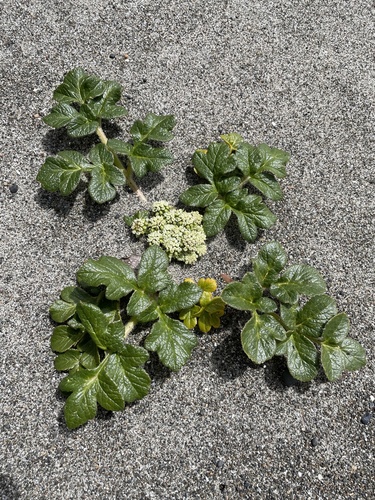
Beach silvertop
Glehnia littoralis
Classical Chinese texts list chronic bronchitis among its uses; modern Chinese use includes rhinitis and asthma.
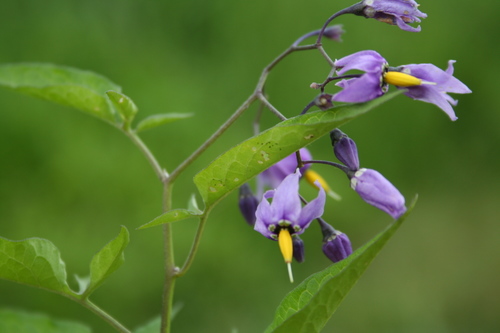
Bittersweet nightshade
Solanum dulcamara
Hagers Handbuch (1975) records internal use for chronic bronchitis and asthma; internal use is not covered by the EMA monograph because the plant may be harmful by mouth.
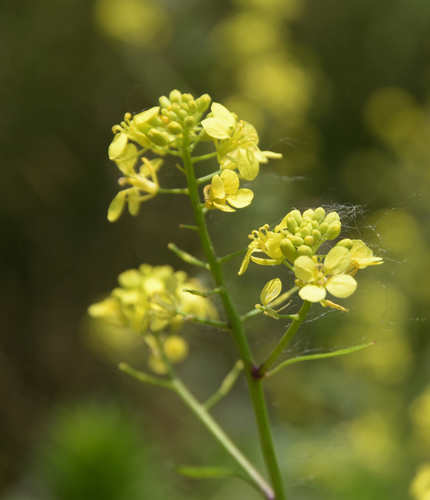
Black mustard
Brassica nigra
Plasters or mustard oil applied to the chest and back for chest congestion, to loosen phlegm; a mustard-powder chest plaster caused a second-degree burn in one reported case.
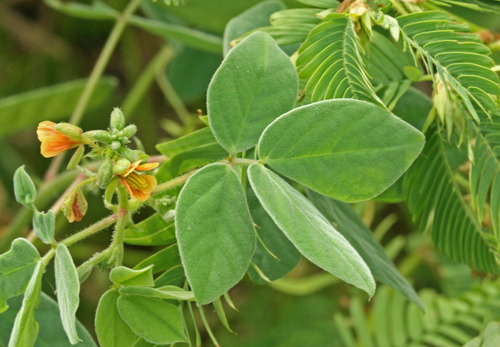
Chaksu
Chamaecrista absus
Recorded for bronchitis, asthma and cough in traditional medicine.

Chickweed
Stellaria media
The whole plant is used for asthma, bronchitis and other lung diseases, and leaf decoctions for acute respiratory illness in Asia and tropical Africa.
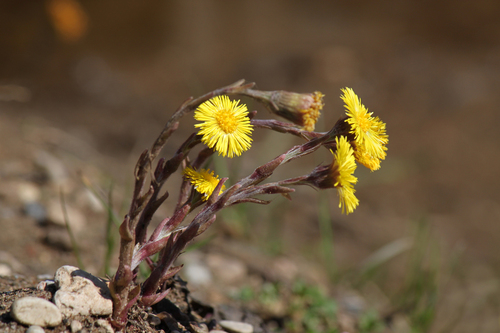
Coltsfoot
Tussilago farfara
Leaves are used for bronchial infections and chest complaints in European folk medicine, for example as tea in Norway.
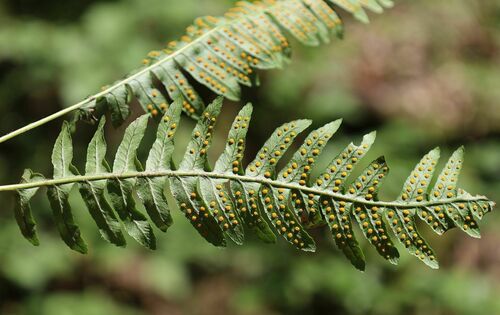
Common polypody
Polypodium vulgare
Herbal handbooks cited by the EMA list it for bronchial catarrh, bronchitis and dry irritable or whooping cough. This was not adopted as a separate EMA indication.
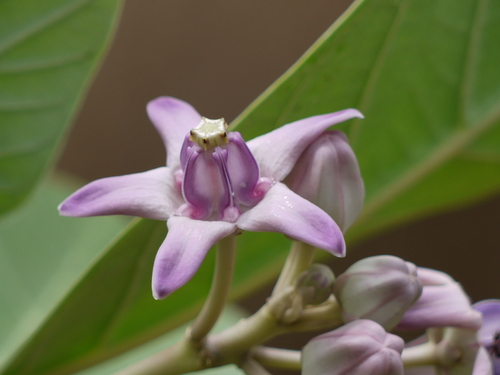
Crown flower
Calotropis gigantea
Tripuri healers lay a poultice of leaves and/or latex, or heated young leaves, on the chest for bronchitis, and a leaf poultice on the chest for cough.

Curlycup gumweed
Grindelia squarrosa
Commission E approved gumweed for catarrh of the upper airways, and older herbals list it for bronchitis and whooping cough. Crow and Flathead people took it for bronchitis, whooping cough and pneumonia.
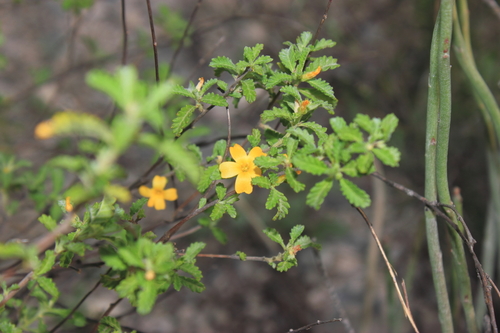
Damiana
Turnera diffusa
Same Mexican traditional use as for cough; laboratory antimicrobial work only.
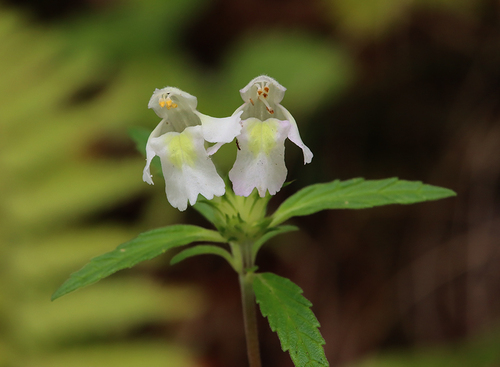
Downy hemp-nettle
Galeopsis segetum
Madaus (1938) records it for bronchitis with heavy mucus, cough and bronchial asthma, often in tea blends with Iceland moss, plantain and horsetail; its expectorant action was attributed to saponin and about 6% tannin. No trials exist.

Dwarf rhododendron
Rhododendron anthopogon
Flower tea is used for chronic bronchitis in Tibetan medicine. In Nepal the leaves are used for lung disorders and chest pain, and against tuberculosis.
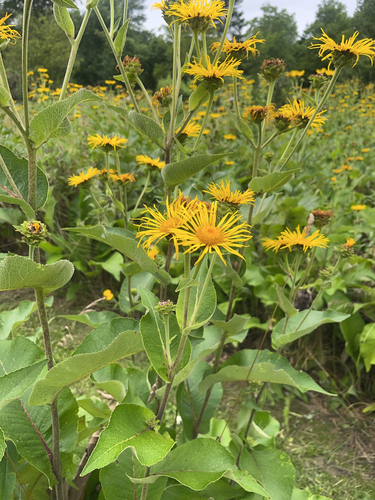
Elecampane
Inula helenium
The British Herbal Pharmacopoeia lists it as an expectorant and antitussive for tracheal and bronchial catarrh, bronchitis and whooping cough; medieval Irish texts used it for coughs and 'consumption'. Not tested in trials.
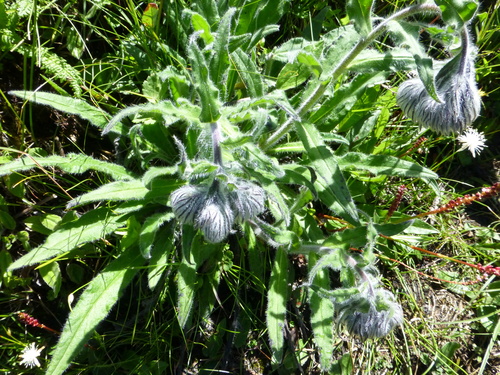
Gaozaban
Onosma bracteatum
Listed among the traditional uses for bronchitis, fever and stomach irritation; not tested clinically.

Grains of Selim
Xylopia aethiopica
Recorded traditional use for bronchitis; untested.
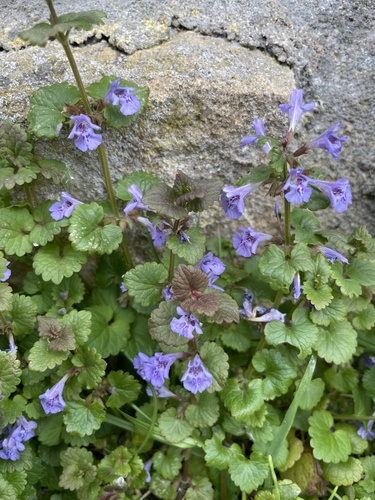
Ground ivy
Glechoma hederacea
European folk medicine uses it for respiratory disorders; a 2026 review notes that its therapeutic effects remain insufficiently investigated.

Gum benjamin
Styrax benzoin
Part of the same traditional inhalation use for respiratory disorders; untested in trials.
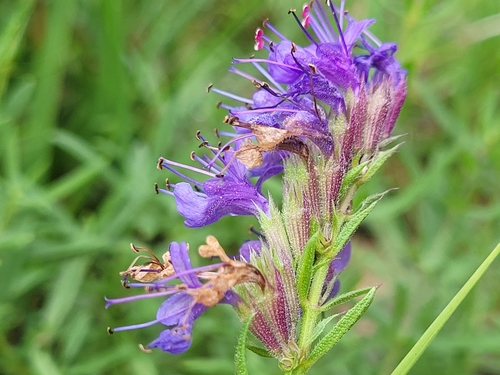
Hyssop
Hyssopus officinalis
In folk medicine (as summarised in a 2024 review) an infusion is used as an expectorant for chronic bronchitis and upper-airway catarrh; Avicenna named lung diseases as its main use. No trials outside asthma were found.
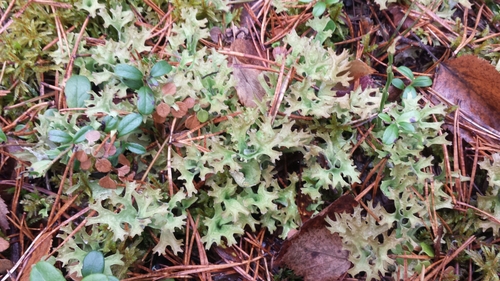
Iceland moss
Cetraria islandica
WHO records traditional use for asthma, bronchitis and cough, without clinical testing beyond the open lozenge study.
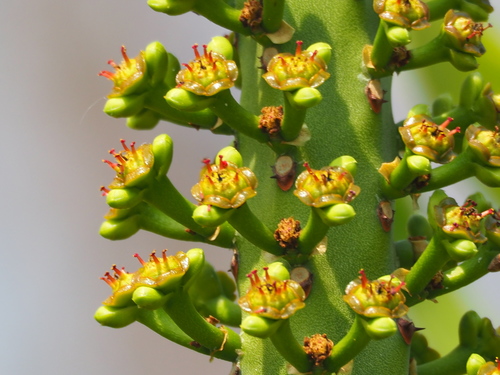
Indian spurge tree
Euphorbia neriifolia
Used in Ayurveda for bronchitis, chronic bronchitis and chest congestion. Untested.
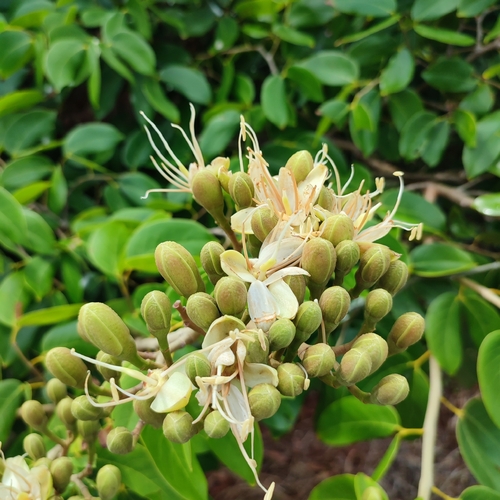
Jatobá
Hymenaea courbaril
Bronchitis and pneumonia are among the respiratory conditions recorded in Brazilian traditional use; the evidence for activity is from laboratory work on its terpenes and phenolics.
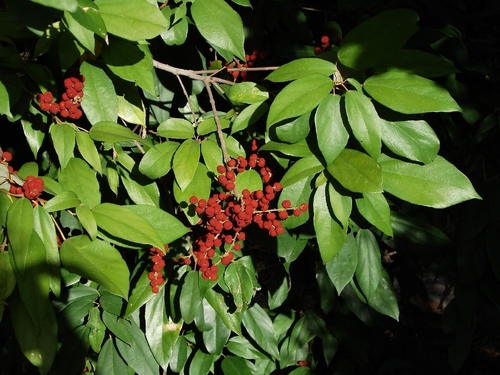
Kamala tree
Mallotus philippensis
Listed in Ayurvedic use for bronchitis, abdominal diseases and spleen enlargement.

Kidney-leaved pelargonium
Pelargonium reniforme
Used traditionally for bronchitis, stomach ailments and bloody stools.
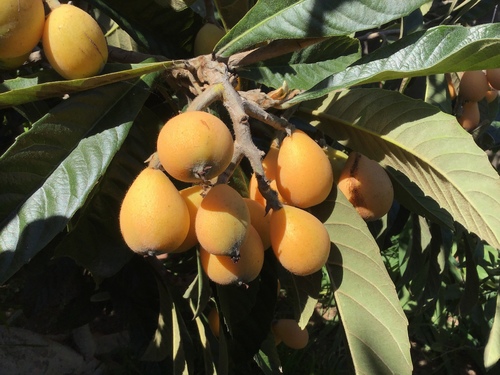
Loquat
Eriobotrya japonica
Chinese patent medicines containing loquat leaf (Loquat Paste, Loquat Cough Granules, Compound Loquat Syrup) are widely used for acute and chronic bronchitis.

Lungwort
Pulmonaria officinalis
A traditional remedy for chronic bronchitis, asthma and laryngitis. In a 2026 lab study a commercial lungwort extract reduced inflammatory signals (IL-6, IL-8) from human immune cells, but no human studies exist.
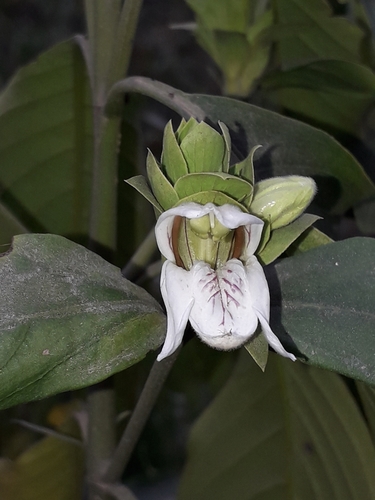
Malabar nut
Justicia adhatoda
Used for acute and chronic bronchial infections; numerous trials have been run on multi-herb vasaka formulations, of variable quality.
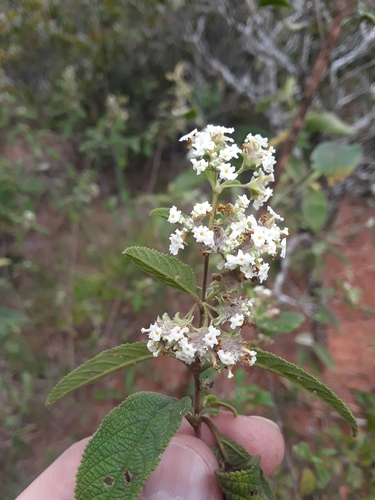
Mexican oregano
Lippia graveolens
Also used for catarrh and bronchitis, and with wild honey and maguey juice for asthma; untested.
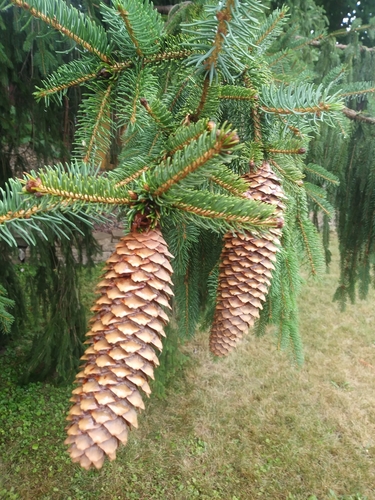
Norway spruce
Picea abies
In 19th-century American medicine, Burgundy pitch, the prepared resin, was applied as a counter-irritant plaster in chronic diseases of the lungs and other organs. Obsolete; no clinical data.
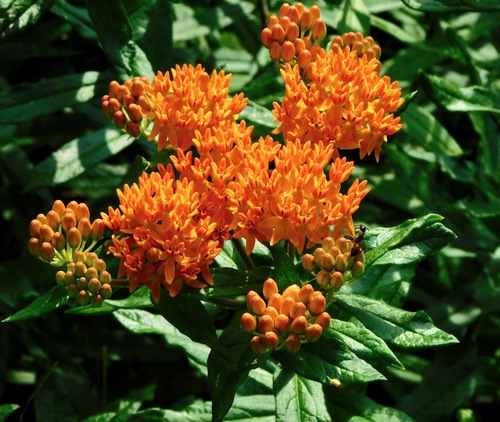
Pleurisy root
Asclepias tuberosa
Cherokee used it as an expectorant for pleurisy and lung inflammation; Delaware and Mohegan used the root for pleurisy; Omaha and Ponca ate the raw root for bronchial and lung trouble. No clinical studies were found.

Round-leaved sundew
Drosera rotundifolia
Eclectic physicians used it for the spasmodic cough of bronchitis, though Felter (1922) judged it less useful there than in the cough of measles. An animal study found a sundew naphthoquinone suppressed cough about as well as codeine, but this has not been repeated in people.
Seneca snakeroot
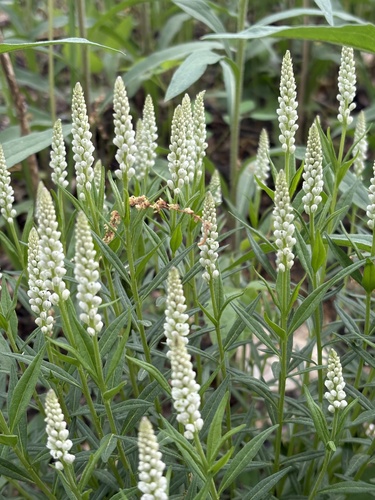
Polygala senega
Part of the same WHO pharmacopoeial indication (cough of bronchitis); no clinical trials.
Sichuan fritillary
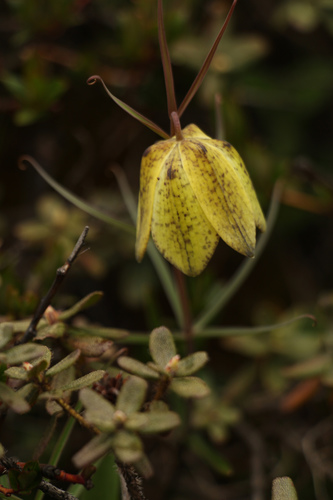
Fritillaria cirrhosa
Chuanbei Pipa syrup (with platycodon root and loquat leaf) is a Chinese Pharmacopoeia preparation for cough with phlegm. A Chinese randomised trial in acute bronchitis compared two related source species (F. unibracteata and F. delavayi), not F. cirrhosa, and found no difference in cough relief.

Soapwort
Saponaria officinalis
Roots and leaves have been used for bronchitis, coughs and colds; the saponins are thought to loosen mucus. Not tested in clinical trials.
Spiked thyme
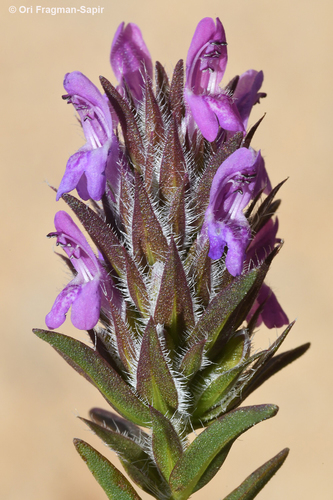
Thymbra spicata
Turkish folk remedy for bronchitis, alongside rheumatism and colic.

Teak
Tectona grandis
The astringent bark and the flowers are used for bronchitis; not clinically tested.
Thoothuvalai
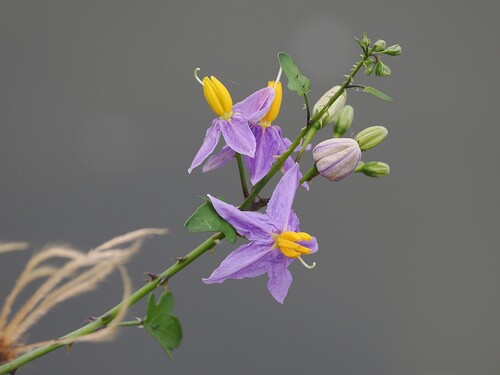
Solanum trilobatum
Listed among its Siddha and Ayurvedic respiratory uses; not tested separately in trials.

Wild thyme
Thymus serpyllum
Commission E (1987, revised 1990) approved the cut herb for catarrh of the upper respiratory tract, and ESCOP (2014) describes it as a bath additive for acute or chronic respiratory disease. No controlled trials of wild thyme alone were found.
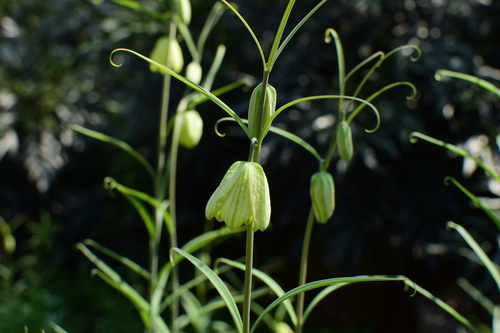
Zhejiang fritillary
Fritillaria thunbergii
Used for cough with phlegm, bronchitis, pneumonia and lung injury in Chinese clinical practice, mostly within formulas.