The Apothecary / Whole body & tonics
Fatigue and convalescence
35 remedies
See a doctor if
Tiredness with weight loss, night sweats, breathlessness, or lasting more than a few weeks.
Reference, not prescription. Nothing here is medical advice. Herbs can interact with medicines and be dangerous in pregnancy; tell your doctor or pharmacist about anything you take.
Strong evidence
StrongAn approved medicine, or consistent good-quality trials and reviews.
Limited evidence
LimitedSmall or few trials, mixed results, or mainly lab and animal work.
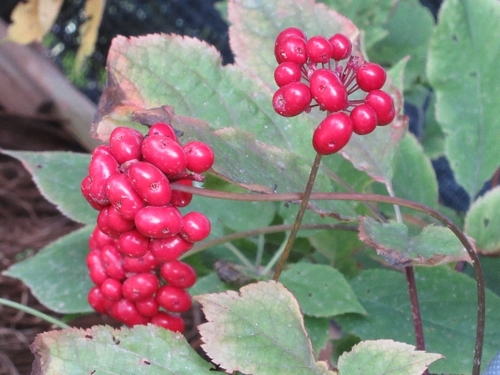
American ginseng
Panax quinquefolius
In a 364-person phase III trial in cancer survivors, 2,000 mg a day did not significantly beat placebo at 4 weeks (the primary endpoint, P = 0.07) but did at 8 weeks, with more benefit in people still having cancer treatment. Side effects did not differ from placebo.
Asian ginseng
Panax ginseng
A 2023 review of 19 studies (2,413 people) suggested a small benefit for general fatigue, though not all research agrees. EMA recognises traditional use for symptoms of asthenia such as fatigue and weakness; WHO lists weakness, exhaustion and convalescence among clinically supported uses.

Black ginger
Kaempferia parviflora
The Hmong hill tribe use it to reduce effort on long hill treks. Four small RCTs of physical performance gave mixed results; grip strength improved in a pooled analysis of two studies, while several endurance and fatigue measures did not differ from placebo.

Caterpillar fungus
Ophiocordyceps sinensis
Early small placebo-controlled studies of the mycelium product Cs-4 in elderly people reported less fatigue and other ageing-related complaints. In healthy volunteers and athletes, seven trials (286 people) gave inconsistent, small effects and no significant between-group change in VO2max.

Chinese ephedra (Ma huang)
Ephedra sinica
Sold for 'energy' and athletic performance, but no trials of ephedra for performance were found and the ephedrine trials were too inconsistent to pool.

Colombian coca
Erythroxylum novogranatense
Coca is chewed traditionally as a stimulant during work. Reviewers say coca's effects on physical performance are mild; raised glucose availability during exertion is the best-supported metabolic effect. Most studies are of coca in general (mostly E. coca), and the available evidence consists of case studies rather than clinical trials.
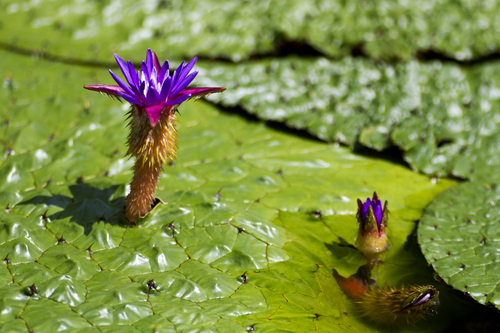
Fox nut
Euryale ferox
Phenolic extracts of the seed shell lengthened exhaustive swimming time and raised liver glycogen in mice. Animal data only.
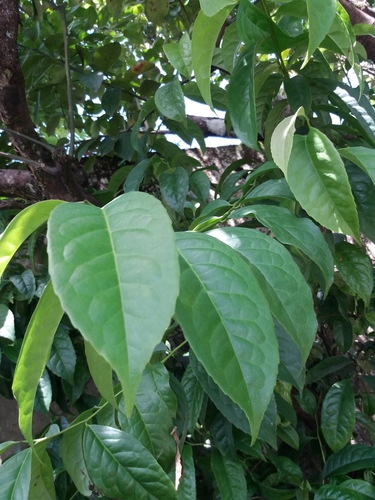
Guayusa
Ilex guayusa
In a randomised, double-blind crossover trial in 25 young adults, 600 mg of guayusa extract reduced fatigue-inertia and raised perceived energy and psychomotor speed compared with placebo; both 600 and 1200 mg raised systolic and diastolic blood pressure by 4–5 mmHg.
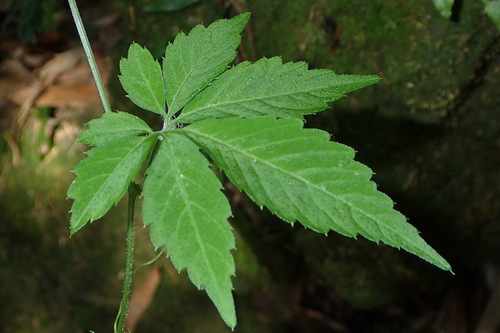
Jiaogulan
Gynostemma pentaphyllum
A 12-week randomised placebo-controlled trial found an extract containing gypenoside L eased exercise-induced fatigue without side effects.
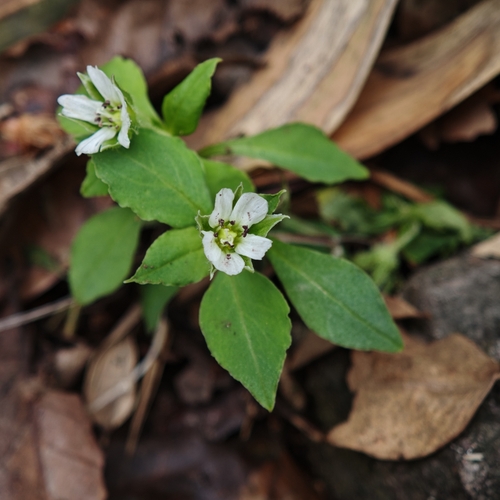
Prince ginseng
Pseudostellaria heterophylla
Used in Chinese medicine for fatigue from spleen deficiency and for weakness after illness. In rats, root polysaccharides (100–400 mg/kg daily for 28 days) lengthened swimming time to exhaustion and lowered blood lactate. No human trials were found.
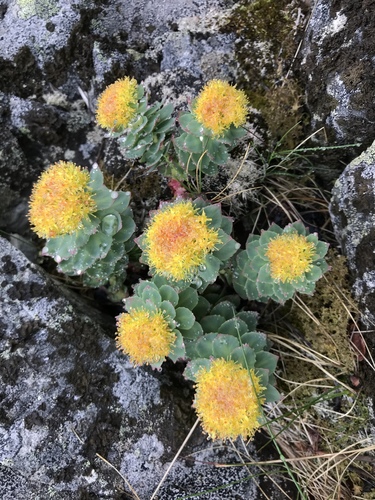
Roseroot
Rhodiola rosea
EU traditional-use indication for symptoms of stress such as fatigue and exhaustion. In the main controlled trial (60 people with stress-related fatigue, 4 weeks) the burnout score fell slightly more on rhodiola than placebo (p = 0.047); the EMA judged the trials too small and methodologically weak to support well-established use.
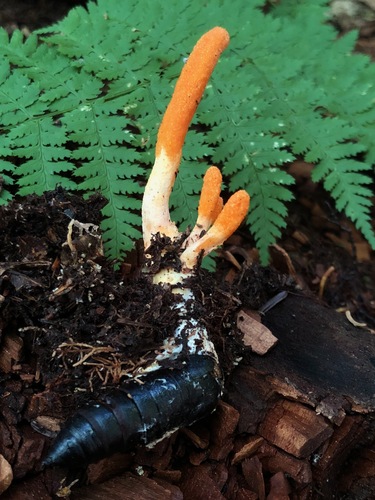
Scarlet caterpillar club
Cordyceps militaris
In a randomised trial of 28 young adults, a mushroom blend containing C. militaris (4 g a day) did not change exercise capacity after 1 week; after 3 weeks a subgroup of 10 showed improved VO2max and time to exhaustion. The product was a blend, and the study was small.
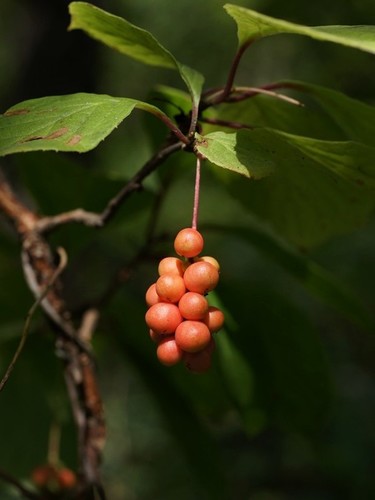
Schisandra
Schisandra chinensis
WHO lists use as a general tonic for fatigue after illness in pharmacopoeias. Older Soviet studies in healthy people (telegraph operators, athletes, soldiers, flight attendants) reported less fatigue and better work capacity, but most were uncontrolled or poorly described, and WHO judged controlled data lacking. In a modern 12-week placebo-controlled trial in 54 adults over 50 doing light exercise, 1 g/day of extract increased knee-extensor strength (by about 7–10 Nm) but not muscle mass or quality of life.
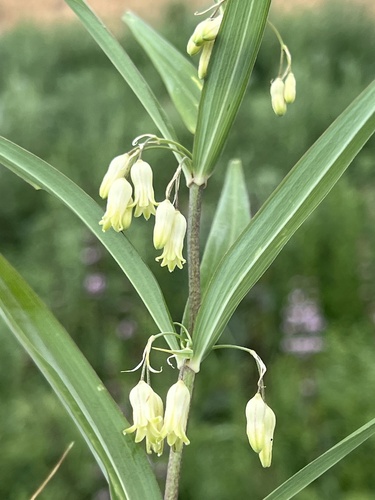
Siberian Solomon's seal
Polygonatum sibiricum
Used traditionally for fatigue and weakness. In mice its polysaccharides prolonged swimming time, lowered blood lactate and raised liver and muscle glycogen. No human trials.
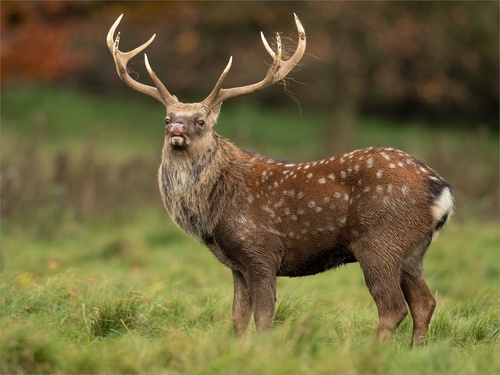
Sika deer
Cervus nippon
In an 8-week randomised, placebo-controlled trial in 100 adults with chronic fatigue syndrome, an enzyme-digested velvet extract improved general and physical fatigue scores and distance to exhaustion, with no adverse events. The extract was made from New Zealand red deer (Cervus elaphus) antler, not sika.
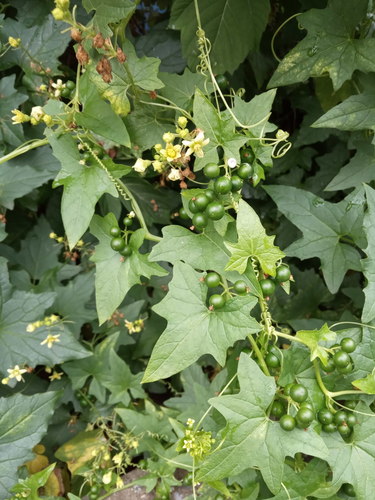
White bryony
Bryonia alba
Registered in Armenia (1992, 2003), Russia (2002), Belarus (2003) and Ukraine (2007) as a tonic for asthenia and low resistance to infection. Supporting evidence is a small placebo-controlled study in athletes, in which a combination of Schisandra and Bryonia extracts blunted exercise-induced rises in salivary nitric oxide and cortisol, plus animal stress studies.
Traditional use
TraditionalLong recorded use, essentially untested in clinical trials.
Abata kola
Cola acuminata
EMA registers traditional use for symptoms of temporary fatigue and sensation of weakness, and Commission E approved it for mental and physical fatigue. EMA found no clinical trials of kola seed itself, but judged the effect plausible because the maximum daily dose (9 g) contains at least 135 mg caffeine.
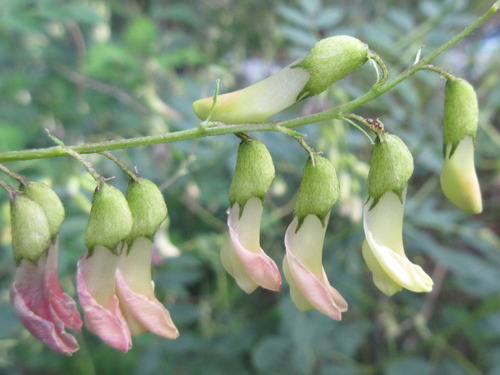
Astragalus
Astragalus mongholicus
Pharmacopoeias and traditional systems describe it as raising stamina and endurance (WHO); this has not been tested in good trials.
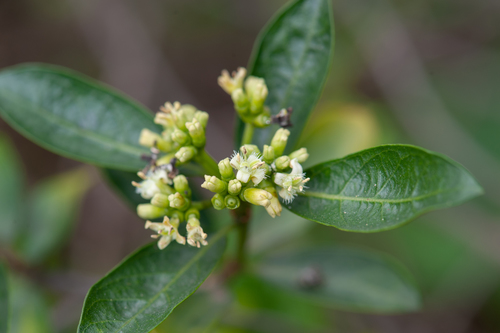
Ba ji tian
Morinda officinalis
Used as a general tonic in China and northeast Asia; anti-fatigue effects in reviews are from animal studies.
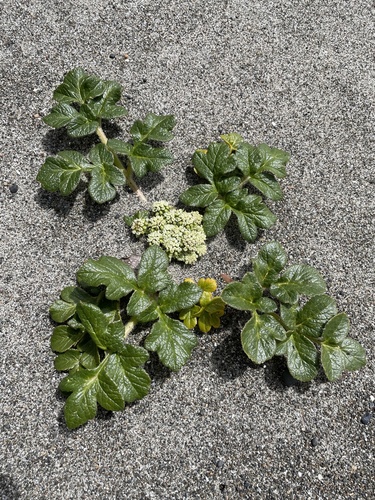
Beach silvertop
Glehnia littoralis
A yin tonic in Chinese medicine for fatigue and weakness.

Cacao
Theobroma cacao
Colonial and European sources from the 16th to early 20th century used chocolate to stimulate weak or exhausted patients.
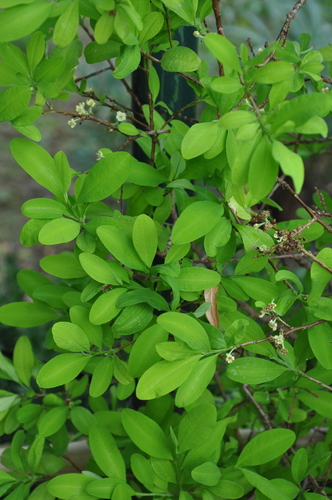
Coca
Erythroxylum coca
Chewed in the Andes against hunger, tiredness and altitude sickness. A 2019 review found no trials showing coca prevents altitude sickness in travellers; one study found Bolivian chewers could sustain hard work longer, but chewers and non-chewers did not differ in aerobic capacity.
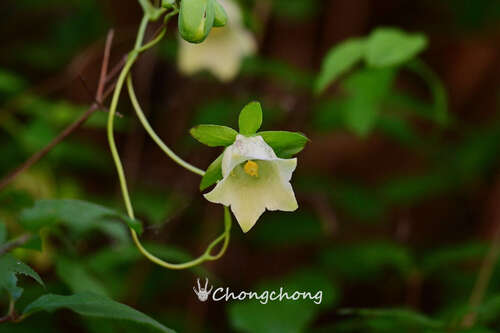
Codonopsis
Codonopsis pilosula
The Chinese Pharmacopoeia (2020) lists it for deficiency of spleen and lung qi with poor appetite and easy tiredness, and for deficiency of qi and blood. Classical texts treat it as a substitute for ginseng in chronic weakness. No controlled trials of codonopsis alone were found.
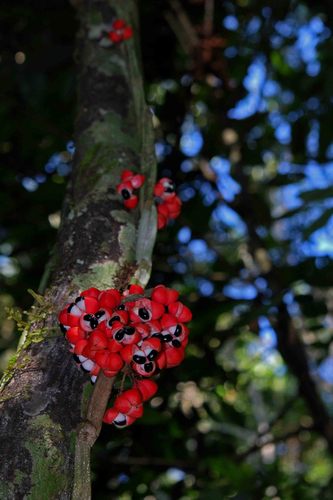
Guarana
Paullinia cupana
EMA accepts traditional use of powdered guarana seed for symptoms of fatigue and sensation of weakness, on the basis of long-standing use; its assessment notes that small controlled studies of guarana extracts found dose-dependent increases in alertness and some faster performance on attention tasks.
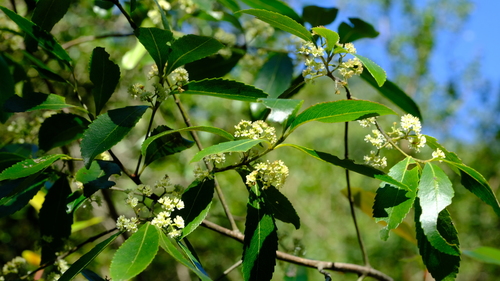
Khat
Catha edulis
Chewed in Yemen, Ethiopia, Somalia and Kenya to increase alertness, relieve tiredness and suppress appetite, at social gatherings and ceremonies; cathinone releases catecholamines like amphetamine. No therapeutic use is recognised.

Kola nut
Cola nitida
EMA traditional use for temporary fatigue and a sensation of weakness; Commission E approved it for mental and physical fatigue. There are no clinical trials of the seed, but the maximum daily dose (9 g) contains at least 135 mg caffeine, which EMA judged makes the effect plausible.

Kratom
Mitragyna speciosa
In Southeast Asia, fresh leaves were chewed or made into tea to fight fatigue and improve work productivity, especially among labourers. Users report stimulant-like effects (energy, alertness, rapid heart rate) as well as opioid-like ones.
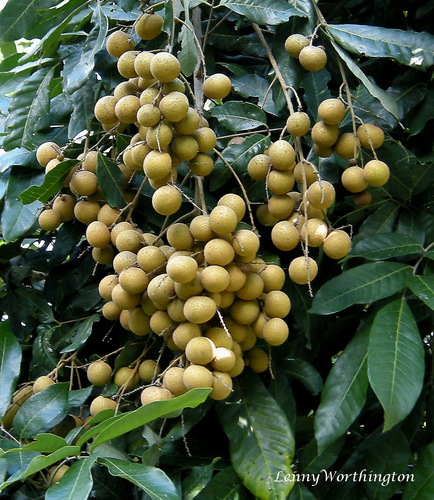
Longan
Dimocarpus longan
In Chinese medicine the aril is used for fatigue, 'overthinking' and deficiency of qi and blood, usually combined with other herbs. No clinical tests of the aril alone.
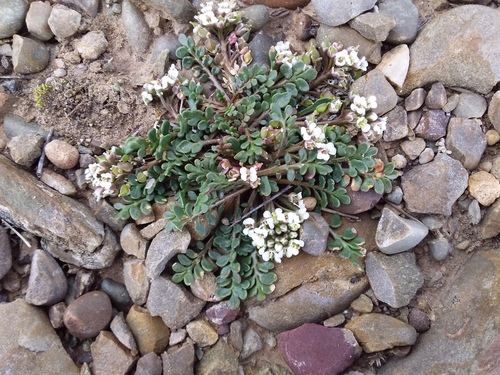
Maca
Lepidium meyenii
Andean people eat it as an energising food; animal studies suggest greater endurance, but human data are scarce.

Mandravasarotra
Cinnamosma fragrans
Bark decoctions of Cinnamosma species are used as a 'cure-all' for general fatigue; untested.
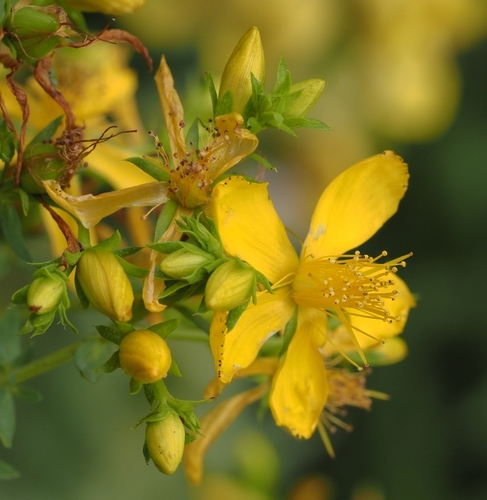
St John's wort
Hypericum perforatum
EMA traditional use of certain preparations for temporary mental exhaustion.
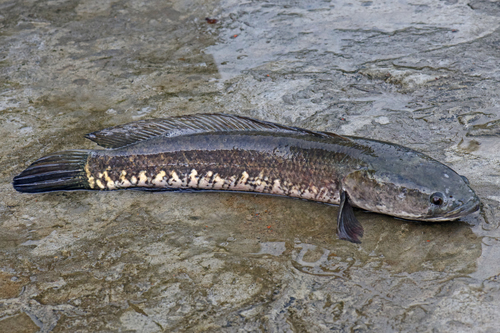
Striped snakehead
Channa striata
Haruan broth is given to women after childbirth and to convalescents in Malay tradition; untested as such.
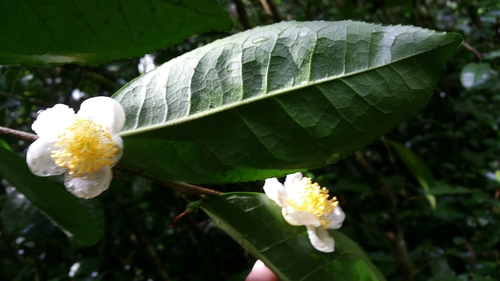
Tea plant
Camellia sinensis
EMA traditional use: green tea for relief of fatigue and sensation of weakness, adults only; see a doctor if symptoms last more than a week.
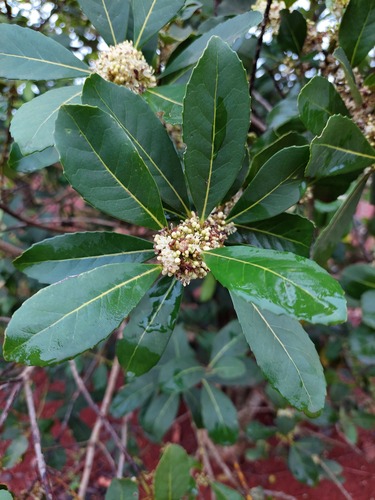
Yerba mate
Ilex paraguariensis
EMA traditional use for symptoms of fatigue and sensation of weakness, and Commission E (1988) listed it for mental and physical tiredness. EMA found the indications plausible because of the caffeine and theobromine content, but not supported by enough clinical data for well-established use.