The Apothecary / Whole body & tonics
Sickle-cell disease
8 remedies
See a doctor if
Severe pain, fever, breathlessness, chest pain or stroke signs in sickle-cell disease are emergencies.
Reference, not prescription. Nothing here is medical advice. Herbs can interact with medicines and be dangerous in pregnancy; tell your doctor or pharmacist about anything you take.
Limited evidence
LimitedSmall or few trials, mixed results, or mainly lab and animal work.
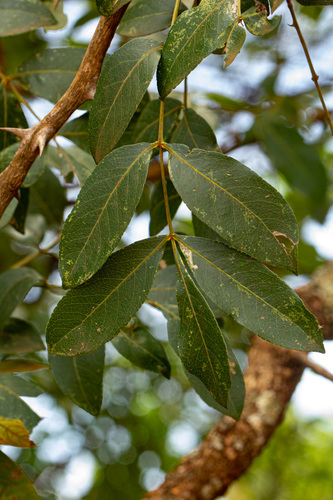
Christmas bush
Alchornea cordifolia
Used traditionally in Africa for sickle cell anaemia and chosen for study from a Kisangani (DR Congo) survey of healers' recipes. In the test tube a leaf methanol extract suppressed sickling of HbSS red cells by more than 70%, and the isolated flavonoid quercitrin inhibited HbS polymerisation; no clinical studies were found.
Gum arabic
Senegalia senegal
In sickle cell anaemia, small trials of 30 g daily for 12 weeks reported raised fetal haemoglobin, lower HbS and improved antioxidant markers; these are early, single-group findings.

Sea hibiscus
Hibiscus tiliaceus
Used in Kisangani (DR Congo) for sickle cell disease. In the laboratory, a leaf decoction fraction rich in kaempferol 3-O-rutinoside restored the shape of up to 80% of sickled red cells at 50 µg/mL, but at 100 µg/mL the extract appeared to destroy red cells. No human studies.

Senegal prickly-ash
Zanthoxylum zanthoxyloides
Sickle-cell disease (sickle-cell anaemia): the most cited Fagara species for treating and preventing sickle-cell crises in West Africa. Three divanilloylquinic acids (burkinabins A–C) from the root bark showed antisickling activity in vitro, but a 1975 study adding root extract (25 mg/ml) to blood from people with sickle-cell anaemia found no change in oxygen dissociation or sickling, failing to confirm earlier reports. No clinical trials found.
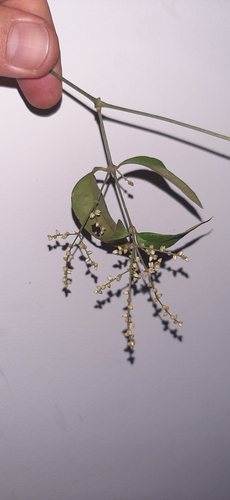
Suma
Hebanthe eriantha
The root has a reputation in Brazil for sickle cell disease, and in the laboratory it improved the deformability and hydration of sickled red cells. A 2020 Cochrane review found one small trial of powdered root and judged the evidence very low quality: no conclusion could be drawn about benefit, though no adverse effects were reported.
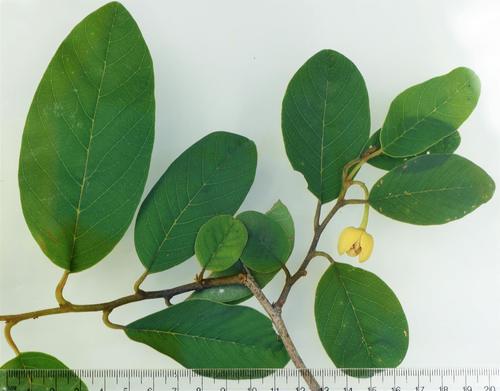
Wild custard apple
Annona senegalensis
Congolese healers use it for sickle-cell disease, and extracts showed anti-sickling activity in red cells in vitro. No clinical data.